How to Reparent Your Inner Child: A Beginner’s Step Guide
Reparenting your inner child is a vital beginner’s step guide for anyone trying to find their way back to sanity after a long, soul-crushing relationship. I spent twelve years tied to a partner who cycled between the cold manipulation of NPD and the explosive volatility of BPD. By the time I left, I was a ghost of a person, isolated from my family and completely disconnected from the hobbies that once brought me joy.
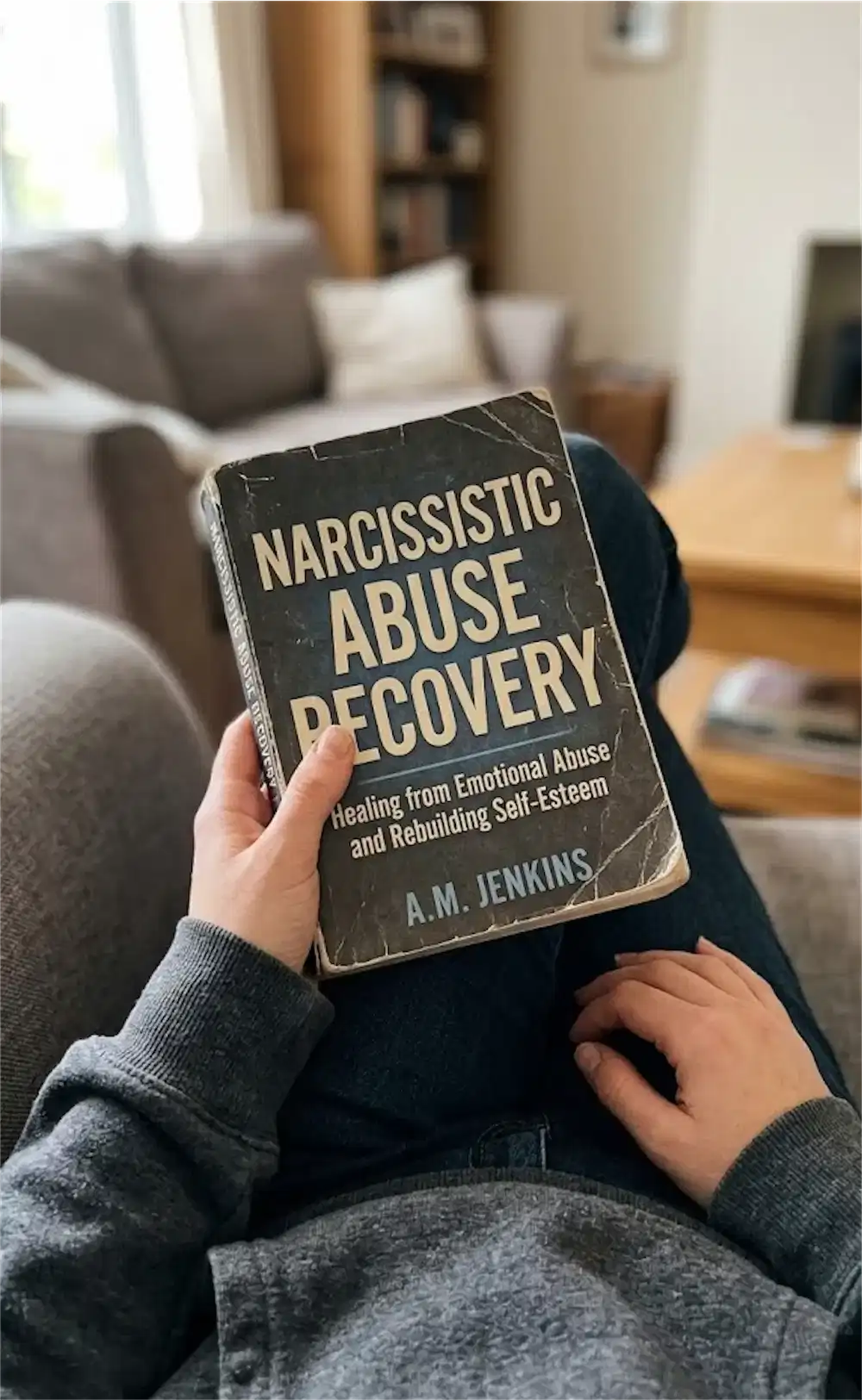
You might feel like you are walking through a thick fog right now, wondering if the “original you” still exists somewhere underneath the trauma. Healing from narcissistic abuse requires more than just leaving the person; it requires looking inward at the child who learned to survive by being perfect or invisible. Have you ever wondered why you stayed so long, or why you feel so much guilt for simply existing? This guide is here to help you navigate those questions through the lens of a survivor who has finally made it to the other side. For a more structured approach, you can use a dedicated inner child reparenting guide to track your progress.
When I first started therapy, I realized that my twelve-year relationship was a repeat of childhood patterns I had never addressed. I had been trauma bonded to a partner who used my own empathy against me. Reparenting is the process of giving yourself the love, protection, and validation that you lacked during your formative years and during your toxic relationship. It is about becoming the safe adult you always needed but never had.
Understanding the Inner Child Wounds of Abuse
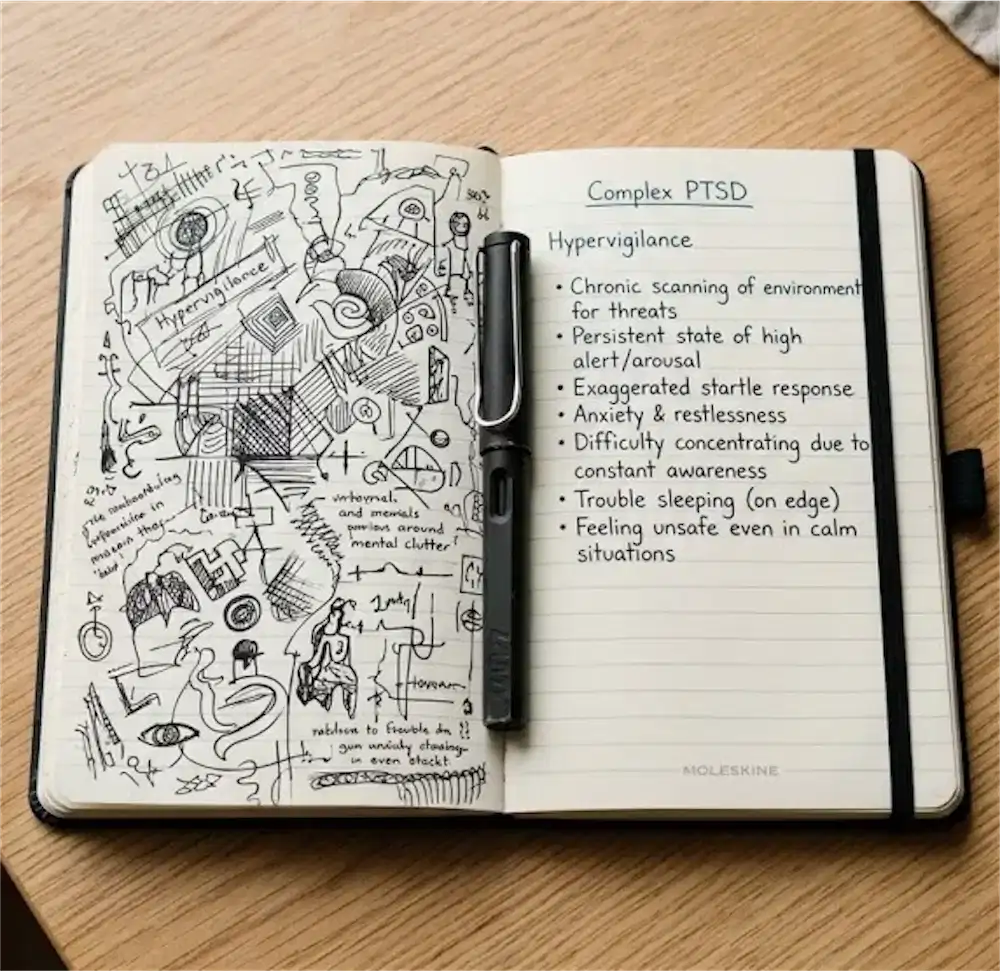
To start reparenting yourself after abuse, you must first recognize the wounds that were reopened during your time with a toxic partner. Narcissists and those with BPD traits often target people who have a “fawn” response. This means you learned to keep the peace by ignoring your own needs. Did you find yourself constantly checking their mood the second they walked through the door? That hypervigilance is an old survival skill that likely started long before you met your ex.
During my twelve years of isolation, I forgot that I used to be an optimistic person who loved painting and hiking. I became a shell that only lived to avoid the next gaslighting session or “split” where I was suddenly the villain in their story. Gaslighting is a mental game where someone makes you doubt your own memories and sanity. In a decade-long relationship, it feels like living in a house with shifting floors; you never know if you are standing on solid ground.
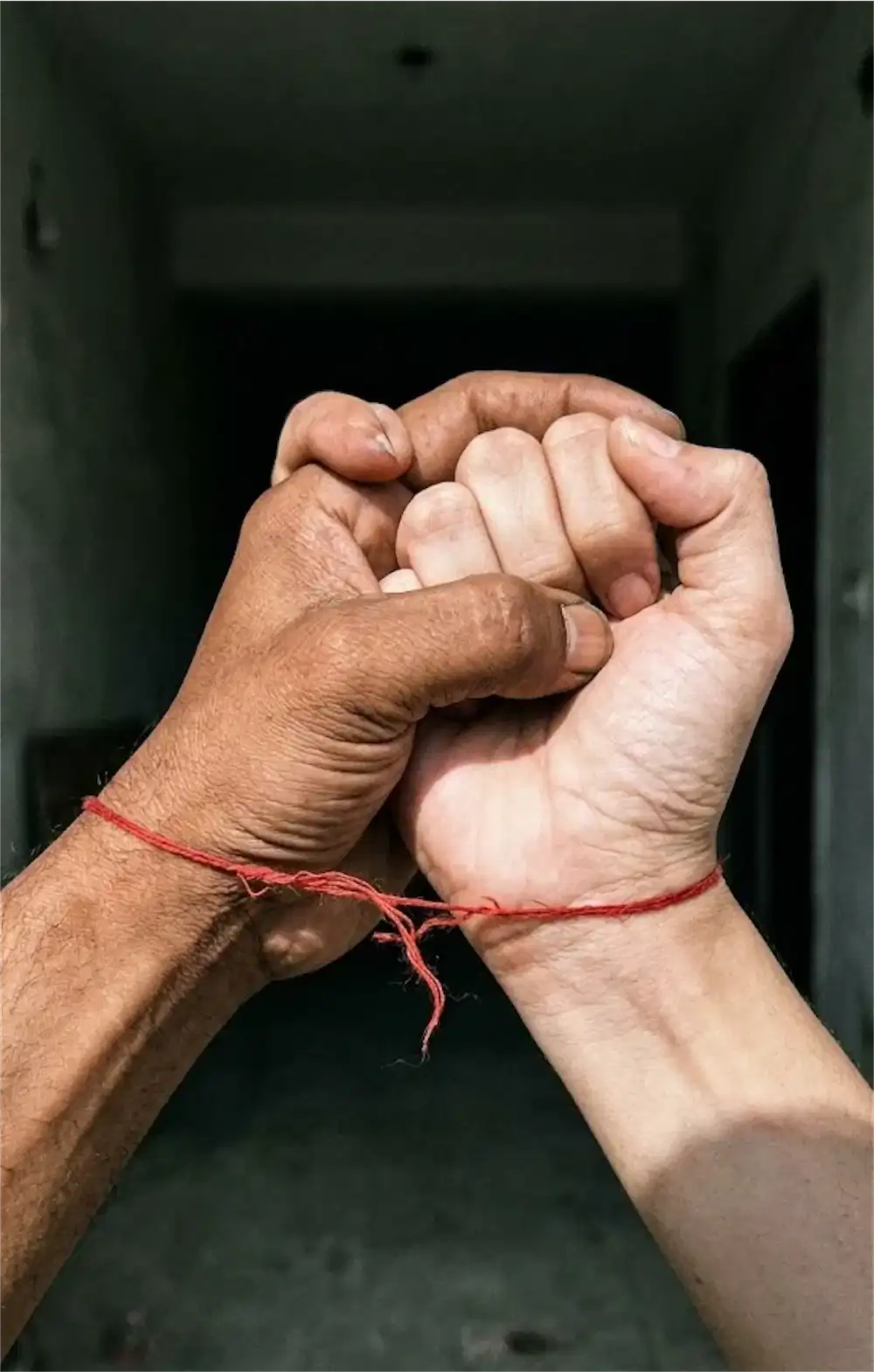
When your partner treats you with intermittent reinforcement, giving you crumbs of affection followed by weeks of neglect, your inner child becomes desperate. That part of you is still trying to “win” the love of a person who is incapable of giving it. Recognizing that your current pain is linked to BPD relationship trauma recovery is the first step toward releasing the grip they have on your mind.
Practical Steps to Reparent Your Inner Child
The first practical step in this beginner’s step guide is to establish a safe environment. For me, this meant total no contact and changing my phone number. Your inner child cannot heal if they are still being chased by a predator. Once you are safe, start by acknowledging your feelings without judgment. If you feel sad, don’t tell yourself to “be strong.” Instead, say to yourself, “I see that you are hurting, and I am here with you.”
Another major part of reparenting after trauma is learning to meet your own basic needs. In my toxic relationship, I stopped eating well, stopped sleeping, and stopped caring for my body because all my energy went into managing my partner’s crises. Now, I make it a point to eat three meals a day and get eight hours of sleep. These simple acts tell your inner child that they are worth caring for.
You should also try to reconnect with the things you loved before the relationship changed you. What did you enjoy doing when you were ten years old? For me, it was being outdoors. Returning to nature helped me ground myself when my mind started to ruminate on the hoovering tactics my ex tried to use. They might try to suck you back in with fake apologies, but a reparented adult knows that their peace is more valuable than a toxic apology.
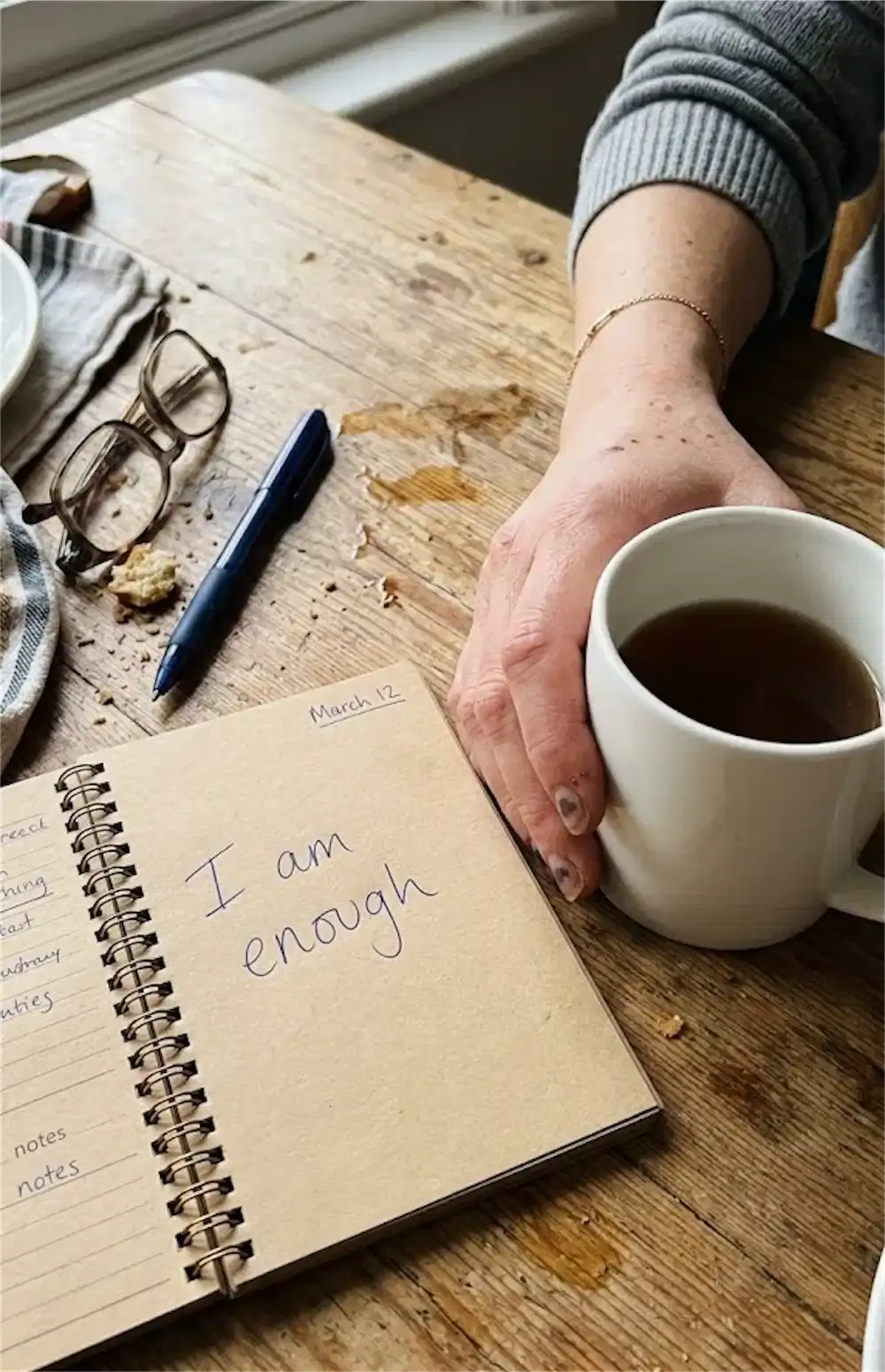
If you have spent years being told that your emotions are “too much” or “crazy,” you need a tool to help you rebuild your sense of reality. If you are struggling to move past the sudden end of the relationship, learning to rebuild self worth after discard is a necessary part of your daily practice. You have to be the one to tell yourself that you are enough, even when they tried to make you feel like nothing.
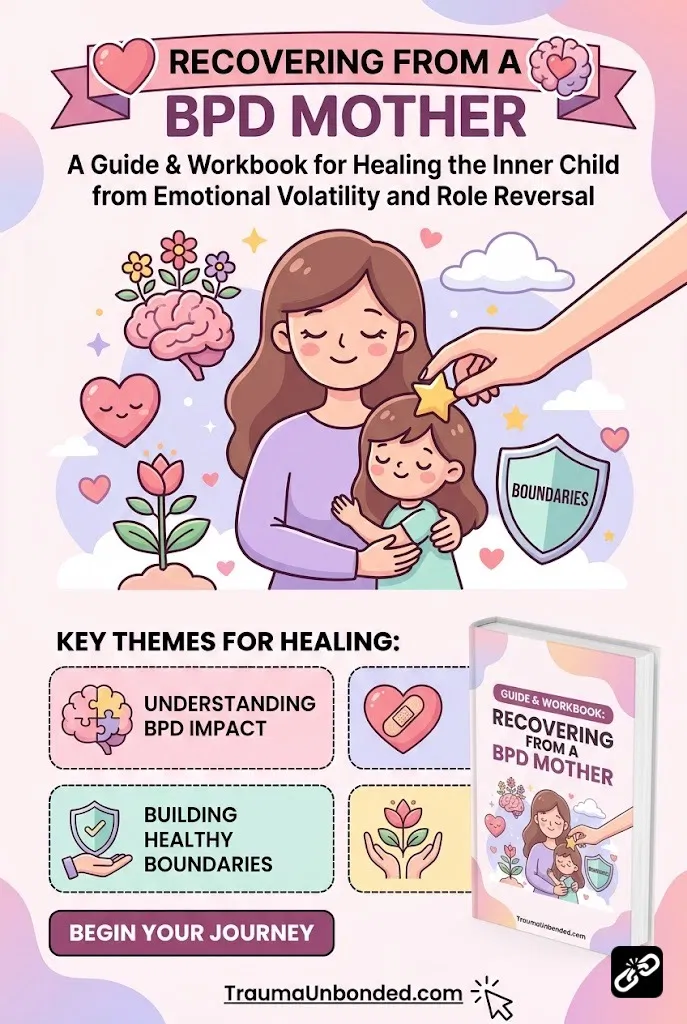
If you feel completely lost and overwhelmed by the fluctuating emotions of your recovery, having a clear roadmap can make the difference between staying stuck and finally moving forward. This specific resource focuses on the unique challenges of healing from a mother-figure’s volatility, which is often the blueprint for why we choose toxic partners later in life.
Setting Adult Boundaries for Inner Child Safety
One of the hardest parts of my recovery from narcissistic abuse was learning to say “no” to people. After twelve years of being a “fixer” for a BPD partner, I felt like I had to solve everyone’s problems. Reparenting means you protect your inner child from being used by others. This means setting firm boundaries with friends, family, and especially with the toxic ex if you are forced to co-parent.
Boundaries are not about changing the other person; they are about deciding what you will tolerate. When my ex tried to smear my reputation among our mutual friends, my inner child wanted to scream and defend myself. My “reparented adult” self stepped in and decided that my silence was more powerful than their lies. I realized that anyone who believed the lies without talking to me wasn’t a friend worth keeping.
Are you still checking their social media? Every time you look at their profile, you are bringing the “monster” back into your inner child’s nursery. True safety comes from radical no contact. This isn’t a game to make them miss you; it is a shield to protect your healing heart. It took me a long time to realize that I didn’t need their closure; I could create my own by choosing myself every single day.
Returning to Your Original Self
The most beautiful part of reparenting your inner child is the moment you realize you are becoming yourself again. I remember the day I laughed at a joke and realized I hadn’t felt that light in a decade. I started painting again, not because I was good at it, but because it made the little version of me happy. You will find that as you heal the trauma bond, your old interests will naturally start to resurface.
It is important to remember that healing is not linear. Some days you will feel grounded and optimistic, and other days you might feel the old weight of codependency trying to pull you back. That is okay. When those bad days happen, talk to yourself like a kind parent would talk to a scared child. Say, “We are having a hard day, but we are safe now, and this feeling will pass.”
You are no longer that person who has to beg for scraps of love. You are an adult who is capable of providing your own validation. The twelve years I lost were painful, but they taught me a level of resilience I never knew I had. You have that same strength inside of you. You have already survived the hardest part by getting out; now, you just have to stay out and keep growing.
If you are ready to take the next step in your journey and want a deeper look at how to heal those early childhood wounds that keep you trapped in toxic cycles, I highly recommend looking into the Recovering from a BPD Mother – Guide & Workbook for Healing the Inner Child. It is a powerful tool for anyone ready to finally break free from the past and live a life of peace and authenticity.
The most important thing to remember is that you are the only person who can truly give your inner child the life they deserve. Start small, stay consistent, and trust that the “original you” is waiting to be found.

Meet Your Guide
Helen Brooks
After surviving a 12-year NPD/BPD relationship, I dedicated over a decade to studying trauma bonding and nervous system recovery. My mission is to help you break free from the fog and reclaim your authentic self.
Ready to break the trauma bond and reclaim your life?