
Evidence-Based Trauma Recovery
Break Free from Trauma Bonds & Codependency After Narcissistic Abuse
Discover science-backed strategies to escape emotional manipulation, understand intermittent reinforcement patterns, and reclaim your authentic self after NPD or BPD relationships.
12+ Years Research
Science-Backed
Survivor-Led
What Are You Struggling With Right Now?
Choose your healing pathway.
Explore Our Healing Workbooks
Handcrafted digital resources to guide your day-to-day recovery.
-
Sale!
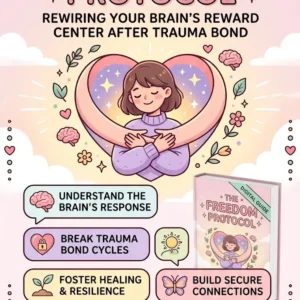
The Freedom Protocol – Rewiring Your Brain’s Reward Center After Trauma Bond
Original price was: 19,99 $.4,99 $Current price is: 4,99 $. -
Sale!

The Smear Campaign Shield – How to Handle Character Assassination, Flying Monkeys, and Social Isolation
Original price was: 29,99 $.17,99 $Current price is: 17,99 $. -
Sale!
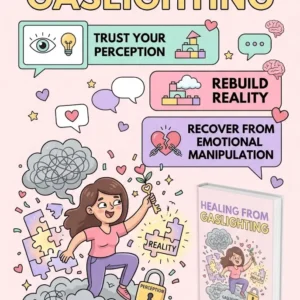
Healing from Gaslighting – How to Trust Your Perception, Rebuild Reality, and Recover from Emotional Manipulation
Original price was: 29,99 $.17,99 $Current price is: 17,99 $. -
Sale!
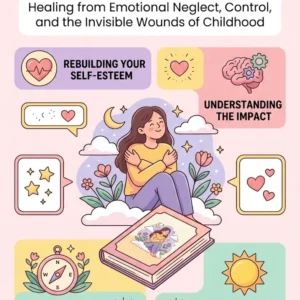
The Narcissistic Father Recovery Guide & Workbook – Healing from Emotional Neglect, Control, and the Invisible Wounds of Childhood
Original price was: 29,99 $.17,99 $Current price is: 17,99 $.
Understanding the Science
What Is a Trauma Bond and Why Can’t You Leave?
A trauma bond is a powerful psychological attachment formed through cycles of intermittent reinforcement—where punishment is unpredictably followed by reward. This creates cognitive dissonance and makes leaving feel neurologically impossible.
Neurological Addiction
Your brain releases dopamine during reconciliation phases, creating an addiction-like bond despite conscious awareness of harm.
Intermittent Reinforcement
Unpredictable cycles of abuse and affection create the strongest form of psychological conditioning known to behavioral science.
Cognitive Dissonance
Your mind struggles to reconcile loving someone who hurts you, leading to rationalization and self-blame instead of leaving.
Identity Erosion
Prolonged emotional abuse systematically dismantles your sense of self, making independence feel impossible and terrifying.
Breaking Free Step-by-Step
How to Break Free from Codependency and Narcissistic Abuse
Recovery from trauma bonding requires understanding the psychological mechanisms at play and implementing evidence-based strategies. Here’s your roadmap to healing:
1
Recognize the Pattern
Identify intermittent reinforcement cycles, gaslighting tactics, and emotional manipulation patterns. Understanding what’s happening is the first step to breaking free from the trauma bond.
2
Establish No Contact
Implement strict no contact or gray rock method. Every interaction retriggeres the neurological addiction cycle. Physical and emotional distance is essential for healing.
3
Seek Trauma-Informed Therapy
Work with a therapist trained in Complex PTSD, schema therapy, or EMDR. Professional guidance accelerates recovery and prevents relapse into codependent patterns.
4
Rebuild Your Identity
Reconnect with your authentic self through journaling, therapy, and rediscovering hobbies. Breaking codependency means reclaiming your voice, boundaries, and self-worth.

“
Meet Your Guide
From 12 Years of Abuse to Complete Recovery
I spent 12 years in a relationship that slowly erased who I was. Today, I’ve fully reclaimed my authentic self—and I’m here to show you how.
After enduring emotional abuse from a partner with both NPD and BPD, I emerged transformed. My recovery involved deep study of attachment theory, schema therapy, C-PTSD treatment, and neuroscience research into trauma bonding.
12+
Years of Synthesis
50+
Expert Sources
18+
Proven Methods
Recovery Insights
Latest Articles & Research
Evidence-based strategies, survivor stories, and the latest research in trauma recovery.
-

Why You Crave High-Conflict Cycles: Breaking Your Body’s Addiction to Adrenaline and Cortisol
Read Article →: Why You Crave High-Conflict Cycles: Breaking Your Body’s Addiction to Adrenaline and CortisolIf you find yourself craving high-conflict cycles in your relationships, you are likely dealing with your body’s addiction…
-

The Silent Trauma of Emotional Neglect: Healing the Invisible Wounds of Childhood
Read Article →: The Silent Trauma of Emotional Neglect: Healing the Invisible Wounds of ChildhoodChildhood emotional neglect acts as a quiet, shaping force that leaves adult survivors searching for ways of healing…
-

Grounding Exercises for Derealization and Depersonalization After a Panic Attack
Read Article →: Grounding Exercises for Derealization and Depersonalization After a Panic AttackUsing grounding exercises for derealization and depersonalization after a panic attack is the quickest way to pull yourself…
-

How to Deal with a Narcissistic Landlord, Boss, or Authority Figure Safely
Read Article →: How to Deal with a Narcissistic Landlord, Boss, or Authority Figure SafelyIf you are trying to figure out how to deal with a narcissistic boss or keep your sanity…
Common Questions Answered
Frequently Asked Questions About Trauma Bonds
How do I know if I’m in a trauma bond?
You’re likely in a trauma bond if you feel unable to leave despite knowing the relationship is toxic, make excuses for abusive behavior, experience intense fear of abandonment, or feel addicted to the highs and lows of the relationship. Trauma bonds form through intermittent reinforcement—unpredictable patterns of punishment and reward.
Can you fully recover from narcissistic abuse?
Yes—full recovery is absolutely possible. Recovery requires trauma-informed therapy (such as schema therapy or EMDR), understanding codependency patterns, establishing no-contact boundaries, and consistently implementing evidence-based healing strategies. Many survivors have completely reclaimed their authentic selves.
How long does it take to break a trauma bond?
Healing timelines vary based on relationship duration and abuse severity. Most survivors experience significant improvement within 6-18 months of no contact combined with active recovery work. Complete healing—including rebuilding identity and establishing healthy boundaries—typically unfolds over 2-3 years with consistent therapy.
Why is no contact essential for recovery?
No contact is essential because trauma bonds are neurologically reinforced every time you interact with the abuser—even “neutral” contact retriggers the addiction cycle in your brain. Complete separation allows your nervous system to recalibrate, cognitive dissonance to resolve, and authentic identity to re-emerge.
Your Recovery Toolkit
Resources to Guide Your Healing Journey
Recovery Guides
Science-backed strategies for breaking trauma bonds, understanding codependency, and rebuilding your identity after emotional abuse.
Healing Library
Curated collection of the most impactful books on narcissistic abuse, C-PTSD, and trauma bonding—all personally reviewed and recommended.
Helen’s Mission
Empowering survivors to rediscover their authentic selves through evidence-based recovery methods and compassionate guidance.
Your Healing Journey Starts Now
Breaking trauma bonds is possible. Reclaiming your authentic self is within reach. Start with evidence-based tools—you don’t have to walk this path alone.