Weaponized Incompetence: How Toxic Partners Use Laziness as a Form of Control
Weaponized incompetence is a silent relationship killer that leaves you carrying the entire weight of your household while feeling completely alone. When toxic partners use laziness as a form of control, they do not just avoid doing the dishes or folding the laundry. They are actively training you to stop asking them for help so they can maintain total freedom from responsibility. If you have ever felt like you are raising a partner instead of loving one, you are likely experiencing this exact manipulation tactic.
For years, I believed my partner was genuinely struggling with basic adult skills. Recovering from this cycle requires recognizing these behaviors for what they are: intentional tools used to force you into a caretaker role. Beginning your healing journey with a structured 12-week codependency recovery plan is a vital step toward breaking free from these exhausting domestic dynamics.
What Is Weaponized Incompetence in Toxic Relationships?
Weaponized incompetence is a manipulation tactic where a partner intentionally performs tasks poorly or claims ignorance to escape responsibility, forcing you to take on the mental and physical load of the relationship.

During my 12-year relationship with a partner who displayed strong narcissistic and borderline traits, this dynamic was my daily reality. In the beginning, it looked like honest mistakes. They would shrink my favorite sweaters in the dryer or scrub the countertops with a grease-stained sponge.
I would sigh, tell myself they just did not know any better, and take over the chore myself. Over time, this grew into a pattern where I handled all the cleaning, cooking, and home maintenance because it was easier than dealing with their mistakes.
Do you find yourself constantly saying, “It is just faster if I do it myself”? This is exactly what a toxic partner wants you to say.
By executing tasks so poorly that you feel forced to step in, they successfully offload their responsibilities onto you. This behavior is not a skill deficit; it is a calculated choice designed to protect their comfort at the expense of your peace of mind.
The Sneaky Ways Partners Use Ignorance to Manipulate You
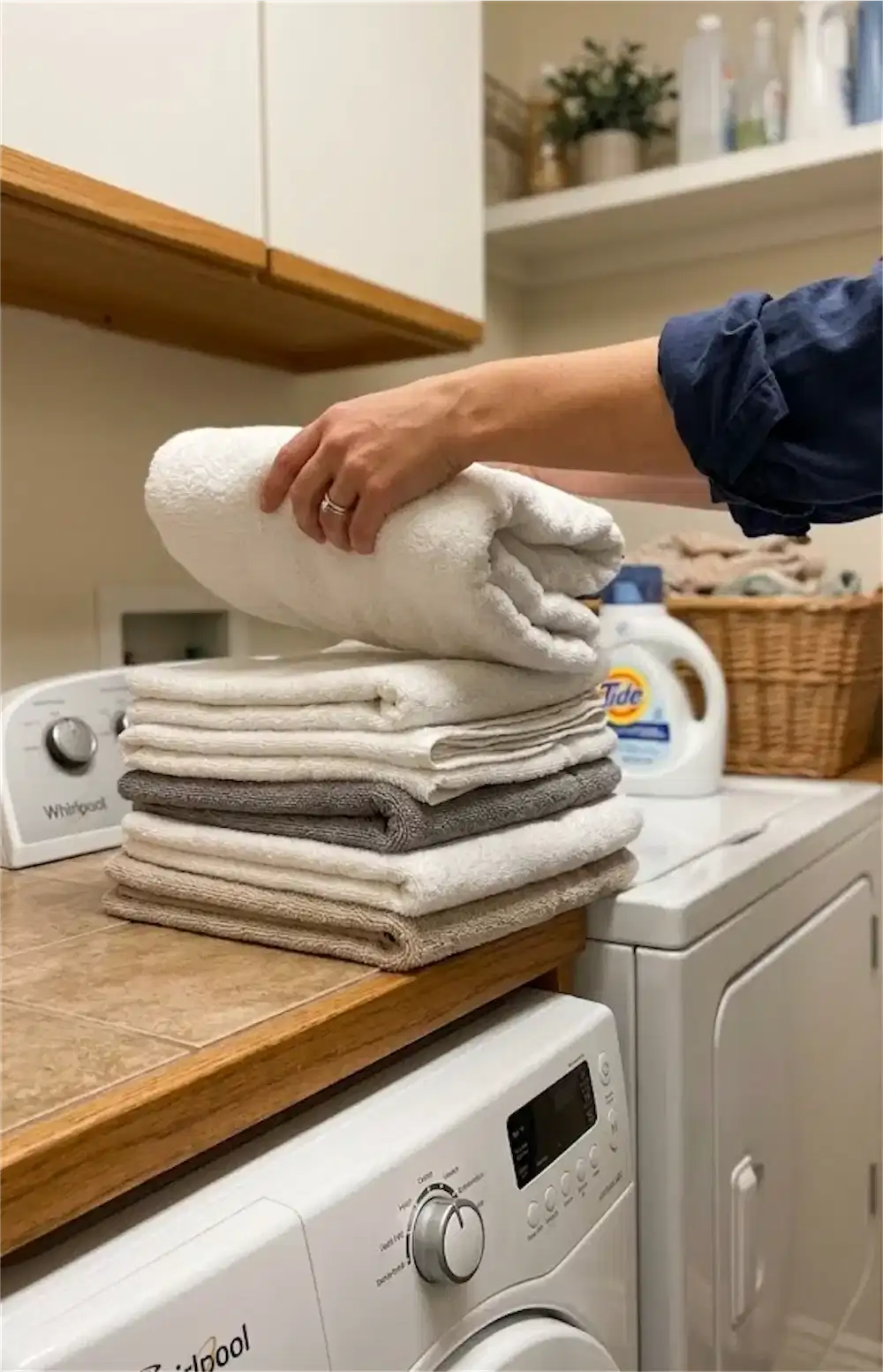
Toxic partners do not usually announce their refusal to help. Instead, they use quiet, frustrating tactics that leave you wondering if you are being too demanding. It is a slow drain on your mental energy that leaves you feeling empty and isolated. Here are some of the most common ways this pattern shows up in a relationship:
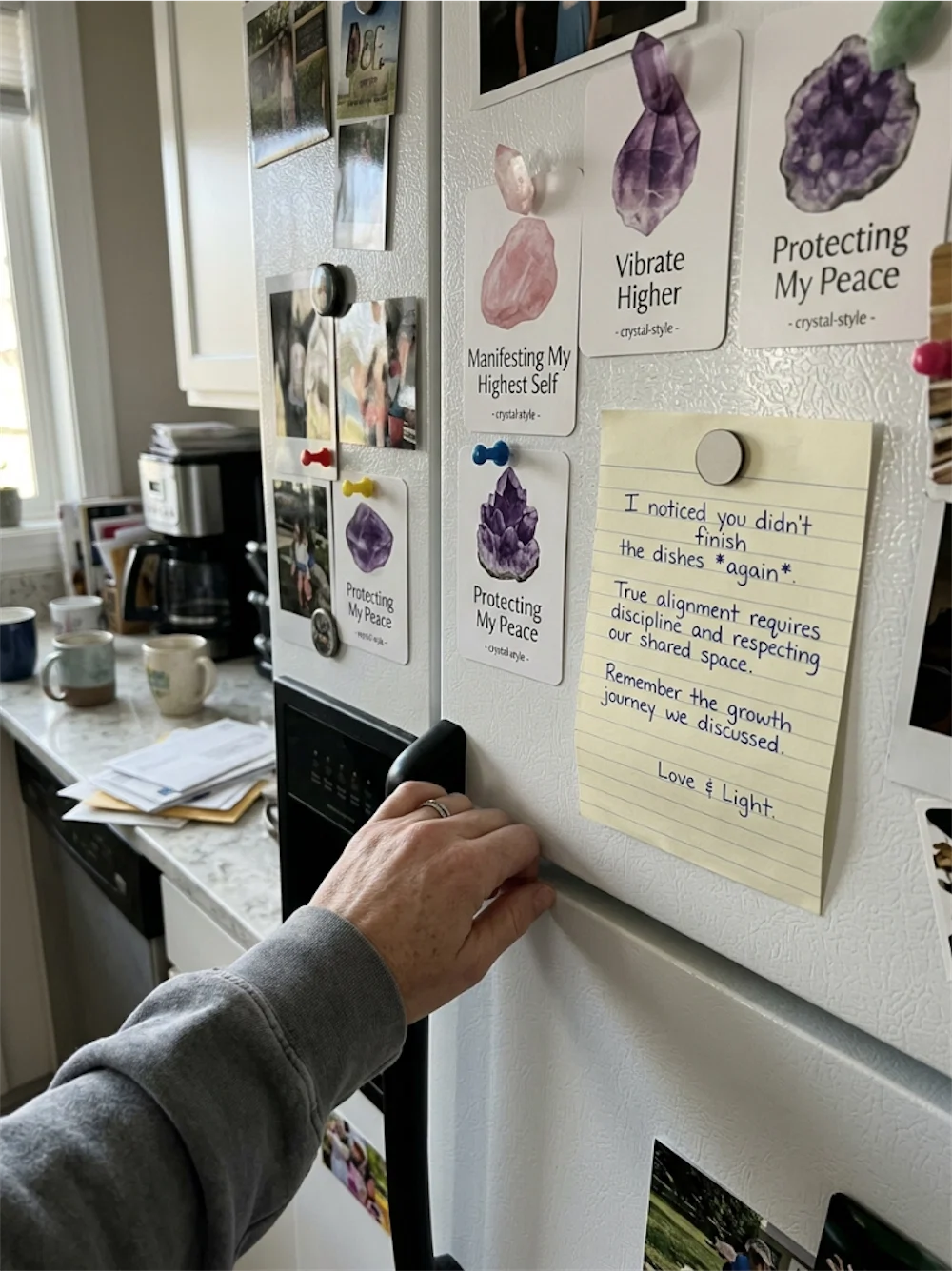
- The “Accidental” Ruination: They agree to wash the dishes but leave food baked onto the plates, or they clean the bathroom using the wrong products, making the space unusable.
- The Flattery Trap: They use phrases like, “You are just so much better at budgeting than I am,” or “The kids only want you to put them to bed.” This sweet-talking is actually a shield to avoid contributing.
- The Infinite Questions: If they finally agree to prepare a meal, they ask you fifty questions about where the salt is, how to turn on the stove, or what pan to use, ensuring that you still do the mental heavy lifting.
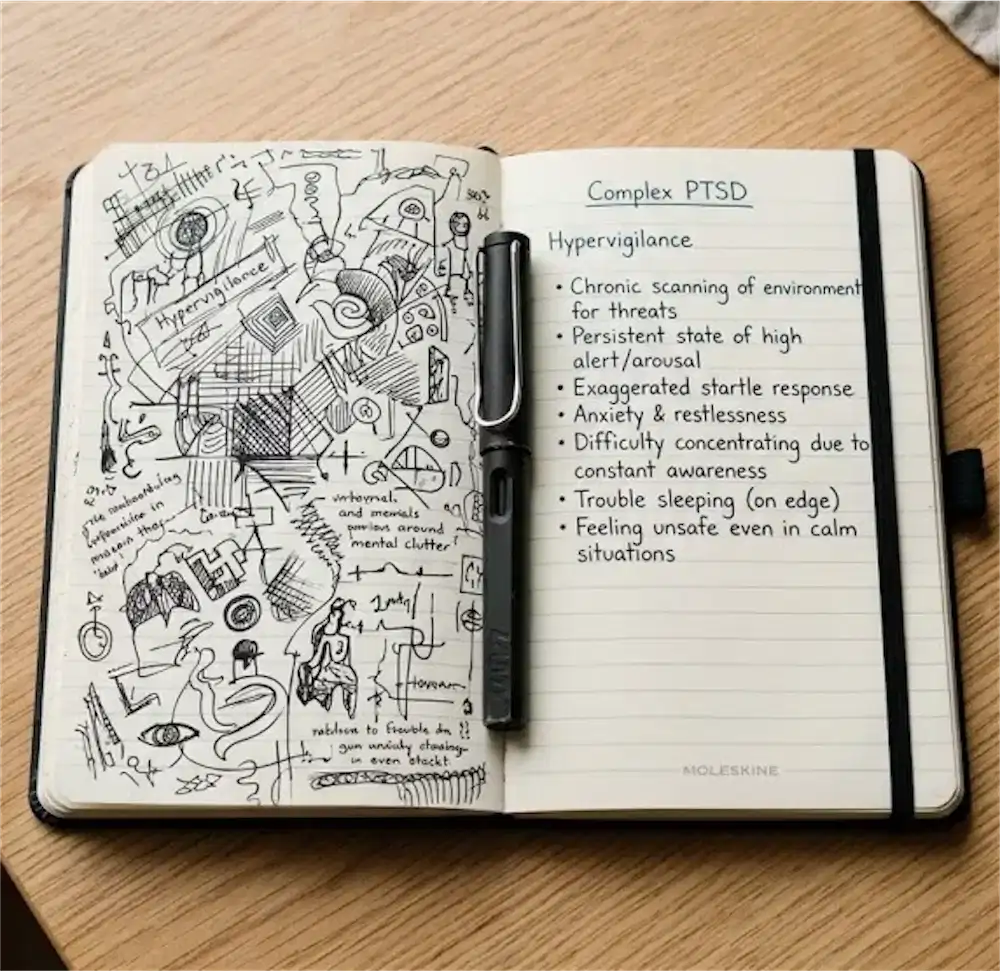
Living this way for over a decade kept me in a permanent state of high stress. I became a fixer, constantly cleaning up behind them while ignoring my own needs. This constant caretaking is closely tied to the link between codependency and fawn response, where we keep peace in our homes by over-functioning for partners who refuse to do their part.
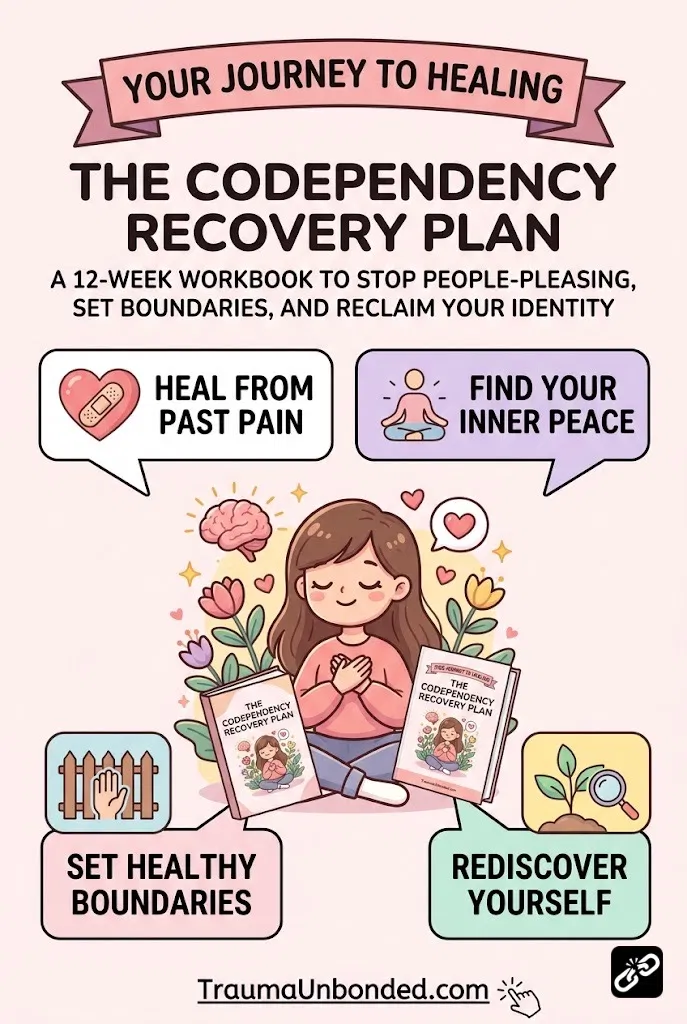
If you are tired of carrying the weight of a relationship alone, you need practical tools to stop the cycle of people-pleasing and reclaim your energy. Having a structured workbook can show you exactly how to rebuild your boundaries and stop being the household caretaker.
To help you break free from these exhausting habits and start putting yourself first, I highly recommend checking out this transformative workbook:
Why Does Feigned Helplessness Feel So Controlling?
At first glance, a partner who cannot manage laundry might seem annoying but harmless. In reality, this behavior is a quiet exercise of power. When one person refuses to do their share, they force their partner to choose between living in chaos or doing double the work. This constant pressure burns through your mental reserves, leaving you too tired to notice other forms of manipulation.
An article on Psychology Today explains how weaponized incompetence exploits our reluctance to accuse a partner of strategic failure when they pretend they are trying their best. You begin to question your own standards, wondering if you are simply being too picky or demanding. This constant self-doubt is a form of gaslighting that keeps you locked in the caregiver role.
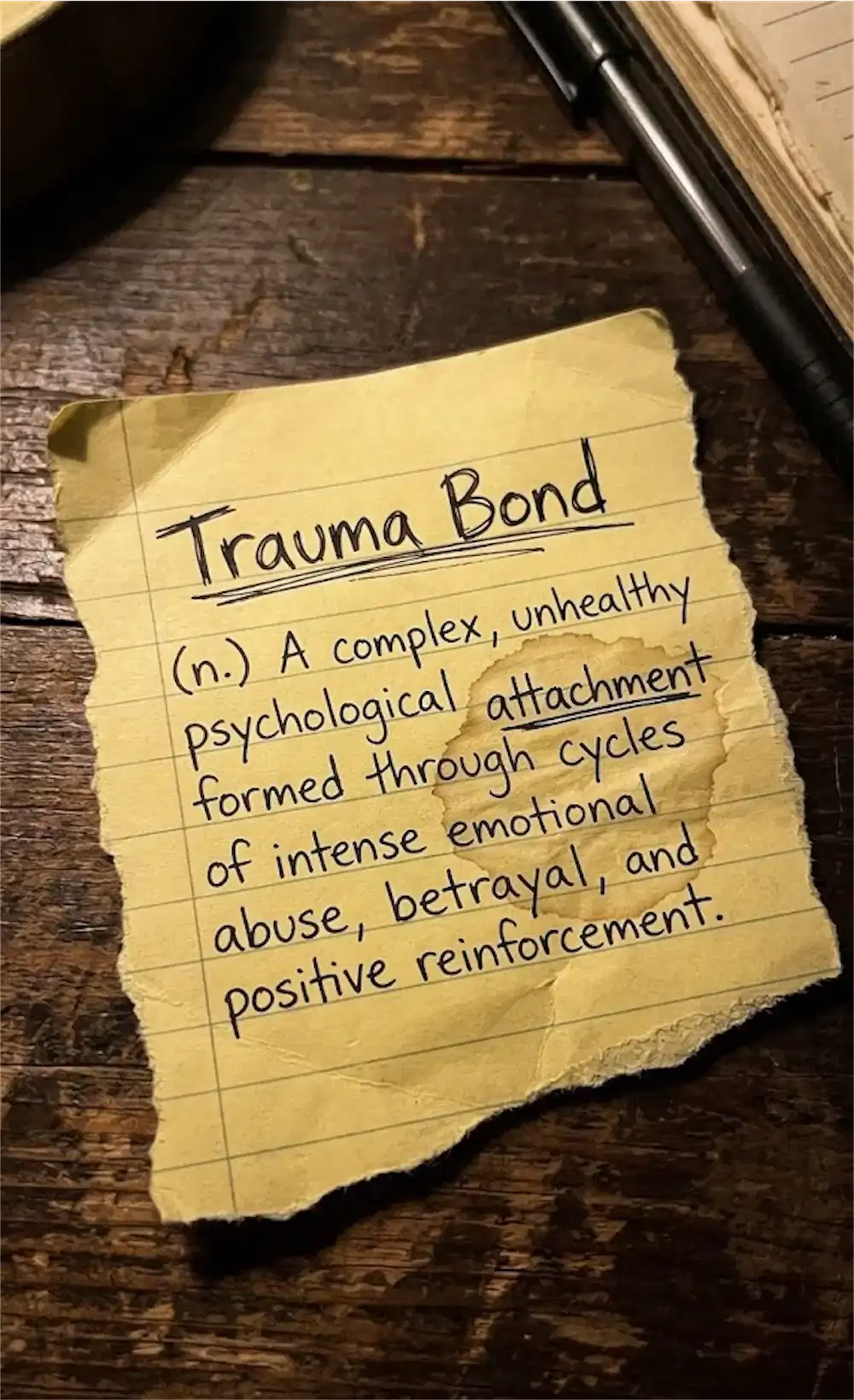
When you are always cleaning up messes, you have no time to focus on your own life. During my toxic relationship, I lost touch with my friends, stopped pursuing my hobbies, and felt completely isolated. My world shrank until it was just my partner and their endless demands. It was only after learning about trauma bonds and codependency that I understood how this chronic stress kept me trapped.
How to Stop Doing Everything and Reclaim Your Space
Breaking this cycle requires a major shift in how you respond to your partner’s claims of helplessness. You must learn to tolerate the discomfort of leaving tasks unfinished. If they wash the dishes poorly, do not wash them again. If they buy the wrong groceries, let them figure out what to eat for dinner. It sounds simple, but for someone used to fixing everything, this is incredibly difficult.
You can begin implementing strategies to overcome codependency and toxic stress by learning to say “no” without offering a long explanation. Your partner is a fully grown adult who is capable of using a search engine to figure out how to clean a bathroom or boil pasta. When you step back and stop rescuing them, you reclaim the mental space you need to focus on your own well-being.
In many cases, stepping back will cause your partner to react with anger or guilt trips. This is a common response when a toxic person realizes their manipulation is no longer working. Recognizing these reactions is part of the essential self-help lessons leaving toxic relationships can teach us about maintaining boundaries.
Your Path Back to an Unburdened Life
Leaving my 12-year relationship was the hardest thing I have ever done, but it was also the moment I got my life back. Today, I am once again the cheerful, optimistic person I used to be before the abuse took over. I no longer carry the heavy weight of someone else’s intentional helplessness, and my home is finally a peaceful sanctuary.
If you are currently feeling trapped in this cycle, please know that you do not have to live as a caretaker for a partner who refuses to grow up. You deserve a balanced relationship built on mutual respect and shared effort. Taking the first step toward reclaiming your identity begins with setting firm boundaries and focusing on your own healing journey. To guide you through this transformation, consider utilizing the Codependency Recovery Plan to help you stop people-pleasing and rebuild your sense of self.

Meet Your Guide
Helen Brooks
After surviving a 12-year NPD/BPD relationship, I dedicated over a decade to studying trauma bonding and nervous system recovery. My mission is to help you break free from the fog and reclaim your authentic self.
Ready to break the trauma bond and reclaim your life?