Sympathy Ploy: How Toxic Exes Use Illness, Crisis, or Tragedy to Hoover You Back
A sympathy ploy is one of the most manipulative tactics a toxic ex will use to pull you back into an abusive relationship dynamic. When you finally build the strength to walk away, they often realize that anger or romantic gestures no longer work, so they pivot to vulnerability. If you are wondering how toxic exes use illness, crisis, or tragedy to hoover you back, you are not alone in this painful confusion.
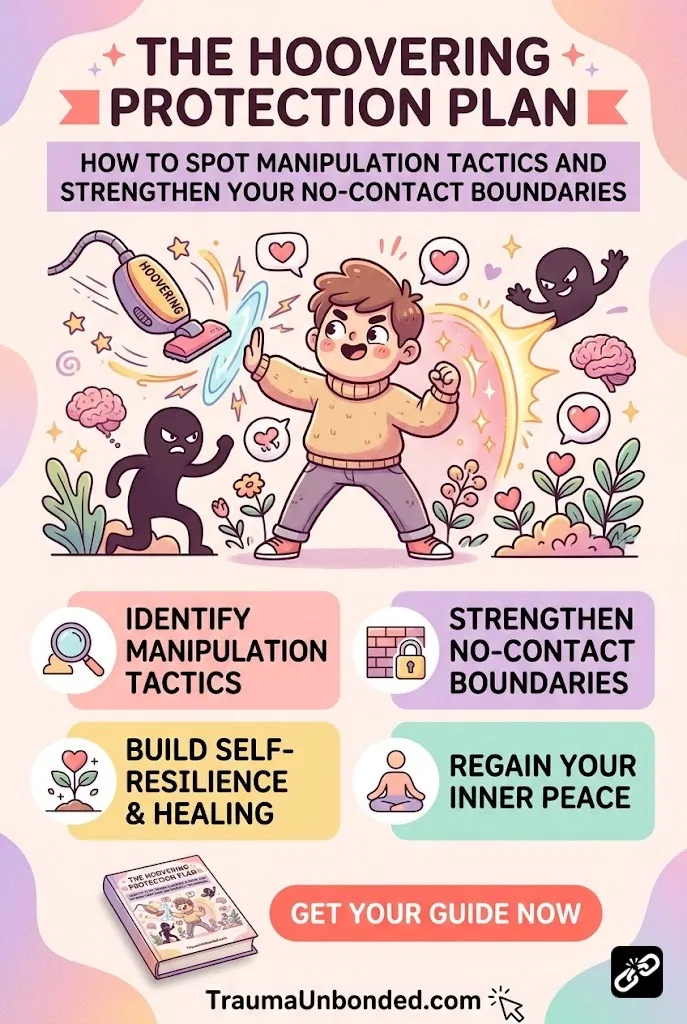
During my 12-year toxic relationship with a partner who displayed severe NPD and BPD traits, I fell for this exact trap multiple times. Every time I tried to establish boundaries, a sudden emergency would magically appear. I found safety only after learning how to protect myself with resources like The Hoovering Protection Plan, which helped me untangle their false crises from reality.
When an ex weaponizes a tragedy, your natural human empathy becomes a back door for them to bypass your defenses. Understanding this manipulation is your first line of defense against their emotional traps.
What is a Narcissistic Sympathy Ploy?
A sympathy ploy is a manipulation tactic where a toxic ex feigns or exaggerates a personal crisis, illness, or tragedy to exploit your empathy and force communication. It is designed to make you break no contact out of guilt, letting them re-establish control over you.

In my own recovery journey, I had to accept that my ex did not reach out because they missed me. They reached out because they needed supply, and my empathy was the easiest lock to pick. Have you ever received a sudden text about a cancer scare or a family emergency just as you started to feel peaceful?
This is classic hoovering, a term named after the vacuum cleaner because it literally sucks you back into the storm. When they use pity, they are betting on your codependent urge to rescue them. It is a highly calculated move that turns your greatest strength, your compassion, into a weapon against you.
Common Tactics: How Toxic Partners Weaponize Crisis
A manipulative ex has an arsenal of dramatic scenarios they will deploy when they sense you are slipping away. They know your triggers because they spent years studying your reactions. Let us break down the most common ways they play the victim.
The Sudden Medical Emergency
This is perhaps the most frequent tactic. You might get a message saying they are in the hospital, or that a doctor found a suspicious lump. In my relationship, my ex once claimed they had a severe heart issue, only for me to find out later it was a minor panic attack exaggerated for maximum drama.
They use medical scares because they know it is socially unacceptable to ignore someone who is sick. If you do not reply, they can paint you as the cruel, heartless monster to mutual friends. This sets up a perfect trap where you feel forced to respond just to keep your own moral standing.
The Financial Disaster or Legal Drama
Another common approach is the sudden, catastrophic loss of a job, housing, or an ongoing legal battle. They will reach out to you as the only person who can save them from ruin. By presenting themselves as utterly helpless, they trigger your natural instinct to fix and solve their problems.
In reality, this is just another way to rebuild the trauma bond. Once you step in to help with their finances or offer advice, the door is wide open for them to slide back into your daily life.
The Family Tragedy or Pet Emergency
If their own lives do not have enough drama, they will use others. They might contact you to report that a distant relative is ill, or worse, that a pet you once shared is dying. These situations are highly emotional and make it incredibly difficult to maintain a firm boundary, which is why a radical no contact guide is so vital for your recovery.
To truly protect yourself from these highly manipulative scripts, you need a structured defense plan. When you are caught off guard by a dramatic text message, your anxious brain can freeze, making it easy to slip up. This is where having practical, step-by-step scripts and blocking strategies becomes your shield against their psychological games.
Why the Sympathy Ploy Works (and Why We Fall for It)
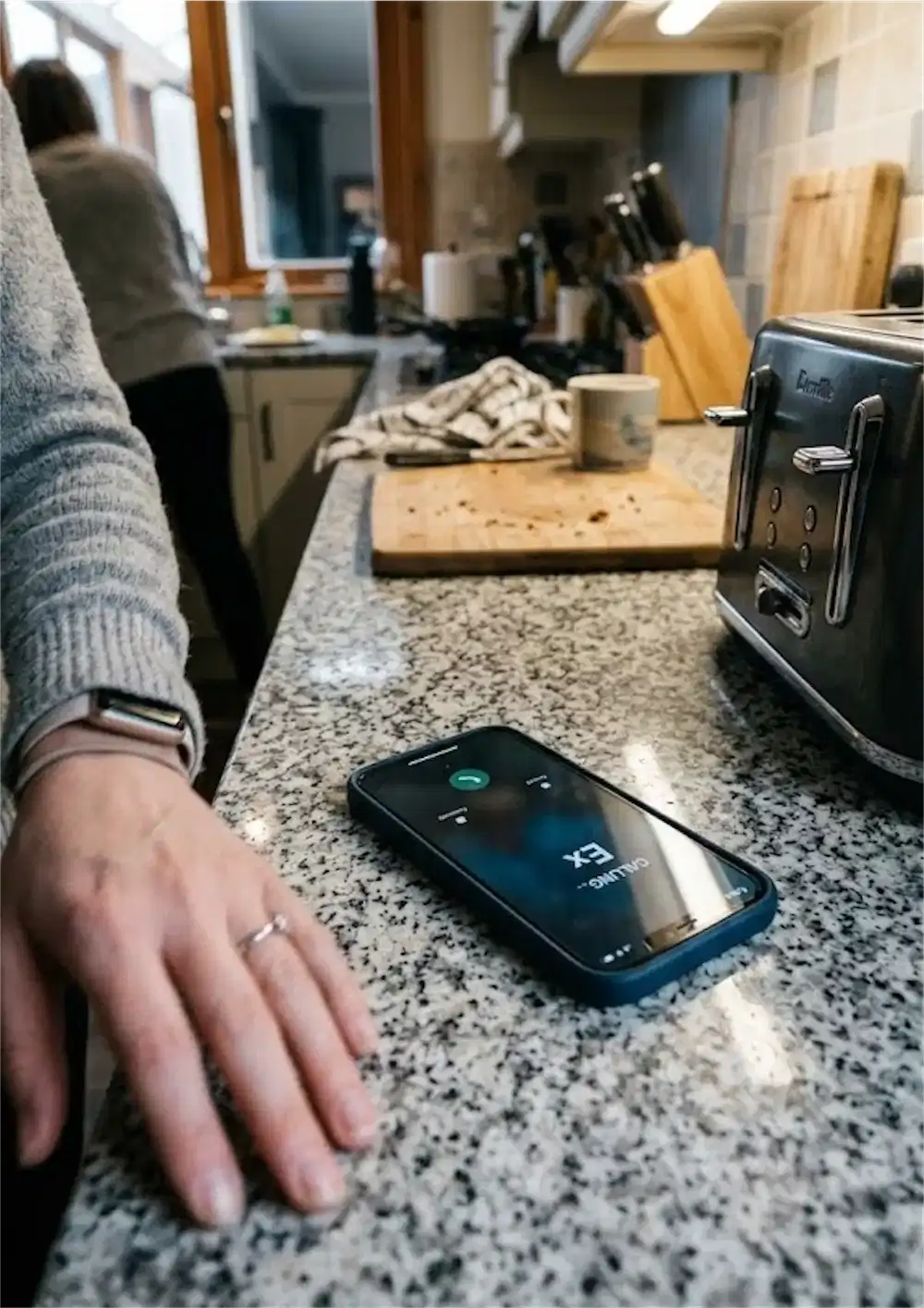
When an ex uses these tactics, they are not appealing to your logic; they are appealing directly to your nervous system. If you spent years in a toxic dynamic, your body has been conditioned to respond to their distress. You might experience physical symptoms like a racing heart or a sudden knot in your stomach just from seeing their name on your screen.
This reaction is closely tied to the psychological attachment known as a trauma bond. Research published in Psychology Today explains that trauma bonding is a powerful emotional attachment that develops through cycles of abuse and intermittent positive reinforcement. When they present a crisis, your brain seeks the chemical relief of fixing the situation, even if it means stepping back into the fire.
If you are recovering from BPD or NPD abuse, you might also struggle with severe trauma bond withdrawal symptoms. During these moments of vulnerability, a sympathy ploy feels like a legitimate excuse to break your silence because it is wrapped in emergency clothing.
How to Handle Narcissist Hoovering Tactics Safely
When a crisis message lands in your inbox, your immediate urge will be to jump in and help. To protect your peace and remain grounded, you must learn how to handle narcissist hoovering tactics without sacrificing your mental wellness. Here are three steps to keep your sanity intact:
First, pause and verify. Most emergencies sent by toxic individuals are highly exaggerated or entirely fabricated. If it is a genuine life-or-death situation, they have family, doctors, or emergency services to help them; they do not need their ex.
Second, ask yourself what replying will change. Will your message cure their illness, fix their bank account, or resolve their drama? No, it will only signal that their crisis-based manipulation is a successful key to unlock your attention.
Third, remember that silence is a complete response. You are not responsible for saving someone who spent years tearing down your self-worth. Choosing to put your own healing first is not selfish; it is necessary.
Reclaiming Your Sanity After the Storm
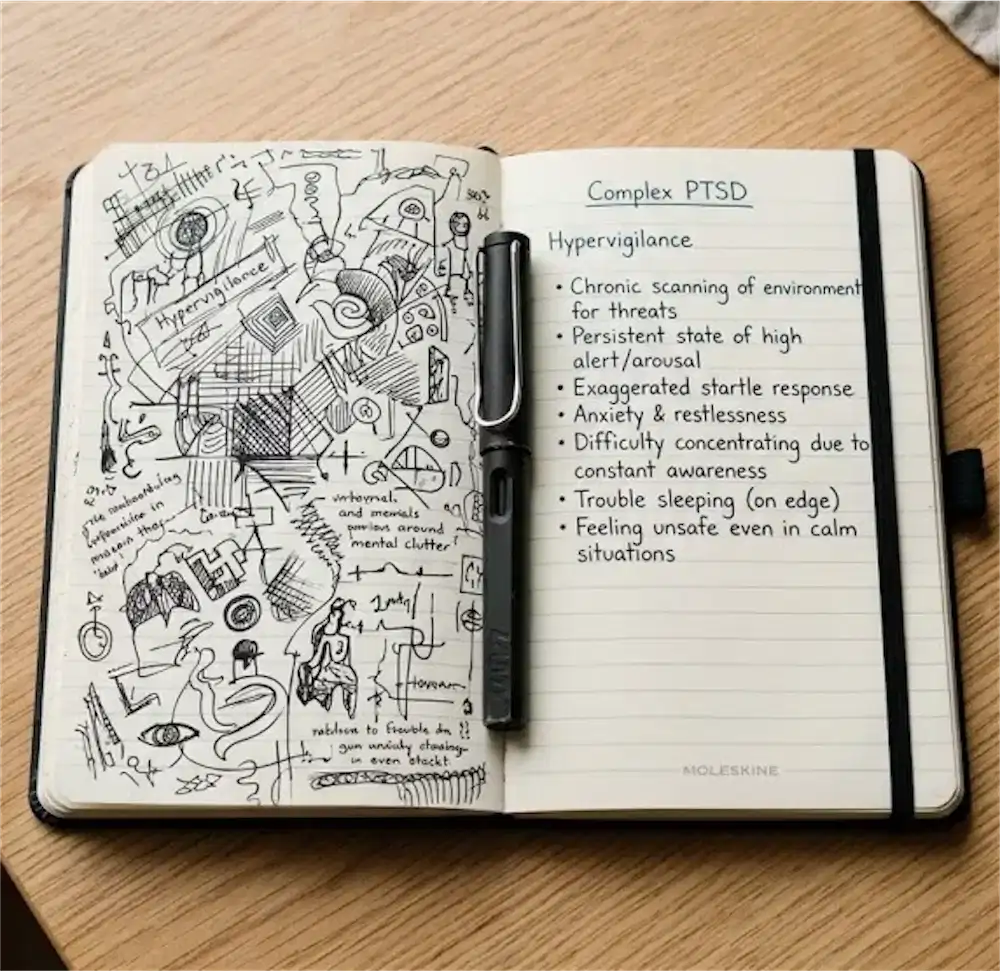
It took me a long time to realize that my ex’s crises were not my burden to carry. After twelve years of being their emotional caretaker, my own life had shrunk to nothing. I had no hobbies, no friends, and lived in a constant state of hypervigilance.
Only when I stopped responding to the manufactured emergencies did my nervous system finally begin to settle. I slowly returned to my original self, someone who is cheerful, grounded, and optimistic about the future. You can get there too, one boundary at a time.
If you are currently facing a flurry of urgent messages or sad updates from your ex, take a deep breath. You do not have to be their savior anymore. Protect your peace, keep your boundaries high, and consider using structured tools like The Hoovering Protection Plan to help you stay strong and anchored in your reality.

Meet Your Guide
Helen Brooks
After surviving a 12-year NPD/BPD relationship, I dedicated over a decade to studying trauma bonding and nervous system recovery. My mission is to help you break free from the fog and reclaim your authentic self.
Ready to break the trauma bond and reclaim your life?