What is Narcissistic Supply? A Simple Guide to What Feeds Their Ego
Understanding narcissistic supply and what feeds their ego is a critical milestone if you want to find relief through narcissistic abuse recovery. During my 12 years walking on eggshells with a partner who displayed severe NPD and BPD traits, I did not realize my daily anxiety was actually a direct result of being drained as a constant source of validation. To survive this cycle, you need to understand the hidden mechanics of their behavior and learn how to break the biochemical addiction to a toxic ex so you can finally reclaim your sanity.
When you are in a relationship with someone who demands absolute control, you quickly realize your feelings are completely ignored. Every conversation is turned back to them, and any attempt to share your own achievements is met with a cold shoulder or subtle criticism. Why does this happen? The answer lies in their desperate hunger for validation, an endless need that drains everyone around them.
By understanding what they are actually hunting for, you can stop blaming yourself for their moods. Let us unpack the mechanics of this psychological dynamic and explore how you can protect your peace of mind.
What Is Narcissistic Supply?
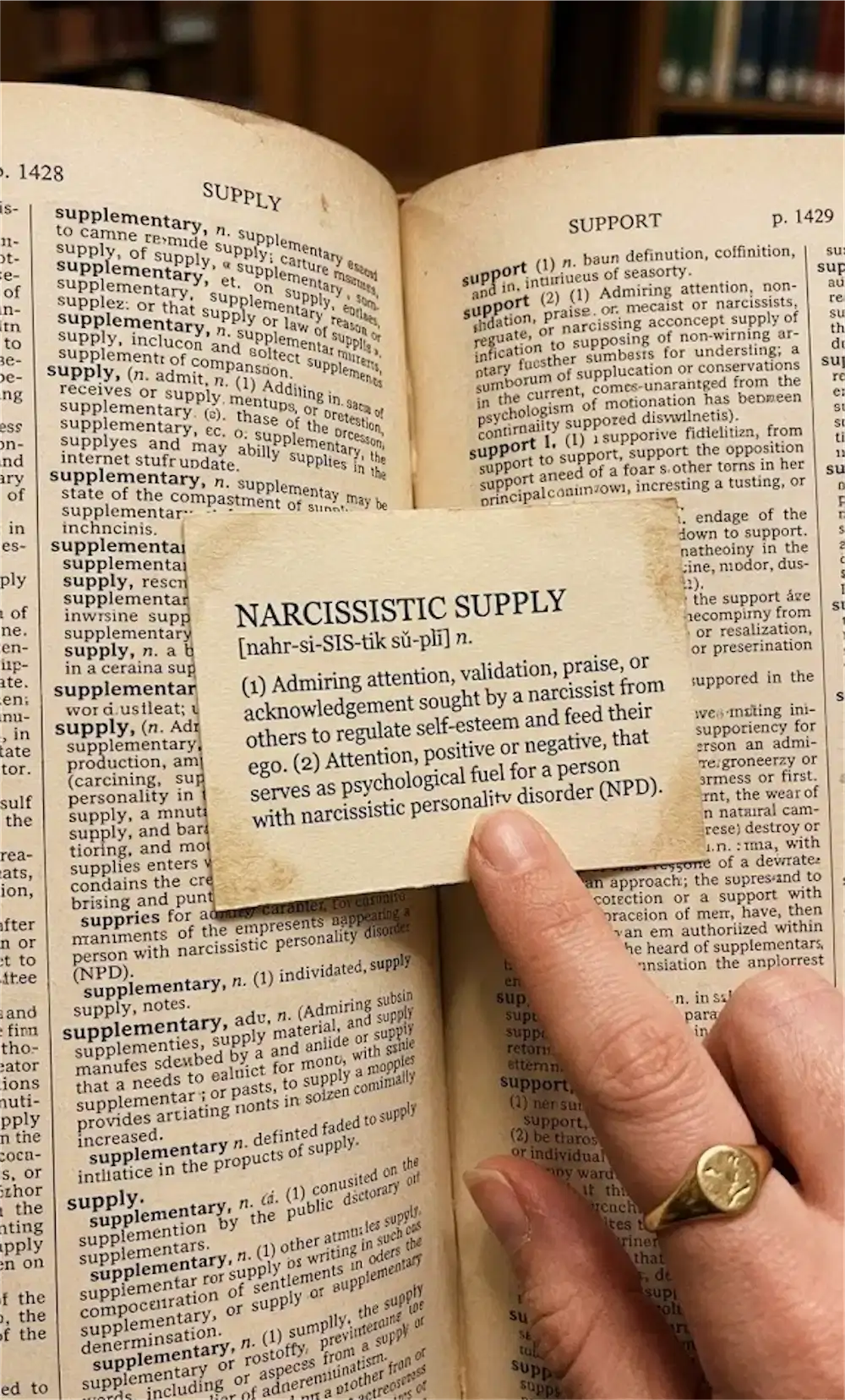
Narcissistic supply is the continuous stream of attention, validation, admiration, or emotional reactions that an individual with narcissistic traits requires from others to support their fragile self-esteem and maintain their grandiose self-image.
In my decade-long relationship, I used to think my partner was just highly sensitive or misunderstood. I thought if I just loved them enough, paid enough compliments, and kept the peace, they would finally feel secure. But the truth is far more clinical. They do not experience relationships the way you do.
To a narcissist, other people are not partners; they are utilities. They use you as an external mirror to project an image of perfection and power. Whether it is a positive compliment or a tearful argument, any emotional reaction you give them is proof of their influence over you.
If you cry because of their cold silent treatment, they feel a sense of power. If you spend hours defending your character against a false accusation, their ego is fed. It is the control over your emotional state that truly satisfies them.
The Two Primary Types of Narcissistic Supply
To truly understand what feeds their ego, we must look at how they collect their validation. Psychologists split these sources into two main categories: primary and secondary. Both serve to keep their fragile inner self from collapsing into deep shame.
Primary Narcissistic Supply: The Public Spotlight
Primary supply is the direct, high-energy attention they receive from the outside world. This includes public admiration, professional status, material wealth, or standing out in their social circle. They want to be viewed as the smartest, most attractive, or most successful person in any room.
In my toxic relationship, this was highly visible whenever we went out. My partner would put on a charming, charismatic persona that made everyone love them. But the moment the car door closed on the ride home, that warm smile vanished, replaced by a cold, empty stare. The public show was over, and the primary fuel had run out.
Secondary Narcissistic Supply: The Stable Private Source
Secondary supply is the steady, quiet stream of attention provided by close partners, children, or codependent spouses. This is the background support system that keeps their life running smoothly. It includes financial support, domestic labor, and constant emotional caretaking.
They expect you to be their loyal cheerleader, managing their daily anxieties while asking for nothing in return. According to clinical insights on the concept of narcissistic supply on Psychology Today, individuals with NPD are dependent on other people to affirm their impaired self-esteem because they lack internal coping mechanisms. They use you to avoid looking at their own deep-seated flaws.
Why Narcissists Crave This Supply Like a Drug
Why is their need for attention so bottomless? Have you ever noticed that no amount of reassurance is ever enough to keep them happy for more than a few days? They are like a cup with a large hole in the bottom.
Because they do not have a stable, internal sense of self-worth, they must constantly pull it from the outside world. This lack of internal emotional regulation makes them highly desperate. They live in constant fear of being exposed as ordinary or flawed, which they associate with total worthlessness.
This desperate need creates a highly addictive cycle. For the victim, it results in a deep trauma bond biochemical addiction that leaves you physically and mentally exhausted. Your brain becomes wired to seek their rare moments of approval, keeping you trapped in their web of control.
If you are currently feeling completely drained, losing sleep, and wondering how you became a mere shadow of your former self, you are not alone. I spent over a decade in that exact dark place. To help you break free from this painful loop, I have put together a step-by-step roadmap to help you heal your nervous system and reclaim your autonomy.
The Subtle Signs They Are Draining You for Supply
In my experience, recognizing the signs of narcissistic supply is the first step toward reclaiming your sanity. They do not just want compliments; they want to know they can bend your emotions to their will. Here are the most common ways they extract this fuel from your daily life:
- The Provocation Game: They pick absurd fights right before you have a big job interview or a family gathering, ensuring your mind is entirely focused on them.
- The Guilt Trip: They blame you for their anger or depression, forcing you to spend hours apologizing, cleaning, or fixing things you did not break.
- The Love-Bombing Phase: They shower you with intense praise and grand gestures early on, not out of love, but to lock in your loyalty as a reliable source of future attention.
- The Silent Treatment: They withhold communication to watch you panic, beg, and plead for their return, which is highly validating to their fragile ego.
When you look closely at these patterns, you realize none of it is personal. You are simply a screen onto which they project their inner chaos. Every reaction you give them, even your anger, tells them they are the center of your universe.
How to Stop Giving Narcissistic Supply

Learning how to stop giving narcissistic supply is incredibly difficult, but it is the only way to save your health. When you stop reacting to their dramatic triggers, they will initially panic. They may double down on their tactics, make sweeter promises, or launch a smear campaign to hurt you.
This is why understanding why no contact works is so vital. It is not a game to get them back; it is a shield to protect your healing nervous system. If you cannot go completely silent due to co-parenting or work, use the grey rock method.
Keep your interactions short, factual, and completely devoid of emotion. Give them boring, one-word answers. When they realize they can no longer get an emotional rise out of you, they will eventually move on to find a new source of fuel.
Reclaiming Your Original Self
When I finally got out of my toxic relationship, I was devastated and isolated. I had lost my friends, abandoned my hobbies, and felt like a stranger in my own skin. But through professional therapy and body-based healing, I slowly found my way back to the cheerful, grounded person I used to be.
You can heal the trauma bond and build a life free from walking on eggshells. Your natural empathy is a beautiful strength; it simply needs to be kept safe from those who want to exploit it. Start by reclaiming your peace today, one quiet boundary at a time.
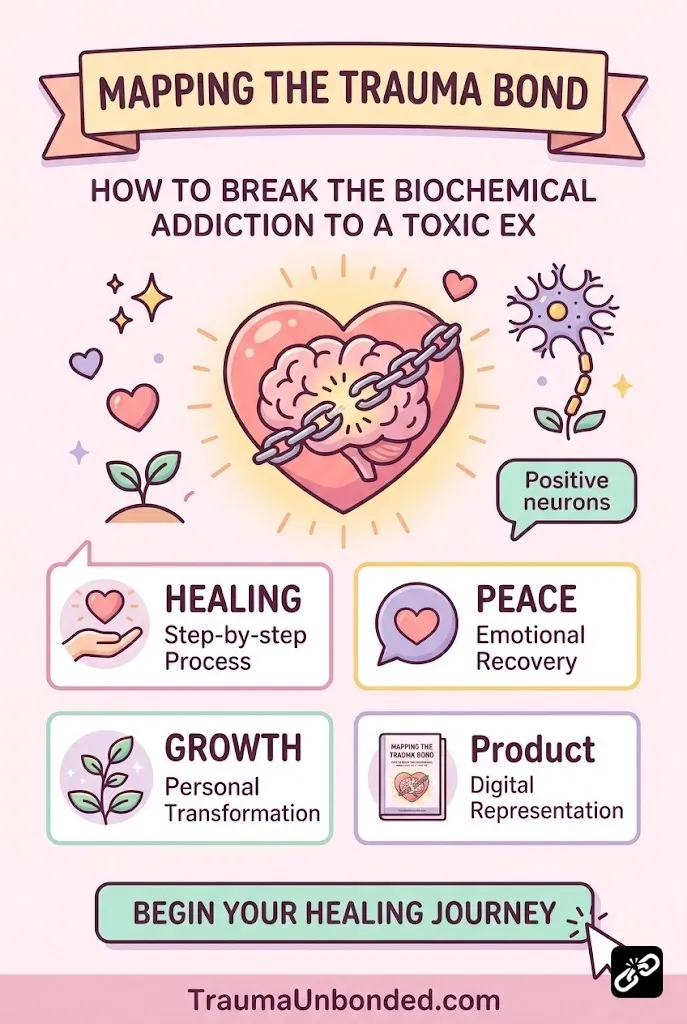
If you are ready to stop being their source of fuel and want to break the chemical hold they have over your life, take a look at the Mapping the Trauma Bond Guide to begin your journey back to yourself.

Meet Your Guide
Helen Brooks
After surviving a 12-year NPD/BPD relationship, I dedicated over a decade to studying trauma bonding and nervous system recovery. My mission is to help you break free from the fog and reclaim your authentic self.
Ready to break the trauma bond and reclaim your life?