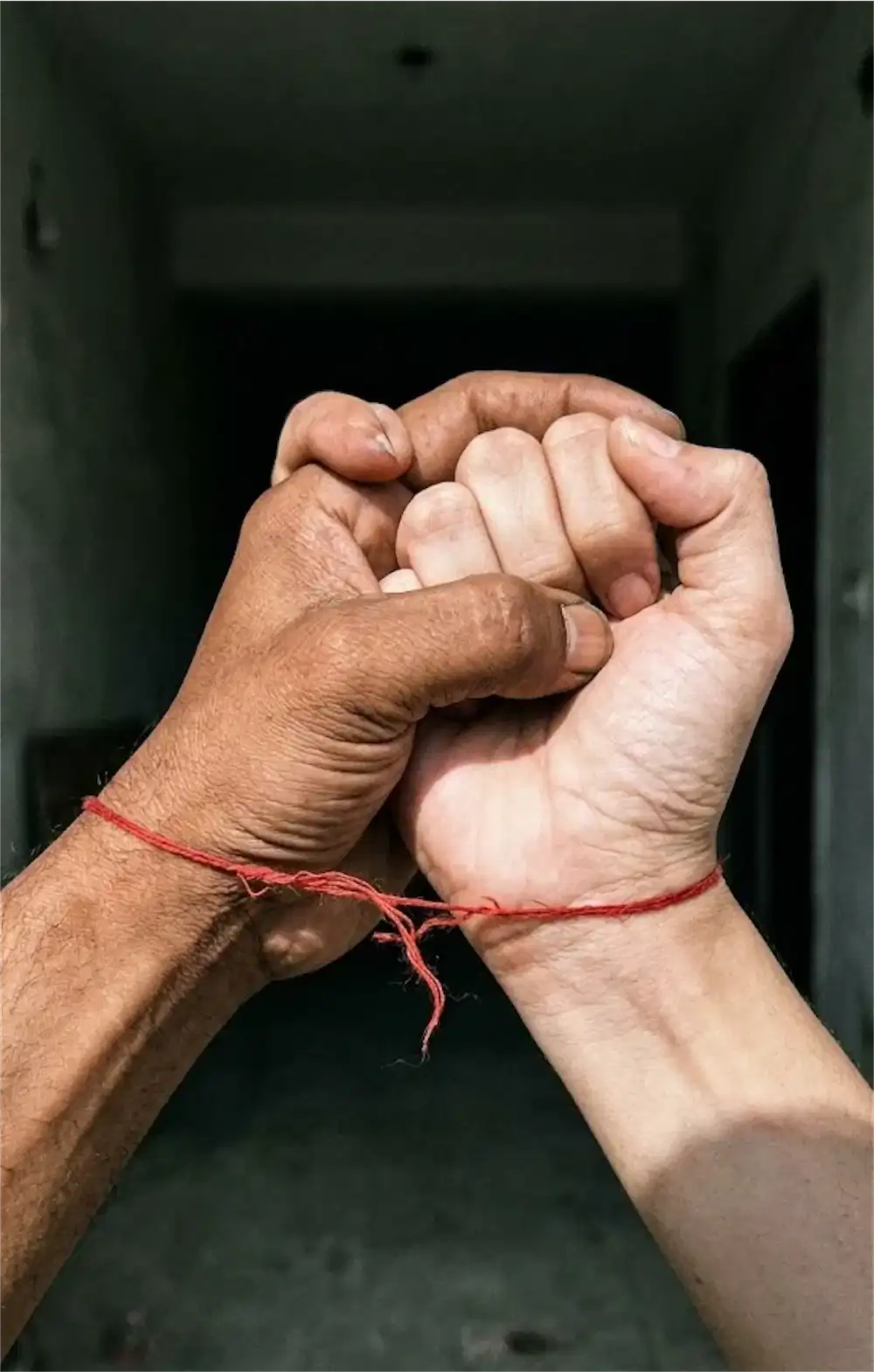
13 Lessons Learned from a BPD Relationship That Lead to Radical Personal Growth
After 12 years with someone who had both BPD and narcissistic traits, I walked away feeling like a shell of who I used to be. My friends had disappeared, my hobbies felt like distant memories, and I couldn’t remember the last time I felt genuinely happy. But here’s what nobody tells you about surviving a relationship with Borderline Personality Disorder dynamics: the lessons you learn will transform you in ways you never imagined possible.
These aren’t lessons I found in textbooks. They came from midnight panic attacks, from learning to decode split episodes, from rebuilding my sense of reality after years of emotional whiplash. Today, I’m not just recovered—I’m stronger, clearer, and more grounded than I was before that relationship even started.
If you’ve loved someone with BPD, you know the chaos. The intensity that feels like passion until it becomes suffocation. The fear of abandonment that turns into actual abandonment of yourself. But buried inside that pain are profound lessons about boundaries, self-worth, and what real love actually looks like.
Lesson 1: You Cannot Fix Another Person’s Emotional Dysregulation
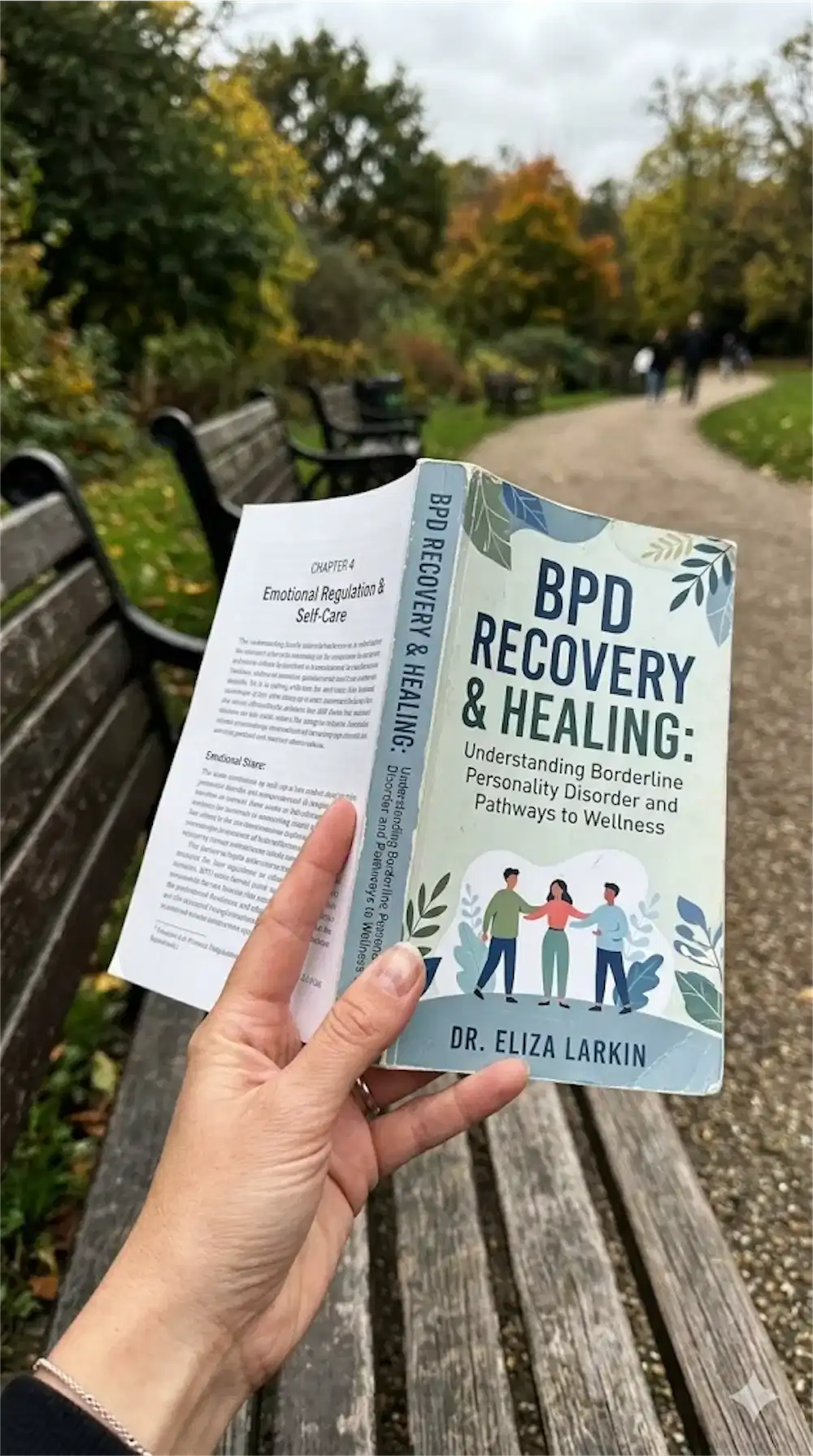
For years, I believed if I just said the right thing, reacted the perfect way, or loved hard enough, I could stabilize their emotional storms. I read every article about Borderline Personality Disorder, memorized calming techniques, and walked on eggshells to avoid triggering an episode.
The truth? Emotional regulation is an inside job. No amount of external reassurance can replace the deep therapeutic work that BPD requires. When someone splits on you—seeing you as all good one moment and all bad the next—that’s their brain’s defense mechanism, not your failure.
I learned this the hard way after a particularly brutal fight where I had documented proof I hadn’t done what they accused me of. Logic didn’t matter. Their emotional reality overrode facts every single time. That’s when I understood: this wasn’t about me being better. This was about them needing professional help that I couldn’t provide.
Lesson 2: Walking on Eggshells Means You’ve Already Lost Yourself
There’s a specific exhaustion that comes from constant hypervigilance. Monitoring your partner’s tone, facial expressions, and mood shifts becomes a full-time job. I stopped expressing opinions that might “upset the balance.” I censored my excitement because it might be “too much” when they were feeling low. I became a ghost in my own life.
The lesson hit me during a family dinner when my sister asked what I wanted to eat. I froze. After years of accommodating someone else’s preferences, triggers, and dietary restrictions based on their current emotional state, I genuinely couldn’t remember what I liked anymore.
Recovery meant relearning my preferences—what music made me happy, which foods I actually enjoyed, what activities brought me peace. I started small. Ordered my coffee the way I wanted it. Chose the movie without polling anyone. These tiny acts of self-reclamation were revolutionary.
Lesson 3: Intensity Is Not the Same as Intimacy
BPD relationships often feel intoxicating at first. The emotional intensity, the dramatic declarations of love, the feeling that you’re the only person who truly understands them—it mimics profound connection. I mistook that chaos for passion for over a decade.
Real intimacy is calm. It’s consistent. It doesn’t require constant crisis to feel alive. When I finally experienced a healthy relationship after my BPD breakup, the peace actually scared me. I had become so addicted to drama that stability felt boring.
I had to rewire my nervous system to recognize that boring was safe. That not having a crisis every week was normal. That love shouldn’t feel like riding a rollercoaster in the dark. Books like “Attached” by Amir Levine helped me understand attachment theory and why I kept choosing chaos over calm.
Lesson 4: Boundaries Aren’t Cruel—They’re Necessary for Survival
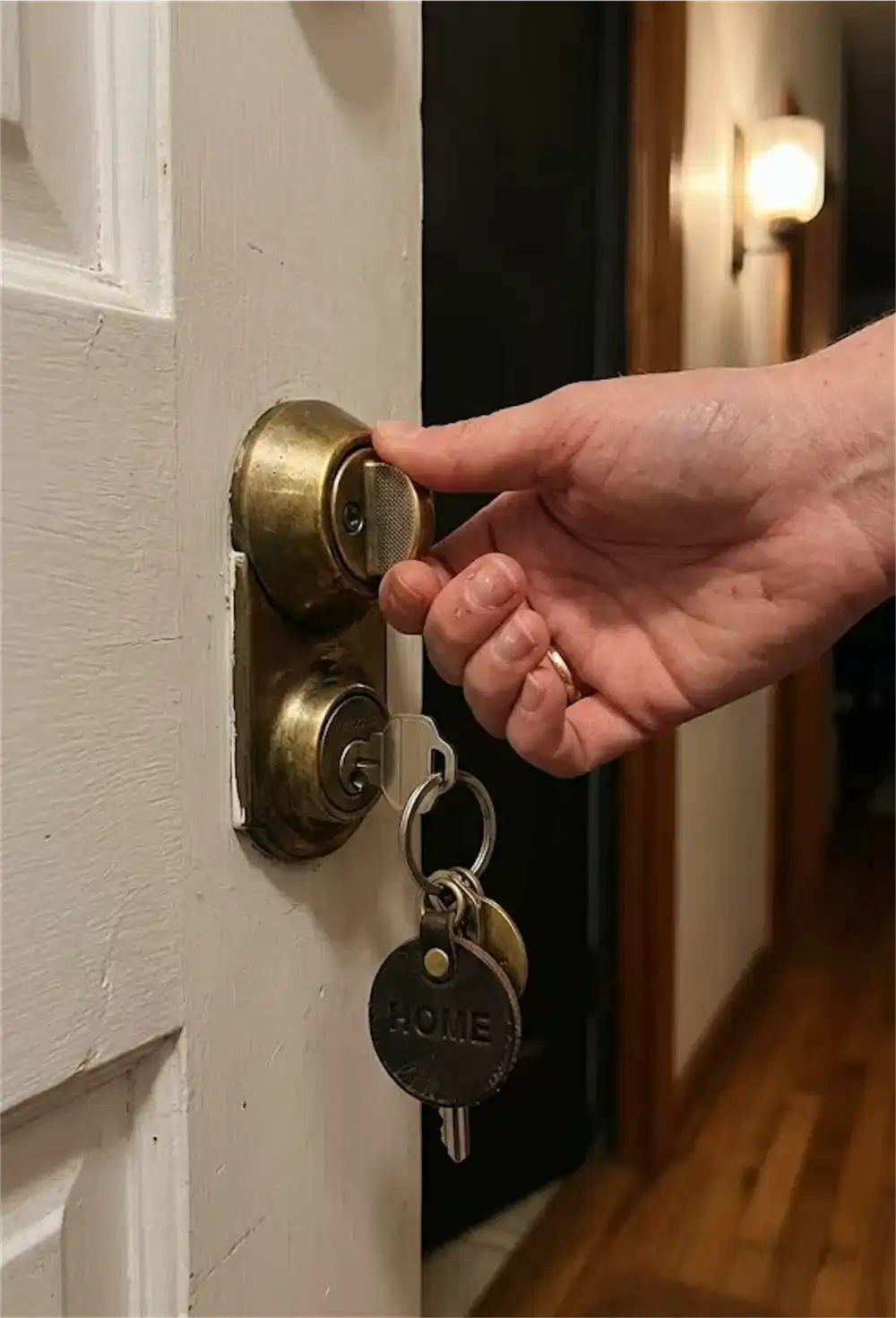
Setting boundaries with someone who has BPD often triggers their deepest fear: abandonment. When I finally said “I can’t talk right now, I need space,” it was met with accusations of not caring, threats of self-harm, or hours of frantic calls and texts.
I learned that their reaction to my boundary didn’t invalidate my need for it. You can have compassion for someone’s mental illness while still protecting your own mental health. These aren’t mutually exclusive.
The boundary that changed everything for me was deciding I wouldn’t engage during rage episodes. I would calmly state, “I can see you’re upset. I’m going to give us both space, and we can talk when we’re both calm.” Then I’d leave. The first few times felt brutal. Eventually, it became my lifeline to sanity.
Lesson 5: You’re Allowed to Grieve the Person They Pretended to Be
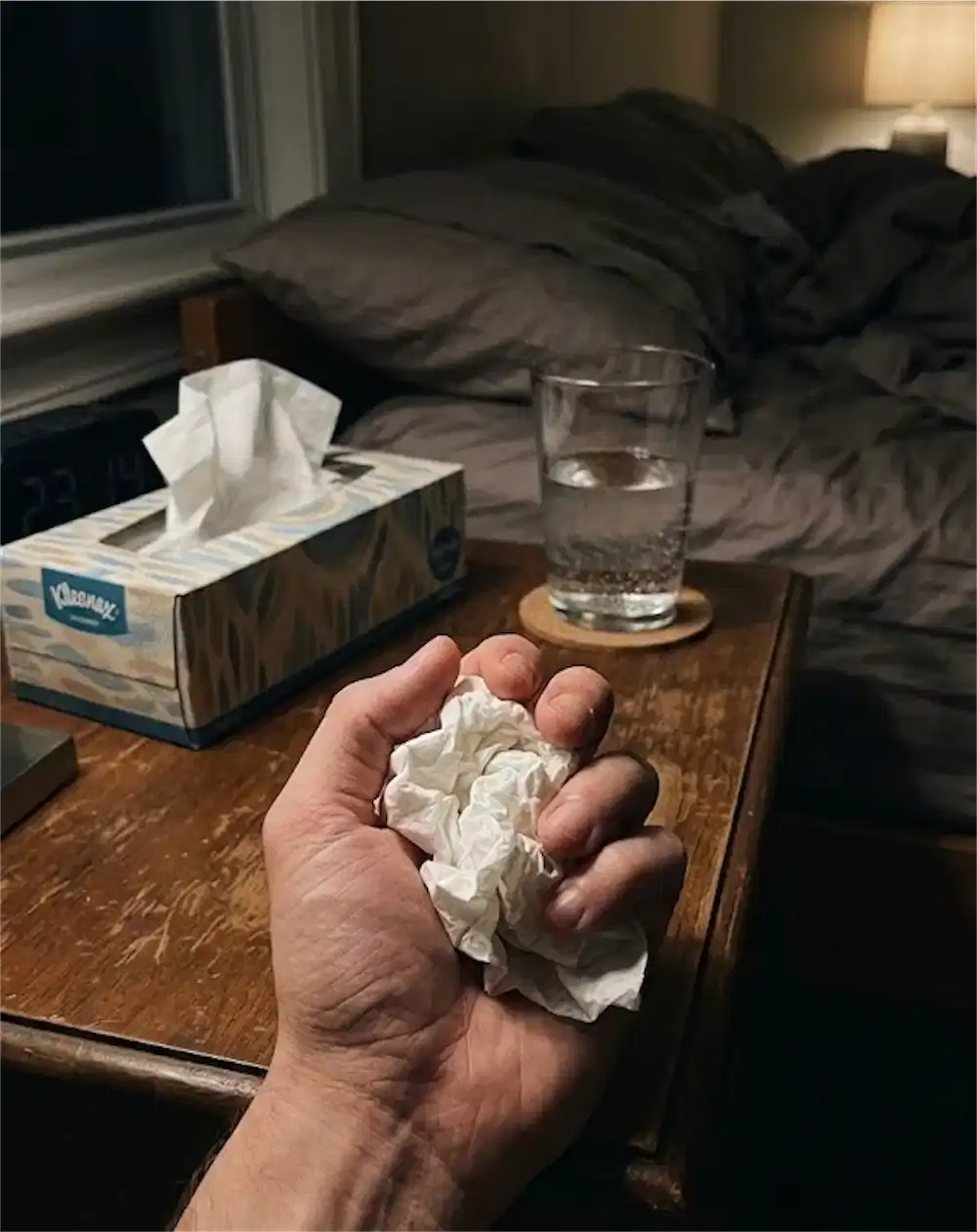
The person I fell in love with at the beginning—charming, attentive, deeply understanding—wasn’t entirely real. That version was idealization, the first stage of the BPD relationship cycle. When the devaluation phase hit, I kept desperately trying to get back to that initial connection.
Therapy helped me understand I was mourning someone who never fully existed. The real person had always been there, struggling with identity disturbance and emotional instability. I had just been shown a curated version designed to secure attachment.
Allowing myself to grieve that fantasy was painful but necessary. I wrote letters I never sent, looked through old photos, and let myself cry for what I thought we had. That grief process was just as valid as mourning an actual death, because in many ways, it was.
Lesson 6: Codependency Feels Like Love Until You’re Drowning
I became an expert at managing their emotions, predicting their needs, and sacrificing my well-being for their temporary stability. When you’re codependent, you derive your worth from being needed. BPD relationships are codependency on steroids.
The wake-up call came when I realized I had no identity separate from them. My hobbies were gone. My friends had stopped calling. My entire day revolved around their emotional state. I wasn’t a partner—I was a life support system.
Breaking codependency required learning to sit with their discomfort without rushing to fix it. When they were upset and I didn’t immediately drop everything to soothe them, the guilt was crushing. But slowly, I rebuilt my own life. Started exercising again. Reconnected with old friends. Remembered what brought me joy independent of them.
Lesson 7: Your Reality Matters, Even When Gaslighting Says It Doesn’t
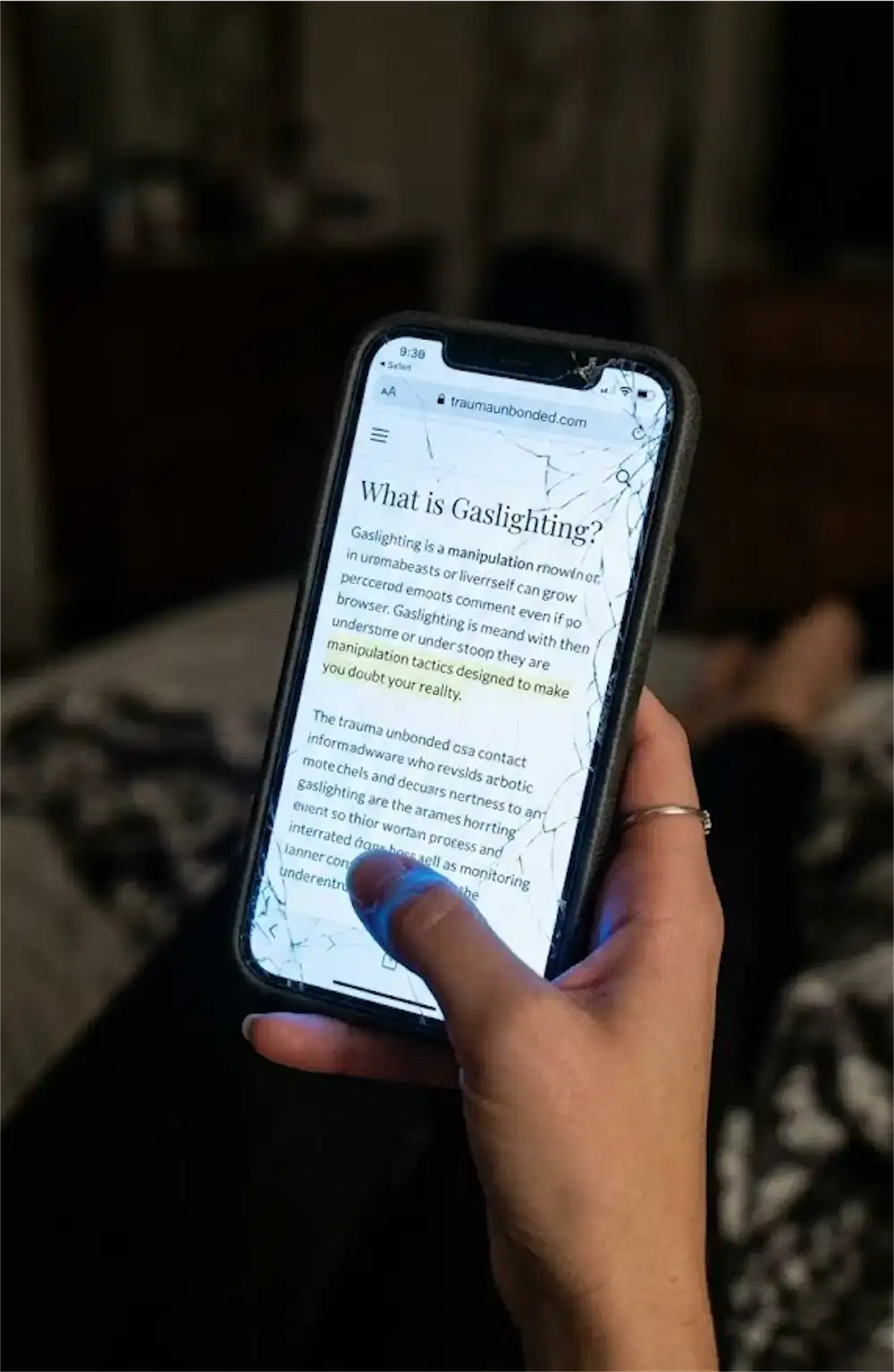
One of the most destabilizing aspects of BPD relationships is the constant reality distortion. Something would happen, and within hours, they’d have a completely different memory of events. I started recording conversations and taking screenshots just to prove I wasn’t losing my mind.
People with BPD aren’t always intentionally gaslighting—their emotional reality genuinely overrides objective facts. But the impact on you is the same: chronic self-doubt and questioning your own perception.
I kept a private journal documenting events exactly as they happened. When they’d insist I said something I never said, or deny something I witnessed with my own eyes, I’d check my notes. That journal became my anchor to reality. It validated that I wasn’t crazy, just trapped in someone else’s emotional hurricane.
Lesson 8: Therapy Isn’t Optional—It’s the Only Way Through
I tried to white-knuckle my way through recovery at first. Read self-help books, listened to podcasts, joined online support groups. All helpful, but not enough. The trauma from 12 years of emotional instability, fear of abandonment triggers, and constant crisis had fundamentally altered my nervous system.
A trauma-informed therapist who specialized in personality disorders changed my life. We worked on complex PTSD symptoms, rebuilt my sense of self, and addressed my own attachment wounds that made me vulnerable to this dynamic in the first place.
If you can’t afford traditional therapy, look into sliding-scale clinics, online platforms like BetterHelp, or university training programs. The investment in professional help will save you years of suffering. Trust me—I wasted two years trying to DIY my healing before finally getting proper support.
Lesson 9: The Cycle Will Repeat Unless You Choose Differently
After my relationship ended, I noticed myself attracted to the same emotional unavailability in new people. The drama felt familiar, almost comfortable. That’s when I learned about repetition compulsion—our unconscious drive to recreate familiar patterns, even painful ones.
Breaking the cycle meant doing deep work on my childhood attachment patterns. I had to explore why chaos felt like home, why I equated love with rescuing someone, and why healthy people seemed “boring” to me.
I created a list of non-negotiables for future relationships: emotional stability, ability to self-soothe, respect for boundaries, and consistent behavior. When I met someone who checked those boxes but didn’t trigger that addictive intensity, I chose them anyway. Best decision I ever made.
Lesson 10: Self-Compassion Is Revolutionary After Years of Self-Abandonment
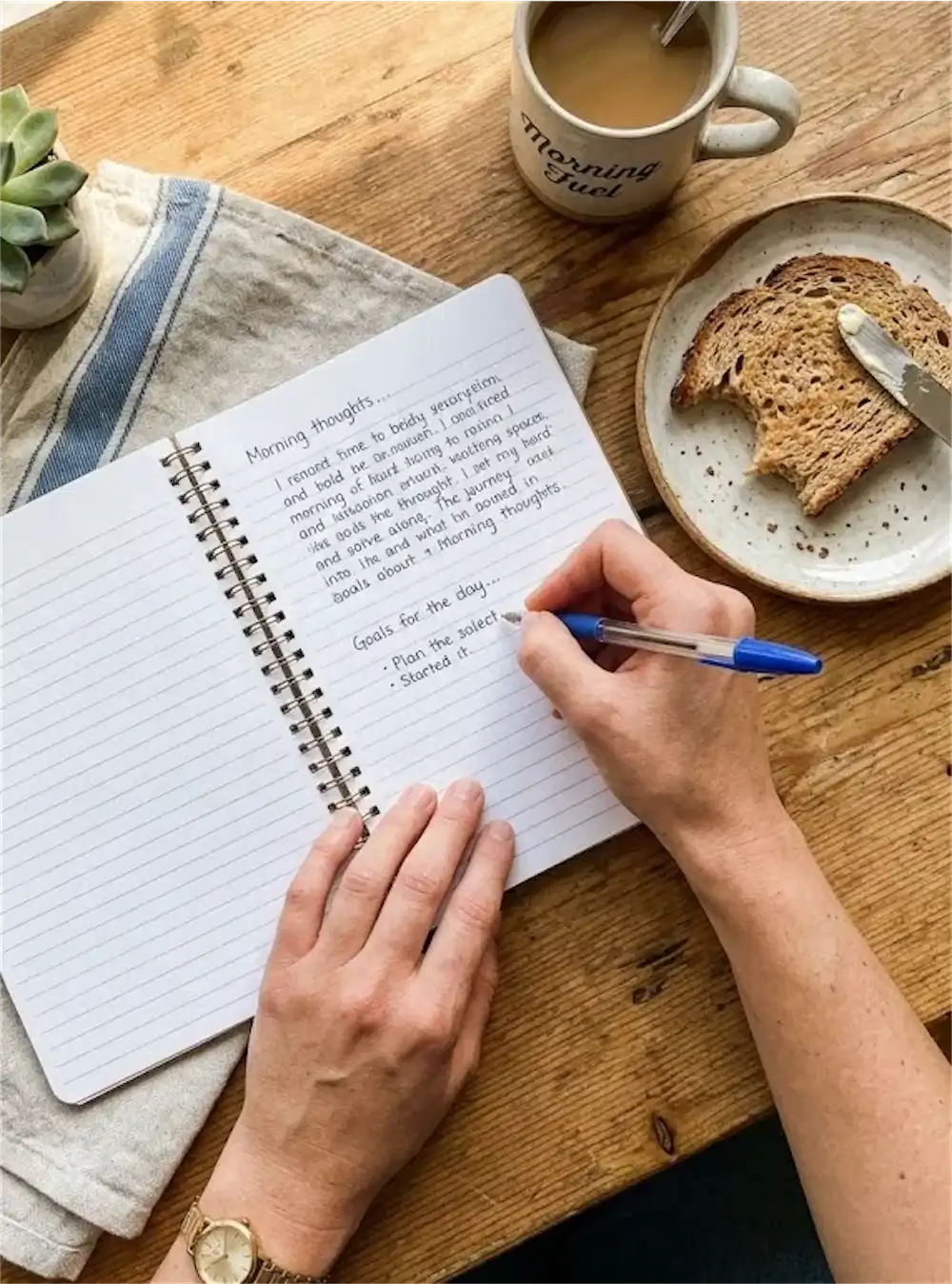
I spent years criticizing myself for not being enough—not patient enough, not understanding enough, not loving enough to “fix” them. The negative self-talk was relentless. When the relationship ended, that inner critic turned the volume up even higher.
Learning self-compassion felt awkward at first. I started with simple affirmations: “I did the best I could with what I knew.” “It’s okay to have needs.” “I deserve peace.” I used guided self-compassion journals to reframe my inner dialogue.
The real breakthrough came when I started treating myself with the same kindness I’d shown my partner during their worst moments. Why did they deserve endless patience for their struggles but I deserved harsh judgment for mine? That double standard had to end.
Lesson 11: You Can’t Pour From an Empty Cup—Prioritize Your Needs First
The constant emotional labor of managing someone else’s BPD symptoms left me completely depleted. I had nothing left for myself, let alone anyone else. I developed stress-related health issues, chronic fatigue, and anxiety that manifested physically.
Recovery taught me that self-care isn’t selfish—it’s survival. I established non-negotiable routines: morning walks, therapy appointments, time with friends, hobbies that brought me joy. When I felt guilty for “choosing myself,” I reminded myself that I couldn’t help anyone from a place of total depletion.
The irony is that by putting myself first, I became a better friend, family member, and eventually partner to someone healthy. You can’t show up authentically for others when you’ve abandoned yourself.
Lesson 12: Healing Isn’t Linear—And That’s Completely Normal
I expected recovery to be straightforward: leave the relationship, feel sad, do therapy, get better. Instead, it was messy. Some days I felt strong and empowered. Other days I missed them desperately and questioned if I’d made a mistake.
Trauma bonds don’t dissolve overnight. Your brain literally becomes addicted to the cycle of conflict and reconciliation. When I had a setback—crying over an old photo or feeling the urge to reach out—I learned to treat myself with patience instead of judgment.
Tracking my progress in a journal helped me see the bigger picture. Yes, I had hard days. But they became less frequent and less intense over time. Healing happens in spirals, not straight lines. You revisit the same issues at deeper levels until they finally release their grip.
Lesson 13: Radical Personal Growth Comes From Choosing Yourself
The most profound lesson from my BPD relationship is this: growth happens when you finally choose yourself over the relationship. Not out of anger or spite, but from deep self-respect and recognition of your inherent worth.
Today, I’m not the same person who entered that relationship 12 years ago. I’m clearer about my values, firmer with my boundaries, and more connected to my authentic self. I can spot red flags immediately. I know the difference between genuine connection and manufactured intensity.
The growth didn’t come from the relationship itself—it came from the decision to leave and do the painful work of rebuilding. From facing my codependency, healing my attachment wounds, and learning that love shouldn’t require self-abandonment.
If you’re reading this while still in a BPD relationship, wondering if things will ever change, I want you to know: they might seek treatment and improve, or they might not. But you can change. You can choose differently. You can walk away and rebuild a life that doesn’t revolve around managing someone else’s emotions.
Moving Forward: Integration Over Perfection
These 13 lessons didn’t arrive neatly packaged with instructions. They emerged through tears, therapy sessions, setbacks, and small victories. Some took months to learn, others years to truly integrate.
The goal isn’t to become perfect or emotionally invincible. It’s to develop the self-awareness and tools to recognize unhealthy dynamics early and choose differently. It’s about building a relationship with yourself that’s so solid, no amount of external chaos can shake your foundation.
Recovery from a BPD relationship is possible. The person you were before all this pain? They’re still in there, waiting to come back home to themselves. And the person you’ll become after doing this work? Even stronger than you can imagine right now.
You didn’t cause their BPD. You can’t cure it. You can’t control it. The only thing you can control is your response—and whether you’re willing to choose yourself, even when it feels impossible.
That choice is where radical personal growth begins.
Recommended Resources
Based on my own recovery journey, these resources made a genuine difference when I needed them most:
- Stop Walking on Eggshells – The definitive guide for understanding BPD relationships and protecting your well-being while in or after one
- Codependent No More by Melody Beattie – Essential reading for breaking codependent patterns that keep you stuck in toxic dynamics
- Therapy Insights: Toxic Attraction Cycle – Understanding why we’re drawn to emotionally unavailable partners
- Trauma Recovery Workbooks – Structured exercises for processing complex PTSD from long-term emotional abuse
- Recovery Tools – Practical resources and strategies for daily healing
Remember: books and tools are helpful, but they work best alongside professional therapy. You deserve expert support as you navigate this recovery journey.
Meet Your Guide
Helen Brooks
After surviving a 12-year NPD/BPD relationship, I dedicated over a decade to studying trauma bonding and nervous system recovery. My mission is to help you break free from the fog and reclaim your authentic self.
Ready to break the trauma bond and reclaim your life?