5 Things I Learned After 12 Years with a Narcissist and Their Life After the Split
I spent twelve years thinking I could love someone enough to change them. Twelve years walking on eggshells, second-guessing my reality, and slowly losing pieces of myself I didn’t even know were disappearing. When the relationship finally ended, I wasn’t relieved. I was terrified.
My ex had traits of both Narcissistic Personality Disorder (NPD) and Borderline Personality Disorder (BPD). That combination created a relationship that swung between intense adoration and brutal devaluation. One day I was their everything. The next, I was the reason for every problem in their life.
The breakup didn’t bring clarity right away. It brought confusion, grief, and an obsessive need to understand what just happened to me. Through therapy, reading everything I could find, and painfully honest self-reflection, I learned five things that changed how I see narcissistic relationships forever.
And I also learned what happens to them after you leave.
Thing 1: They Truly Believe Their Own Lies
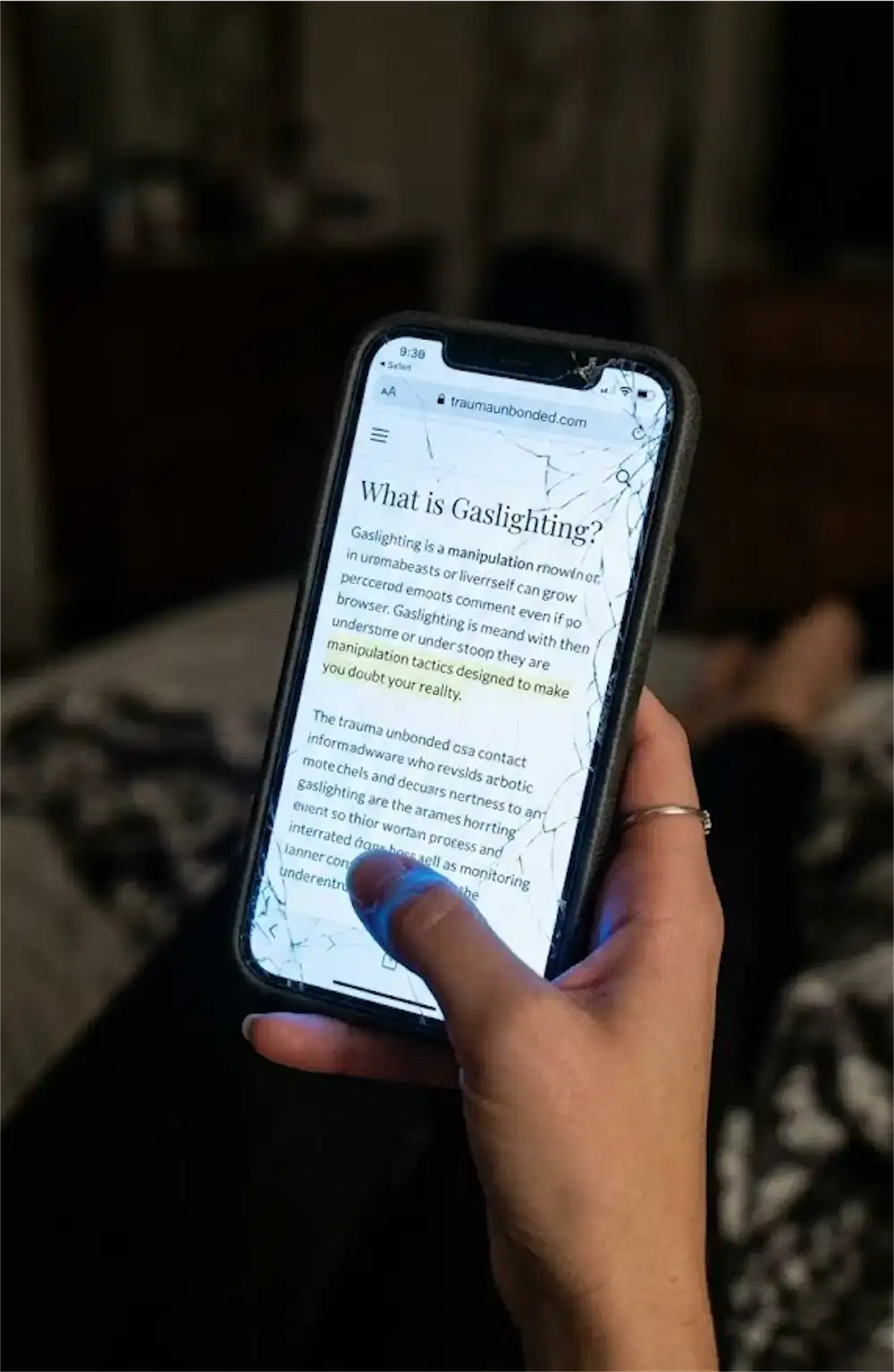
For years, I thought my ex was intentionally lying to manipulate me. That’s partly true. But here’s what shocked me: they also believed their own version of events. Completely.
Narcissists don’t experience reality the way most people do. Their brain rewrites history to protect their fragile self-image. If admitting fault threatens their sense of superiority, their mind will literally alter the memory. This isn’t a conscious choice. It’s a defense mechanism so powerful that they can pass a lie detector test about events that never happened.
I remember one fight where my ex screamed at me for two hours, called me horrible names, and threw a glass across the room. Two days later, they calmly told me I was the one who “lost control” and they had spent the evening trying to “calm me down.” When I brought up the glass, they looked genuinely confused. “That was an accident. You’re always twisting things.”
Dr. Ramani Durvasula, a clinical psychologist specializing in narcissistic abuse, explains that narcissists engage in “reality distortion” to maintain their self-concept. They’re not lying to you. They’re lying to themselves first. You just happen to be collateral damage.
This realization was both horrifying and liberating. Horrifying because it meant I could never get a genuine apology or acknowledgment. Liberating because I stopped waiting for one.
Thing 2: The Mask Only Falls When You’re No Longer Useful
In the beginning, my ex was everything I’d ever wanted. Attentive, charming, seemingly obsessed with making me happy. Friends told me I was lucky. I thought I’d finally found “the one.”
That version of them wasn’t real. It was a mask designed to secure narcissistic supply—attention, admiration, control, emotional energy. As long as I provided what they needed, the mask stayed on. The moment I started setting boundaries, questioning inconsistencies, or simply having needs of my own, the mask cracked.
The shift wasn’t dramatic at first. Small criticisms. Subtle put-downs disguised as jokes. Slowly, I became the problem. I was “too sensitive,” “too needy,” “too much.” By year eight, I barely recognized myself. I’d become a shell of a person, constantly trying to earn back the love they showed me in month two.
Here’s what I wish I’d known: that early perfection wasn’t love. It was love bombing, a manipulation tactic to create dependency. Once I was hooked, my actual value as a human being didn’t matter anymore. I was only valuable for what I could provide.
If you’re recovering from this, I highly recommend Psychopath Free by Jackson MacKenzie. It breaks down manipulation tactics in a way that finally made me stop blaming myself.
Thing 3: Leaving Doesn’t Stop the Chaos in Your Head
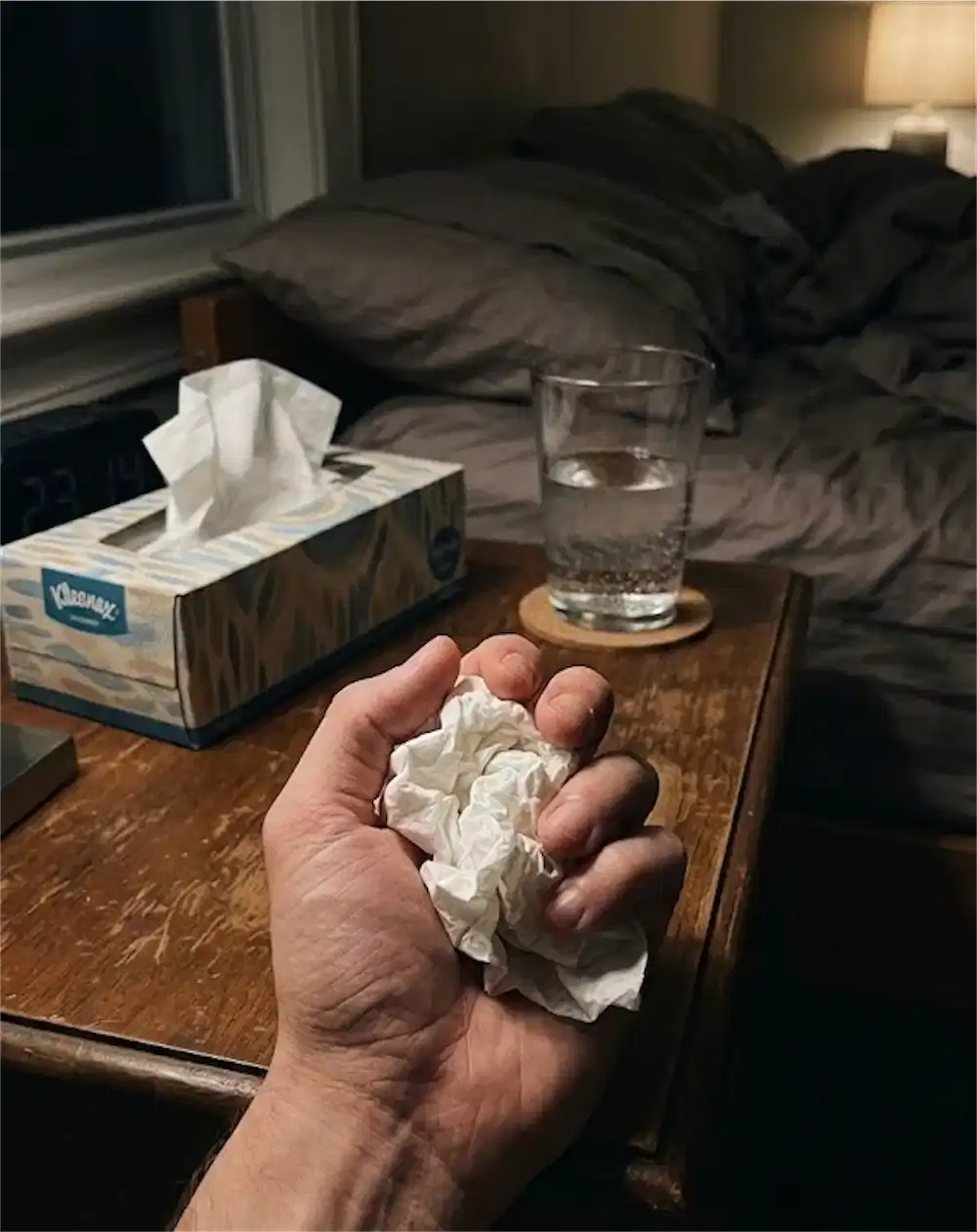
I thought leaving would bring peace. Instead, it brought a different kind of hell.
The relationship was over, but my brain was still wired to the chaos. I woke up in a panic every morning. I checked my phone obsessively, half-dreading and half-hoping for a message. I replayed every conversation, every fight, every moment of tenderness, trying to figure out what was real.
This is what trauma bonding does. It’s not just emotional attachment. It’s a neurological addiction. Your brain becomes dependent on the cycle of fear and relief, pain and comfort. When the relationship ends, your nervous system goes into withdrawal.
I spent months feeling like I was losing my mind. I couldn’t focus. I couldn’t sleep. I felt pulled back to them even though I knew they were toxic. That’s not weakness. That’s biology. According to research on intermittent reinforcement, unpredictable rewards create stronger behavioral conditioning than consistent ones. Slot machines work the same way.
Healing the chaos in my head took longer than the breakup itself. Therapy helped. So did learning about codependency and understanding that my addiction wasn’t to them—it was to the role I played in keeping them stable.
If you’re in this phase, be patient with yourself. Your brain is healing from something real. It’s not “just a breakup.” It’s trauma.
Thing 4: They Move On Fast—But It’s Not Real

Three weeks after our breakup, my ex was in a new relationship. Three weeks. After twelve years.
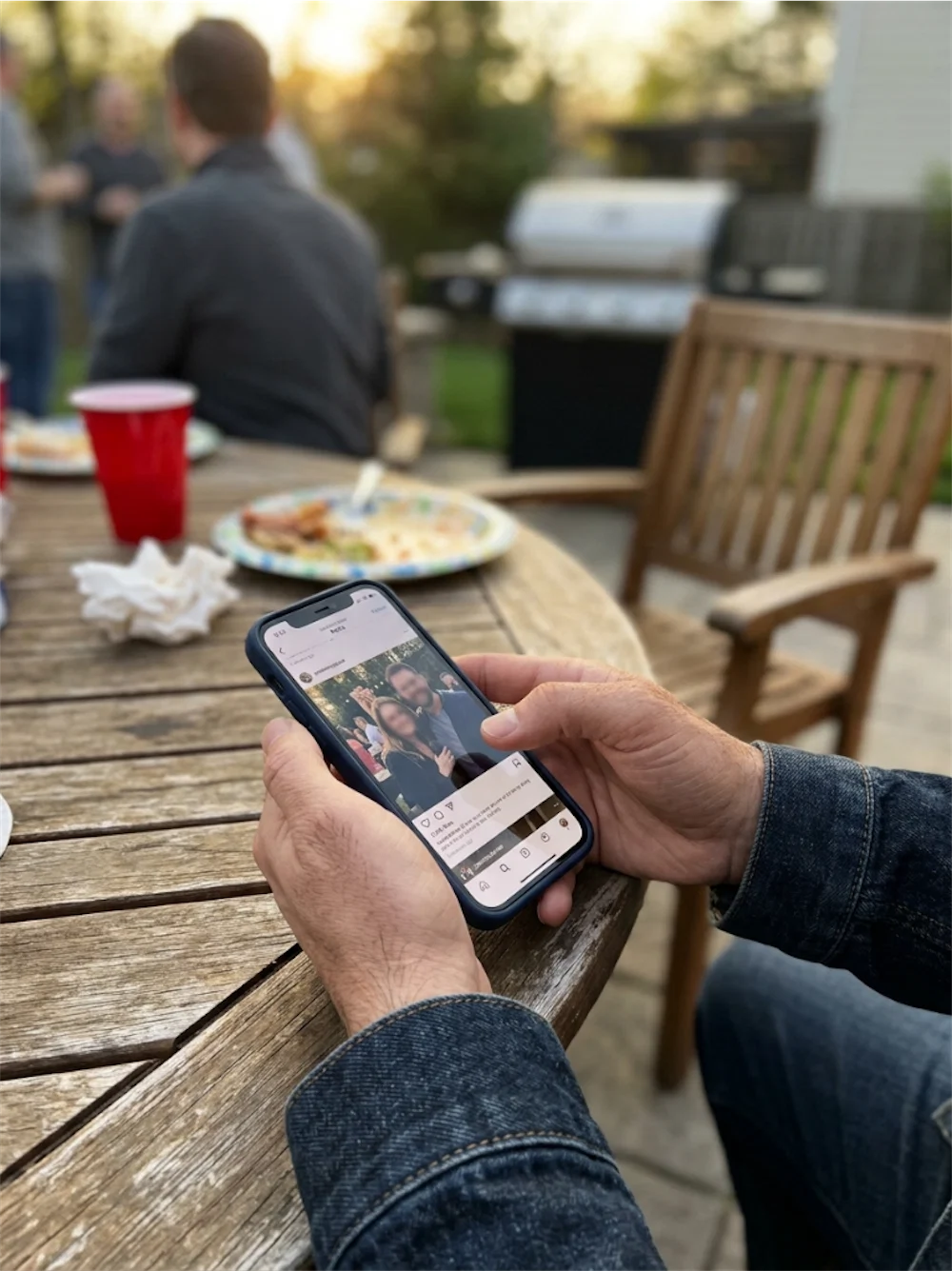
I was still crying in the shower every morning, and they were posting pictures with someone new, looking happier than they ever did with me. It felt like proof that I was the problem. That everything they said about me was true. That I was unlovable, broken, and easily replaced.
Here’s the truth I learned later: narcissists don’t move on. They move fast. There’s a difference.
They can’t handle being alone because being alone means facing themselves. They need constant validation, attention, and distraction. So they line up the next source of supply before the current one is gone. Sometimes they overlap. Most of the time, actually.
That new person isn’t experiencing something better than you did. They’re experiencing the same cycle you did—just earlier in the timeline. The love bombing. The promises. The perfect mirroring of everything they ever wanted. And eventually, the devaluation. It’s not personal. It’s pattern.
When I stopped obsessing over their new relationship and started focusing on my own healing, something strange happened. I stopped caring. Not because I was over it, but because I finally understood it wasn’t about me. I could’ve been anyone. They don’t love people. They consume them.
If you’re struggling with this, read how to stop checking your ex’s social media. It saved my sanity more than once.
Thing 5: Your Recovery Reveals Who They Really Were
The fog doesn’t lift all at once. It clears in painful, humiliating waves.
Six months into therapy, I started seeing patterns I’d never noticed. The way they isolated me from friends. The way they’d start fights right before important events in my life. The way they punished me with silence whenever I expressed a need. The way they’d apologize just enough to keep me around, but never enough to actually change.
A year in, I realized they’d never asked me a single deep question about my childhood, my dreams, or my fears. They knew my favorite coffee order, but they didn’t know me. They never wanted to.
Two years in, I understood that I wasn’t in love with them. I was in love with the potential I projected onto them. I was in love with the person I needed them to be so my sacrifice would be worth it.
Recovery is brutal because it forces you to see what you couldn’t see before. It forces you to admit you stayed too long. That you ignored red flags. That you betrayed yourself over and over to keep someone who never truly valued you.
But here’s the other side of that coin: recovery also reveals who you really are. Beneath the self-doubt, beneath the conditioning, beneath the trauma. You find the version of yourself you abandoned to survive them.
For me, that person was stronger, funnier, and more grounded than I remembered. Therapy gave me tools. Books gave me language. But time gave me myself back.
If you’re early in this process, check out self-healing tips for narcissistic abuse survivors. You’re not starting over. You’re coming home.
What Their Life Looks Like After the Split
People always ask me: “Do you think they ever think about you? Do they regret it?”
Honestly? No. Not in the way you hope.
Narcissists don’t reflect. They deflect. After the split, their life looks busy. New relationships, new projects, new social circles. They post, they perform, they thrive—on the surface.
But here’s what’s happening underneath: they’re repeating the same cycle with someone new. The same love bombing. The same control tactics. The same inevitable devaluation. They’re not happier. They’re just distracted.
Some get worse. Without you to regulate their emotions or absorb their chaos, they spiral. Some develop new addictions. Some burn through relationships faster. Some retreat into isolation and rage.
Others get better at hiding it. They learn what works and what doesn’t. They become more calculated, more polished. That’s not growth. That’s adaptation. A predator learning from past hunts.
The hardest truth? They probably don’t think about you much at all. Not because you didn’t matter, but because you were never a full person to them. You were a function. And once that function is gone, so is the memory of you.
That sounds harsh. But for me, it was freedom. It meant I could stop performing for an audience that never cared. I could stop waiting for closure that would never come. I could stop hoping they’d wake up one day and realize what they lost.
They won’t. And that’s okay. Because your healing doesn’t depend on their awareness.
Recommended Resources
Here are tools that genuinely helped me rebuild after twelve years of losing myself:
- Whole Again by Jackson MacKenzie – Focuses on healing the attachment trauma that keeps you stuck.
- Complex PTSD: From Surviving to Thriving by Pete Walker – Essential for understanding the long-term effects of emotional abuse.
- Trauma Recovery Journal – Structured journaling helped me process emotions I couldn’t speak out loud.
- Why No Contact Works in Narcissistic Abuse – One of the most important boundaries you’ll ever set.
- Long-Term Effects of Narcissistic Abuse and Healing – Validation that what you’re experiencing is real and treatable.
Twelve years taught me what I don’t want. The years after taught me who I actually am. You’ll get there too. One painful, honest step at a time.

Meet Your Guide
Helen Brooks
After surviving a 12-year NPD/BPD relationship, I dedicated over a decade to studying trauma bonding and nervous system recovery. My mission is to help you break free from the fog and reclaim your authentic self.
Ready to break the trauma bond and reclaim your life?