6 Practical Self-Healing Tips for Narcissistic Abuse Survivors (From Real Therapy)
If you are reading this, chances are you already know something is wrong. Maybe you just left. Maybe you left months ago and still feel like you are slowly dissolving. Maybe you are still in it and just started to name what has been happening to you.
I spent 12 years in a relationship with someone who had both narcissistic and borderline traits. Twelve years of walking on eggshells, being told I was too sensitive, watching my confidence quietly disappear. When it ended, I had no hobbies, barely any friends, and I genuinely did not recognize myself anymore. The person I used to be, the cheerful, grounded, curious woman I was before, felt like a stranger.
What got me out was therapy. A lot of it. And a lot of honest, sometimes painful self-work. These six tips are not things I read in a self-help book and passed along. They are what actually moved the needle for me, backed by the psychology and trauma research my therapists pointed me toward along the way.
If you want the bigger picture first, start with what I learned from 12 years with a narcissist. Then come back here for the practical work.
1. Name What Was Actually Done to You
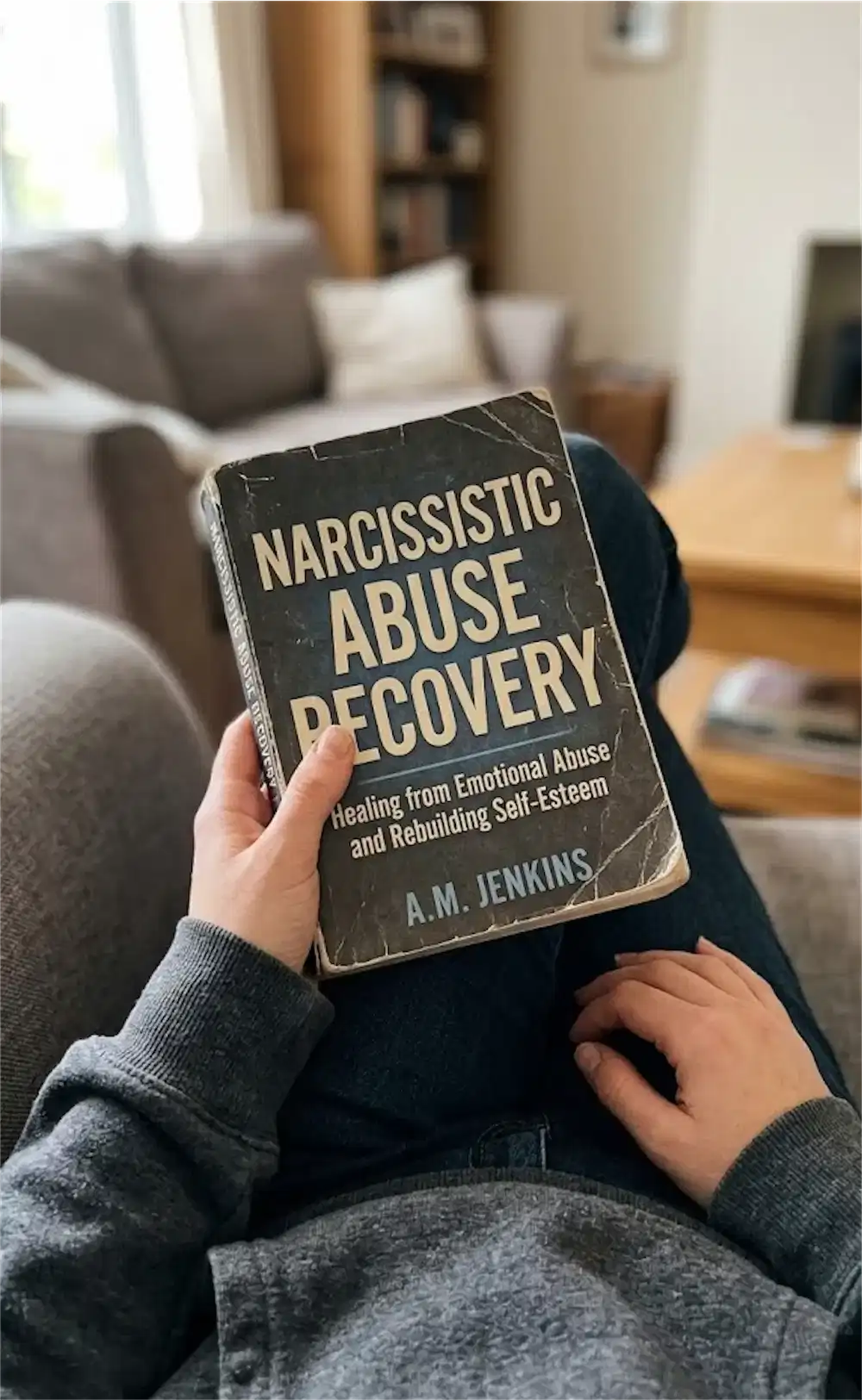
One of the most disorienting things about narcissistic abuse is that it rarely looks like what people picture when they think about abuse. There are no visible bruises. There are just years of your reality being quietly rewritten.
Gaslighting, which is when someone manipulates you into questioning your own memory and perception, was so constant in my relationship that I had genuinely lost the ability to trust my own instincts by the end. I would remember something clearly, and within minutes he would make me feel like I had imagined it. That kind of sustained confusion leaves marks that therapy eventually helped me identify.
A 2024 preprint study found that narcissistic abuse produces symptoms consistent with Complex PTSD, anxiety, and depression, noting that anxiety was the most common reported symptom among survivors, present in over 82% of cases. That is not dramatic. That is documented.
So the first practical thing you can do is sit down, without judgment, and start naming what happened. Not to build a case. Not to tell anyone. Just for yourself. Write it down. Use the real words: gaslighting, devaluation, love bombing, intermittent reinforcement. These are not buzzwords. They are clinical descriptions of things that were done to your nervous system.
When I first heard the term “trauma bond” explained by my therapist, I cried for about an hour. Not because it was sad, but because finally something made sense. If you want a deeper look at how trauma bonding works in these relationships, this piece on the long-term effects of narcissistic abuse breaks it down clearly.
A useful starting point is picking up Why Does He Do That? by Lundy Bancroft. It is one of the first books my therapist handed me, and it was the first time I read something that matched exactly what I had lived.
2. Give Yourself Permission to Grieve Without a Timeline

People kept telling me to “move on.” Friends, family, even people who meant well. What they did not understand, and what took me a long time to understand myself, is that you are not just grieving the person. You are grieving the version of yourself that existed inside that relationship. The years you gave. The possibilities you let go of. The person you were slowly erased into being.
That is a complicated kind of loss. And it does not follow a clean, five-stage schedule.
My therapist introduced me to the work of Pete Walker, a licensed psychotherapist and trauma specialist who has written extensively on Complex PTSD recovery. Walker’s framework emphasizes that grieving in trauma recovery is not self-pity. It is one of the primary healing mechanisms. He describes it as the process through which survivors begin to metabolize old pain, reduce the inner critic’s power, and reconnect with their authentic self.
In practice, giving yourself permission to grieve means:
- Letting yourself cry without deciding you have been crying “too long”
- Acknowledging that some days will feel heavier than others, even months out
- Resisting the urge to fast-track “getting over it” because someone else is uncomfortable
- Allowing anger to exist alongside sadness, because both are part of the loss
One of the most useful tools during my own grief phase was keeping a journal specifically for the relationship, not a daily diary, but a place to write out what I had lost and what I was feeling without editing myself. If you want a structured option, the trauma recovery journals available on Amazon offer guided prompts that help you move through grief instead of circling it.
3. Treat No Contact Like the Medicine It Actually Is
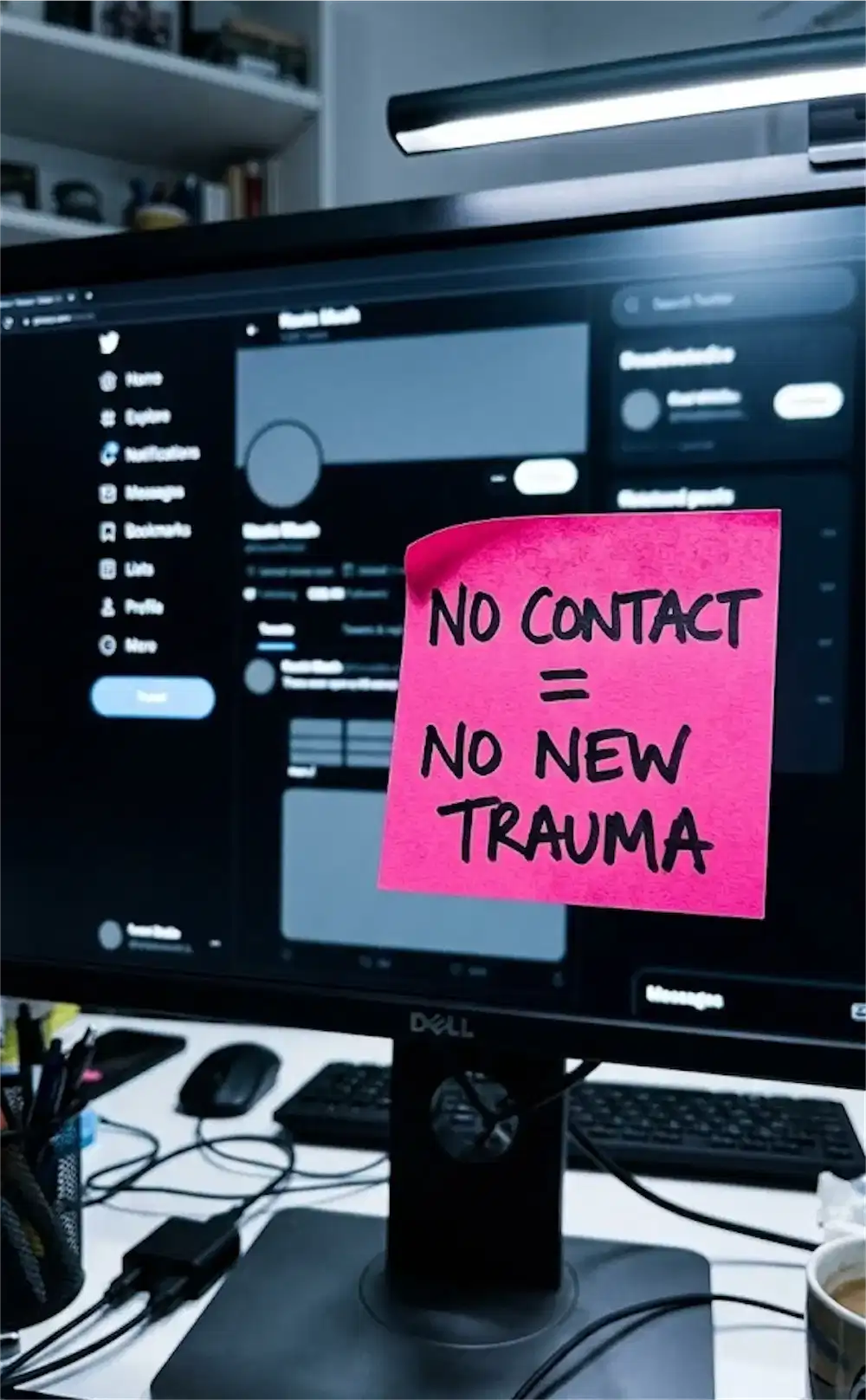
Here is something I wish someone had said to me directly: no contact is not a tactic you use to make them miss you. It is not a power move. It is not cruelty. No contact is the minimum viable condition under which your nervous system can actually start to heal.
When you are still in contact with the person who abused you, every text, every accidental Instagram scroll, every “just checking in” call reactivates the trauma bond. Research published on Psychology Today by licensed therapist Sherry Gaba, LCSW notes that even as a person works to break free from a trauma bond, the abuser is often simultaneously working to pull them back. The word used in the narcissistic abuse community for this is “hoovering.” It is real, and it is predictable.
In my case, maintaining no contact was the hardest thing I have ever done. The pull to respond was physical. It felt like withdrawal, because neurologically, it is. The intermittent reinforcement cycles in these relationships create the same kind of dopamine-driven compulsion seen in addiction.
Practical steps that helped me hold no contact:
- Blocking on every platform immediately, not “when I feel ready”
- Deleting saved conversations so I could not re-read them during weak moments
- Telling one trusted person when I felt the urge to reach out, so I had accountability
- Writing out what I actually wanted to say, then not sending it
For a deeper breakdown of why this works psychologically, read why no contact works for narcissistic abuse recovery. It explains the neuroscience without the fluff.
4. Rebuild Your Identity Through Small, Daily Actions
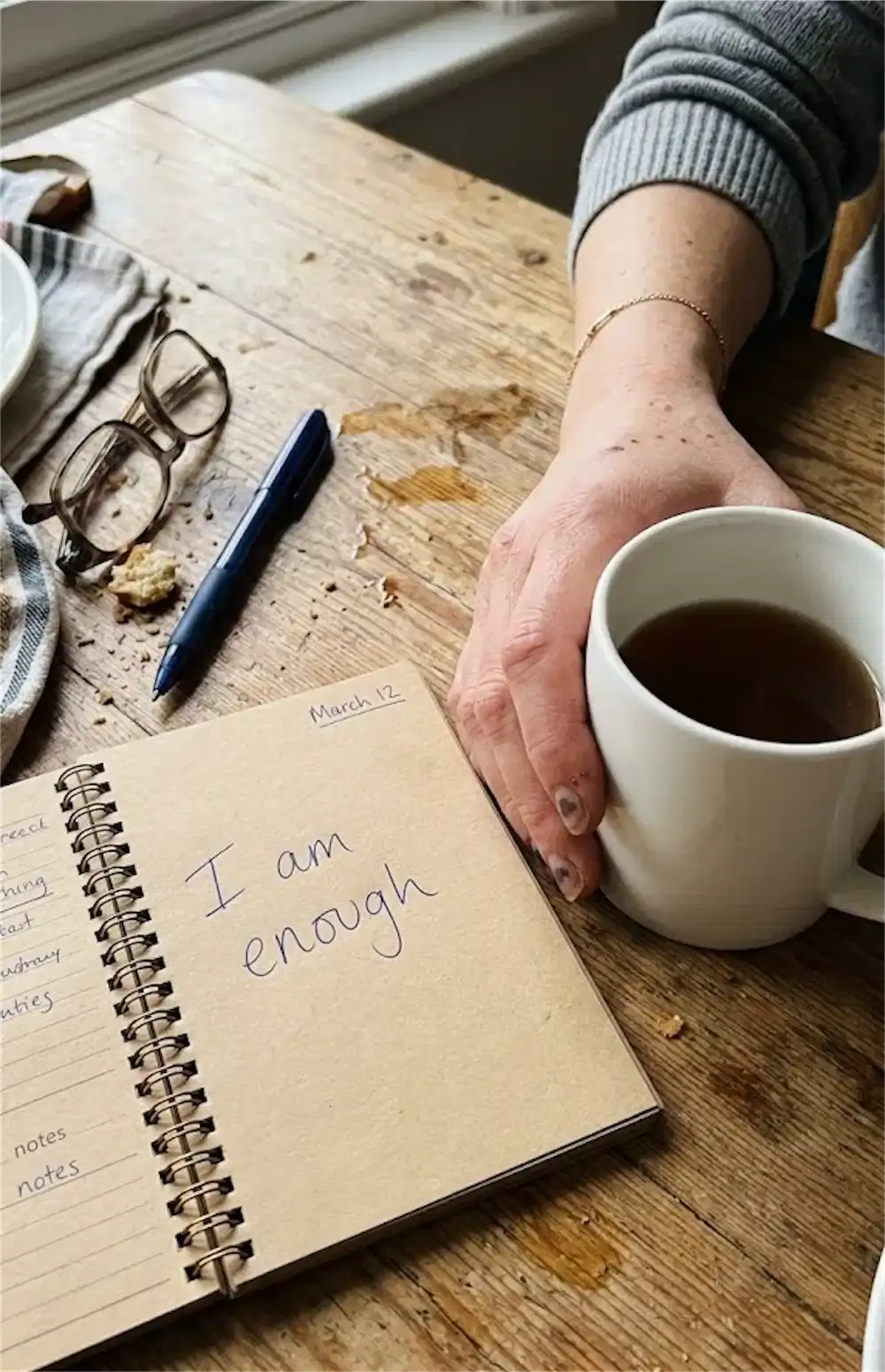
After 12 years, I did not know what I liked anymore. Genuinely. I could not answer questions like “what do you do for fun?” without a long, confused pause. My interests, opinions, even my aesthetic preferences had slowly been replaced by what he approved of. That is identity erosion, and it is one of the quieter, more devastating effects of long-term narcissistic abuse.
Rebuilding does not happen through a single breakthrough. It happens through hundreds of tiny decisions that accumulate over months.
What worked for me:
- Morning pages: Three pages of stream-of-consciousness writing every morning before checking my phone. No editing, no audience. Just my own thoughts taking up space.
- One new micro-commitment per week: A class, a walk, a recipe I wanted to try. Low stakes, but entirely mine.
- Noticing preferences: What music do I actually like when no one is judging? What food do I want when I am only cooking for myself? These felt like small questions. They were not.
- Body-based activities: Exercise, yoga, walking. Not for aesthetics. Because the body holds trauma and it needs movement to process it.
There is real science behind this. Therapy and coaching that focuses on codependent patterns can shift those destructive cycles for a sustainable, positive future, according to licensed therapist Sherry Gaba. The shift starts small, but it is cumulative.
Two books that specifically helped me with this phase were The Body Keeps the Score by Bessel van der Kolk, which explains what long-term stress and abuse does to the nervous system, and Complex PTSD: From Surviving to Thriving by Pete Walker, which is one of the most practically useful trauma recovery guides I have come across. Pete Walker is a licensed psychotherapist and trauma survivor himself, and his work specifically addresses the kind of prolonged relational abuse that leaves people with C-PTSD symptoms.
5. Address Codependency Directly, Not Just the Breakup
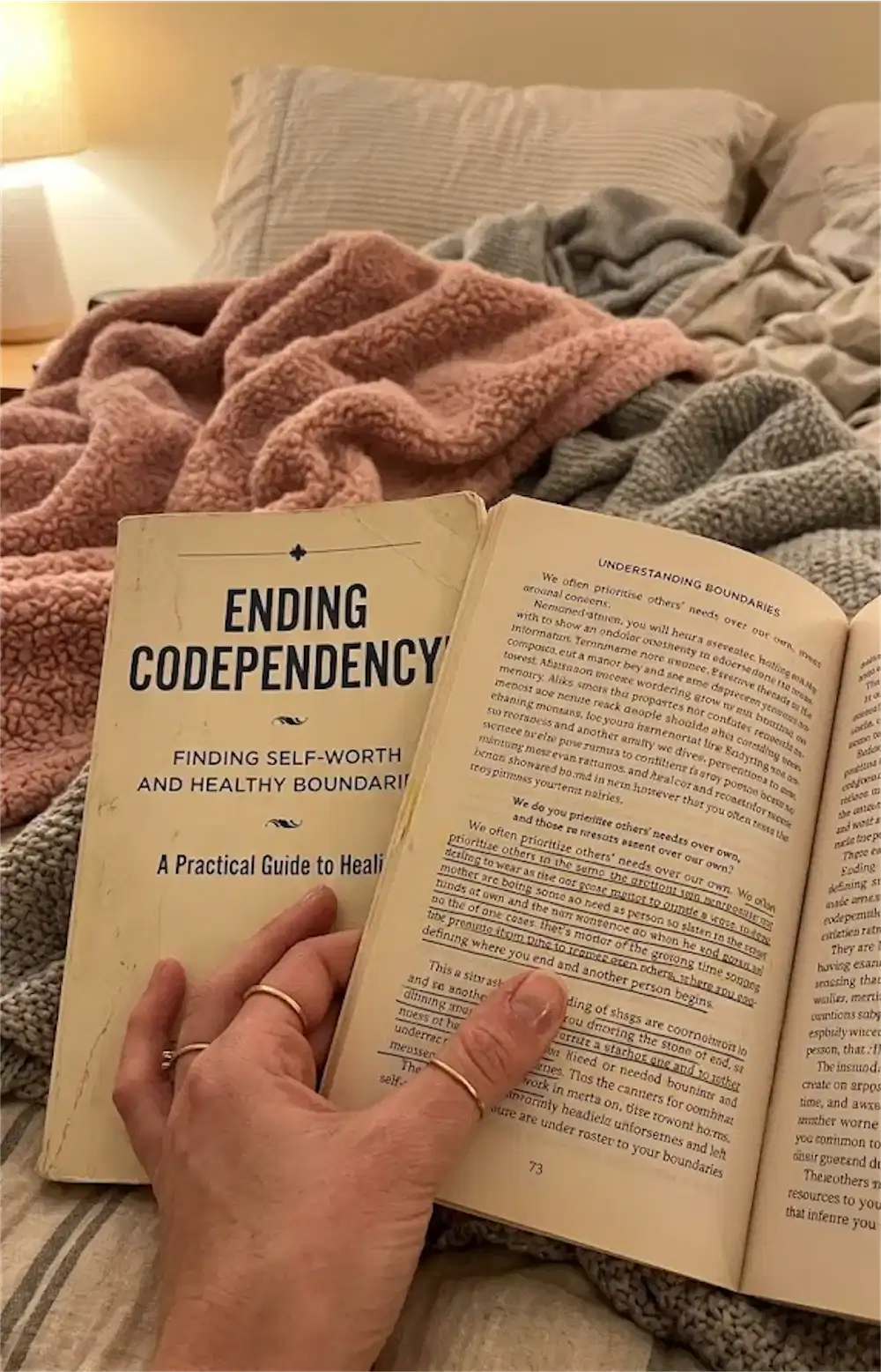
This is the tip most people skip, and it is the one that, in my experience, makes the biggest difference in not ending up in another painful cycle.
Codependency is basically when your sense of self-worth and emotional stability becomes contingent on another person’s moods, approval, and needs. It means you prioritize keeping the peace over expressing your own reality. It means you tolerate things that hurt you because the alternative, losing the relationship, feels unsurvivable.
Most narcissistic abuse survivors I know, myself included, had codependent patterns that long predated the relationship. Those patterns did not cause the abuse. The abuser caused the abuse. But those patterns did make it harder to leave, harder to trust yourself, and harder to feel like you deserved better.
Research published in 2026 in the World Journal of Advanced Research and Reviews found that individuals with weaker emotional and cognitive boundaries showed significantly elevated levels of reassurance-seeking and cognitive rigidity, patterns the study identifies as trauma-adaptive strategies in survivors of narcissistic abuse, not character flaws.
Working on codependency means:
- Learning to sit with the discomfort of someone being upset with you without immediately fixing it
- Practicing saying what you actually think, even in low-stakes conversations
- Noticing when you are performing okayness for other people’s comfort
- Working with a therapist on the childhood roots of the pattern, because that is usually where it starts
The book that shifted this most for me was Codependent No More by Melody Beattie. It is older but it holds up. For more practical strategies rooted in the specific kind of codependency that develops in toxic relationships, this guide on overcoming codependency and toxic stress is worth reading alongside it.
6. Find a Therapist Who Actually Understands Narcissistic Abuse
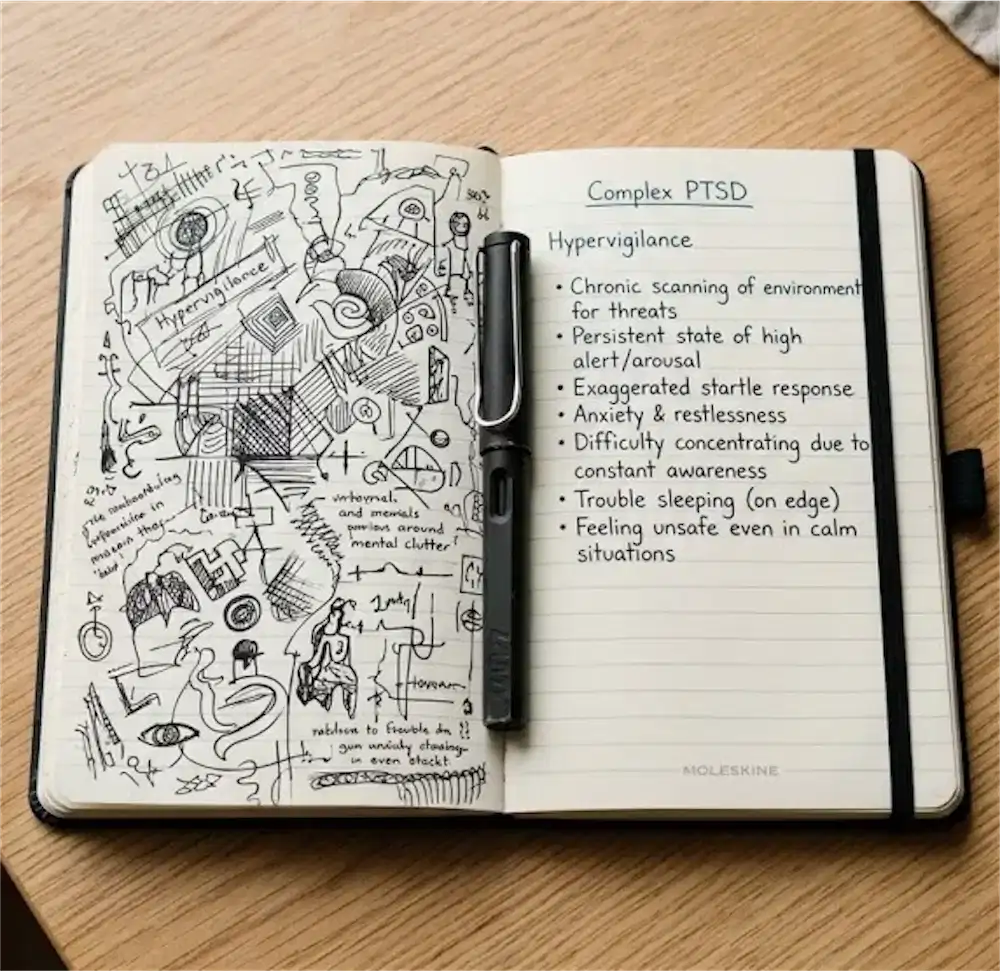
This one matters more than people realize. I saw a general counselor for several months after my relationship ended and, while she was kind, she kept framing my situation in terms of “communication issues” and “incompatibility.” That was not what had happened. That framing, however well-intentioned, actually made me doubt myself more.
When I eventually found a therapist who specialized in trauma and narcissistic abuse, the difference was immediate. She recognized the patterns instantly. She had language for them. She did not question whether what I experienced was real.
What to look for in a therapist:
- Explicit experience with trauma, C-PTSD, or emotional abuse recovery
- Familiarity with trauma-focused modalities like EMDR or somatic therapy
- Someone who does not push reconciliation or “both sides” framing in abuse situations
- A person whose approach feels grounding, not retraumatizing
EMDR, which stands for Eye Movement Desensitization and Reprocessing, is worth specifically asking about. EMDR helps process specific incidents of gaslighting, devaluation, and manipulation that continue to trigger emotional distress long after the relationship ends, and many survivors report that it helps them reconnect with parts of themselves that were suppressed during the abuse.
If formal therapy feels out of reach right now, financially or logistically, a structured self-help approach can still move things. Healing from Hidden Abuse by Shannon Thomas, LCSW is written specifically for survivors of psychological abuse and is organized around the actual stages of recovery. It is one I return to regularly.
Also worth reading: the piece on therapy insights into the toxic attraction cycle, which explains why these relationships are so hard to leave even when you know they are harmful.
The Honest Takeaway
Healing from narcissistic abuse is not linear and it is not fast. Some weeks you will feel like yourself again, and then something will trigger a memory and you will be back on the floor. That is not failure. That is how trauma recovery actually works.
What changed everything for me was stopping the search for a shortcut and committing to the actual work: naming what happened, grieving it honestly, cutting contact completely, rebuilding my identity in small daily increments, addressing the codependency underneath it all, and finding a therapist who understood the specific landscape of what I had been through.
You are not too broken to get back to yourself. I know that because I did. And the woman I am now, genuinely, is better than who I was before. Not because the relationship made me better. Because the recovery did.
Recommended Resources
These are the books, tools, and resources that made a real difference in my recovery. All Amazon links support this site at no extra cost to you.
- Why Does He Do That? by Lundy Bancroft – Essential reading for understanding abusive relationship dynamics from the inside out.
- Complex PTSD: From Surviving to Thriving by Pete Walker – The most practical, compassionate C-PTSD recovery guide I have found. Written by a therapist who is also a survivor.
- The Body Keeps the Score by Bessel van der Kolk – Groundbreaking work on how trauma is stored in the body and how to release it.
- Codependent No More by Melody Beattie – A classic that cuts through codependency with clarity and zero judgment.
- Healing from Hidden Abuse by Shannon Thomas, LCSW – Organized by the actual recovery stages specific to psychological and narcissistic abuse.
- Guided Trauma Recovery Journals – Structured prompts that help you move through grief, identity rebuilding, and boundary work at your own pace.

Meet Your Guide
Helen Brooks
After surviving a 12-year NPD/BPD relationship, I dedicated over a decade to studying trauma bonding and nervous system recovery. My mission is to help you break free from the fog and reclaim your authentic self.
Ready to break the trauma bond and reclaim your life?