8 Best Wellness Gadgets and Tools for Emotional Recovery After a Toxic Breakup
I spent twelve years trying to fix a relationship that was never going to work. When it finally ended, I didn’t just lose a partner. I lost my sense of self, my sleep schedule, my appetite, and honestly, most of my sanity. The nights were brutal. The mornings were worse. I had no idea that something as simple as the right tool in the right moment could actually make a measurable difference in how I felt physically and emotionally.
This isn’t a list of gimmicks. These are the wellness gadgets and recovery tools I either used myself or discovered during deep research while rebuilding my life after narcissistic abuse. Some have solid science behind them. All of them serve one purpose: giving your nervous system a fighting chance while you do the real work of healing.
Because here’s the truth: no contact works, therapy works, journaling works. But your body also needs physical support during trauma recovery. These tools help bridge that gap.
Why Your Nervous System Needs More Than Willpower After a Toxic Breakup
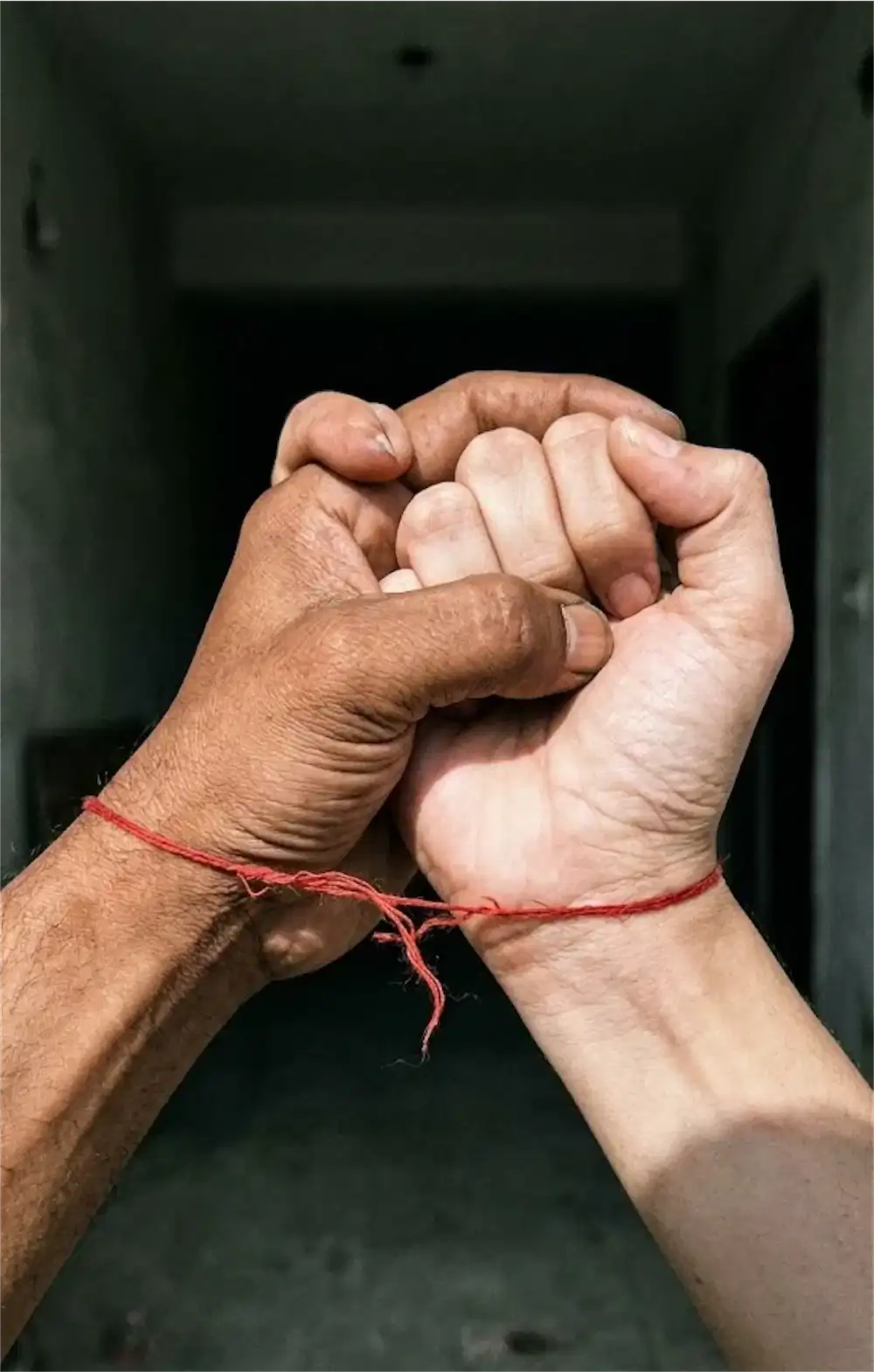
When you’re recovering from a trauma bond, you’re not simply “getting over a breakup.” Licensed therapist Annie Wright, LMFT, explains that breaking a trauma bond isn’t about willpower or intelligence — it’s a complex process that rewires your brain and body. The bond forms through cycles of abuse mixed with affection, which confuses your nervous system and creates a deep emotional dependency that feels almost chemical in nature.
I lived this for over a decade. The highs felt euphoric. The lows felt unsurvivable. And when it ended, I wasn’t just grieving a person — I was withdrawing from a cycle my brain had been trained to need. That’s not weakness. That’s neuroscience.
What this means practically is that your body is stuck in a state of hyperarousal — fight, flight, or freeze — long after the relationship ends. According to HelpGuide’s trauma resource library, trauma disrupts your body’s natural equilibrium, freezing you in a state of hyperarousal and fear. Wellness gadgets don’t fix this. But they can help regulate the nervous system enough so that therapy, journaling, and real recovery work can actually land.
Think of them as scaffolding. Not the building itself, but what makes construction possible.
Weighted Blankets: The Most Underrated Tool for Anxiety and Emotional Regulation
A weighted blanket is exactly what it sounds like: a heavy blanket, usually between 10 and 25 pounds, that applies firm and even pressure across your body. That pressure is called Deep Pressure Stimulation (DPS), and it has a surprisingly strong effect on the nervous system.
How it works: According to UPMC HealthBeat, a weighted blanket can stimulate the parasympathetic nervous system through deep pressure touch — the system that counters your body’s fight-or-flight response. This stimulates the release of serotonin and dopamine while lowering cortisol, the stress hormone, resulting in a lower heart rate, steadier breathing, and more relaxed muscles.
The research actually backs this up. A 2024 systematic review and meta-analysis published in the Journal of Psychiatric Research, covering 553 psychiatric patients, found that weighted blankets had statistically significant improvements on anxiety symptoms compared to placebo (SMD = −0.47, p < 0.001). A separate randomized controlled trial out of Stockholm found that the weighted blanket group saw significant improvements not only in sleep but also in symptoms of depression and anxiety compared to the control group.
In plain terms: it mimics being held. And when you’re going through the kind of pain that comes with leaving a narcissistic or BPD partner, sometimes your body just needs to feel held at 2am when no one else is there.
After my breakup, I used mine every single night for months. No exaggeration. It became a non-negotiable part of my evening routine for healing from a trauma bond.
What to look for: Choose a blanket that’s roughly 10% of your body weight. Glass bead filling tends to stay quieter and cooler than plastic pellets. A removable, washable cover is a must.
👉 Browse weighted blankets for anxiety relief on Amazon
Light Therapy Lamps: Fighting the Depression That Follows Narcissistic Abuse
If you’ve spent months or years in a toxic relationship, there’s a decent chance your circadian rhythm is completely off. Disrupted sleep, staying up late ruminating, waking up at 3am with racing thoughts — this was my life for most of those twelve years. Light therapy helped reset that pattern faster than I expected.
A light therapy lamp (sometimes called a SAD lamp, for Seasonal Affective Disorder) simulates natural daylight at a controlled brightness, usually 10,000 lux. You sit near it for 20 to 30 minutes in the morning. That’s it. The National Institute of Mental Health has backed light therapy research for mood regulation and circadian rhythm support, and it’s particularly helpful for people dealing with low-grade depression after emotional trauma.
Post-breakup depression isn’t just about sadness. It’s often tied to disrupted biological rhythms. A morning light session combined with a short grounding practice is one of the simplest nervous system resets you can build into your healing routine.
👉 Browse light therapy lamps for mood support on Amazon
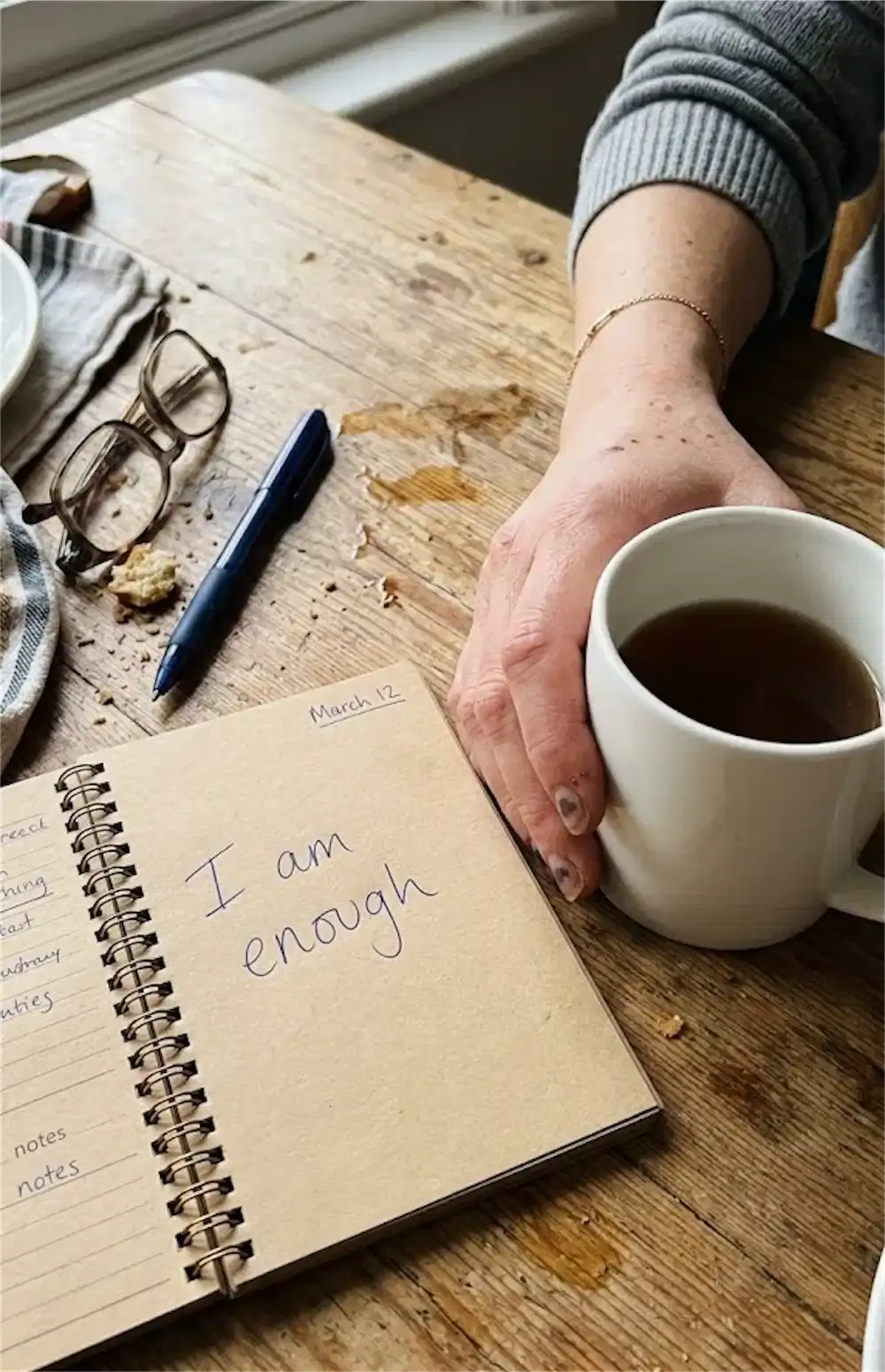
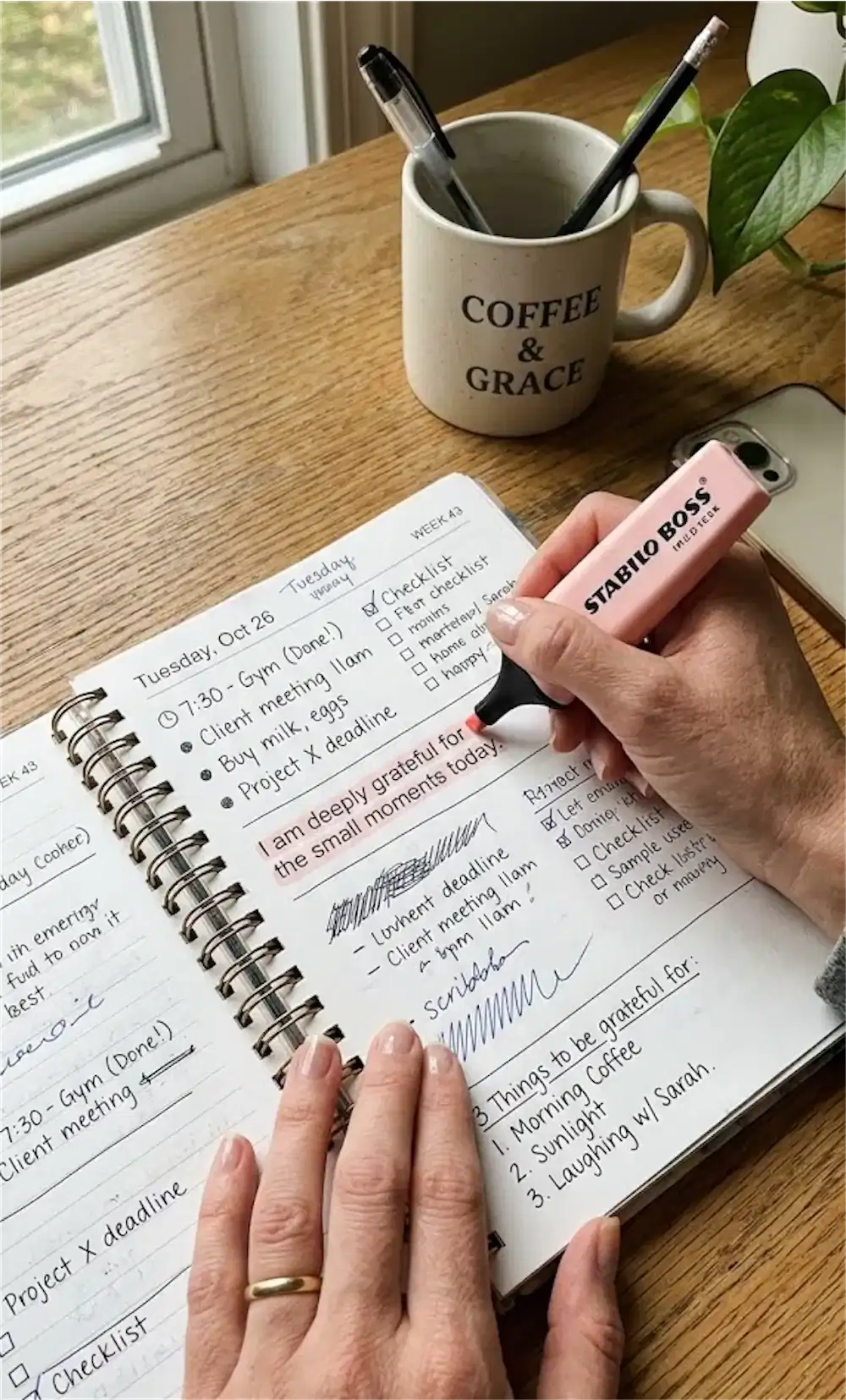
Journaling Tools and Guided Trauma Journals: Processing What Therapy Can’t Always Reach
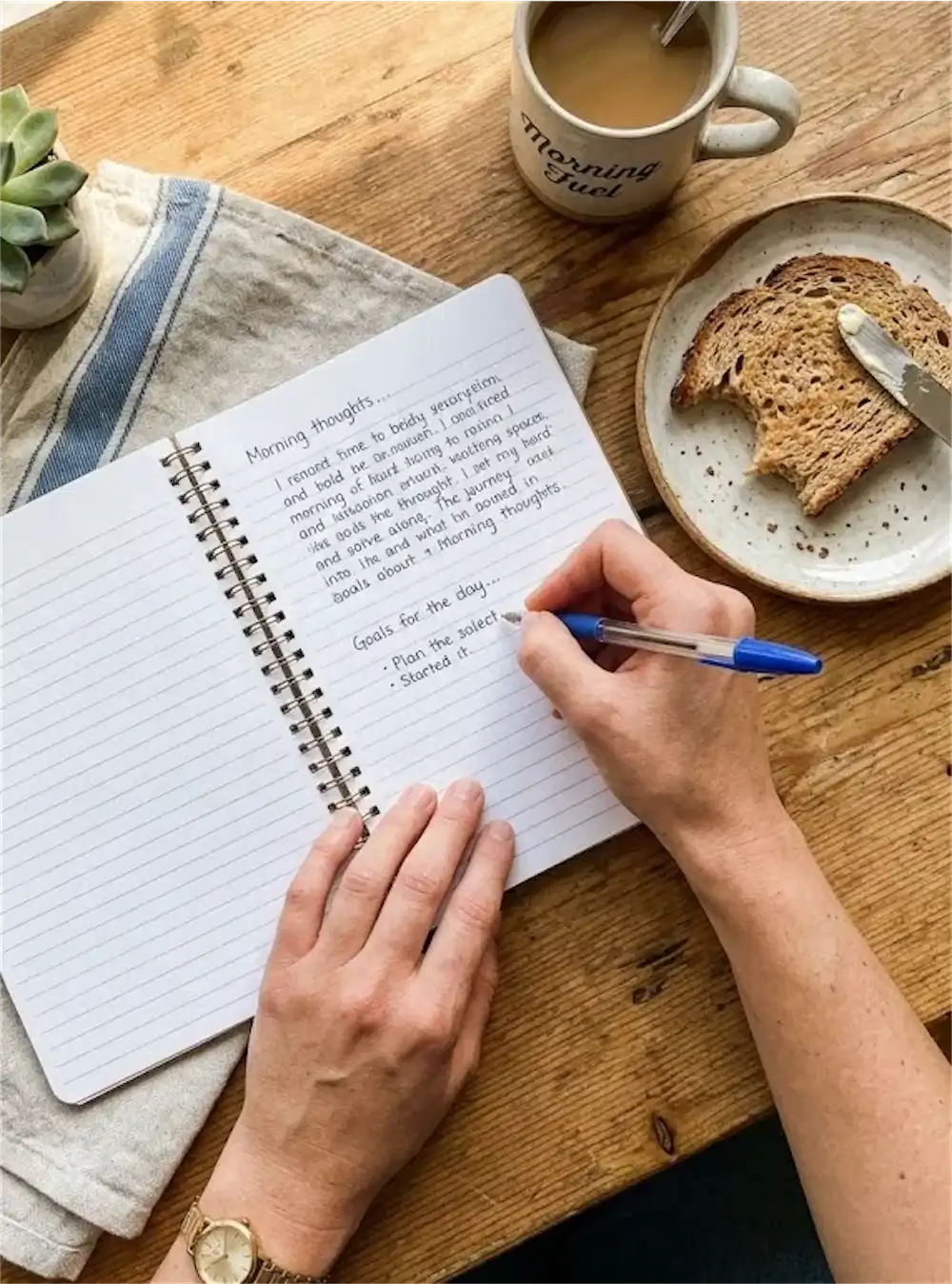
There’s a meaningful difference between a blank notebook and a structured guided journal designed for trauma recovery. After years of therapy, my therapist suggested I try a format specifically built for survivors of emotional abuse. The shift was immediate.
Structured prompts bypass the paralysis that comes with staring at a blank page when you’re overwhelmed. They ask the right questions at the right depth. Things like: What story am I telling myself about this pain? What need did this relationship temporarily fulfill? Where did I abandon myself?
From a research standpoint, guided reflection and journaling support emotional awareness and stress processing by externalizing mental load and building perspective. When paired with somatic practices like breathwork or movement, these tools work even more effectively.
If you want to go deeper into using journaling as a healing practice, check out the guide on journaling prompts for post-narcissist breakup recovery — it has specific exercises that go well beyond the generic “write how you feel” advice.
What I recommend looking for in a trauma recovery journal:
- Structured daily prompts (not just blank lines)
- Sections for identifying emotional patterns and triggers
- Gratitude and affirmation sections to build counter-narratives
- Space for tracking mood and physical symptoms
👉 Browse trauma recovery guided journals on Amazon
Sleep Gadgets That Actually Help When Trauma Keeps You Up at Night
Sleep was the first casualty in my relationship. And after it ended, the nights were somehow even harder. My mind would race through the same loops: Was it my fault? Did it even happen the way I remember? Why do I still miss them? The hypervigilance didn’t switch off just because the relationship was over.
Here are the sleep-specific tools that made the biggest difference:
White Noise Machines
Portable sound machines provide consistent ambient noise — rainfall, white noise, pink noise, brown noise — that helps mask disruptive sounds and creates a stable auditory environment. For a nervous system that’s been on high alert for years, the predictability of sound is genuinely calming. There’s no threat in white noise. It signals: nothing to monitor here.
👉 Browse white noise machines for sleep on Amazon
Aromatherapy Diffusers
Scent is one of the fastest routes to the limbic system — the emotional center of the brain. According to the National Institutes of Health, aromatherapy can reduce anxiety in both clinical and everyday settings. Lavender, bergamot, and frankincense are the most research-supported scents for relaxation and emotional balance. Running a diffuser during your wind-down routine conditions your brain to associate that scent with safety and rest.
After years of hypervigilance, conditioning your own nervous system toward safety is one of the most powerful things you can do.
👉 Browse aromatherapy diffusers for anxiety and sleep on Amazon
Magnesium Glycinate Supplements
Not a gadget in the traditional sense, but magnesium glycinate is one of the most recommended supplements in the trauma recovery community for good reason. Magnesium plays a direct role in regulating the nervous system and GABA activity — the calming neurotransmitter. Chronic stress depletes magnesium levels, and long-term toxic relationships are nothing if not chronic stress. The glycinate form is the gentlest on digestion and most bioavailable.
👉 Browse magnesium glycinate supplements on Amazon
Fitness Trackers and Wearables: Using Data to Rebuild Body Awareness
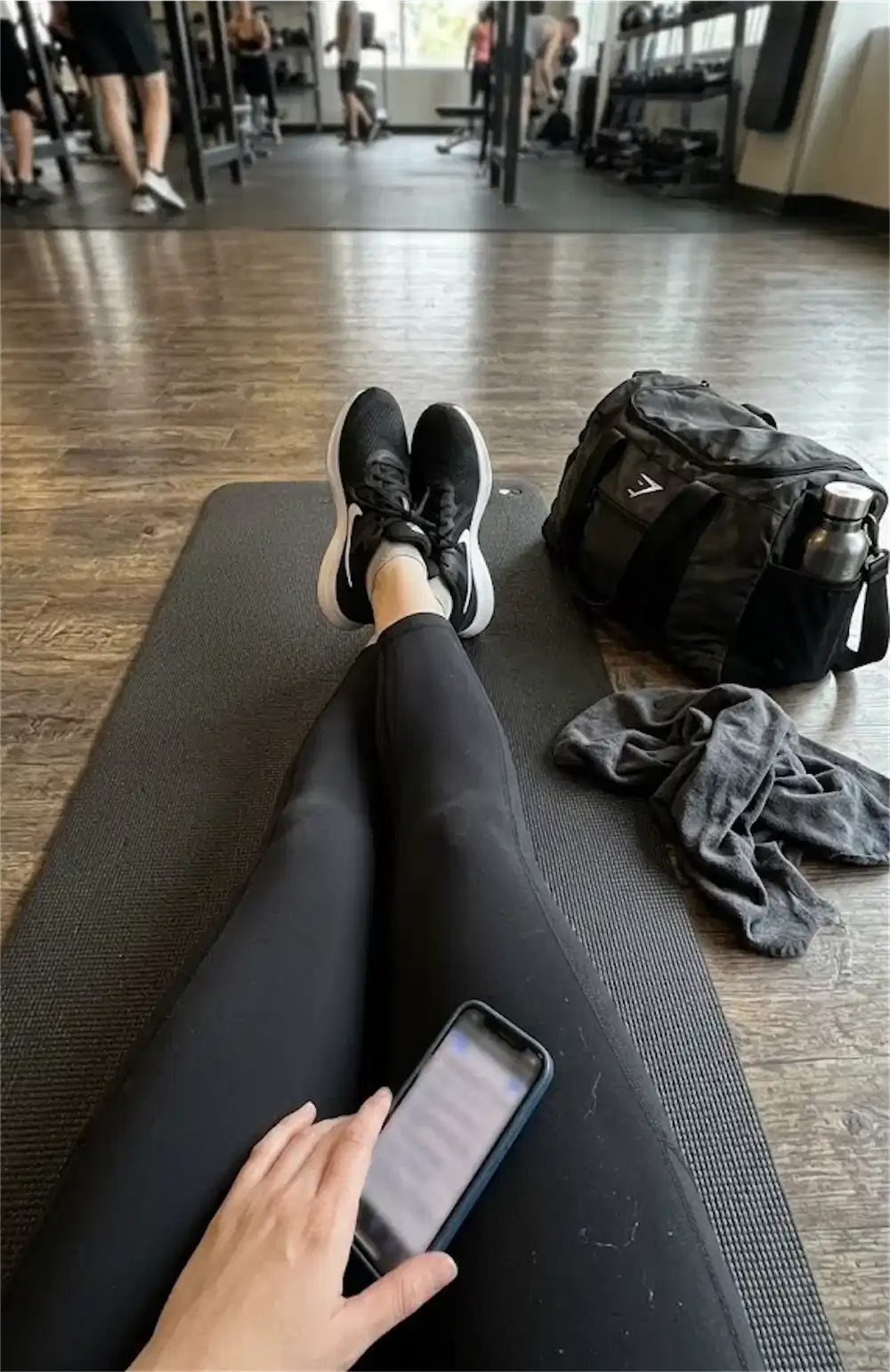
One of the most consistent findings in trauma research is that movement genuinely helps repair the nervous system. HelpGuide’s trauma recovery resource notes that exercise that is rhythmic and engages both arms and legs — walking, running, swimming, dancing — works best. The key isn’t intensity. It’s rhythm and presence in your body.
After years in a relationship where I felt completely disconnected from my physical self, reconnecting with my body through movement was both terrifying and healing. A fitness tracker helped me stay accountable without pressure. No performance goals. Just: did I move today?
What wearables actually help with in recovery:
- Heart Rate Variability (HRV) tracking: HRV is a direct indicator of nervous system resilience. Higher HRV generally means your body is recovering and regulating well. Watching yours improve over weeks is genuinely motivating.
- Sleep staging data: Understanding whether you’re actually getting restorative sleep (REM and deep sleep) versus just lying in bed anxious gives you actionable information.
- Step and movement data: On the days when everything feels impossible, seeing that you still walked 4,000 steps matters more than you’d think.
Wearables like smart rings (Oura Ring) and fitness watches don’t directly reduce stress, but they help you identify patterns and adjust habits in ways that do.
👉 Browse fitness trackers and recovery wearables on Amazon
Meditation and Breathwork Devices: Regulating the Nervous System in Real Time
Breathwork is one of the fastest evidence-based ways to manually shift your nervous system from sympathetic (fight-or-flight) to parasympathetic (rest-and-digest). The challenge after trauma is that most people can’t sustain a breath practice without structure and feedback, especially when their mind is loud.
Devices like the Muse EEG meditation headband provide real-time feedback on your brain’s activity during meditation sessions, gamifying the process enough to keep you consistent. Other tools, like hand-held biofeedback devices, guide you through breathing patterns using haptic feedback — basically, you breathe with the device’s pulse until your nervous system follows.
I was genuinely skeptical about these. Then I used one for a week straight and noticed I was waking up with less cortisol-spike anxiety for the first time in years. Not magic. Just consistent nervous system training.
Wellness trend researchers note that in 2026, healing begins with calming the autonomic nervous system — shifting from fight-or-flight into rest-and-repair — because without regulation, nothing else sticks. Breathwork devices make that shift more accessible and repeatable than most other tools on this list.
👉 Browse meditation and biofeedback devices on Amazon
Digital Detox Tools: The Gadgets That Help You Stop Checking Their Profile
This one’s a little different. Not every wellness tool is about adding something — some of the most healing moves are about removing access to things that keep you stuck.
If you’re deep in post-breakup recovery and you keep checking your ex’s social media, reliving old messages, or Googling them at midnight, you already know this is hurting you. It’s not curiosity. It’s withdrawal behavior. Your brain is seeking the same relief it got during the relationship’s “good” phases.
App blockers and screen time management tools are legitimately useful here. Apps like Freedom, Cold Turkey, or the built-in Screen Time features on iPhones let you block specific apps or websites during designated hours. A cheap second phone that doesn’t have social media apps installed is another approach some people use during intense recovery phases.
This pairs directly with the strategies covered in how to stop checking your ex’s social media — the digital environment you create for yourself is part of your recovery environment.
Grounding Tools: Simple Objects That Interrupt Dissociation and Panic
Dissociation — that floaty, not-quite-here feeling — is extremely common after long-term emotional abuse. Your nervous system learned to check out as a coping mechanism. Grounding tools help interrupt that pattern by anchoring your senses to the present moment.
Some of the most effective grounding tools are also the simplest:
- Textured sensory stones or fidget tools: Holding something with a distinct texture — rough, smooth, cool, warm — activates touch-based grounding instantly. These are small enough to keep in a pocket or bag for high-anxiety moments outside the house.
- Ice packs or cold therapy tools: The cold sensation is one of the fastest known interventions for acute emotional distress. It activates the dive reflex, which physically slows the heart rate. Some therapists who work with trauma and BPD-related distress use this technique directly in session.
- Acupressure mats: Lying on a mat with small pressure points stimulates multiple body areas simultaneously, which can help discharge stored tension and reduce the physical symptoms of anxiety that often linger after narcissistic abuse.
👉 Browse acupressure mats for stress and tension relief on Amazon
What These Tools Won’t Do (And Why That Matters)
Let me be honest with you the way I wish someone had been honest with me.
No gadget will break your trauma bond. No weighted blanket will process the grief of twelve years. No light lamp will undo the self-doubt that builds up when someone tells you repeatedly that your perception of reality is wrong.
These tools work when they’re part of a broader recovery practice that includes therapy (especially somatic or trauma-informed approaches), community support, education about codependency and narcissistic abuse patterns, and consistent daily habits that reinforce your sense of self.
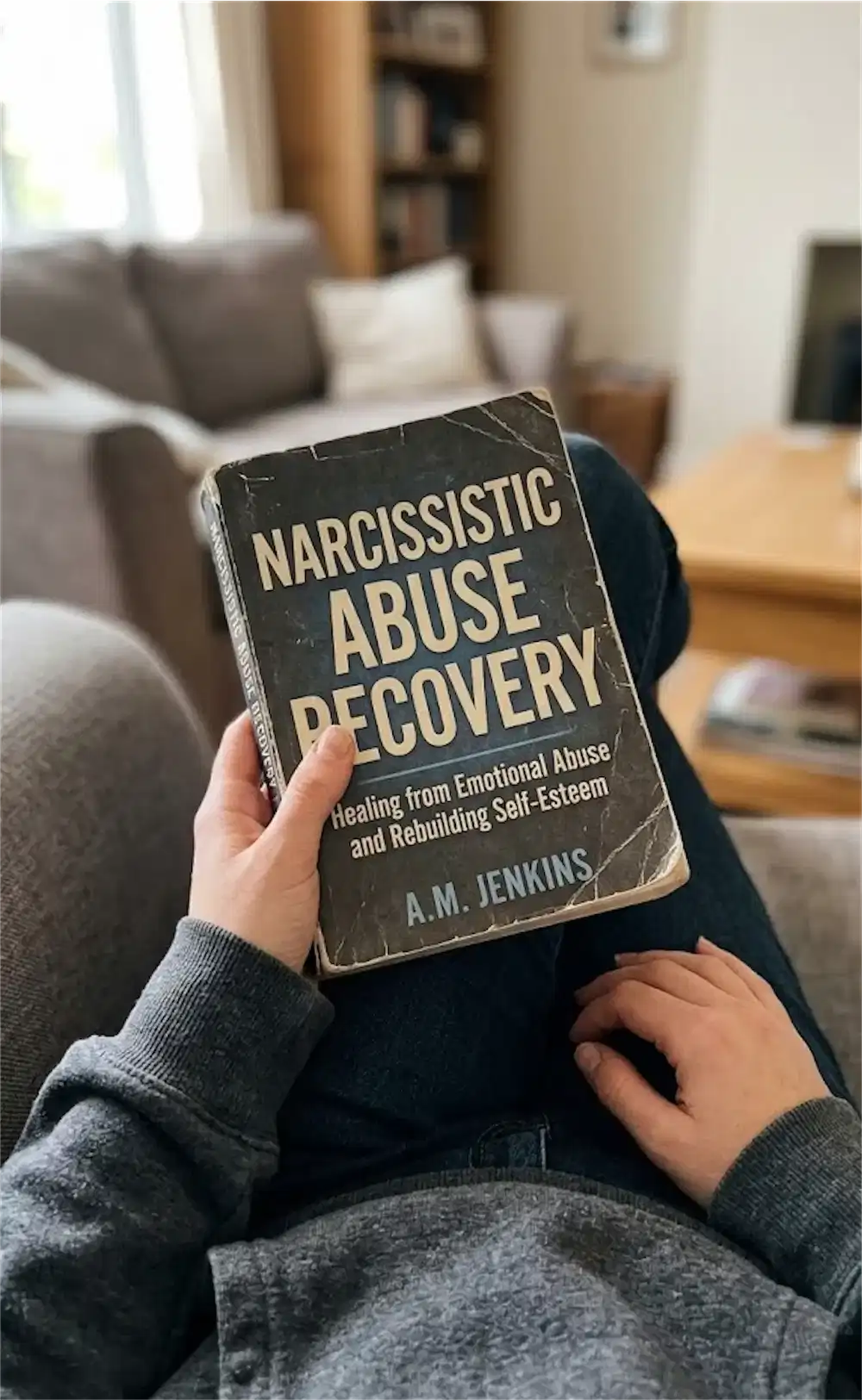
If you’re still in the early stages of understanding what you’ve been through, the article on long-term effects of narcissistic abuse and how to heal covers the psychological landscape in a way that will probably make a lot of your experience suddenly make sense.
The gadgets are scaffolding. You’re the one doing the actual building.
Recommended Resources
These are books and tools I’ve personally read or used during my own recovery. Each one addresses a specific layer of healing that wellness gadgets alone can’t reach.
- The Body Keeps the Score by Bessel van der Kolk — The foundational book on how trauma lives in the body and what it takes to release it. Non-negotiable reading for anyone recovering from long-term emotional abuse.
👉 Find it on Amazon - Waking the Tiger by Peter Levine — Peter Levine’s approach to somatic experiencing explains why physical tools (like the ones in this article) can be so effective for trauma release. It changed how I thought about recovery entirely.
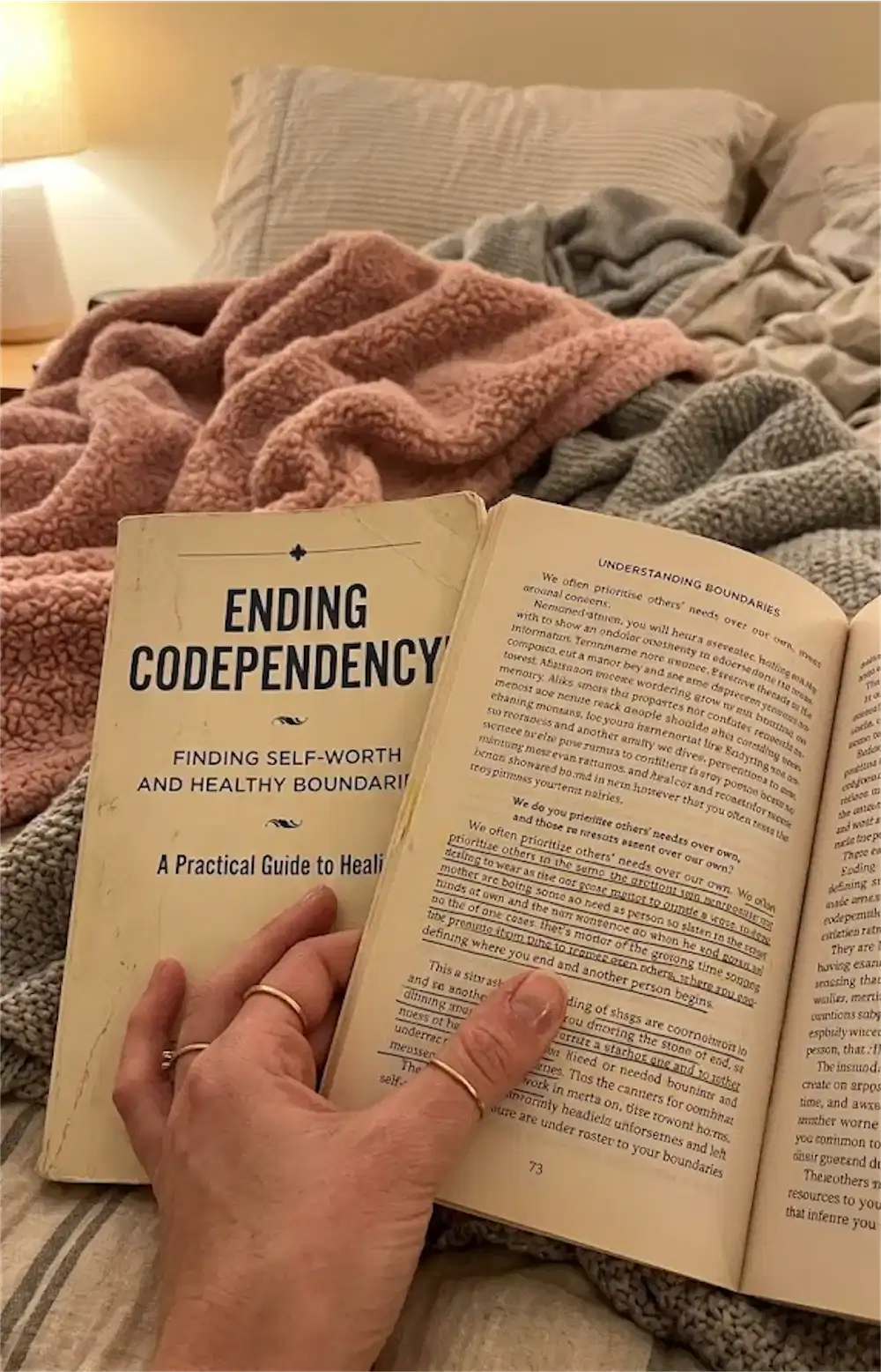
👉 Find it on Amazon - Codependent No More by Melody Beattie — If you spent years caretaking, over-explaining, or abandoning your own needs to keep the peace, this book will hit close to home in the best possible way.
👉 Find it on Amazon
All Amazon links on this page are affiliate links. If you purchase through them, I may earn a small commission at no extra cost to you. I only recommend tools and books I genuinely believe in based on my own experience and research.

Meet Your Guide
Helen Brooks
After surviving a 12-year NPD/BPD relationship, I dedicated over a decade to studying trauma bonding and nervous system recovery. My mission is to help you break free from the fog and reclaim your authentic self.
Ready to break the trauma bond and reclaim your life?