
Why Narcissists Struggle More After a Breakup According to Psychology
Here’s the thing nobody tells you when you’re fresh out of a toxic relationship: you spend months wondering if they’re fine. Whether they moved on immediately. Whether they ever think about you at all. Whether any of it even mattered to them.
I asked myself those questions constantly during the first year after leaving a twelve-year relationship with a partner who had both narcissistic and borderline traits. I watched what looked like total indifference from the outside. New photos, new people, apparent confidence. And I assumed that meant I was the broken one.
It took therapy, research, and a lot of time before I understood what was actually happening beneath the surface. The psychology here is genuinely counterintuitive. What looks like someone “winning” the breakup is often something much more destabilized happening underneath. This article breaks down exactly why, using real science and lived experience.
What NPD Actually Means for Emotional Functioning After a Breakup
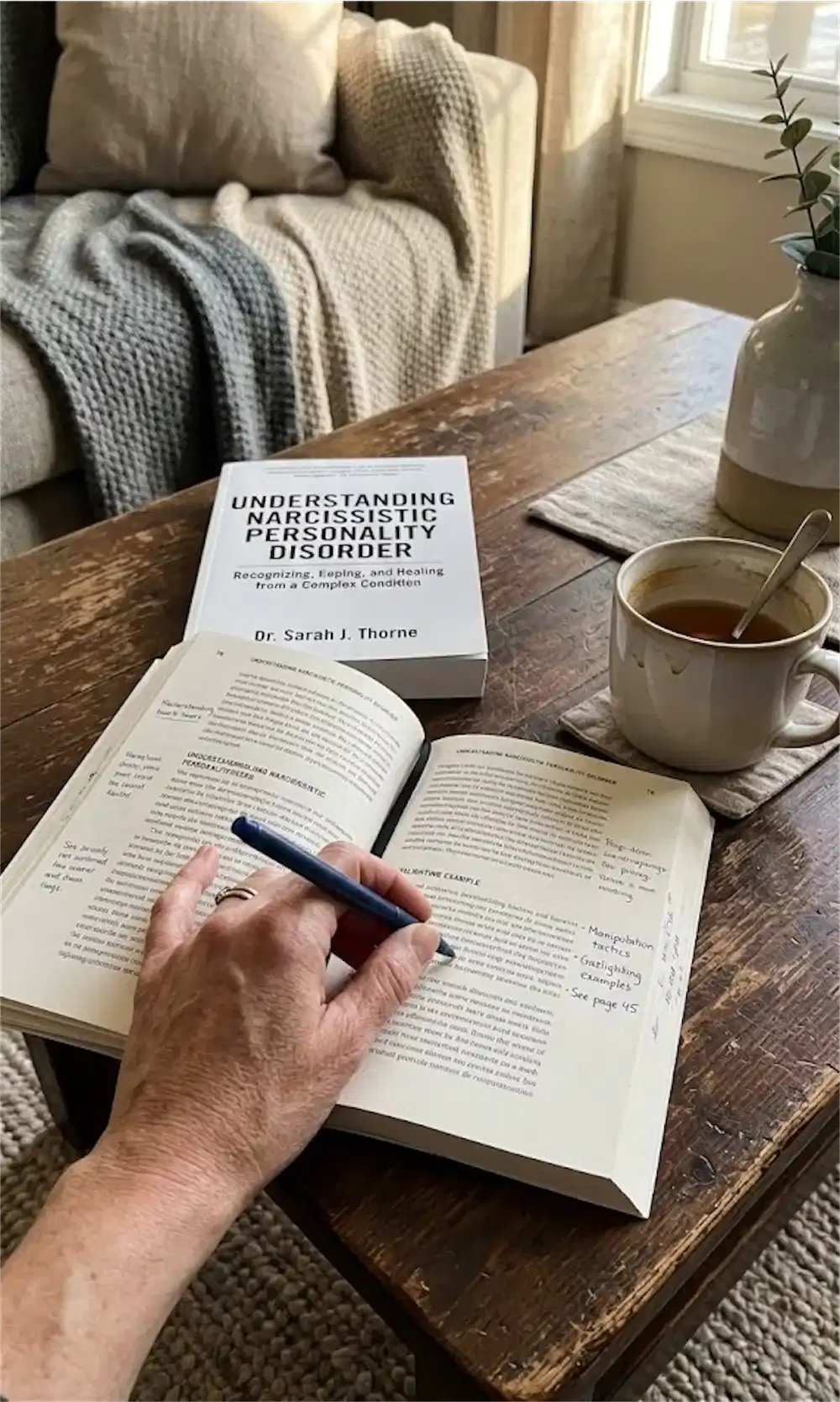
Narcissistic Personality Disorder, or NPD, is not simply “being selfish” or “liking themselves too much.” That’s the popular version. The clinical reality is more complicated and, honestly, more tragic.
According to a comprehensive review published in PMC (National Library of Medicine), NPD is fundamentally a disorder of self-esteem dysregulation. Studies have identified mechanisms in domains such as self-esteem dysregulation, emotion dysregulation, cognitive style, interpersonal relations, and empathy as associated with the disorder. In plain terms: people with NPD have an extremely fragile and unstable sense of self that depends almost entirely on external input to function.
That “confident” presentation you saw, the arrogance, the sense of superiority, the apparent lack of concern? Some experts have found that this attitude of superiority may help compensate for fragile self-esteem and a sense of vulnerability. The grandiosity is armor, not identity. And when a primary relationship ends, that armor gets hit hard.
NPD is considered a disorder of self-esteem dysregulation — whether through maladaptive self-esteem regulatory strategies, a lack of integration between high and low self-esteem beliefs, or emotional dysregulation driving the whole cycle. A breakup doesn’t just end a relationship for someone with NPD. It destabilizes the entire scaffolding they used to feel okay about themselves.
I watched this happen. What looked like my ex “moving on quickly” was actually a desperate scramble to find replacement validation. The speed wasn’t indifference. It was panic.
The Loss of Narcissistic Supply: Why It Feels Like Withdrawal to Them
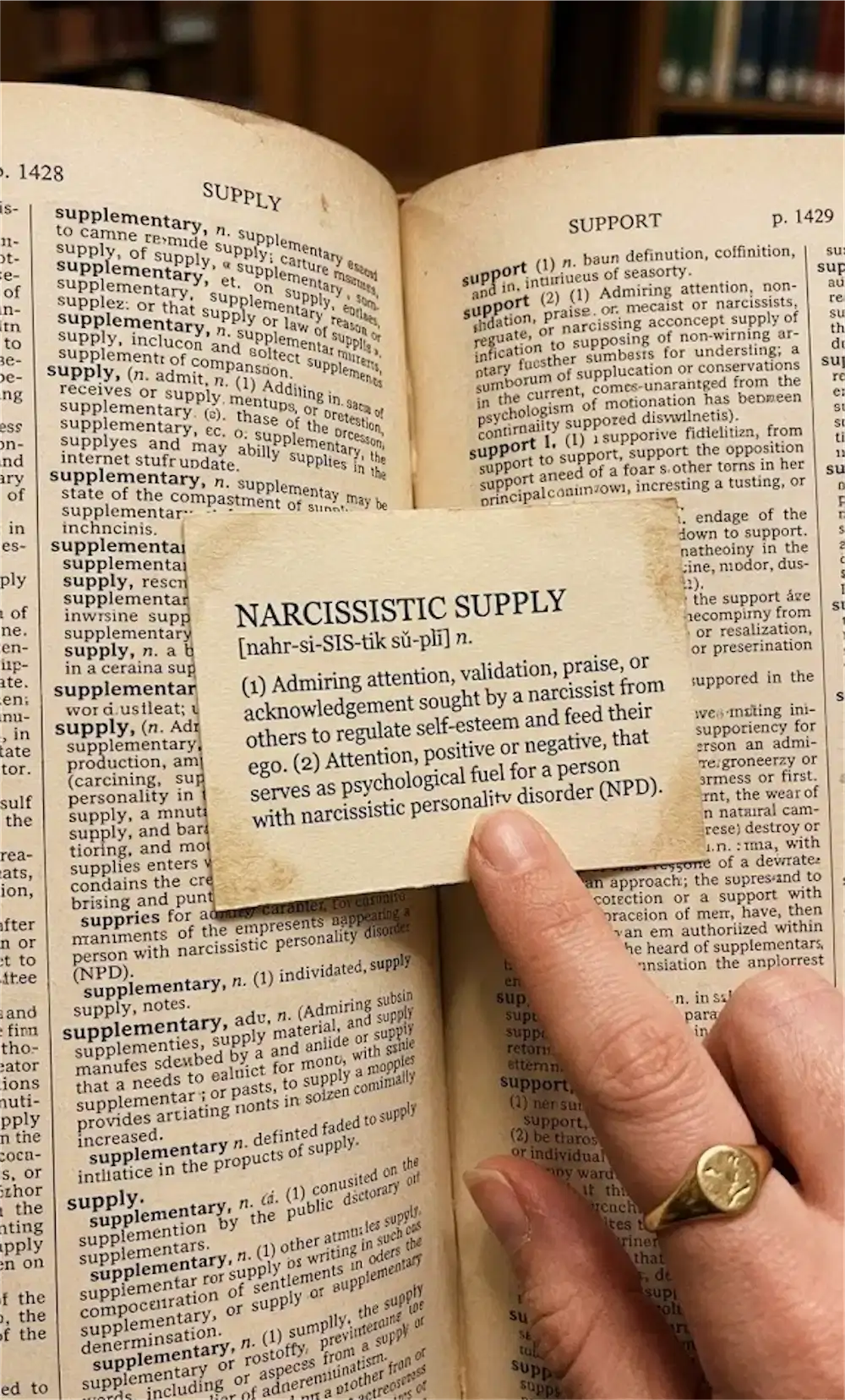
Narcissistic supply is the term psychologists use to describe the attention, admiration, and validation that people with NPD need to maintain their sense of self. Think of it less like a preference and more like a biological need, the way food keeps a body functioning. Without it, things deteriorate fast.
Narcissistic supply refers to the attention, admiration, and validation that individuals with NPD crave. It serves as emotional sustenance for their fragile self-esteem. A long-term partner is the primary source of that supply. Every day. Consistent. Reliable. That’s what you were to them, even if it never felt that way.
When that source disappears, the narcissist regulates their sense of self-worth by consuming supply from others. Any threat to the uninterrupted flow of that supply compromises their psychological integrity and ability to function.
This is a key point. The relationship wasn’t primarily about you as a person. Grandiose narcissists show little interpersonal distress coupled with an inability to endure committed long-term relationships, suggesting that partners serve as narcissistic supply. You were a function. And when the function disappears, the system breaks down.
That’s not meant to be cruel. It’s actually the thing that helped me stop asking “why wasn’t I enough?” The answer had nothing to do with my worth. It had everything to do with the structural role I had been assigned without my knowledge.
NPD has extremely high comorbidity rates with other mental health problems such as depression, anxiety, and substance use disorders. Pathological narcissism is also associated with reduced psychological well-being and increased feelings of loneliness. A breakup accelerates all of those undercurrents.
If you want to understand more about the psychological grip this kind of relationship creates on your side of the equation, read through the lessons from 12 years with a narcissist. Some of those patterns took me years to even name.
No Object Constancy: The Psychological Reason Narcissists Can’t Process Loss Normally
Object constancy is a developmental psychological concept that refers to the ability to maintain a stable, positive connection to someone even when you’re angry at them, hurt by them, or separated from them. Most adults develop this naturally in early childhood. People with NPD typically don’t have it.
According to licensed clinical psychologist Dr. Elinor Greenberg, writing in Psychology Today, people with NPD lack “whole object relations” and “object constancy.” Object constancy is the ability to maintain a positive emotional connection to someone you like while you are angry, hurt, frustrated, or disappointed by their behavior.
What does that mean when a relationship ends? It means the narcissist cannot hold a balanced, nuanced emotional memory of the person who left. Someone who lives with narcissistic personality disorder may see things as black and white. With a lack of object constancy, they find it difficult to retain positive feelings about someone once there are mistakes or disagreements.
So when you leave, you don’t get grieved the way most people are grieved. You get rage or you get erasure, sometimes both in cycles. The narcissist can’t hold the complex emotional reality of who you actually were to them, the good parts and the difficult parts together. Their brain simply doesn’t process loss that way.
Many narcissists have no psychological object constancy at all. In other words, many do not feel that other people are benign, reliable, helpful, constant, predictable, and trustworthy. To compensate for this inability to relate to real people, the narcissist invents and molds substitute mental representations of significant others.
This explains why so many people report their narcissistic ex acting like a completely different person after the breakup. It isn’t performance. They genuinely restructured who you were in their mental model the moment the relationship ended. You went from supply to threat, and their behavior reflected that switch instantly.
Narcissistic Injury and the Collapse That Follows
Narcissistic injury is the psychological term for any perceived attack on the narcissist’s self-image. It doesn’t have to be a real insult. Being left, being seen through, being rejected, or simply not being worshipped the way they expect counts as injury. And the response to that injury can be extreme.
Theories have postulated the concept of “narcissistic injury” in explaining how narcissistic self-preoccupation fuels intense anger, violence, and vindictiveness when self-esteem is challenged. When the potential of a threat is perceived by the narcissist, intolerable emotions in the form of shame, humiliation, and anger are evoked, followed by a self-righteous defensive response intended to attack or eliminate the source of threat to restore self-esteem.
Narcissistic collapse is what happens when those defenses fail. Narcissistic collapse occurs when a person with NPD experiences a threat to their self-image, leading to intense feelings of shame and vulnerability. Signs can include rage, defensiveness, social withdrawal, and depression.
What does this look like in practice? Two broad patterns, and sometimes they alternate:
- The Explosive Response: Rage, smear campaigns, harassment, showing up uninvited, contacting mutual friends to control the narrative. This is the narcissist trying to restore dominance and eliminate the source of the wound.
- The Withdrawal Response: Some narcissists react to breakups by withdrawing from social interactions. The loss of their primary source of supply can lead to a period of intense depression during which the narcissist may neglect their appearance and responsibilities.
Major depressive disorder is the most common comorbid disorder in patients with pathological narcissism or NPD. The breakup doesn’t just cause sadness. It often triggers the full clinical picture of depression in someone who had been using external validation to keep those symptoms at bay.
I saw both responses from my ex. First came the rage and the attempts to regain control. Then came a withdrawal so complete it was almost eerie. Neither had anything to do with actual grief over losing me as a person. Both were about the loss of the supply system I had represented.
Additional characteristics frequently found in patients with NPD are perfectionism, feelings of inferiority, chronic envy, shame, rage, boredom and emptiness, hypervigilance, and affective reactivity. A breakup brings all of those to the surface at once, because there’s no longer a primary source of supply to push them back down.
Why Narcissists Hoover: It Has Nothing to Do With Love

Hoovering is the term used in the abuse recovery community for when a narcissistic ex tries to suck you back into contact, named after the Hoover vacuum. They come back with apologies, with declarations of love, with threats, with emergency crises, with appeals to your empathy. Every possible angle.
Understanding why they do it changes everything about how you respond.
They come back because they are in need of a fix. A narcissistic fix. If you left them, they have to win you back, even as a “friend,” or they feel they have lost. It is not about you specifically. It is about restoring the supply system and eliminating the narcissistic injury that your leaving caused.
Because those high in covert narcissistic traits have difficulty tolerating a loss of control over their ex, they see their ex’s independence as an attack. Your freedom, your healing, your moving on, these are all experienced by the narcissist as an ongoing wound. The hoovering is an attempt to neutralize that wound.
The silence is meant to destabilize their ex and keep them on heightened alert, while the brief, low-effort intrusion is meant to reactivate a trauma bond without risking rejection or accountability.
During my twelve years, I experienced hoovering dozens of times. I didn’t have the word for it until therapy. What I had was the experience of being reeled back in by what felt like genuine remorse, followed quickly by the realization that nothing had actually changed. That cycle is not love. It is addiction management on their part.
If you’re currently navigating this, the narcissist no contact guide walks through the specific tactics and why each one matters for protecting your recovery.
The Emptiness Behind the Mask: What No Supply Actually Reveals

This is the piece that took me the longest to understand, and honestly, the one that finally gave me the most peace.
The confident, superior, seemingly untouchable person you spent years trying to reach? That presentation requires constant maintenance. It is not a stable identity. It is an ongoing construction project that needs external materials, your admiration, your attention, your emotional labor, just to stay standing.
Some researchers and psychologists argue that narcissistic collapse essentially disarms the false self associated with narcissism. Because narcissists are so insecure, they often feel empty and hollow and need admiration from others to feel validated.
When the primary source of supply leaves, the end of a romantic partnership often triggers narcissistic collapse in people who rely heavily on external validation and admiration from their partners. Without this source of affirmation, they may feel a profound sense of emptiness and worthlessness.
Deep inside, the narcissist hates themselves and doubts their own worth. They deplore their desperate addiction to narcissistic supply. The public face says “I’m fine, I’ve moved on, I’m doing great.” The internal reality, especially in those first weeks and months, is often the opposite.
Empirical studies have confirmed that internal emotional distress, interpersonal vulnerability, avoidance, fear, pain, anxiety, and a sense of inadequacy are associated with narcissistic personality functioning. These things were always there. The relationship, and specifically your supply, was what kept the lid on all of them.
None of this means they were secretly suffering in a way that should pull you back. It means their struggles are theirs to deal with, ideally with professional help. Your departure didn’t break something in them that was previously whole. You left a structure that was already hollow. It just wasn’t visible from your angle.
Why Understanding Their Struggle Doesn’t Mean Going Back
This is the part that matters most, and where I want to be direct with you.
Learning that narcissists often struggle more than they appear to after a breakup can trigger a very specific, very dangerous response in people who have trauma bonds. It triggers the caretaking instinct. The empathy. The “maybe they really are hurting this time.” The hope that the version of them you fell in love with is now accessible because they’re suffering.
That response is the trauma bond talking, not your intuition.
Often, a person with NPD will lack self-awareness and cannot self-reflect to recognize their role in the situation. They will likely blame others for their collapse, causing them to lash out and deflect responsibility. Their suffering, when it’s real, does not lead to the insight and change you hoped for. It leads to more of the same behavior, directed at whoever is nearby, usually the person who left.
The right response to knowing they’re struggling is to stay away. Understanding these tactics does not erase a survivor’s pain, but it helps restore clarity. And clarity is the first step toward reclaiming autonomy, self-trust, and peace.
Your compassion is real and it’s one of your strengths. But it belongs in your healing, not in their recovery. Those are two entirely separate projects, and only one of them is your responsibility.
For a deeper look at what your own recovery actually needs right now, the self-healing tips for narcissistic abuse survivors covers the practical side with a lot more specificity than most generic advice you’ll find.
One Final Thing Worth Knowing
You did not cause their instability. You did not create the wound inside them. You maintained a relationship with someone whose personality structure requires constant external regulation, and you did it for a long time, probably at significant cost to yourself.
Their post-breakup struggle is not a reflection of how much they loved you. It is a reflection of how much they needed you as a function. That distinction, as painful as it is to absorb, is also the thing that most cleanly cuts the thread that keeps survivors attached long after the relationship ends.
You were never the problem. And their collapse, whether visible or hidden, is not yours to fix.
Recommended Resources
These are books I read during my own recovery that helped me understand what I’d actually been living through. Each one approaches NPD and narcissistic abuse from a different angle, and together they build a picture that therapy alone couldn’t always give me.
- Rethinking Narcissism by Dr. Craig Malkin (Harvard Medical School instructor and clinical psychologist) — The most nuanced, research-backed book I’ve read on the narcissism spectrum. It helped me understand the difference between traits, patterns, and disorder, and why the “spectrum” framing matters for survivors.
👉 Find it on Amazon - Should I Stay or Should I Go by Dr. Ramani Durvasula — Dr. Ramani is a licensed clinical psychologist and one of the most recognized voices in NPD education. This book is specifically designed for people trying to make sense of whether a relationship with a narcissist is survivable, and what leaves you if you stay.
👉 Find it on Amazon - Becoming the Narcissist’s Nightmare by Shahida Arabi — Shahida is a researcher and author whose work on narcissistic abuse is used in academic contexts. This book covers the supply dynamic, the trauma bond, and the recovery process in a way that feels both scientifically credible and deeply personal.
👉 Find it on Amazon
Some links in this article are affiliate links. If you purchase through them, I may earn a small commission at no extra cost to you. I only recommend books and resources I have personally read or used during my own recovery from narcissistic abuse.