8 Physical Health Symptoms Caused by Living in a Toxic Relationship
Your body is trying to tell you something. When I was seven years into my toxic relationship with someone who had both narcissistic and borderline personality traits, I started experiencing strange physical symptoms that no doctor could fully explain. I was 32 years old but felt like I was trapped in the body of someone twice my age.
The chest pain came first. Then the constant stomach problems. My primary care physician ran every test imaginable—bloodwork, scans, you name it. Everything came back normal. “It might be stress,” she said gently. I nodded, but inside I was thinking: stress doesn’t make your hair fall out in clumps or keep you awake for 72 hours straight.
Except it does. The human body doesn’t distinguish between physical danger and emotional abuse. When you’re living in a toxic relationship—constantly walking on eggshells, experiencing intermittent reinforcement, and enduring regular cycles of love bombing followed by devaluation—your nervous system stays in survival mode. That takes a measurable toll on your physical health.
This article covers eight physical health symptoms I experienced during my 12-year relationship with a partner who exhibited both NPD and BPD behaviors. More importantly, I’ll share what research says about these symptoms and what actually helped me recover once I finally left.
The Mind-Body Connection in Toxic Relationships
Before we get into specific symptoms, you need to understand what’s happening inside your body when you’re subjected to ongoing emotional abuse. Your brain doesn’t care whether the threat is a tiger chasing you or a partner who’s giving you the silent treatment for the third day in a row. Both scenarios activate your sympathetic nervous system—the part responsible for your fight-or-flight response.

According to research published in the American Psychological Association, chronic stress from abusive relationships leads to elevated cortisol levels, inflammation, and changes in brain structure. I wish someone had explained this to me back in year three when my body started breaking down in ways that seemed completely unrelated to my relationship.
During those 12 years, I normalized symptoms that were actually red flags my body was waving frantically. Let me walk you through the eight most common ones.
1. Chronic Fatigue and Exhaustion
This wasn’t the kind of tired you feel after a long workday. This was bone-deep exhaustion that sleep didn’t fix. I could sleep for ten hours and wake up feeling like I hadn’t slept at all. On weekends, I’d stay in bed until noon, and my partner would accuse me of being lazy or depressed.
Here’s what I didn’t know then: constant hypervigilance drains your energy reserves faster than any physical activity. When you’re always scanning your partner’s mood, trying to predict their next outburst, or replaying conversations in your head to figure out what you did wrong, your brain is working overtime. That mental load translates into physical exhaustion.
The adrenal fatigue was real. My cortisol levels were completely out of balance—sky-high in the evening when they should have been dropping, and non-existent in the morning when I needed energy most. If you’re experiencing this kind of exhaustion, I recommend checking out books on adrenal health and recovery that helped me understand what was happening in my body.
2. Digestive Problems and Stomach Issues
My stomach became a barometer for the relationship. The moment I heard my partner’s car pull into the driveway, my stomach would clench. I developed what doctors eventually called IBS (irritable bowel syndrome), but what I now recognize as my gut literally responding to emotional danger.
I experienced nausea before difficult conversations, diarrhea during particularly bad fights, and chronic acid reflux that no medication seemed to fully control. I stopped eating certain foods, thinking they were the problem. They weren’t. The problem was that my digestive system was constantly flooded with stress hormones.
The gut-brain axis is real. Your digestive tract has its own nervous system—sometimes called the “second brain”—and it’s extremely sensitive to emotional stress. When you’re in a toxic relationship, your body prioritizes survival over digestion. That’s why so many survivors of narcissistic abuse struggle with digestive issues that mysteriously improve once they leave.
3. Frequent Headaches and Migraines
I started getting migraines around year five. Not just headaches—full-blown migraines with aura, nausea, and sensitivity to light that would knock me out for an entire day. I saw neurologists. I tried elimination diets. I tracked everything I ate, every hour of sleep, every potential trigger.
The real trigger? The constant cognitive dissonance of loving someone who hurt me repeatedly. My brain was literally in conflict with itself, trying to reconcile the person I fell in love with during the love bombing phase with the person who was now giving me the silent treatment for days or raging over minor issues.
Tension headaches came from clenching my jaw—something I did unconsciously whenever my partner was in the room. I didn’t even realize I was doing it until my dentist pointed out that I’d worn down my molars from grinding my teeth at night. If you’re dealing with similar issues, a quality night guard can prevent further damage while you work on addressing the root cause.
4. Muscle Tension and Body Pain
My shoulders were perpetually up near my ears. I developed chronic pain in my neck and upper back that physical therapy only temporarily relieved. My massage therapist once told me, “Your muscles feel like they’re bracing for impact.” She had no idea how accurate that was.
When you’re living with someone unpredictable—someone who can go from charming to cruel in seconds—your body stays in a constant state of tension. You’re literally armoring yourself against the next emotional blow. That sustained muscle contraction leads to trigger points, restricted movement, and chronic pain that becomes your new normal.
I spent hundreds of dollars on massage, chiropractic care, and pain medication. None of it addressed the real issue: I was living in a state of perpetual threat. The body keeps the score, as Dr. Bessel van der Kolk explains in his groundbreaking research on trauma. Your muscles remember what your mind tries to forget.
5. Sleep Disturbances and Insomnia
Sleep became my enemy. I couldn’t fall asleep because my mind was replaying the day’s interactions, analyzing what I did wrong, or preparing for tomorrow’s potential conflicts. When I finally did fall asleep, I’d wake up multiple times throughout the night, heart racing, sometimes from actual nightmares about the relationship.
The worst part? My partner would use my exhaustion against me. “You’re always tired. You’re no fun anymore. Maybe you should see a doctor—something’s wrong with you.” And I believed it. I thought something was fundamentally broken in me, not recognizing that my insomnia was a trauma response.
Research shows that people in abusive relationships often develop what’s called “hyperarousal”—a state where your nervous system can’t downshift into rest mode. You’re scanning for danger even in your sleep. That’s not insomnia in the traditional sense; it’s a survival mechanism that’s working exactly as designed, just in the wrong context.
I found some relief through evening routines specifically designed for trauma recovery, but real sleep didn’t return until I was physically safe and out of the relationship.
6. Weakened Immune System
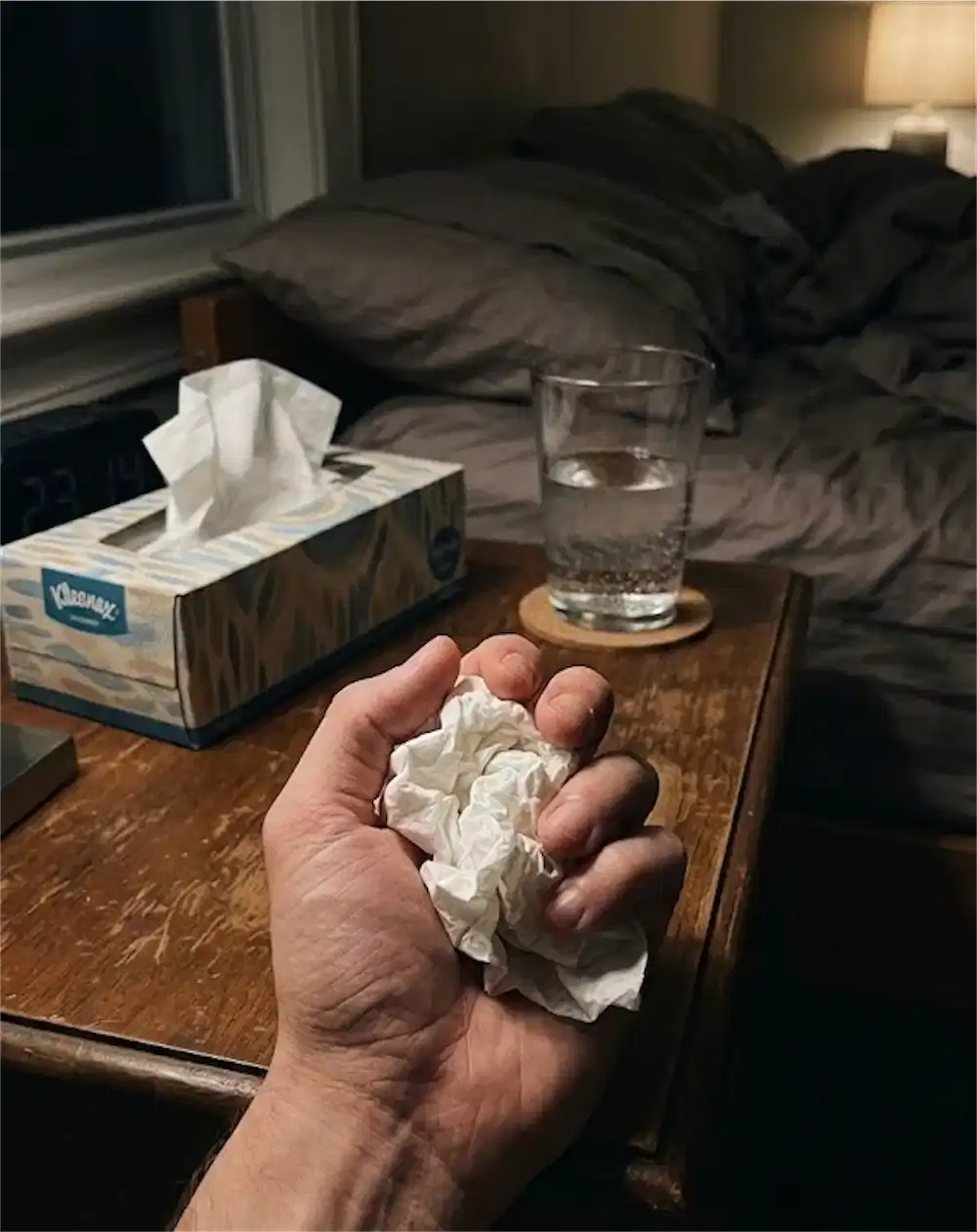
I got sick constantly. Every cold that went around the office, I caught it. What should have been a minor bug would knock me out for weeks. I developed recurring infections that my doctor couldn’t explain—urinary tract infections, yeast infections, and respiratory infections that required multiple rounds of antibiotics.
Chronic stress suppresses your immune function. When cortisol is constantly elevated, your body’s ability to fight off infections decreases dramatically. According to the National Center for Biotechnology Information, psychological stress is directly linked to increased susceptibility to illness and slower wound healing.
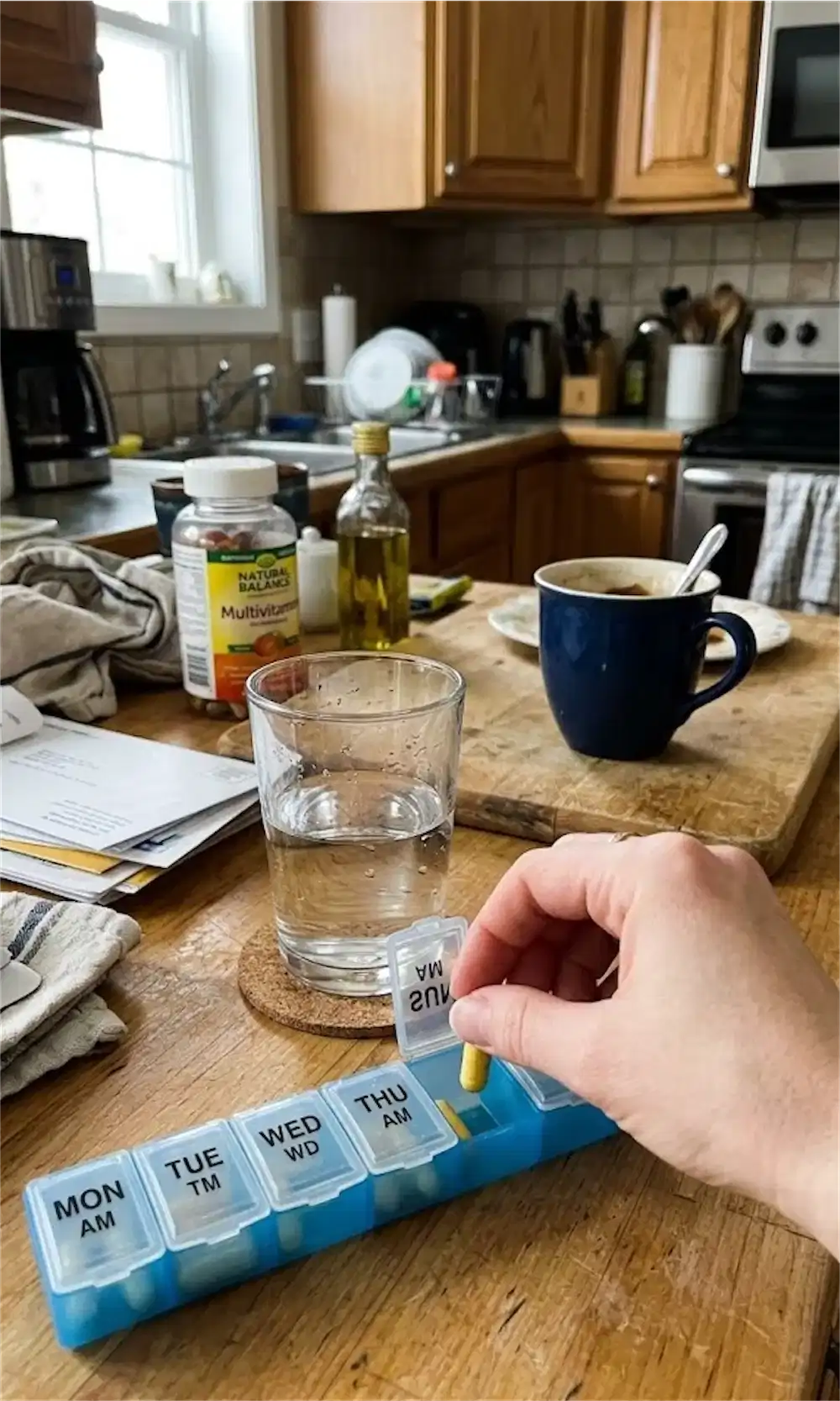
I started taking every supplement imaginable—vitamin C, zinc, elderberry, you name it. While quality immune support supplements can help, they’re just a band-aid when the real problem is ongoing emotional trauma. My immune system didn’t truly recover until I removed myself from the source of chronic stress.
7. Heart Palpitations and Chest Tightness
This symptom scared me the most. I’d be sitting at my desk at work, and suddenly my heart would start racing for no apparent reason. Sometimes I’d feel like an elephant was sitting on my chest. The first time it happened, I went to the emergency room, convinced I was having a heart attack at 34.
The ER doctor ran tests—EKG, blood work, chest X-ray—and found nothing wrong with my heart. “Anxiety,” he concluded, handing me a pamphlet about panic attacks. I felt dismissed and confused. I didn’t feel anxious in the moment the palpitations started. What I didn’t understand then was that my body was responding to threats my conscious mind had learned to minimize.
Those heart palpitations were my nervous system’s way of saying, “We’re not safe here.” They were particularly bad after gaslighting incidents or when my partner would suddenly withdraw affection without explanation. My body was reacting to emotional abandonment as a physical threat, flooding my system with adrenaline and causing my heart to race.
If you’re experiencing similar symptoms, please get them checked out by a medical professional first to rule out actual cardiac issues. But if the tests come back clear and you’re in a toxic relationship, consider that your body might be sending you a different kind of warning signal.
8. Unexplained Weight Changes
My weight fluctuated wildly during those 12 years. Sometimes I’d lose weight rapidly because anxiety killed my appetite and I’d forget to eat. Other times I’d gain weight quickly, using food as the only source of comfort and dopamine in my life. My partner commented on both—criticizing me when I gained weight, then expressing concern (laced with subtle digs) when I lost too much.
Stress affects metabolism in complex ways. Elevated cortisol can lead to increased fat storage, particularly around the midsection. It also disrupts hunger hormones like leptin and ghrelin, making it harder to recognize when you’re actually hungry or full. Add in the emotional eating that many people use to cope with abuse, and you have a recipe for weight issues that feel impossible to control.
I tried every diet, every exercise program. Nothing worked long-term because I was trying to solve a physical problem with a physical solution when the real issue was emotional and psychological. My weight stabilized naturally within six months of leaving the relationship and starting trauma therapy.
Why Your Body Reacts This Way
Understanding the physiology behind these symptoms helped me stop blaming myself for my body’s “failures.” When you’re in a toxic relationship—particularly one involving narcissistic abuse, borderline behaviors, or other forms of emotional manipulation—your body is doing exactly what it’s supposed to do.
The problem is that your threat detection system is designed for acute danger (like escaping a predator), not chronic emotional abuse that spans years. Your body can handle short bursts of stress. It cannot handle 12 years of intermittent reinforcement, gaslighting, and emotional volatility without breaking down.
Every symptom I experienced was my body’s attempt to protect me or signal that something was wrong. The fatigue was trying to force me to rest. The digestive issues were trying to reject the toxicity I was consuming daily. The insomnia was keeping me alert to danger. The immune suppression was my body prioritizing immediate survival over long-term health.
Your body isn’t broken. It’s responding appropriately to an inappropriate situation. That’s a critical distinction that took me years to understand. For more on recognizing these patterns, read about the long-term effects of narcissistic abuse and how they manifest physically.
What Helped Me Heal Physically
Physical healing followed emotional healing, not the other way around. I couldn’t supplement or exercise my way out of symptoms caused by ongoing trauma. The first and most important step was implementing no contact with my ex-partner and removing myself from the toxic environment.
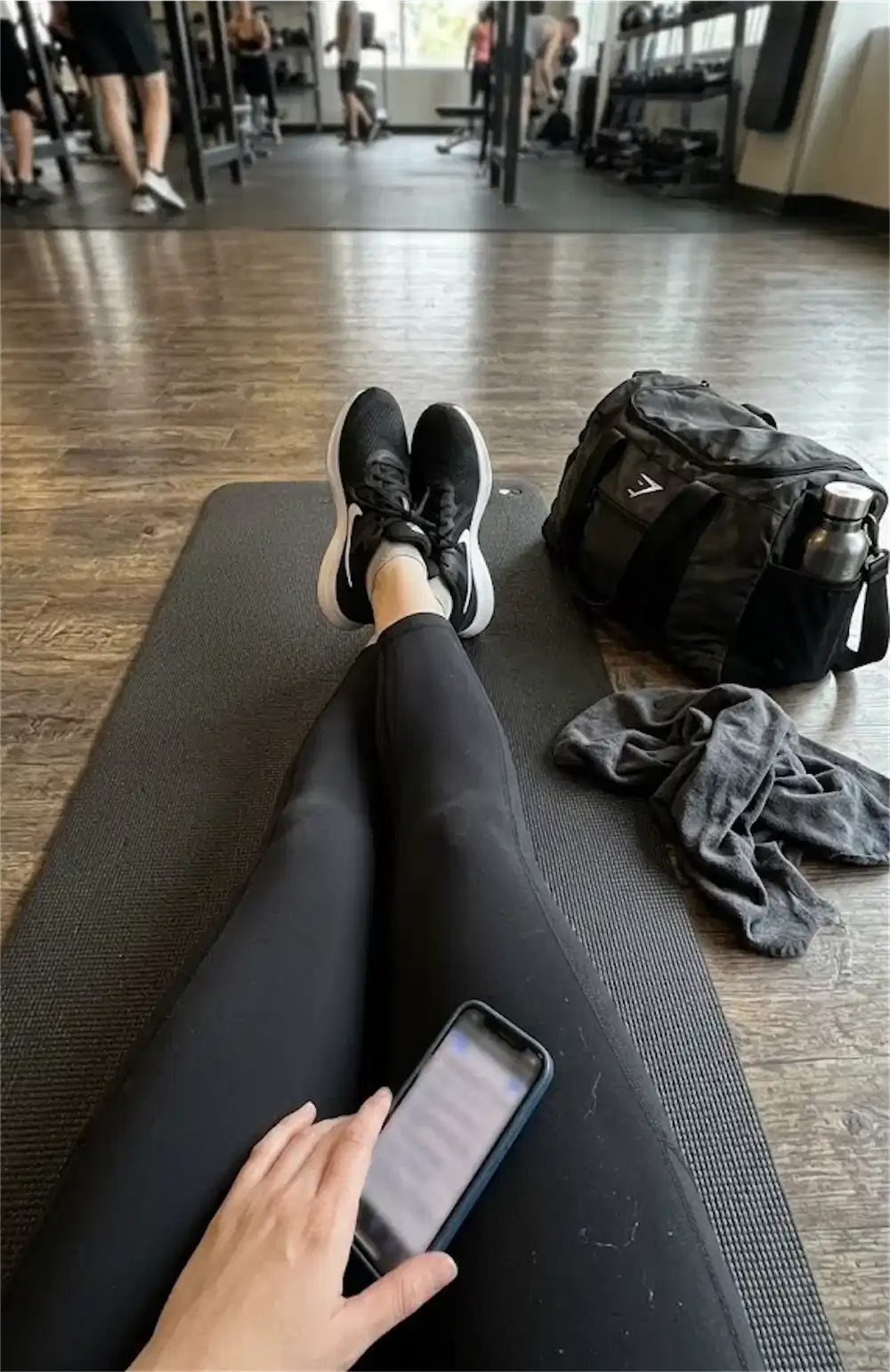
Once I was physically safe, I focused on nervous system regulation. This included working with a trauma-informed therapist who specialized in somatic experiencing—a type of therapy that addresses trauma stored in the body. I also incorporated daily practices like gentle yoga, walking in nature, and breathing exercises that helped shift my nervous system out of constant fight-or-flight mode.
Sleep improved when I established consistent morning routines and evening wind-down rituals that signaled safety to my nervous system. I invested in blackout curtains, white noise, and created a bedroom environment that felt like a sanctuary rather than a place I associated with hypervigilance.
Nutrition played a role too, but not in the way I expected. I stopped restrictive dieting and focused on nourishing my body consistently—three meals a day, plenty of protein, and foods that supported gut health. I worked with a nutritionist who understood trauma and didn’t prescribe another restrictive eating plan that would just add more stress.
Regular medical checkups were important for ruling out any conditions that developed as a result of chronic stress. I got my thyroid checked, had hormone panels done, and addressed the dental damage from years of grinding my teeth. Taking care of these physical issues was part of reclaiming my body and my health.
The physical symptoms didn’t disappear overnight. Recovery isn’t linear. But within a year of leaving and committing to trauma-informed healing, I saw dramatic improvements. The migraines decreased in frequency and intensity. My digestion normalized. I slept through the night. My immune system strengthened.
Most importantly, I learned to listen to my body’s signals instead of ignoring or medicating them away. Those physical symptoms weren’t signs of weakness or proof that something was wrong with me. They were evidence that my body was working correctly in an abnormal situation.
Your Body Remembers, But It Can Also Heal
If you’re reading this while still in a toxic relationship and experiencing these physical symptoms, please know that you’re not imagining them. They’re real, they’re valid, and they’re your body’s way of communicating what your mind might not be ready to accept yet.
You deserve to feel good in your body again. You deserve to wake up without that knot in your stomach, to go through a day without a tension headache, to fall asleep peacefully at night. These things are possible, but they require addressing the root cause—the ongoing emotional trauma—not just treating the symptoms.
Healing is possible. Your body has an incredible capacity to recover once it’s given safety, support, and time. I’m living proof of that. The woman who couldn’t sleep through the night, who got sick every month, who felt 60 at 35—that’s not who I am anymore. And if you’re in this situation right now, that doesn’t have to be who you are either.
Trust your body. It’s been trying to tell you the truth all along.
Recommended Resources
- The Body Keeps the Score by Bessel van der Kolk – Essential reading on how trauma affects the body and nervous system
- Nervous System Regulation Tools – Practical tools for calming your fight-or-flight response
- Trauma Recovery Workbooks – Structured healing exercises for processing trauma stored in the body
- Our Full List of Recommended Books – Curated resources for narcissistic abuse recovery
- Recovery Tools & Resources – Practical strategies for healing after toxic relationships

Meet Your Guide
Helen Brooks
After surviving a 12-year NPD/BPD relationship, I dedicated over a decade to studying trauma bonding and nervous system recovery. My mission is to help you break free from the fog and reclaim your authentic self.
Ready to break the trauma bond and reclaim your life?