5 Childhood Marriage Dynamics That Attract Narcissistic Partners in Adulthood
When I started therapy after my twelve-year relationship ended, my therapist asked me to describe my parents’ marriage. I remember thinking, “What does that have to do with anything?” Turns out, it had everything to do with why I stayed with someone who had both NPD and BPD traits for over a decade.
The marriage you witnessed growing up becomes your template for what “normal” looks like in relationships. If you grew up watching unhealthy dynamics play out between your parents, you’re wired to seek out familiar patterns, even when those patterns hurt you. Your nervous system recognizes the chaos as “home,” and that recognition feels safer than the unknown territory of a healthy relationship.
Understanding these patterns isn’t about blaming your parents. It’s about recognizing why you keep attracting the same type of person and finally breaking the cycle. Here are five specific childhood marriage dynamics that set you up to become a target for narcissistic partners later in life.
The Volatile Marriage Pattern: When Love Looked Like Drama
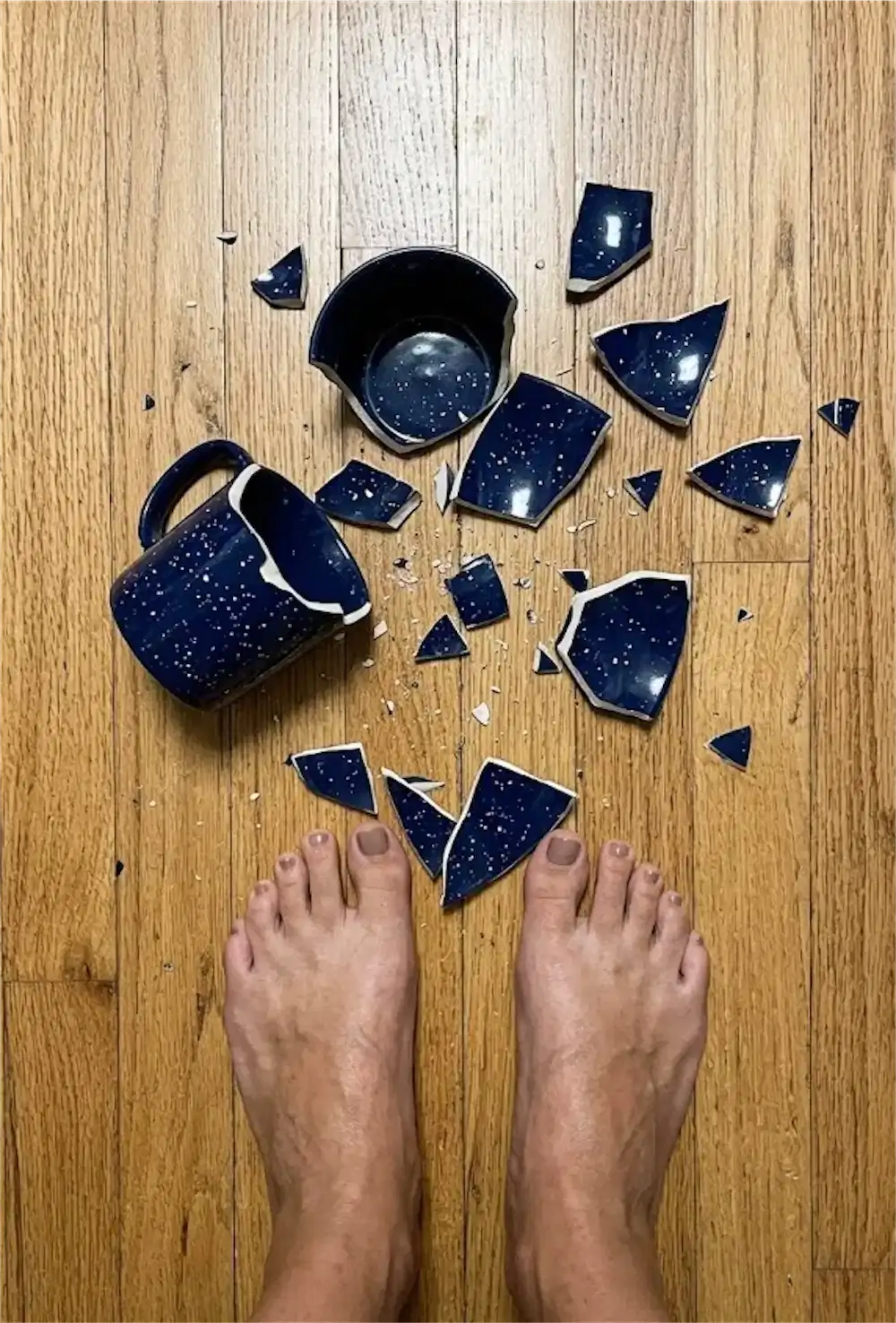
If your parents had a relationship filled with screaming matches followed by passionate makeups, you learned that love is supposed to hurt. The intensity became your baseline. Calm, stable relationships felt boring or “off” because your nervous system was trained to stay alert for the next explosion.
I watched my parents fight loudly and often. They would slam doors, yell accusations, and then a few days later act like nothing happened. When I met my ex, the rollercoaster felt familiar. The highs were incredible, and the lows were devastating. I thought that’s what passion looked like. It wasn’t passion. It was trauma bonding.
Children who grow up in volatile homes develop hypervigilance. You learn to read micro-expressions, predict mood shifts, and manage other people’s emotions to keep yourself safe. These are the exact skills that narcissists exploit. They need someone who can tolerate chaos, someone who will work hard to “earn” stability. You became the perfect candidate.
Research from the American Psychological Association shows that children exposed to interparental conflict develop altered stress response systems. Your body learned that relationships equal danger, but also that the danger is survivable if you just try hard enough.
The Silent Treatment Home: When Silence Was Weaponized
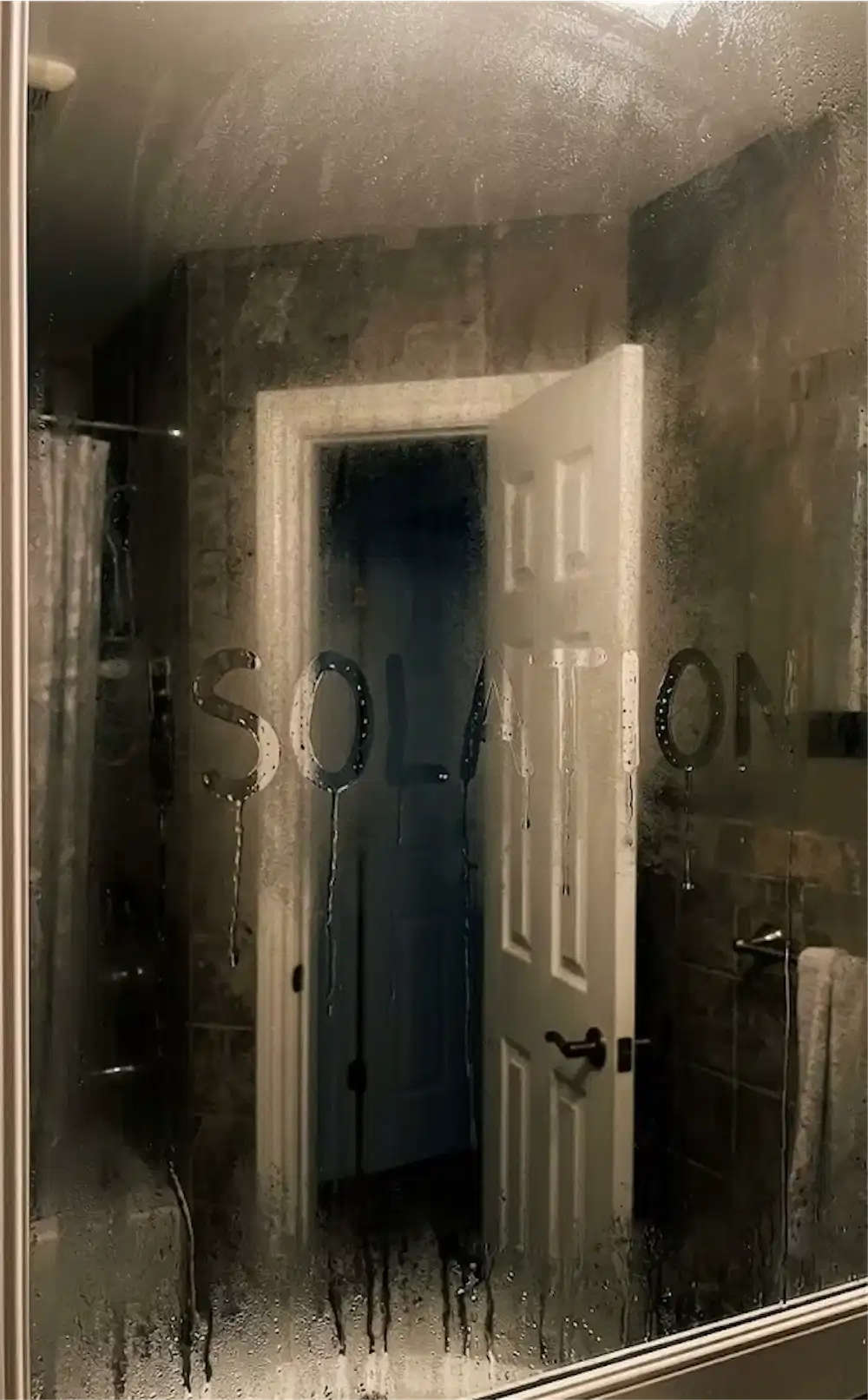
Maybe your home wasn’t loud. Maybe it was eerily quiet. One parent would shut down, refuse to speak for days, and the other would tiptoe around trying to fix whatever invisible crime had been committed. If this was your childhood, you learned that connection is conditional and can disappear without explanation.
The silent treatment is a form of emotional abuse that narcissists use masterfully. When my ex would go silent, I would panic. That panic wasn’t new. It was the same terror I felt as a child when one of my parents would ice out the other for days at a time. I became desperate to restore connection, willing to admit to things I didn’t do, just to make the silence stop.
You learned that your existence was negotiable. If you said the wrong thing, wore the wrong expression, or failed to read someone’s mind, you would be punished with abandonment. Narcissistic partners love this dynamic because they can control you without ever raising their voice. The threat of withdrawal is enough to keep you compliant.
If you want to understand more about how these early patterns show up in adult relationships, I wrote about specific childhood dynamics that make you vulnerable to narcissists.
The Rescuer/Victim Dynamic: When One Parent Always Needed Saving
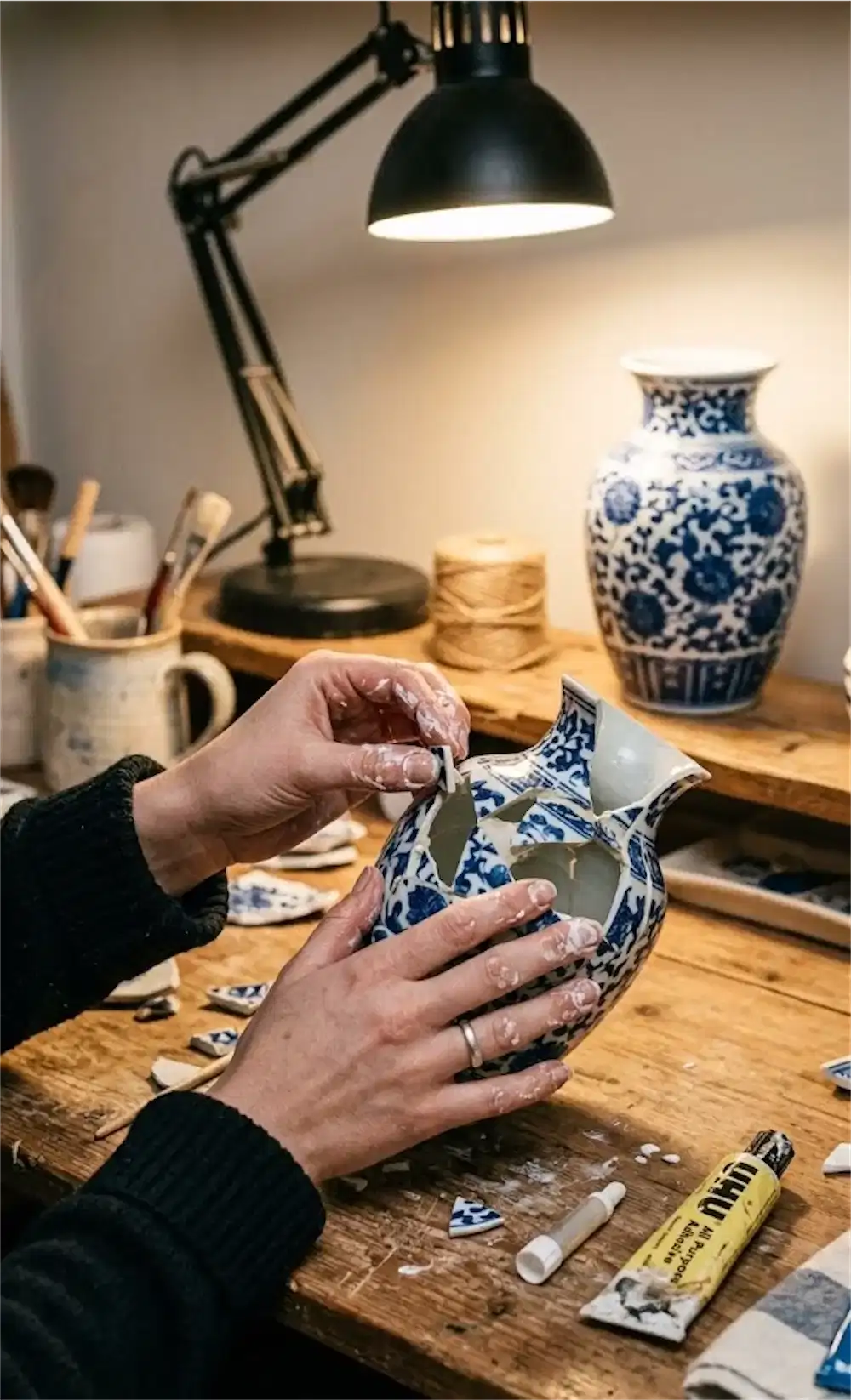
In some marriages, there’s a clear rescuer and a clear victim. One parent was always the “strong one” who held everything together while the other was perpetually in crisis. Maybe one struggled with addiction, chronic illness, or just emotional instability. The other parent became their caretaker, their therapist, their entire support system.
If this was your model, you internalized a dangerous belief: love means sacrificing yourself to save someone else. You learned that your needs come last, that relationships require one person to be strong and one person to be broken. When you met your narcissistic partner, you saw someone who “needed” you, and that felt like love.
I spent twelve years trying to “heal” my ex. I thought if I loved them hard enough, understood them deeply enough, they would finally become stable. That’s what I watched my mother do with my father. She stayed through addiction, through rage, through infidelity, always believing that her love would eventually be enough. It never was. And mine wasn’t either.
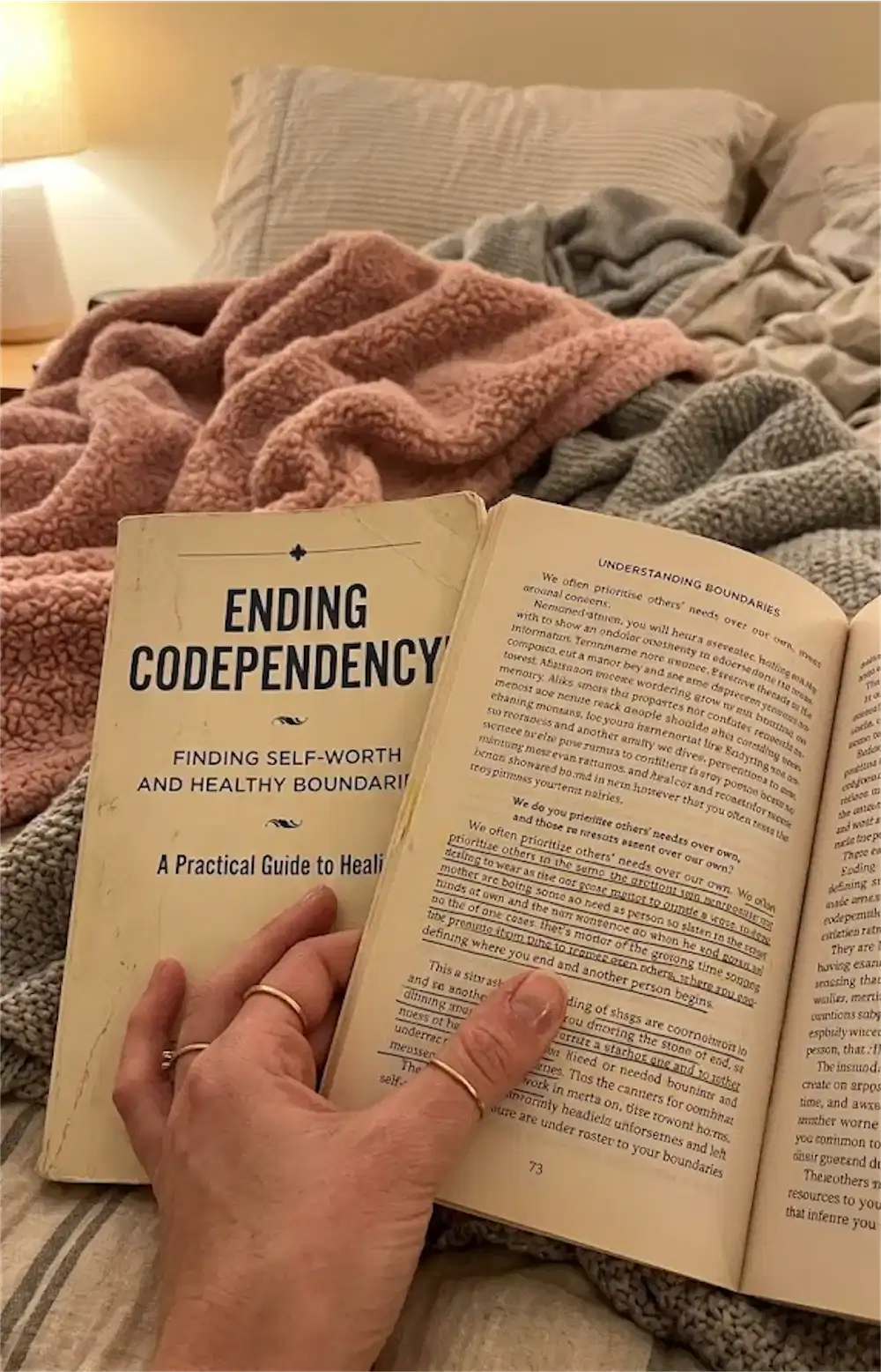
Narcissists are drawn to rescuers because rescuers don’t have boundaries. You were trained to see someone else’s pain as your responsibility. The concept of walking away from someone “in need” felt cruel, selfish, impossible. A book like Codependent No More helped me see that rescuing isn’t love. It’s a compulsion born from childhood survival.
The Conditional Love Environment: When Affection Had Strings Attached
Some childhoods don’t feature screaming or silence. They feature something more subtle: conditional approval. In these homes, love was earned through achievement, compliance, or performing a certain role. Your parents’ relationship functioned the same way. Affection was transactional. One parent had to be “good enough” to receive the other’s attention.
This taught you that love is something you have to work for, prove you deserve, and can lose at any moment. You became an overachiever, a people-pleaser, someone who scans every interaction for signs that you’re falling short. Narcissists thrive with partners like this because you’ll never stop trying to earn something they’ll never consistently give.
My ex would give me just enough affection to keep me hooked, then withdraw it the moment I relaxed. I thought I was doing something wrong. I thought I needed to be better, prettier, quieter, louder, whatever they seemed to want that day. This exhausting dance felt normal because I’d watched my parents do the same thing for eighteen years.
Dr. Jonice Webb’s work on Childhood Emotional Neglect explains how children who grow up with conditional love develop a core belief that they are fundamentally unworthy. You spend your adult life trying to disprove that belief by finding someone who will finally love you unconditionally. But you keep choosing people who reinforce the original wound instead.
The Enmeshed Boundaries Model: When Parents Had No Separation
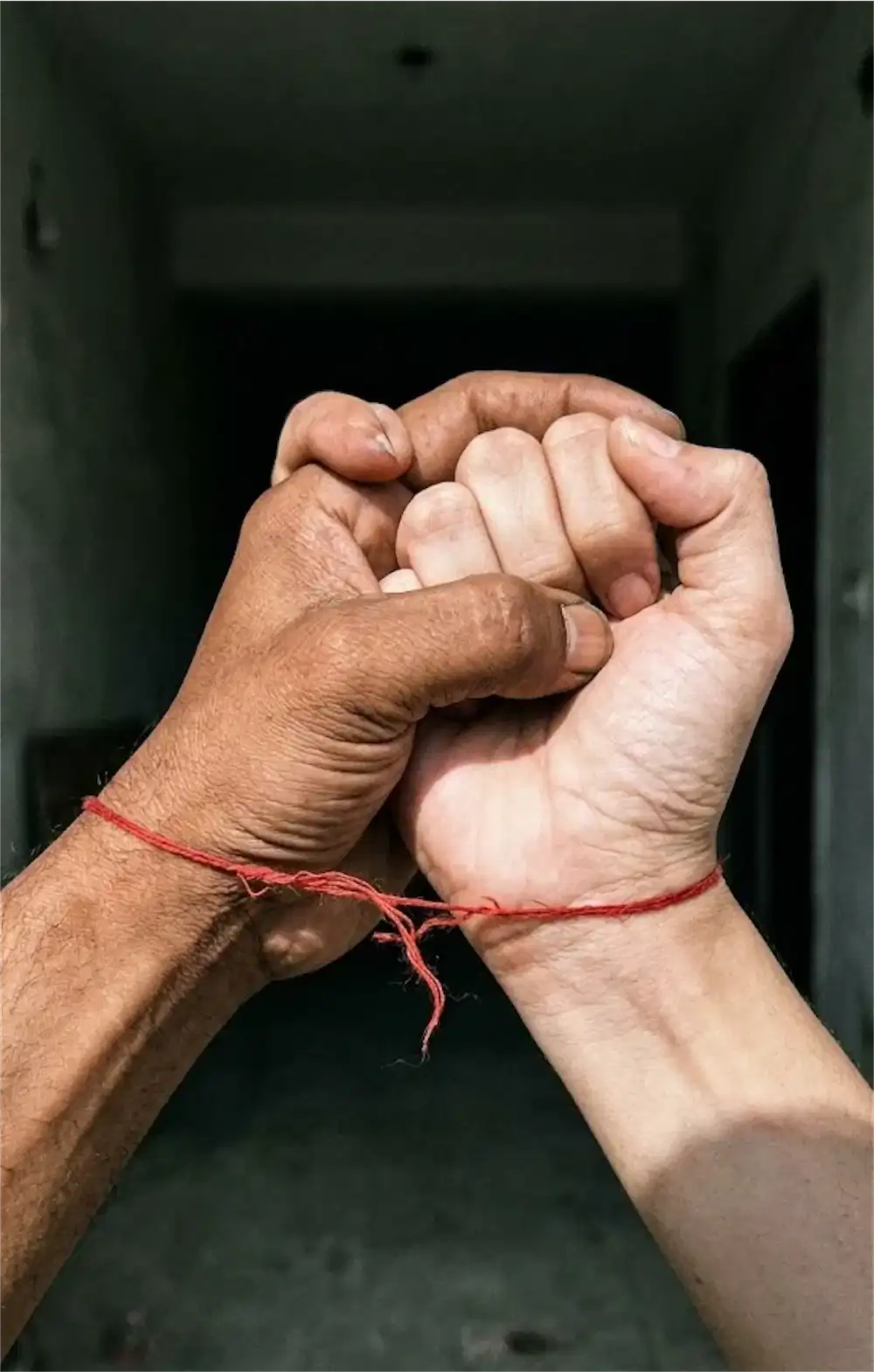
Enmeshment is when two people are so tangled together that they lose their individual identities. If your parents operated as a single unit with no personal boundaries, you never learned that it’s healthy to have separate thoughts, feelings, and interests from your partner. You learned that intimacy means fusion.
In these families, one person’s mood dictates everyone’s mood. One person’s problem becomes everyone’s crisis. Privacy doesn’t exist. Disagreement is viewed as betrayal. When you enter adult relationships, you unconsciously seek out this same level of entanglement because anything less feels like rejection.
Narcissists love enmeshed partners because you don’t know how to maintain a self. You’re easy to absorb. In my relationship, I stopped having opinions that differed from my ex’s. I stopped seeing friends they didn’t approve of. I even started to adopt their political views, their taste in music, their entire worldview. I thought this was what love required. It wasn’t love. It was the erasure of my identity.
Breaking this pattern requires learning skills your family never taught you: how to say no, how to have separate interests, how to tolerate someone being upset with you without abandoning yourself to fix it. Therapy was where I finally learned these basics. If you’re looking for more structured guidance, I detailed the therapy insights that helped me break the toxic attraction cycle.
Recognizing the Pattern Is the First Step
When I first learned about how my parents’ marriage had shaped my relationship choices, I felt angry. Why did I have to do all this work to undo something I didn’t choose? But the anger eventually shifted into something more useful: awareness. You can’t change a pattern you don’t see.
Start paying attention to what feels “normal” in your relationships. Does chaos feel like home? Does silence trigger panic? Do you feel responsible for other people’s emotions? Do you lose yourself in relationships? These aren’t character flaws. They’re learned responses that once kept you safe but now keep you stuck.
One tool that helped me was keeping a trauma recovery journal where I tracked my reactions and traced them back to childhood moments. The connections became impossible to ignore. I also found that reading about attachment theory gave me language for what I’d experienced. Attached by Amir Levine and Rachel Heller was particularly eye-opening.
For a deeper look at what I learned from over a decade in a toxic relationship, you can read my full lessons from 12 years with a narcissist.
What Healing Actually Looks Like
Healing from these childhood patterns doesn’t mean you’ll never be attracted to the wrong person again. It means you’ll recognize the red flags faster and have the tools to walk away before you’re fully entangled. It means you’ll start to notice when someone treats you with consistent respect and you won’t find it boring. You’ll find it refreshing.
I’m not going to lie and say I’m completely “fixed.” Some days I still catch myself falling into old patterns, wanting to rescue someone or feeling anxious when a relationship is too peaceful. But now I notice it. I pause. I choose differently. That’s what recovery looks like. Not perfection, just progress.
You deserve a relationship where you don’t have to walk on eggshells, where silence isn’t a weapon, where your needs matter as much as your partner’s. That kind of relationship is possible, but first you have to do the hard work of understanding why you’ve accepted less. Your childhood set the stage, but you get to write the rest of the story.
Recommended Resources
- Running on Empty by Dr. Jonice Webb – The definitive guide to understanding Childhood Emotional Neglect and how it shapes adult relationships.
- Adult Children of Emotionally Immature Parents by Lindsay Gibson – Helped me make sense of my family dynamics and stop repeating them.
- The Drama of the Gifted Child by Alice Miller – A classic on how childhood adaptations to dysfunctional parents follow you into adulthood.

Meet Your Guide
Helen Brooks
After surviving a 12-year NPD/BPD relationship, I dedicated over a decade to studying trauma bonding and nervous system recovery. My mission is to help you break free from the fog and reclaim your authentic self.
Ready to break the trauma bond and reclaim your life?