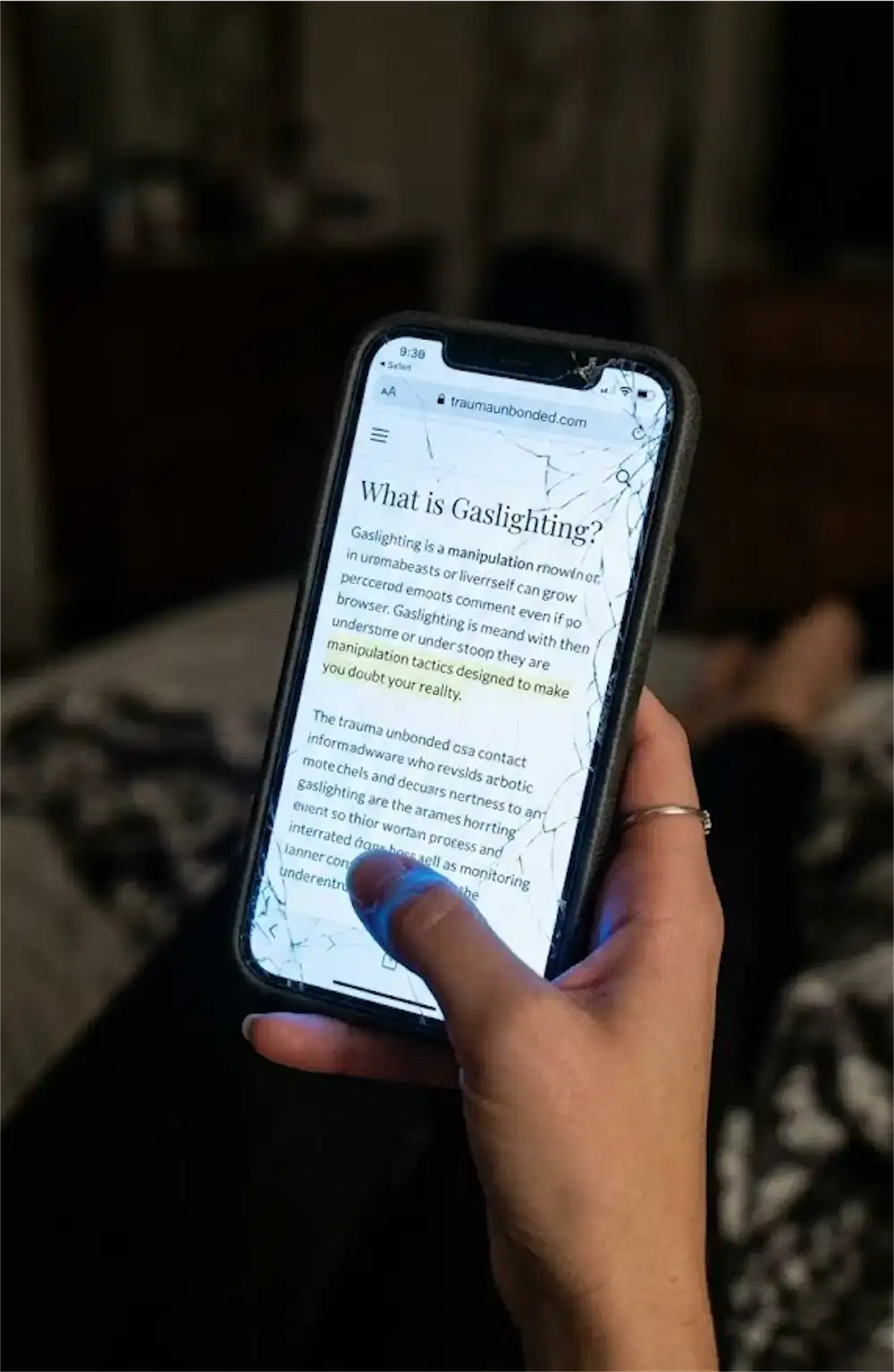
Why Narcissists Accuse You of the Exact Things They Are Doing (Psychological Projection)
Why narcissists accuse you of the exact things they are doing is one of the most disorienting experiences you can face in a toxic relationship. When you are stuck in the thick of it, trying to figure out why your partner calls you a liar while they hide secret bank accounts is exhausting. I spent years in a fog of confusion, searching online for terms like why does my narcissistic partner accuse me of cheating and trying to make sense of the madness.
During my 12-year relationship with a partner who struggled with both narcissistic and borderline personality traits, I felt like I was constantly on trial. I lost my friends, abandoned my hobbies, and felt completely isolated because I was spending all my energy defending my integrity. This pain is what drove me to therapy and eventually led me to write a guide on healing from gaslighting and emotional manipulation to help others reclaim their sanity.
Why do these individuals seem to have a script that turns their own worst traits onto you? Is it possible they actually believe their own lies? Let us look at why this psychological behavior happens and how you can protect your mind.
Why Narcissists Accuse You of the Exact Things They Are Doing
Narcissists accuse you of their own behaviors because they cannot tolerate their own shame, guilt, or flaws. By projecting these unacceptable traits onto you, they attempt to rid themselves of internal anxiety and force you to carry the weight of their bad actions.

What exactly is psychological projection? In simple words, it is when someone takes their own unacceptable thoughts, feelings, or actions and assigns them to someone else. It is a primitive defense mechanism that keeps their fragile ego from collapsing under the weight of their own flaws.
In my decade-long relationship, this happened almost daily. If my partner was secretly talking to someone else, I was the one accused of being untrustworthy. If they felt insecure about their career, they called me lazy and unsuccessful. This constant blame-shifting creates deep cognitive dissonance in your mind, making you question your own memory.
According to the defense mechanism theory, this is an unconscious coping method designed to avoid facing one’s own shadow. This concept is an unconscious defense mechanism explained by Psychology Today. For a highly defensive person, admitting a mistake feels like psychological death, so they must make it your fault.
Have you ever spent hours drafting long text messages trying to prove your innocence to someone who is committed to misunderstanding you? I did this for years. I thought if I just presented enough logical proof, they would finally see the truth. But logic does not work on a mind that is actively trying to escape its own shame.
The Real Reasons Behind Narcissistic Accusations
Why can they not just own up to their actions? The answer lies in their deep-seated shame and lack of a stable sense of self. They lack the emotional maturity to say, “I made a mistake,” so their brain automatically rewrites the narrative.
Here are the primary drivers behind this toxic behavior:
- Ego Protection: They cannot handle the reality of being imperfect, so they push their bad behavior onto you to keep their self-image clean.
- Deflection and Distraction: If you are busy defending yourself against false accusations, you do not have time to look at what they are actually doing in the dark.
- Control and Domination: Forcing you into a state of confusion keeps you weak, anxious, and easily managed.
- Shame Dumping: They feel a deep, toxic self-loathing inside, and the only way they know how to get relief is by making you feel just as bad as they do.
I remember when my ex accused me of being financially irresponsible because I bought a simple cup of coffee. Years later, I discovered they had run up thousands of dollars in hidden debt. The projection was a shield to keep me from asking questions about our shared finances.
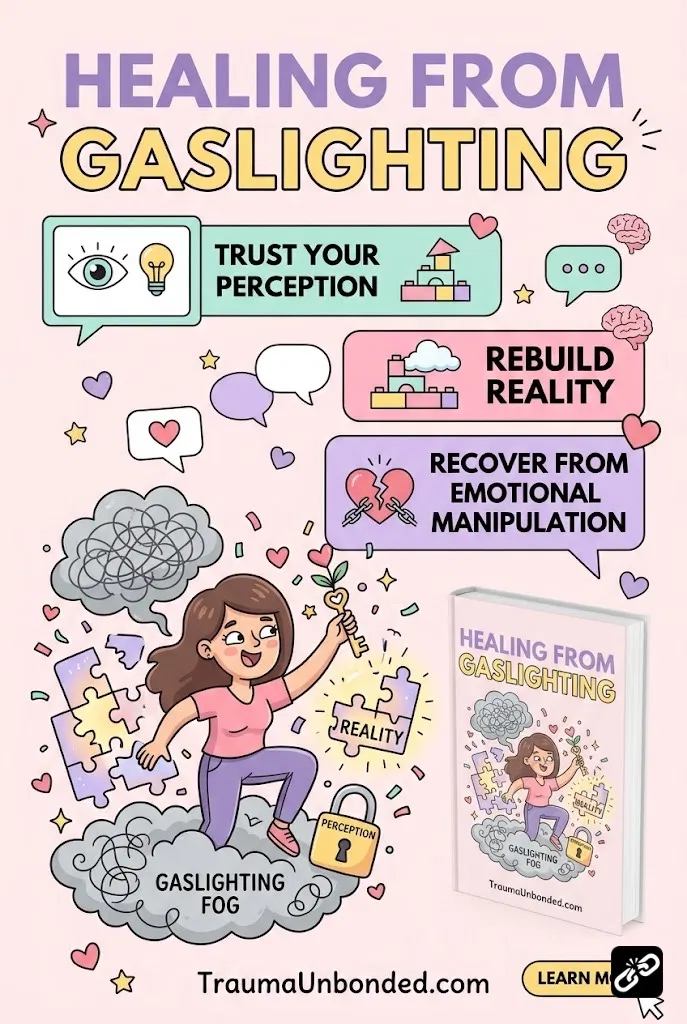
When you live with this kind of constant reality-distortion, it is incredibly easy to lose your grip on what is real. To help you break free from this mental trap, stop defending yourself, and rebuild your confidence, I developed a step-by-step workbook. It contains the exact strategies I used to regain my footing after twelve years of psychological warfare.
The Lasting Impact of Walking on Eggshells

Living under a cloud of false accusations ruins your mental health over time. You stop trusting your own memory, and you develop a deep sense of self doubt after abuse. Your nervous system stays in a constant state of hypervigilance, waiting for the next absurd allegation to drop.
When I finally walked away, I was a shell of my former self. I did not know what I liked to do anymore, and I felt like a criminal in my own life. I spent hours looking over old journals, trying to prove to myself that I was actually a good person. It took professional therapy and a lot of inner work to realize that the accusations were never about me. They were a detailed confession of my partner’s own actions.
How do we recover from this level of mental exhaustion? We have to stop participating in their theater. We have to realize that when they point a finger at us, they are actually showing us exactly what they are doing behind closed doors.
How to Protect Your Mind From Narcissistic Projection
When you realize that their accusations are actually confessions, the game changes. You no longer feel the burning need to defend your character because you know the accusation has nothing to do with you.
Here is how you can protect your sanity when dealing with this manipulation:
- Stop Explaining Yourself: Do not try to defend your character to someone who is committed to misunderstanding you. Say something simple like, “I know the truth, and I do not need to argue about this,” and walk away.
- Recognize the Confession: When they accuse you of something outrageous, quietly ask yourself if they are actually describing their own behavior. This shifts your role from an emotional target to a detached observer.
- Build a Private Journal: Keep records of your actual activities and interactions for your own peace of mind. Do not show this to the narcissist as evidence, because they will only use it to find new ways to gaslight you.
- Limit Contact: The ultimate defense is distance. Implementing a radical no contact guide strategy is often the only way to fully heal your mind.
Will they ever stop projecting? No, they will not. As long as they refuse to look inward, they will continue to throw their toxic waste onto anyone close enough to receive it. Your job is not to fix them or convince them of your innocence, but to step out of the line of fire.
Reclaiming Your Narrative
You do not have to carry the shame of things you never did. When you finally stop accepting their projections, you begin to return to your original, cheerful self. I survived twelve years of this madness, and I promise you that peace is possible on the other side. If you are ready to stop doubting your memory and heal from this psychological warfare, grab a copy of my guide on healing from gaslighting and rebuilding reality and start your journey back to yourself today.

Meet Your Guide
Helen Brooks
After surviving a 12-year NPD/BPD relationship, I dedicated over a decade to studying trauma bonding and nervous system recovery. My mission is to help you break free from the fog and reclaim your authentic self.
Ready to break the trauma bond and reclaim your life?