Triangulation Recovery: How to Stop Comparing Yourself to the Narcissist’s New Partner
If you are searching for triangulation recovery because you cannot stop comparing yourself to the narcissist’s new partner, please know you are not alone in this deep pain. It is completely normal to feel discarded, replaced, and deeply broken after a toxic relationship ends.
During my own twelve year relationship with a partner who struggled with both narcissistic and borderline personality traits, I spent months agonizing over the new person, wondering what they had that I lacked. Learning how to recover from narcissistic triangulation is the first step toward reclaiming your sanity and breaking the invisible chains of this psychological game.
Why do we obsess over someone we do not even know? How can they look so happy when we are left in pieces? In the early stages of healing from a toxic relationship discard, these questions loop in your mind like a broken record, draining your emotional energy.
This comparison loop is not a sign of weakness. Instead, it is the direct result of a highly calculated psychological game that was played on you for years, leaving your nervous system completely dysregulated.
What is Narcissistic Triangulation in a Toxic Relationship?
Narcissistic triangulation is a manipulation tactic where an abuser brings a third person into the dynamic to create jealousy, competition, and insecurity. This strategy is designed to make you fight for the abuser’s attention while lowering your self-esteem so you remain easier to control.

When you spent a decade or more with a toxic partner, you likely experienced this daily without even realizing it. They might have compared you to their coworkers, their friends, or even their exes, dropping subtle hints that you were never quite enough.
According to research on narcissistic triangulation, this tactic creates chronic insecurity, keeping you in a constant state of performance trying to please them.
In my twelve year relationship, my ex would constantly praise a new friend’s achievements or appearance, waiting to watch my face fall. It felt like standing on a trapdoor, never knowing when the lever would be pulled.
When the final breakup happened, they immediately paraded a new partner on social media, making me feel completely invisible. This post-breakup triangulation is the ultimate grand finale of their game.
It is designed to prove that you were the problem all along and that they have moved on to someone better. But is that really the truth?
The Illusion of the Happy New Relationship
When you see pictures of your ex smiling with their new partner, your brain instantly fills in the gaps with painful assumptions. You tell yourself that they are giving this new person the love, respect, and commitment they always withheld from you.
You assume the new partner is smarter, more attractive, or simply better suited for them. However, you must remember that you are viewing a highly curated performance.
The narcissist has not magically healed their deep personality issues overnight; they have simply found a fresh source of validation. The new partner is currently in the same love-bombing phase that once swept you off your feet years ago.
They are being fed the same lines, the same promises, and the same intense attention. But just as the seasons change, the devaluation phase will inevitably arrive for them too.
Understanding this pattern helps you shift your perspective from feeling rejected to feeling relieved that you are no longer the one trapped in that cycle.
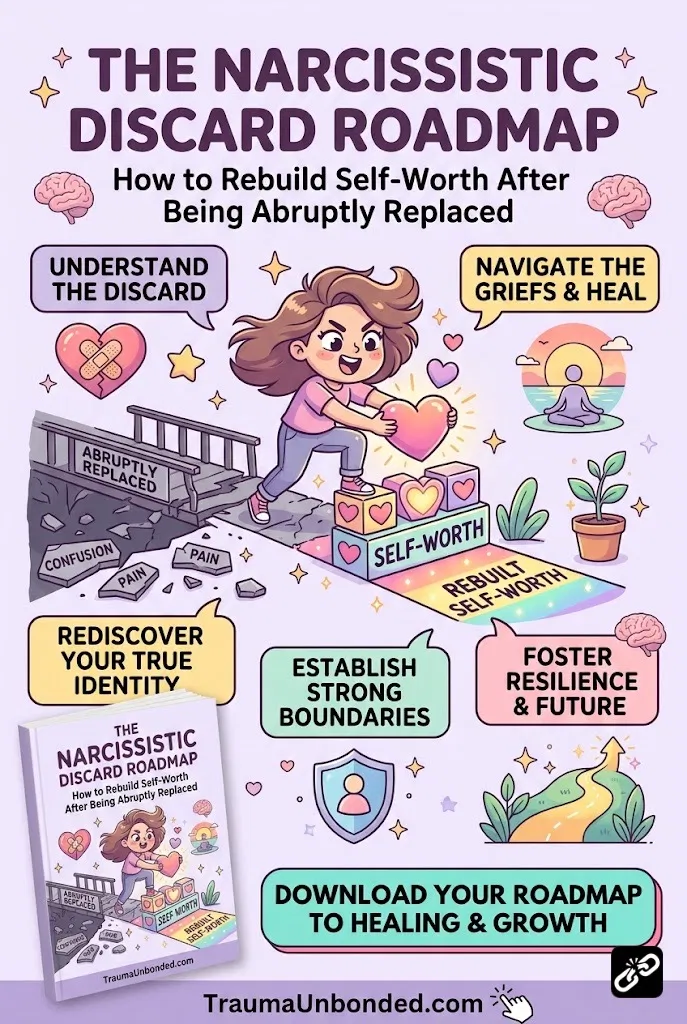
If you feel stuck in this mental loop and need a clear, actionable plan to rebuild your life and stop feeling replaced, the resource below can help you find your footing again.
Practical Steps to Stop the Comparison Cycle

Breaking free from the mental habit of comparing yourself to the new partner requires shifting your focus back to your own healing. You cannot control what your ex does, but you have absolute power over where you direct your attention.
Here are the most practical strategies to begin your recovery today:
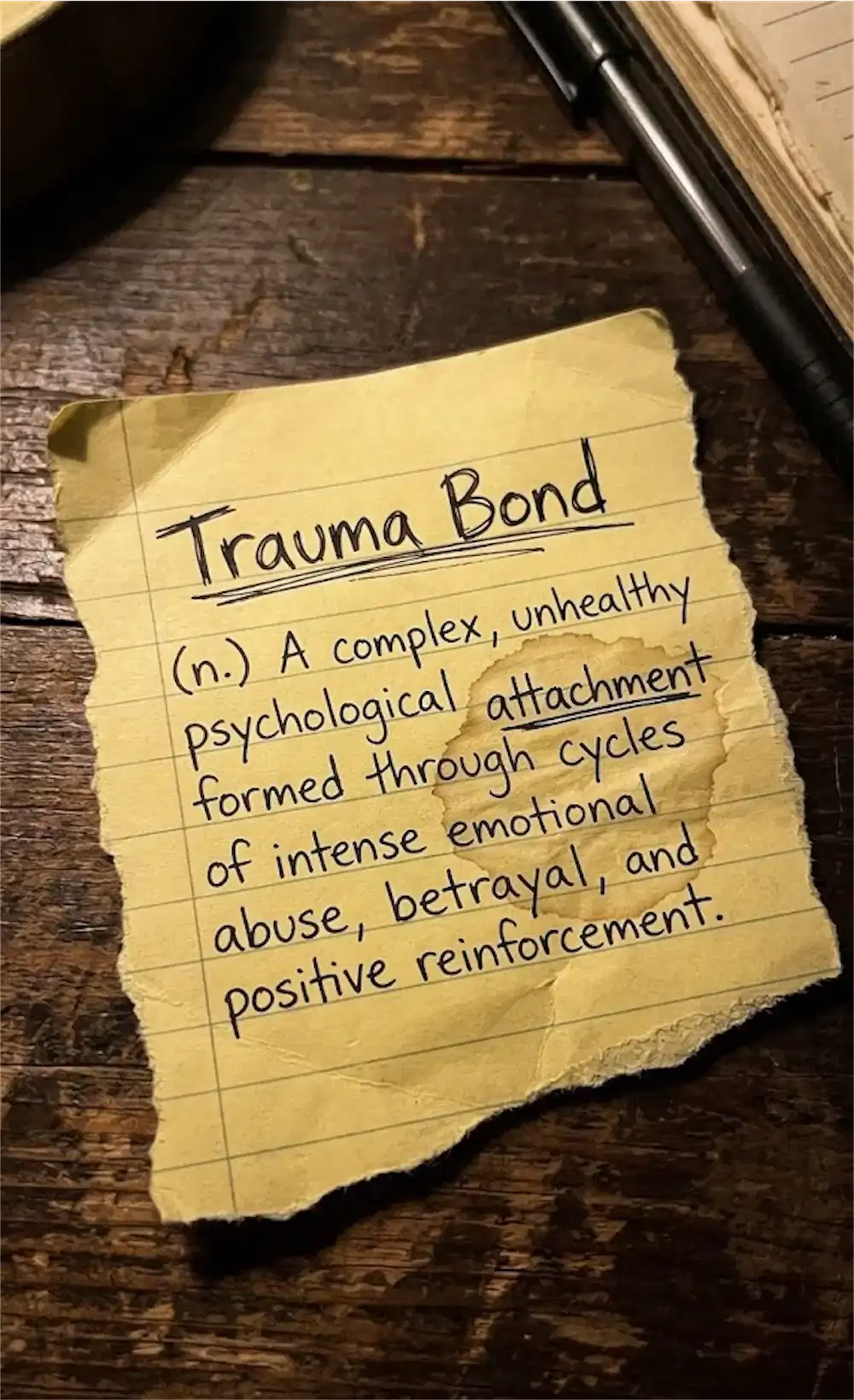
- Stop checking your ex’s social media. When you check up on them, you feed the trauma bond. You can read my guide on how to stop checking your ex’s social media to help block those digital urges.
- Reframe the “better” narrative. Remind yourself that the new partner did not win a prize; they inherited a partner who is incapable of healthy love. The narcissist’s patterns do not change, only their targets do.
- Acknowledge your trauma bond withdrawal symptoms. The intense urge to compare and obsess is a physical reaction to the sudden loss of high-stress hormones like cortisol and adrenaline. Recognizing these physical trauma bond withdrawal symptoms can help you treat yourself with more kindness.
- Focus on sensory grounding. When you feel your mind wandering to the new couple, touch a cold surface, splash cold water on your face, or list five things you can see in your room right now to bring your nervous system back to safety.
By putting these boundaries in place, you begin to starve the mental obsession of its fuel. It is a slow, daily practice, but over time, the urge to look back will lose its grip on you.
Distinguishing Your Voice from the Abuser’s Voice
One of the hardest parts of triangulation recovery is dealing with the harsh inner critic that was installed by your toxic ex. They spent years pointing out your flaws, and now, your brain is using those same criticisms to compare yourself to the new partner.
To heal, you must learn to distinguish your own voice from the narcissist’s inner monologue. When you hear a thought saying you were discarded because you were not attractive enough or successful enough, ask yourself: Is that really my voice, or is that my ex speaking through me?
Your true voice is gentle, objective, and supportive. The voice comparing you to their new partner is simply the leftover residue of their emotional manipulation.
Reclaiming Your True Self and Moving Forward
For twelve years, my identity was entirely wrapped up in trying to please a partner who kept moving the goalposts. After the breakup, I was isolated, had no hobbies, and felt completely empty inside.
It was only when I stopped looking at their new relationship and started looking at my own healing that my original cheerful, optimistic self returned.
Your healing journey is not about proving anything to your ex or showing them that you are doing better than their new partner. True healing is reaching a point of indifference where you no longer care what they are doing or who they are doing it with.
It takes time to rebuild your self-worth after a discard, but every single day you choose to focus on yourself instead of them is a massive victory.
Be patient with your progress, ground yourself in your own reality, and trust that your peaceful future is worth far more than their temporary performance.
If you are ready to stop looking backward and want to step-by-step rebuild your sense of self-worth after a painful relationship ending, take a look at The Narcissistic Discard Roadmap today. You deserve to live a life free from comparison, fully anchored in your own peace.

Meet Your Guide
Helen Brooks
After surviving a 12-year NPD/BPD relationship, I dedicated over a decade to studying trauma bonding and nervous system recovery. My mission is to help you break free from the fog and reclaim your authentic self.
Ready to break the trauma bond and reclaim your life?