The Psoas Muscle and Trauma: Somatic Exercises to Release the “Muscle of the Soul”
The deep physiological connection between the psoas muscle and trauma is something you probably feel in your body every day, even if you do not have a name for it. After surviving a twelve-year toxic relationship with a partner who showed severe narcissistic and borderline personality traits, my body felt like a frozen block of stone. I was completely isolated from my friends, without any hobbies, and my daily reality felt entirely miserable. It was only when I began using a structured body-based trauma recovery plan that I finally understood how my survival mode had locked up my deepest muscles.
When you spend years walking on eggshells, your body physically prepares to run or hide from emotional outbursts. Have you ever noticed how your hips or lower back feel incredibly tight after a stressful argument? This is not a coincidence; it is your somatic system attempting to protect your vital organs. Learning somatic exercises to release trauma is a practical way to tell your nervous system that the danger has finally passed.
Why Is the Psoas Muscle Known as the Muscle of the Soul?
The psoas muscle is called the muscle of the soul because it is the deepest core muscle connecting the upper torso to the legs, acting as a direct physical bridge for our fight-or-flight nervous system responses.
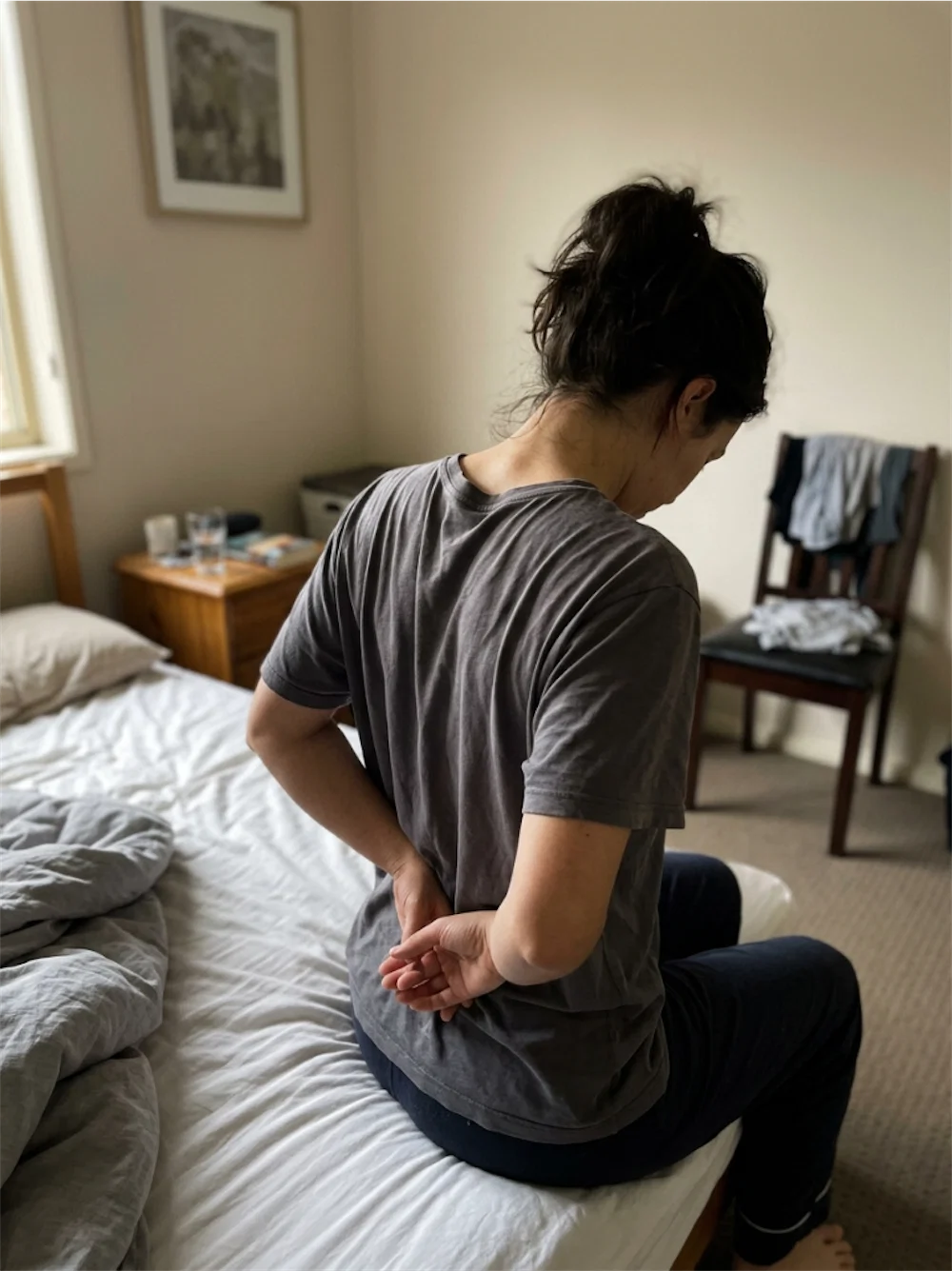
Physically, the psoas connects your lower lumbar spine directly to your thigh bones. It is the only muscle group in the human body that bridges your trunk to your legs. Because of this strategic location, it is responsible for pulling your knees up to your chest when you need to run, fight, or curl into a protective fetal position. When you are stuck in a toxic dynamic, this muscle remains chronically contracted, a state often called muscle guarding.
During my own twelve-year relationship, my body was constantly bracing for the next discard or silent treatment. I did not realize that this perpetual state of high alert was physically shortening my psoas. This chronic tightness is why so many survivors experience unexplained back pain, hip stiffness, and a shallow breathing pattern. If you want to find relief, practicing a regular somatic hip release can help you begin to unwind this deep physical armor.
Understanding How Trauma Stored in Hips Affects Your Health
When we experience emotional stress or psychological abuse, our brains trigger a cascade of survival hormones like cortisol and adrenaline. Large bundles of sympathetic nerves run directly through the psoas. This means that every single time you feel anxious, your pelvis automatically tightens. When this happens repeatedly over a decade, you end up with deep-seated trauma stored in hips that cannot be resolved by logical thinking alone.
As explained in articles from Psychology Today, unexpressed emotional pain and traumatic memories are literally held within our physical muscle tissues. This is why you cannot simply think your way out of a trauma bond. Your brain might know the relationship is over, but your body is still living in the past, waiting for the next blow. How often do you find yourself clenching your pelvic floor or holding your breath when a notification pops up on your phone?
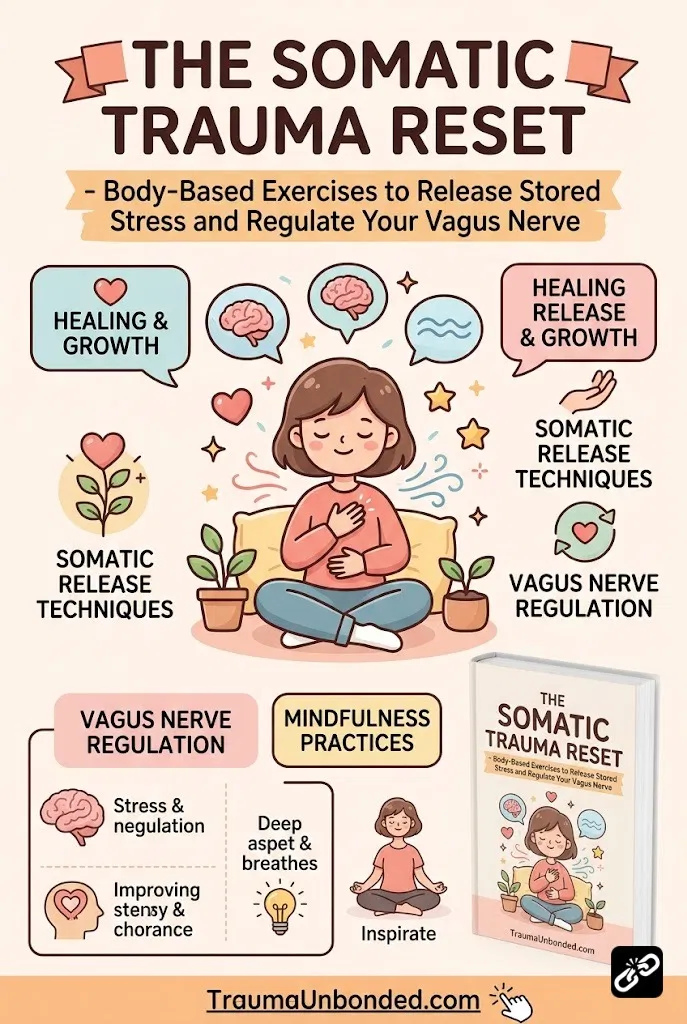
To fully release this physical storage of stress, you need a daily roadmap that targets your nervous system directly. If you are ready to stop walking on eggshells and reset your body, this guided somatic program is designed to help you release deep-seated tension and reclaim your physical peace of mind.
How to Release Somatic Trauma From Hips Using Gentle Movements

To begin reclaiming your physical autonomy, you do not need intensive workouts or complex stretching routines. In fact, aggressive stretching can sometimes trigger a protective reflex, making your psoas tighten even further. Instead, we want to use slow, mindful movements to signal safety directly to the deep tissues. Here are three simple exercises that helped me heal my body after my toxic relationship ended.
- The Constructive Rest Position: Lie flat on your back on a comfortable mat. Bend your knees and place your feet flat on the floor, about hip-width apart. Let your knees rest gently against each other. Keep your arms relaxed by your sides and focus on breathing deeply into your lower abdomen for ten minutes daily.
- Gentle Pelvic Tilts: In the same resting position, slowly tilt your pelvis upward as you exhale, flattening your lower back against the floor. As you inhale, allow your back to gently arch slightly away from the floor. Move with extreme slowness, focusing entirely on the sensations in your lower spine and hip joints.
- Therapeutic Shaking: Lie down with your feet flat on the floor and knees bent. Let your knees slowly open to the sides, placing the soles of your feet together. Gradually lift your knees back up centimeter by centimeter until you feel a slight tremor or shake in your thighs. Allow this shaking to happen without trying to control it; this is your nervous system discharging stored adrenaline.
Adding these practices to your routine can serve as highly grounding somatic experiencing exercises that gently guide your body out of the freeze response. When I first started shaking on my living room floor, I felt silly and a bit scared. But as the tremors continued, I felt a massive weight lift from my lower back for the first time in over a decade.
Navigating the Emotional Release of a Psoas Stretch
It is incredibly common to experience intense emotional reactions when you begin to unlock your psoas. You might find yourself crying unexpectedly, feeling sudden waves of anger, or experiencing mild anxiety during these exercises. This is not a sign that you are doing something wrong; it is a sign that your body is finally processing the grief and survival stress that you had to bury just to survive.
In my twelve years of chronic stress, I had to suppress every single emotion to avoid escalating conflicts. When I finally started working with my body, all those unexpressed feelings came rushing to the surface. Give yourself permission to feel whatever arises without judgment. Healing is not a linear path, and allowing your body to release these physical memories is a vital part of finding your way back to your original self.
To support your healing journey, combining these pelvic movements with daily nervous system regulation exercises can help you build long term resilience. When your physical body feels secure, your mind can finally stop scanning for threats, allowing you to rebuild a genuine sense of safety from the inside out.
Unlocking your hips is a gradual, compassionate dialogue with your body. You did not build your physical defense mechanisms overnight, and they will not disappear in a single session. Be patient with your muscles, breathe slowly, and trust that your body knows how to heal when it is given a safe environment. If you want a structured daily plan to support your physical healing, consider using our comprehensive somatic trauma reset program to gently guide your nervous system back to a state of peace and grounded optimism.

Meet Your Guide
Helen Brooks
After surviving a 12-year NPD/BPD relationship, I dedicated over a decade to studying trauma bonding and nervous system recovery. My mission is to help you break free from the fog and reclaim your authentic self.
Ready to break the trauma bond and reclaim your life?