Somatic Mindfulness for Triggers: Learning to Anchor Yourself in the Present Moment
Using somatic mindfulness for triggers is one of the most powerful ways to stop the overwhelming physical panic that takes over your body after narcissistic abuse [1202]. When you are learning how to anchor yourself in the present moment, your intellect often cannot override the sheer adrenaline flooding your system [1202]. During my 12-year toxic relationship with a partner who displayed severe NPD and BPD traits, my body was constantly trapped in a state of high alert [1180, 1197].
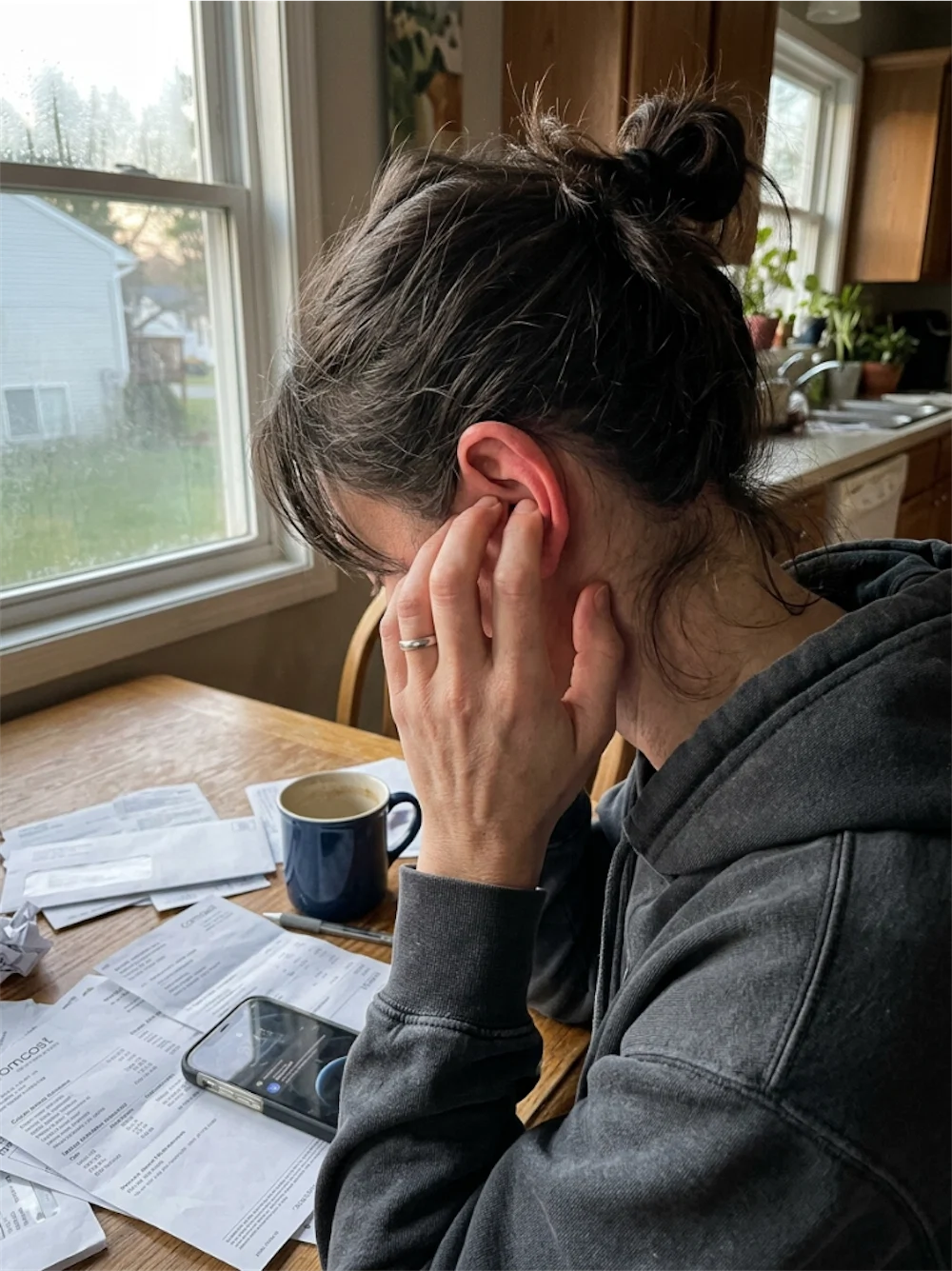
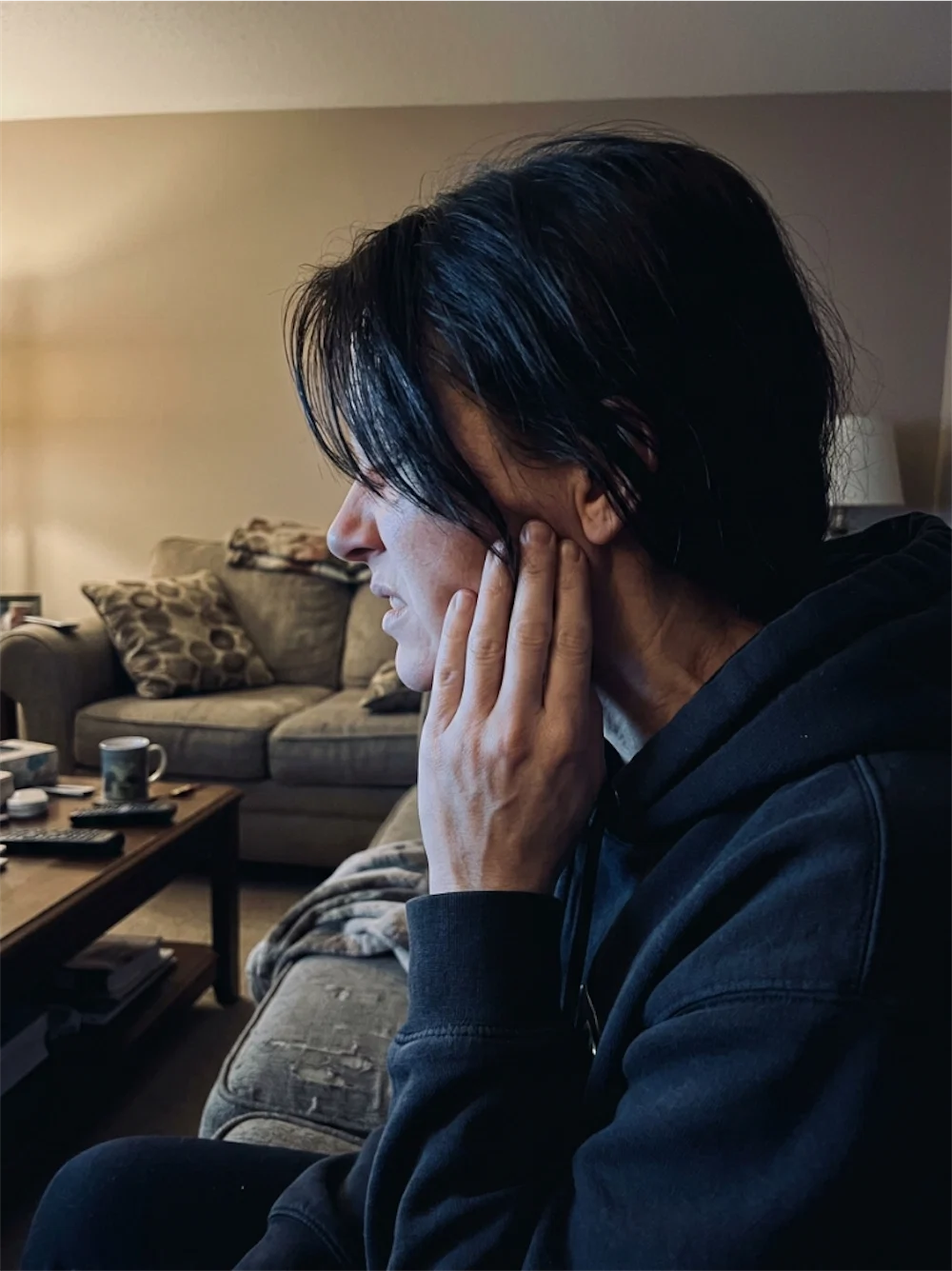
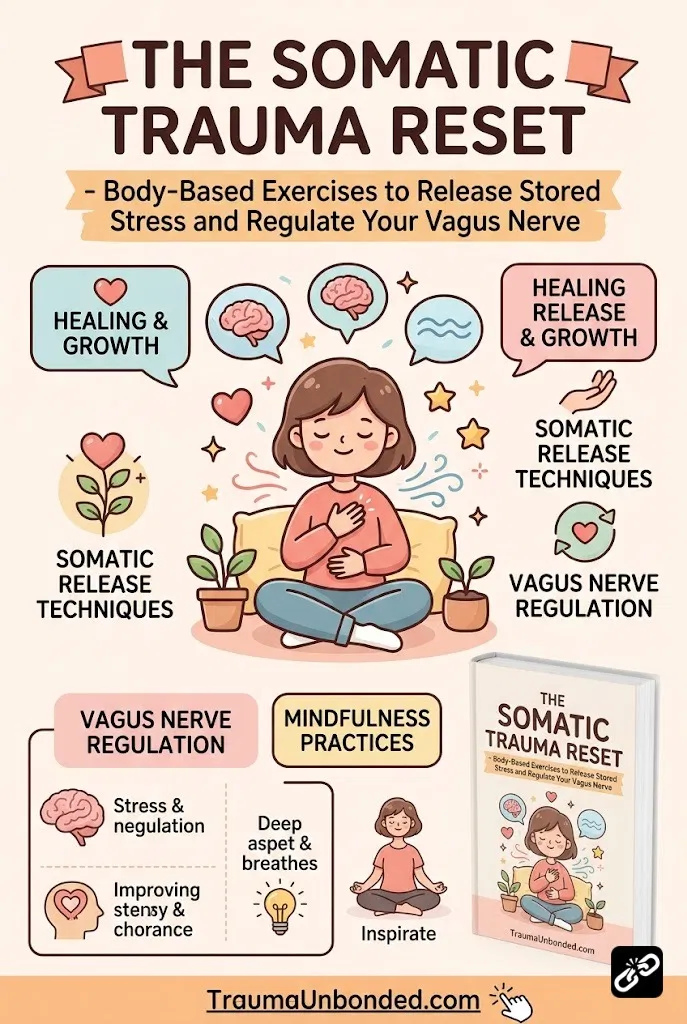
You might recognize this feeling: the icy cold wash of fear in your chest, the sudden shallow breathing, or the tight knot in your stomach at a simple text notification [1197]. For years, I thought I could think my way out of these triggers, but real healing only began when I turned my attention inward to physical sensations [1180]. To fast-track this process, many survivors find that using The Somatic Trauma Reset helps them systematically discharge that trapped survival energy [1180].
When we ignore the physical language of our trauma, our bodies continue to replay old battles long after the threat is gone [1180]. How often have you found yourself shaking or completely frozen over something seemingly minor? Let us explore how we can gently train our nervous system to feel safe in the here and now [1180].
What is Somatic Mindfulness for Triggers?
Somatic mindfulness for triggers is the practice of tracking and gently staying with physical sensations in the body during moments of panic or emotional distress. Instead of fighting the anxious thoughts, you anchor your attention on physical touch, temperature, or muscle release to signal safety to your nervous system.
During my decade-long relationship, my partner’s sudden outbursts left me walking on eggshells, constantly anticipating the next blowup [1197]. Every time they would split or stonewall me, my throat would constrict and my heart would hammer [1196]. This is because trauma lives in our subcortical brain, the area responsible for survival, which does not speak in spoken language [1180].
To truly settle these alarms, we have to use nervous system regulation exercises that directly target these physical responses. When you focus solely on the mental narrative—the “why did they do this?” or “what if they show up?”—you keep the panic loop alive [1159]. By shifting your attention to the physical weight of your feet on the floor, you begin to break the chemical loop of fear [1180].
Practical Grounding Steps to Reset Your Body
How can we shift from high-alert panic to quiet presence when a trigger hits [1180]? The key is not to fight the physical sensation, but to observe it without judgment [1180]. If your hands are shaking, do not force them to stop; instead, place them flat on a table and feel the cool, solid wood supporting them.
I used to spend hours isolated in my room, completely disconnected from my environment, trapped in physical distress. Simple, body-focused shifts allowed me to slowly rebuild my life and find my way back to my original, cheerful self [1180].
If you are ready to stop feeling trapped in a cycle of constant anxiety and bodily tension, a structured physical blueprint can make all the difference [1180]. To help you safely release stored survival energy and soothe your overactive nervous system, we highly recommend our comprehensive step-by-step workbook:
Releasing the Physical Grip of the Past
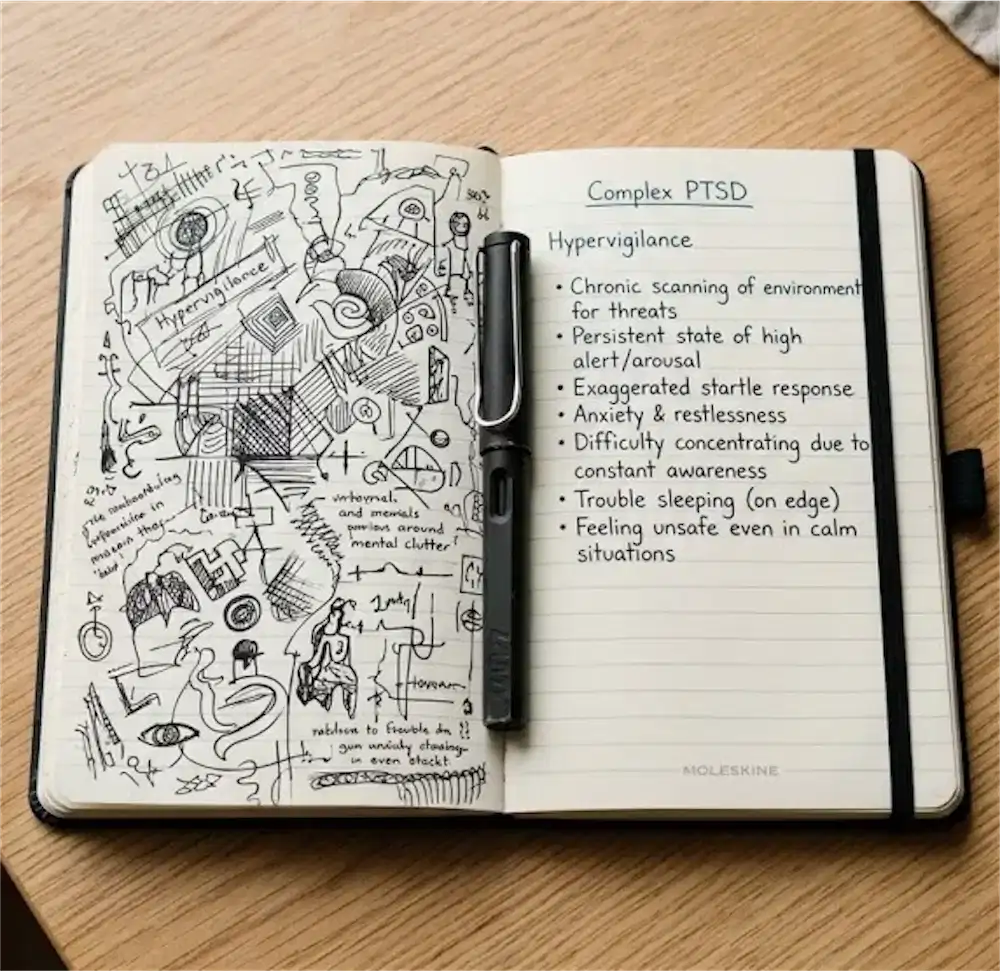
For years, I did not realize that my chronic physical discomfort and shallow breathing were physical symptoms of unresolved trauma [1180]. In fact, peer-reviewed medical papers on PubMed Central demonstrate how body-oriented approaches help restore equilibrium to the autonomic nervous system by addressing the physical remnants of chronic stress. This is exactly what I experienced during my recovery journey as I learned to untangle the physical grip of the past [1180].
If you regularly find yourself reliving fights or feeling flooded by memories, learning cptsd grounding flashback techniques is a vital step toward reclaiming your agency. These tools are designed to pull you out of the terrifying mental loop and drop you back into your physical body.
How does somatic mindfulness actually look in practice when you are hit with a wave of intense panic [1180]? You do not need to sit in perfect lotus position for an hour. Instead, you can do a quick check of your physical environment and bodily state:
- Notice your weight: Feel how your body presses into the chair or floor, letting gravity hold you up.
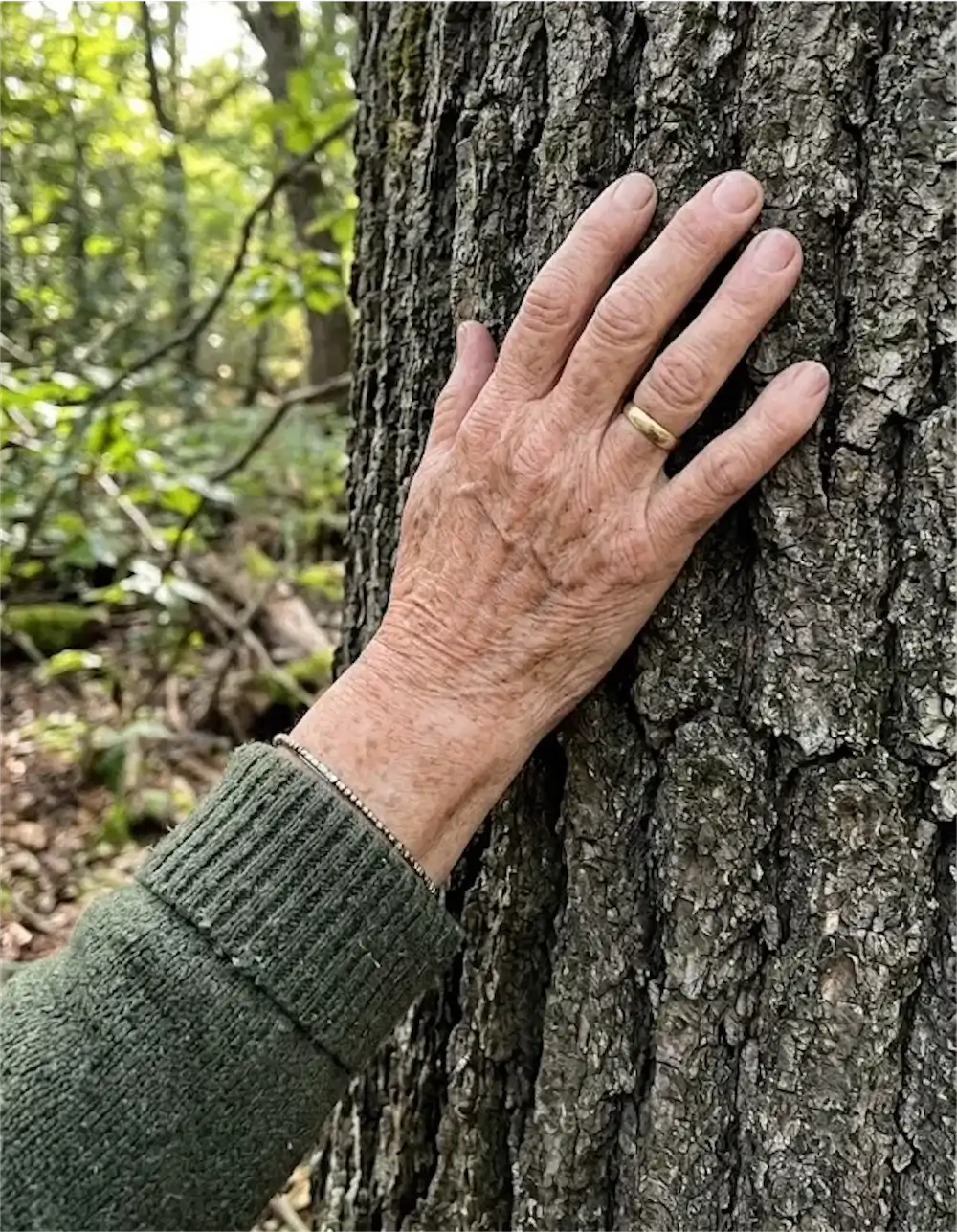
- Identify three textures: Run your fingers over your jeans, a wooden desk, or a cold metal key to anchor your sense of touch.
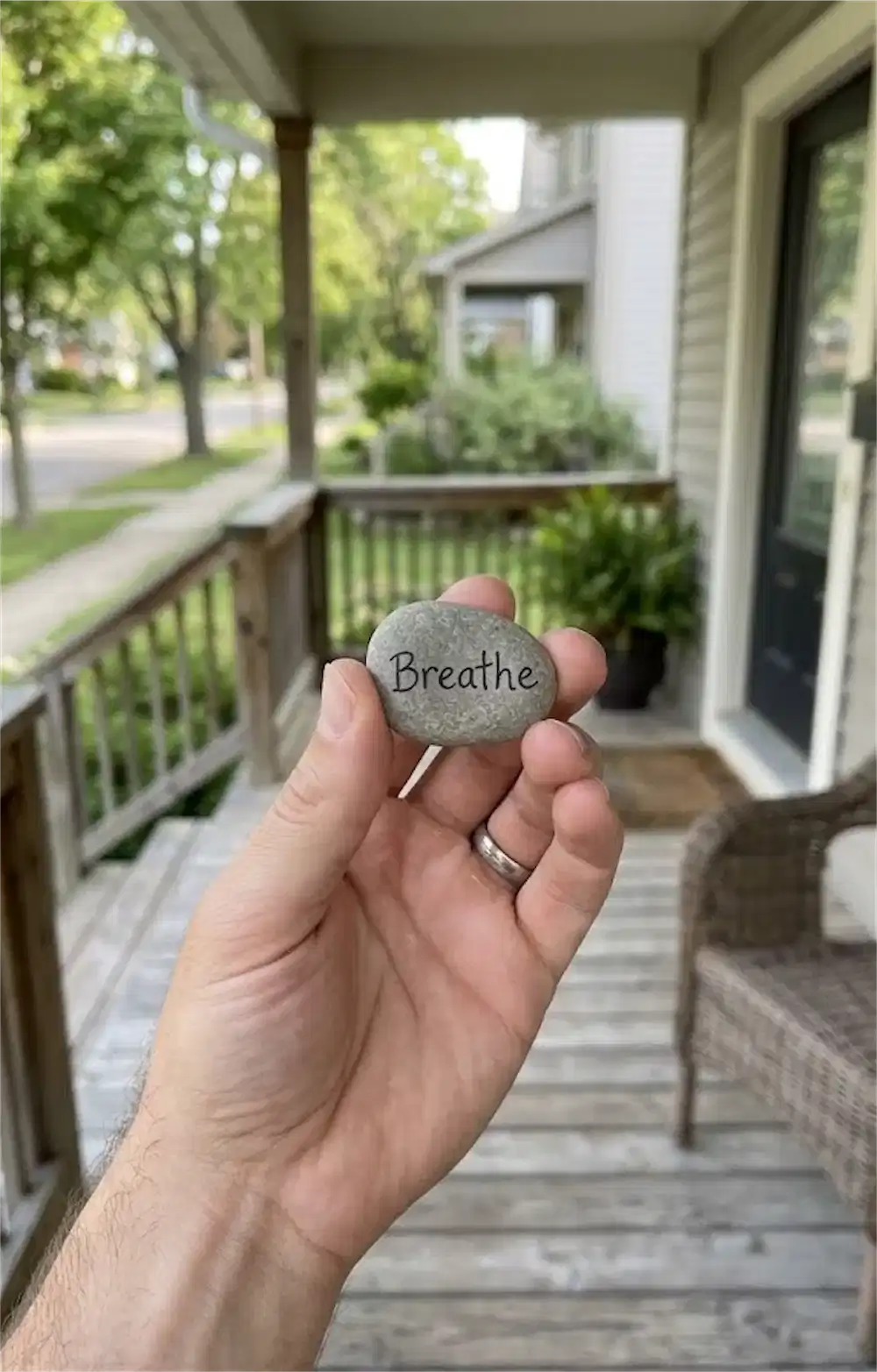
- Track your breath: Do not try to breathe deeply if it feels constricting; simply observe the cool air entering your nose and warm air leaving your mouth.
When you focus on these simple sensory inputs, you send a direct signal to your amygdala that you are safe in this exact moment [1180]. The nervous system cannot distinguish between a real physical threat and a painful memory [1180]. By anchoring your physical self, you show your brain that the danger is in the past, not in the present [1180].
Cultivating Daily Grounding Habits for Long-Term Peace
To rebuild a life of peace and stability, these practices must become daily habits rather than just emergency measures [1180]. During my recovery, I had to completely re-learn how to rest [1180]. In my toxic relationship, “quiet time” was usually just waiting for the next argument, which kept my adrenaline permanently spiked [1197].
By dedicating just five minutes each morning to tracking sensory inputs, you teach your body that it is safe to let its guard down [1180]. You can combine this with simple physical movements, such as a gentle stretch or a short walk where you focus entirely on the sound of your footsteps [1180]. If you want a more structured path for your daily routine, exploring a trauma recovery exercise guide can help you rebuild that vital mind-body connection step-by-step.
Remember, triggers are not a sign that you are failing at recovery. They are simply your nervous system trying to protect you using the only tools it knows [1180]. When you respond with body-based mindfulness instead of panic, you gently teach your system that it is finally safe to stand down [1180].
Reclaiming your body after narcissistic or BPD abuse takes time, and you must treat yourself with immense patience [1180, 1196]. You did not spend years in survival mode only to heal in a single weekend. Your body carried you through the worst of the storm, and now it is ready to learn that the storm has finally passed. If you are ready to begin this deep, body-level healing and want a daily, hands-on roadmap to release tension, consider downloading The Somatic Trauma Reset to guide you back home to yourself [1180].

Meet Your Guide
Helen Brooks
After surviving a 12-year NPD/BPD relationship, I dedicated over a decade to studying trauma bonding and nervous system recovery. My mission is to help you break free from the fog and reclaim your authentic self.
Ready to break the trauma bond and reclaim your life?