Exercise for Trauma Recovery: Rebuilding Strength After Abuse
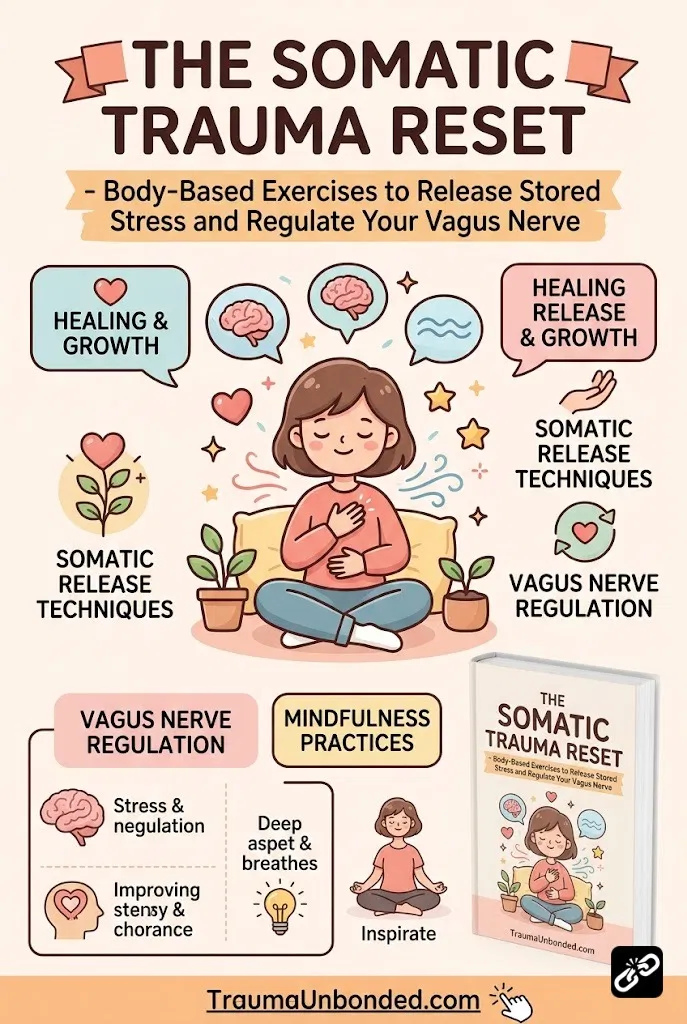
Exercise for trauma recovery is a foundational step in rebuilding strength after abuse, especially when you are trying to find your feet after a long period of emotional chaos. I spent twelve years in a relationship with a partner who had both NPD and BPD traits, and by the end of it, I did not recognize the person in the mirror. My body felt heavy, my mind was constantly foggy, and I had lost interest in every hobby I once loved. If you are feeling isolated and exhausted right now, please know that moving your body is not about fitness goals or looking a certain way. It is about telling your nervous system that you are finally safe and that you own your life again. One of the most helpful tools for this is a structured Somatic Trauma Reset which helps you reconnect with your physical self after years of dissociation.
When you live with a narcissistic or BPD partner for a decade or more, your body stays in a constant state of high alert. This is often called walking on eggshells, and it physically changes you. You might deal with unexplained aches, chronic fatigue, or a feeling of being frozen in place. Have you noticed how your shoulders are always up near your ears, or how your breath stays shallow in your chest? That is the trauma bond and the stress of the relationship living in your muscles. Using movement as medicine is a way to gently break those physical patterns and start the process of narcissistic abuse recovery.
My journey back to my original, cheerful self began with very small steps because my emotional health was so fragile. I had to stop looking at exercise as a chore and start seeing it as a way to reclaim my agency. When you have been told what to do, what to think, and how to feel for twelve years, choosing to move your body is an act of rebellion. It is a way to say that your body belongs to you now, not to your toxic ex. Let’s look at how you can use specific types of trauma-informed exercise to support your healing.
How Physical Activity Helps in Rebuilding Strength After Abuse
After a toxic breakup, your brain is often stuck in a loop of rumination. You play back the arguments, the gaslighting, and the moments they devalued you over and over. This is not because you are weak, but because your brain is trying to make sense of the cognitive dissonance. Exercise for trauma recovery helps break this loop by forcing your brain to focus on the present moment. When you are focusing on the rhythm of your feet hitting the pavement or the way your muscles feel during a stretch, there is less room for the voice of your abuser to take over. This is a key part of any trauma recovery exercise guide meant for survivors.
Physical movement also helps regulate the cortisol and adrenaline that have been flooding your system for years. In a high-conflict relationship, your fight-or-flight response is triggered daily. Even after you leave, your body does not always know the war is over. Gentle, consistent exercise acts like a reset button for your adrenal glands. It helps clear out the stress hormones that make you feel jumpy or hypervigilant. Have you ever felt that strange “tired but wired” feeling where you cannot sleep despite being drained? Movement helps bridge that gap.
I found that strength training was particularly helpful for my self-esteem. After being told I was nothing for so long, feeling my own physical power was life-changing. You don’t need to lift heavy weights to see this benefit. Even doing a few pushups against a wall or holding a plank for ten seconds can remind you that you are capable of holding your own. It builds a sense of internal boundaries. If you can control your body and make it stronger, you start to believe you can control your life and keep toxic people out of it for good.
Walking as a Tool for Grounding
Walking is perhaps the most underrated exercise for trauma recovery. When I first left my 12-year relationship, I could barely handle a trip to the grocery store without a panic attack. Walking in a quiet park became my sanctuary. There is something about the left-right-left rhythm of walking that mimics EMDR therapy, a common treatment for PTSD. It helps the two halves of your brain process traumatic memories more smoothly. It is a way to ground yourself in reality when you feel like you are floating away in dissociation.
Try to walk without headphones at first. Listen to the birds, feel the wind on your face, and notice the colors of the trees. This practice of mindful movement helps you stay in your body. In a toxic relationship, you learn to live entirely in your head to anticipate the other person’s moods. Walking helps you come back down into your feet. It is a simple, free way to begin rebuilding strength after abuse without overwhelming your already stressed nervous system.
If you find yourself constantly stuck in your head, replaying old arguments or worrying about the future, you need a way to bring your energy back to your physical self. This is why somatic work is so vital for survivors of emotional and narcissistic abuse. It targets the physical locations where trauma is stored.
Before we move on to more specific exercises, I highly recommend looking at a resource that changed everything for my physical recovery. It focuses on the body’s hidden stress points and helps you let go of the tension that years of abuse left behind.
Yoga and Somatic Release for Narcissistic Abuse Recovery
Yoga is often recommended for rebuilding strength after abuse, but it can be a double-edged sword. For many survivors, being still and quiet with your thoughts is terrifying. I remember my first yoga class after the breakup. I spent the entire time trying not to cry because the stretches were releasing emotional tension I didn’t know I had. This is normal. Trauma is stored in the hips, the chest, and the jaw. When you stretch these areas, you might feel a rush of sadness or anger. Do not let this stop you. It is a sign that the trauma bond is loosening its grip on your muscles.
Focus on restorative yoga or yin yoga. These styles involve holding poses for longer periods with lots of support from pillows or blankets. It teaches your nervous system that it is okay to relax. After twelve years of being on guard, my body had forgotten how to “let go.” I had to relearn that I was no longer in danger. These nervous system regulation exercises are helpful because they don’t ask for high-intensity effort. They ask for presence and patience, two things that are often stolen from us in abusive relationships.
The Importance of Low-Intensity Movement
You might feel the urge to go to the gym and push yourself to the limit. While this can feel good for a moment, be careful not to overtax your adrenal glands. Survivors of BPD and NPD abuse often deal with chronic stress that has already pushed their bodies to the brink. High-intensity interval training (HIIT) can sometimes mimic the feeling of a panic attack, which might trigger a setback in your recovery. Listen to your body. If you feel exhausted after a workout instead of energized, you might need to scale back.
Think of exercise for trauma recovery as a gentle conversation with yourself. Some days, all you can manage is five minutes of stretching on the floor. That is enough. Other days, you might feel the fire of righteous anger and want to go for a long run. Both are valid. The goal is to move away from the freeze response that trauma often causes. By choosing to move, you are moving out of the past and into your new life of freedom. Reclaiming your health is one of the best ways to show yourself that you are worth the effort.
Rebuilding your life after twelve years of toxic patterns is a marathon, not a sprint. I found that as my physical strength returned, my mental clarity followed. I started to have more energy for professional therapy and for reconnecting with the friends I had lost. I even found myself smiling at the gym, realizing that I was no longer doing things to please a manipulative partner. I was doing them for me. That shift in perspective is where the true healing begins. Take it one day at a time, and be kind to the body that carried you through the storm. You are much stronger than you think, and your body is ready to help you prove it. For more specific help with the physical side of your journey, the Somatic Trauma Reset offers a clear path to calming your mind through your body.

Meet Your Guide
Helen Brooks
After surviving a 12-year NPD/BPD relationship, I dedicated over a decade to studying trauma bonding and nervous system recovery. My mission is to help you break free from the fog and reclaim your authentic self.
Ready to break the trauma bond and reclaim your life?