Morning Pages for Anxiety: Clearing Obsessive Recovery Thoughts
Morning pages for anxiety are a powerful tool when you need help clearing obsessive recovery thoughts after a toxic relationship ends. When I finally left my 12-year relationship with a partner who showed both NPD and BPD traits, my mind felt like a browser with fifty tabs open, all of them screaming. I was isolated, I had lost all my hobbies, and I truly felt that my life was a miserable wreck that could never be fixed. Using morning pages for anxiety recovery was one of the first steps that helped me find my way back to the cheerful, optimistic person I used to be.
Do you ever wake up and immediately start replaying an argument from three years ago? This is a common symptom of a trauma bond, where your brain is literally addicted to the chaos and the stress hormones of the past. If you find yourself stuck in a loop, you might benefit from the Rumination Detox to help break those mental cycles. Writing things down helps move the pain from your nervous system onto the paper.
In those early days of narcissistic abuse recovery, the brain fog was so thick I could barely remember my own phone number. I spent a decade being gaslighted, which is when someone makes you doubt your own reality by lying or twisting facts until you feel crazy. My morning writing sessions became my sanctuary where I could finally tell the truth without being told I was “too sensitive” or “imagining things.”
Why Your Brain Stays Stuck in Obsessive Recovery Thoughts
The reason you cannot stop thinking about the discard or the hoovering tactics is that your brain is trying to solve a puzzle that has no logical pieces. In a relationship with someone who has Borderline Personality Disorder (BPD) or Narcissistic Personality Disorder (NPD), the rules change every single day. One minute you are the love of their life, and the next, you are the villain in their story. This constant intermittent reinforcement creates a physical addiction in your brain that is hard to kick.
Have you noticed how you try to “figure out” why they did what they did? That is your brain seeking closure that a toxic person will never give you. When you use morning pages, you stop looking for answers from them and start looking for clarity within yourself. It is about radical acceptance of the fact that their behavior was about their own disorder, not your worth as a human being.
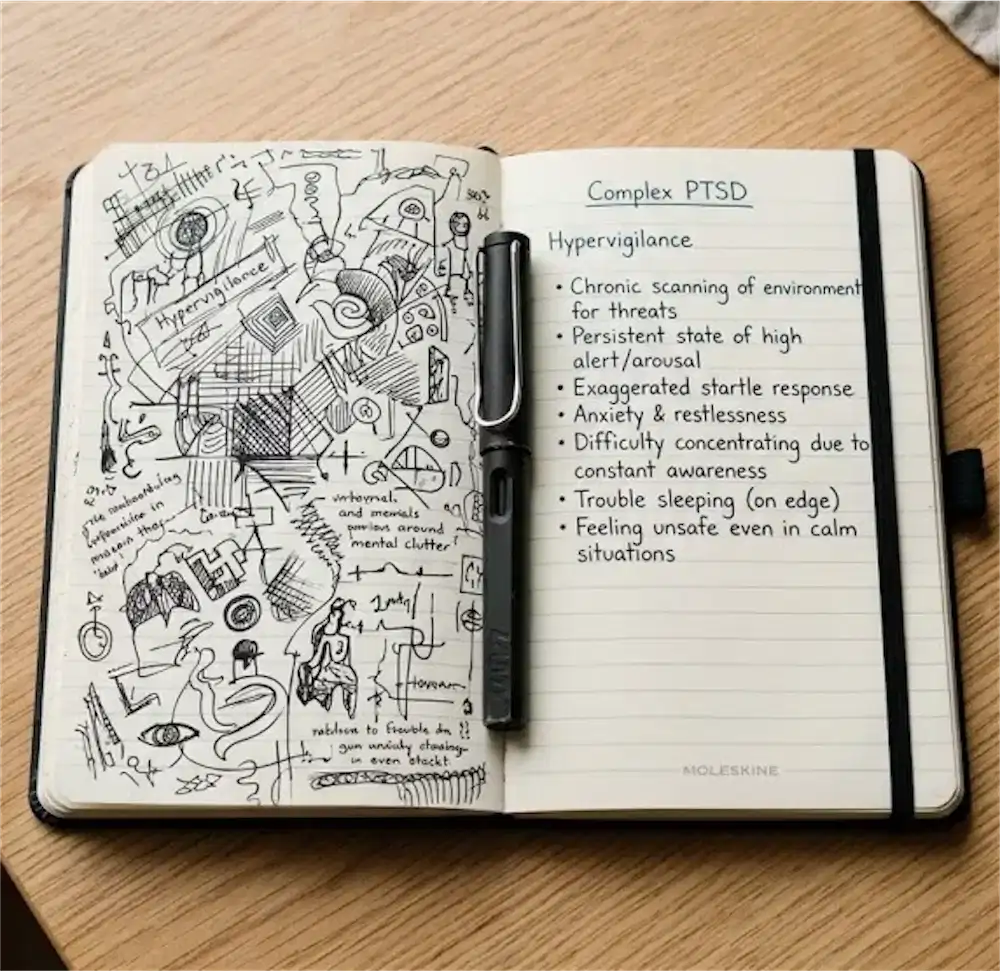
During my 12 years of survival, I became a shell of a person because I was always walking on eggshells. This is a state of constant hypervigilance where you are always waiting for the next explosion or the next silent treatment. Even after you leave, your body stays in that high-alert mode. Writing three pages of long-form thoughts every morning helps signal to your nervous system that you are finally safe.
The Trauma Bond and Biochemical Addiction
We often talk about love, but in these situations, it is more like a trauma bond biochemical addiction. Your brain gets hits of dopamine during the “love bombing” phase and then crashes during the abuse. This cycle is why you feel like you are going through drug withdrawal after the breakup. Morning pages act as a slow, steady detox for these chemicals.
When you put the pen to paper, you might find yourself writing the same thing over and over. That is okay. If you need to write “I hate that he lied to me” forty times, do it. The goal is not to produce great literature but to drain the emotional poison out of your system so you can breathe again. Can you imagine a morning where the first thing you feel isn’t a heavy weight in your chest?
If you are struggling with the constant replay of old fights, learning how to stop ruminating arguments in your head is a skill you have to practice. It does not happen overnight, but morning writing makes it significantly easier. It gives those thoughts a place to live so they do not have to live in your head all day while you are trying to work or see friends.
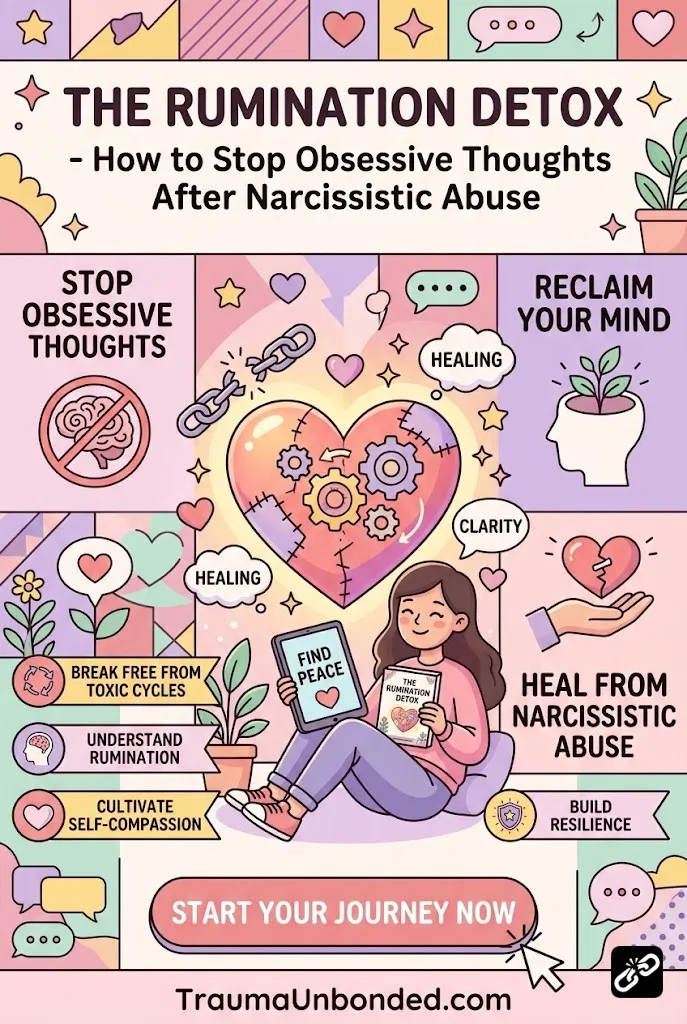
Breaking free from the mental prison of a toxic relationship requires more than just time; it requires a structured plan to clear the clutter from your mind. If you find yourself replaying the same painful memories every single day, this specific guide is designed to help you shut down those loops for good.
How to Start Morning Pages for Anxiety and Trauma

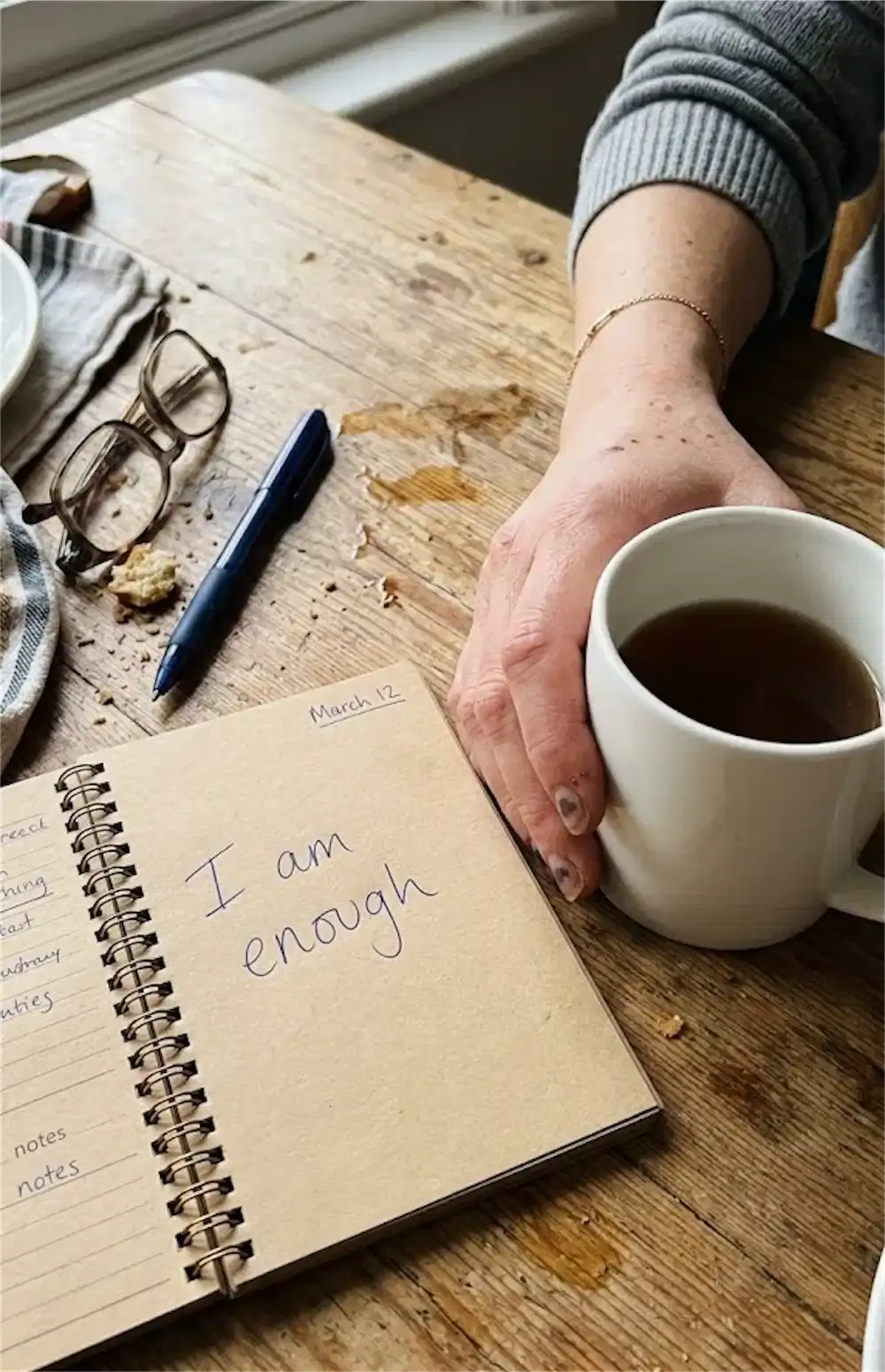
The rules for morning pages are simple but strict. You must write three pages of long-form, stream-of-consciousness thoughts. You do this first thing in the morning before your brain has a chance to put on its “I am fine” mask. Do not worry about grammar, spelling, or making sense. Just keep the pen moving until you hit the end of the third page.
Why first thing in the morning? Because that is when your subconscious mind is most accessible. After 12 years of being told what to think and how to feel, your subconscious is likely full of internalized criticism from your abuser. Writing early allows you to catch those nasty “introjects” (their voice in your head) and call them out for what they are: lies.
I remember my first week of doing this. I mostly wrote about how much I missed the “good version” of my ex, even though that version was just a mask used for love bombing. I felt pathetic for missing someone who had hurt me so deeply. But by writing it down, I realized that I wasn’t missing a person; I was missing a fantasy. Have you ever caught yourself romanticizing a moment that was actually preceded by a huge fight?
Clearing the Mental Debris of the Smear Campaign
One of the hardest parts of recovery is dealing with a smear campaign. This is when the toxic person tells lies about you to your friends, family, and coworkers to make themselves look like the victim. It can make you feel incredibly isolated and paranoid. You might spend your morning pages defending yourself to an invisible audience.
That is actually a good thing. Get those defenses out of your head and onto the paper. Once the words are out, you will find you have more mental energy to focus on your own life. When I stopped trying to control what people thought of me and started focusing on my own internal reality, my healing journey truly accelerated. Do you really want to spend another year explaining yourself to people who are committed to misunderstanding you?
Slowly, the pages will shift. You will stop writing about them and start writing about what you want for breakfast. You will start thinking about hobbies you used to love before the relationship drained your soul. For me, it was returning to painting and hiking. Morning pages helped me clear enough space to remember that I actually liked those things.
Healing the Inner Critic and Codependency
Many of us who fall into these relationships struggle with codependency. We are “fixers” who want to save people, even at our own expense. We often have a loud inner critic that tells us everything is our fault. Morning pages for anxiety help you separate your true voice from the voice of your trauma.
As you write, you might notice patterns. You might see how you fawned to avoid conflict or how you ignored red flags because you were desperate for connection. This is not about blaming yourself; it is about self-discovery. You are learning the “why” behind your choices so you never have to repeat them again. Is it possible that your “anxiety” is actually just your body’s way of telling you that you haven’t been listening to your own needs?
Professional therapy is vital, but the 23 hours a day you aren’t in a therapist’s office are where the real work happens. Morning pages are like a daily brain dump that prevents the trash from overflowing. I went from being a person who couldn’t get out of bed to someone who wakes up excited to see what the day holds. It took time, it took no contact, and it took a lot of yellow legal pads filled with messy handwriting.
If you feel like you are drowning in “what ifs” and “why me,” please start tomorrow. Grab any notebook and just start writing. You do not need to be a writer to heal your heart. You just need to be willing to be honest with yourself for thirty minutes a day. If you are ready to truly purge the mental loops, the Rumination Detox is the perfect companion to your new writing habit.
The path back to your “original self” is paved with the words you were once afraid to speak. By clearing obsessive recovery thoughts through this daily ritual, you are reclaiming your narrative from the person who tried to write it for you. You deserve a mind that is a peaceful place to live, not a battlefield of old memories.

Meet Your Guide
Helen Brooks
After surviving a 12-year NPD/BPD relationship, I dedicated over a decade to studying trauma bonding and nervous system recovery. My mission is to help you break free from the fog and reclaim your authentic self.
Ready to break the trauma bond and reclaim your life?