Trauma Fatigue: Why You Feel Physically Exhausted After No Contact
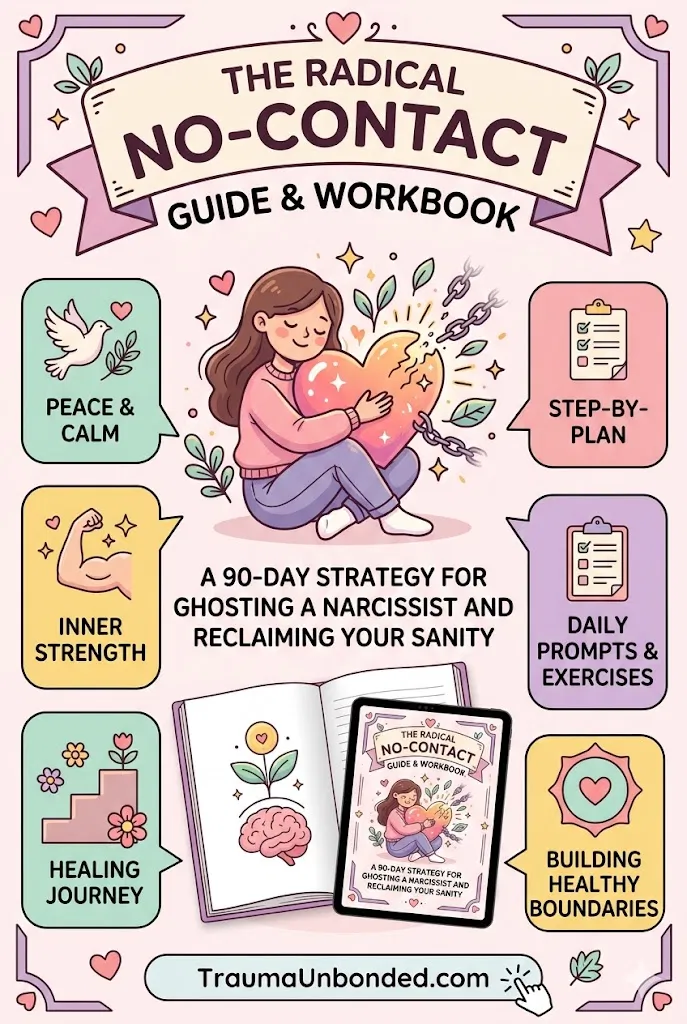
Trauma fatigue and feeling physically exhausted after no contact are the most confusing parts of the early healing journey. You finally gathered the strength to leave, you blocked the numbers, and you expected to feel a sudden burst of energy and freedom. Instead, you can barely get out of bed, your limbs feel like lead, and you are sleeping ten hours a night only to wake up tired. If you are struggling to function, I want you to know that this is not laziness or depression in the traditional sense. It is your body finally reacting to the years of high-stress hormones that kept you moving when you were in the line of fire. To help you navigate these first few months of silence, I highly recommend looking at The Radical No-Contact Guide & Workbook which helps you stay the course when your body feels its weakest.
In my own twelve year relationship with a partner who had both BPD and NPD traits, I lived in a constant state of high alert. I spent over a decade waiting for the next door to slam or the next round of gaslighting where my reality would be flipped upside down. Gaslighting is when someone makes you doubt your own memories or sanity by lying about things you know happened. When I finally went no contact, I thought I would immediately return to my old, cheerful self. Instead, I spent the first three months feeling like I was recovering from a severe physical illness. Why does this happen? Why does the body collapse once the danger is gone?
The Adrenaline Crash After Constant Survival Mode

When you are in a toxic relationship, your nervous system is stuck in a loop of fight, flight, or freeze. Your adrenal glands pump out cortisol and adrenaline every single day to help you survive the “war zone” of your home life. This is why you were able to stay up until 3 AM arguing or manage the household while being devalued. Your body was running on emergency fuel. Have you ever wondered how you managed to keep it all together for so long? It was the survival hormones masking your true level of exhaustion.
Once you go no contact and the external threat is removed, your brain finally sends a signal to your body that it is safe to stop. This is when the crash happens. The adrenaline dries up, and you are left with the massive “debt” of tiredness you have been carrying for years. In my experience, the longer the relationship lasted, the deeper the crash. After twelve years, my body did not just need a weekend of rest. It needed months of deep, restorative repair. This is often linked to adrenal fatigue after abuse, where your system is simply spent and cannot produce the energy you need for normal life.
Why Your Body Shuts Down When You Finally Go No Contact
Safety is the trigger for trauma fatigue. It sounds backwards, but your body only allows itself to feel the full weight of the pain when it knows you are no longer being chased. Think of it like a soldier who makes it through a long battle without a scratch, only to collapse the moment they reach the base. Your mind is finally quiet, but your cells are screaming for rest. This physical shutdown is actually a protective mechanism. Your body is forcing you to slow down so it can begin the process of internal repair.
During this time, you might notice that you are more sensitive to light, noise, or even certain foods. Your nervous system is raw and needs time to recalibrate. Do you find yourself crying for no reason or feeling like your heart is racing even when you are just sitting on the couch? This is your body processing the stored tension that you had to suppress to stay safe with your toxic ex. It is a very physical release of the trauma that stayed in your muscles and nervous system for far too long.
To stay strong during this vulnerable period, you need a clear plan that protects your boundaries while you heal. When you feel this tired, it is very easy to fall back into old patterns or answer a hoovering text just to feel a spark of that old adrenaline again. Using a structured approach can make the difference between a successful recovery and a relapse into the toxic cycle.
Dealing with Brain Fog and Muscle Aches

A common symptom of trauma fatigue is a thick, heavy brain fog that makes it hard to remember simple words or finish daily tasks. You might feel like you are walking through waist-deep water. In my recovery, I would go to the grocery store and forget why I was there. This happens because your brain is redirecting all its energy toward healing your limbic system. It doesn’t have much left over for high-level cognitive functions. This is often made worse by the trauma bond biochemical addiction, where your brain is literally craving the chemical highs and lows of the old relationship.
Muscle aches and joint pain are also very common after going no contact. When you live with a narcissist or someone with BPD, you are “walking on eggshells,” which means your muscles are constantly tensed to either run or defend yourself. When that tension finally releases, it can feel like a dull ache or even sharp pains in your neck, back, and hips. Your body is letting go of years of physical bracing. Have you noticed that your shoulders are finally dropping away from your ears for the first time in a decade?
Practical Steps to Recover from Physical Trauma Fatigue
The first step in healing is to stop fighting the tiredness. If you need to sleep for twelve hours, do it. Your body is doing heavy lifting behind the scenes. I found that I had to treat myself like I was recovering from major surgery. This meant focusing on simple, nutrient-dense meals and avoiding caffeine, which only stresses the adrenal glands further. Gentle movement, like stretching or slow walks, can help move the stagnant energy through your system without causing a further crash. You can also look into vagus nerve anxiety exercises to help tell your body that the danger is truly over.
Hydration is another huge factor. Chronic stress dehydrates your cells and makes the fatigue feel much worse. I started drinking lemon water every morning and noticed it helped clear some of the morning fog. Most importantly, give yourself grace. You didn’t get this tired overnight, and you won’t get your energy back in a week. It took me a full year of therapy and consistent self-care to feel like my “original” vibrant self again. The cheerful, optimistic person you used to be is still there; they are just currently resting so they can come back stronger.
You have already done the hardest part by choosing yourself and walking away. The physical exhaustion you feel right now is the price of freedom, but it is a temporary price. As your nervous system begins to regulate and your cortisol levels return to normal, the heaviness will lift. You will find your hobbies again, you will laugh without feeling guilty, and you will wake up one day feeling light. If you need a roadmap to help you through the physical and emotional fog of these first 90 days, make sure to use The Radical No-Contact Guide & Workbook to keep your recovery on track while your body heals.

Meet Your Guide
Helen Brooks
After surviving a 12-year NPD/BPD relationship, I dedicated over a decade to studying trauma bonding and nervous system recovery. My mission is to help you break free from the fog and reclaim your authentic self.
Ready to break the trauma bond and reclaim your life?