Hoovering Text Examples: How to Respond to Toxic Messages
Hoovering text examples and knowing how to respond to toxic messages are the two biggest hurdles when you are trying to break a trauma bond. I spent twelve years trapped in a cycle with a partner who showed both narcissistic and borderline traits, so I know exactly how your heart skips a beat when that notification pops up. For over a decade, I was the person who would delete a number only to have it reappear with a “Hey, I saw this and thought of you” text that sent me spiraling for days.
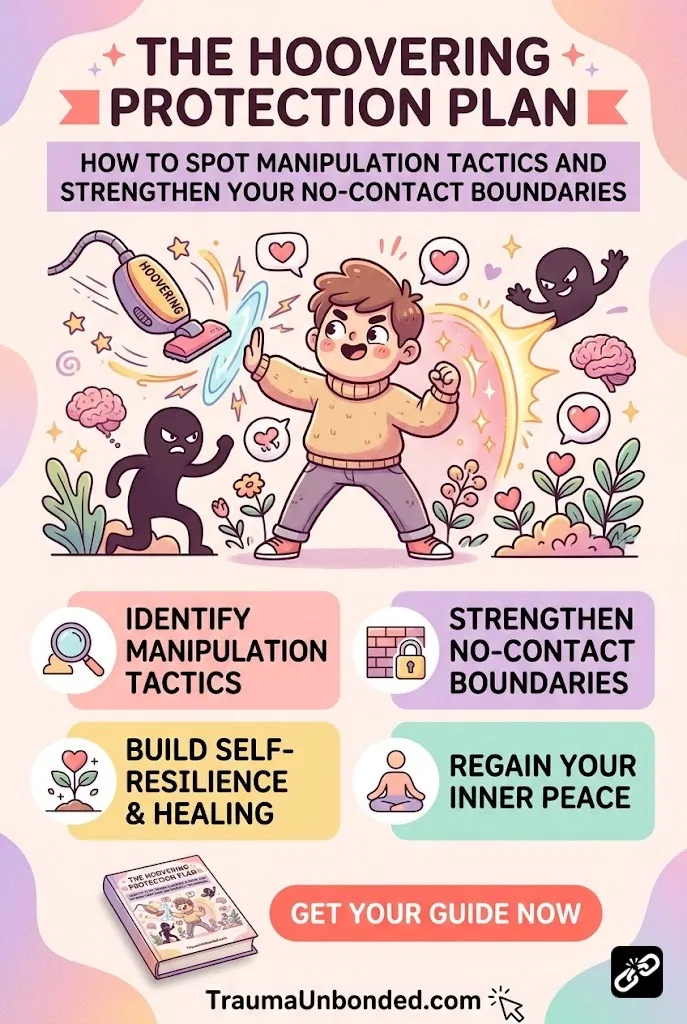
After my relationship finally ended, I was a shell of a human. I had no hobbies, my friends had distanced themselves because they couldn’t watch me go back anymore, and I felt like my life was a total mess. It took professional therapy and a deep dive into the mechanics of codependency to realize that those texts weren’t about love. They were about control. If you are struggling right now, you can find specific steps to protect your peace in The Hoovering Protection Plan which helped me finally stay away for good.
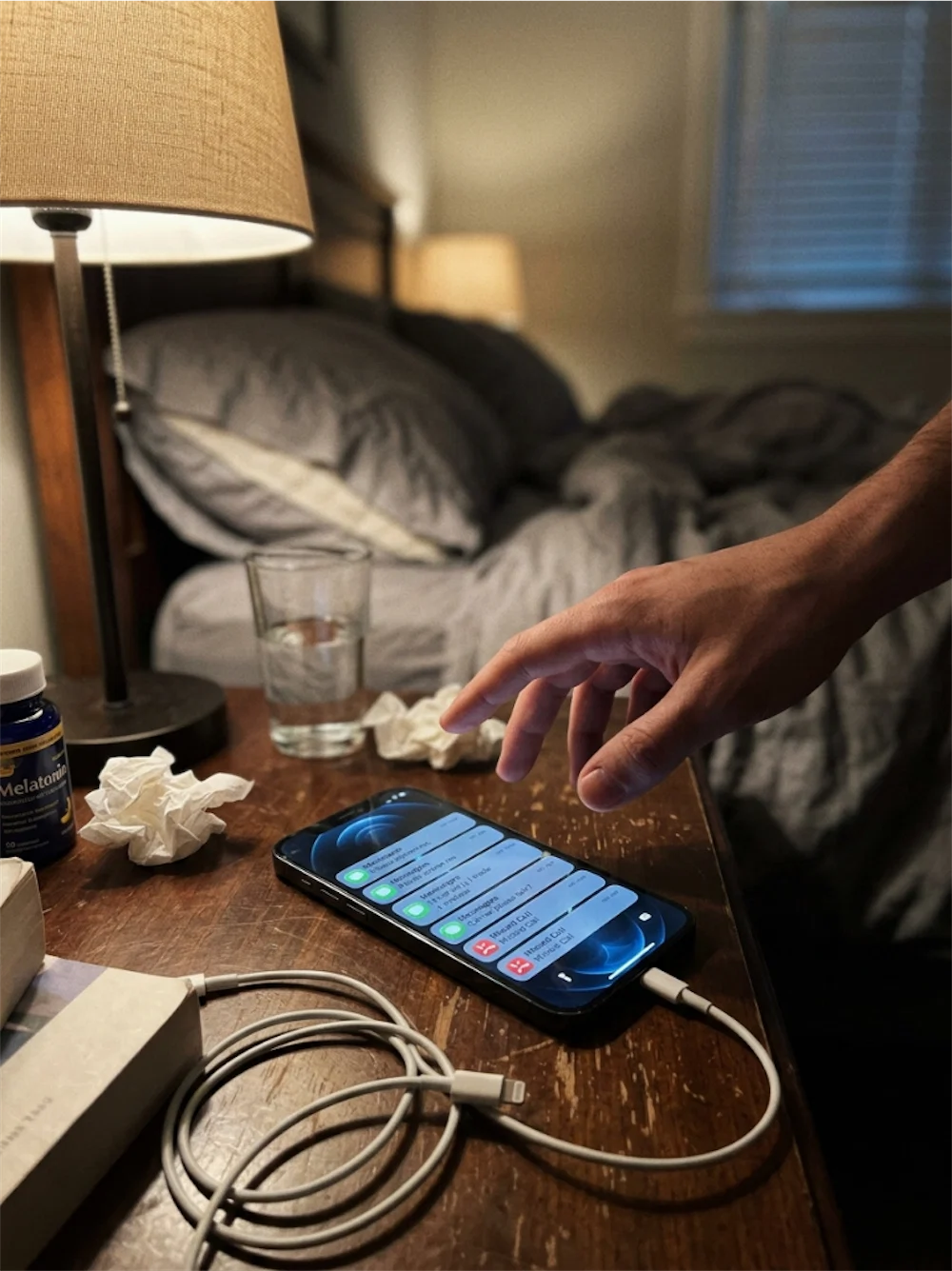
Recovery is possible, and I am living proof of that. Today, I have found my original self again. I am cheerful, I am optimistic, and I no longer check my phone with a sense of impending dread. But getting here required me to learn exactly what hoovering looks like in the wild. Have you ever wondered why they always seem to message right when you are starting to feel okay again?
Common Hoovering Text Examples You Might Receive
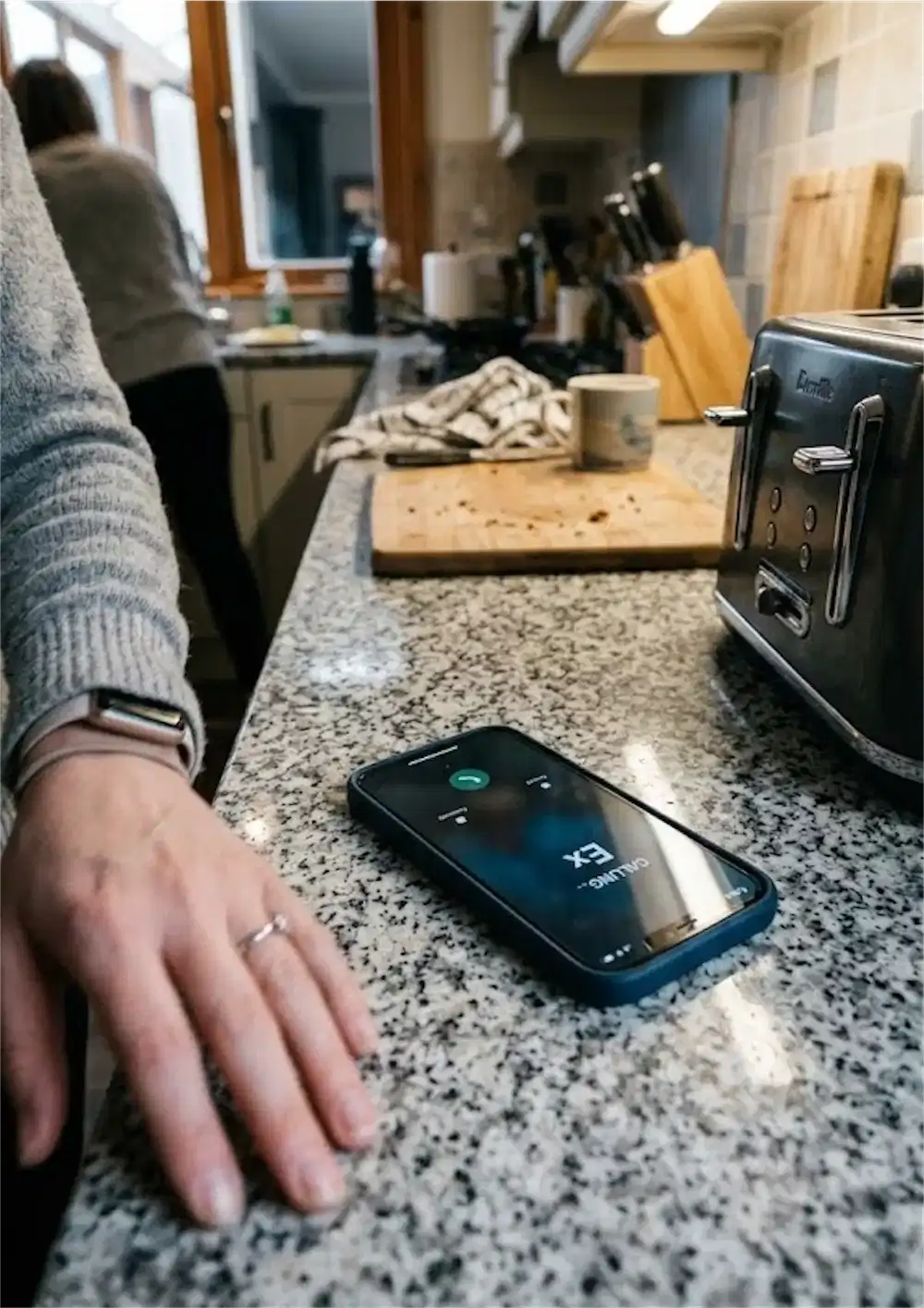
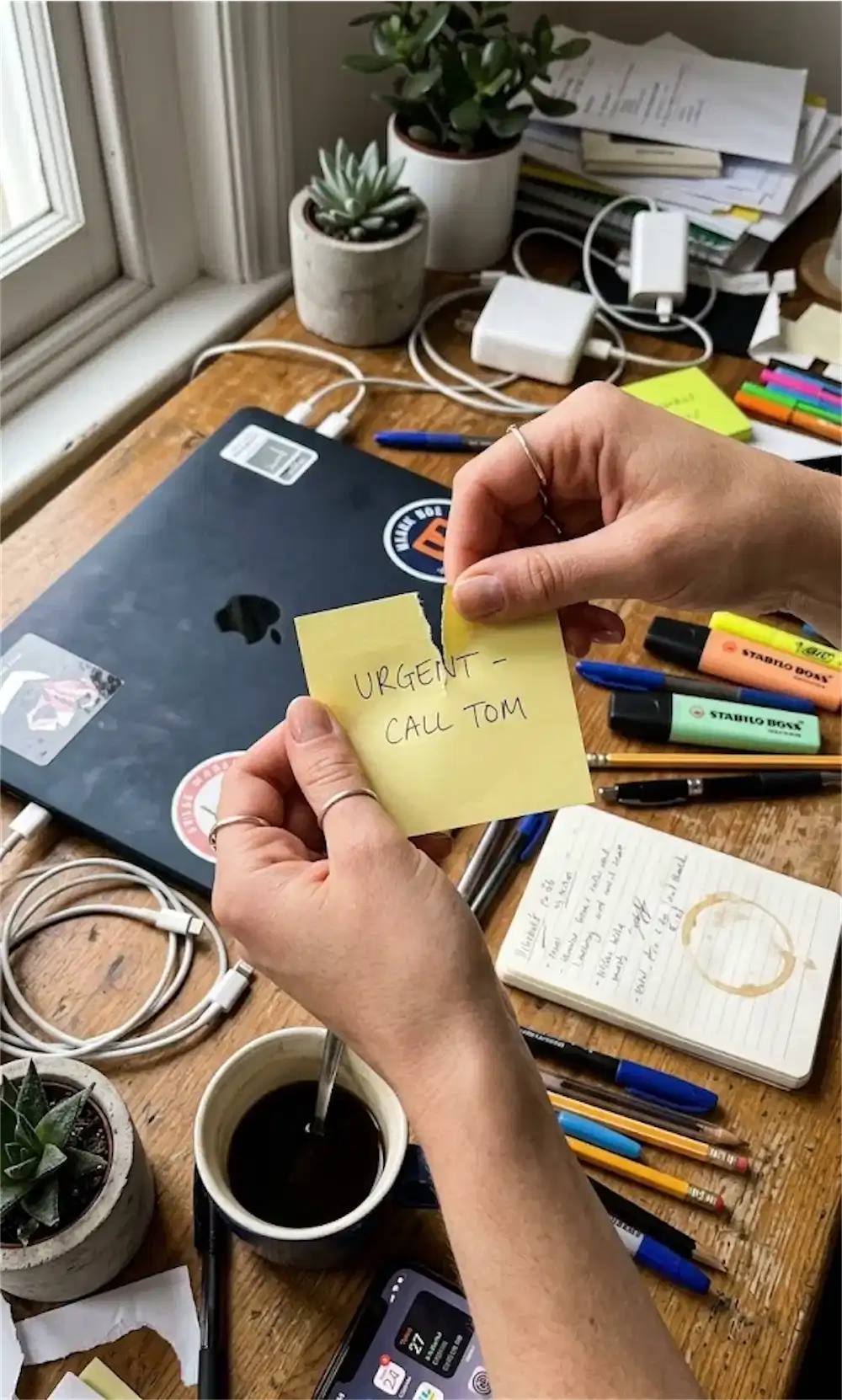
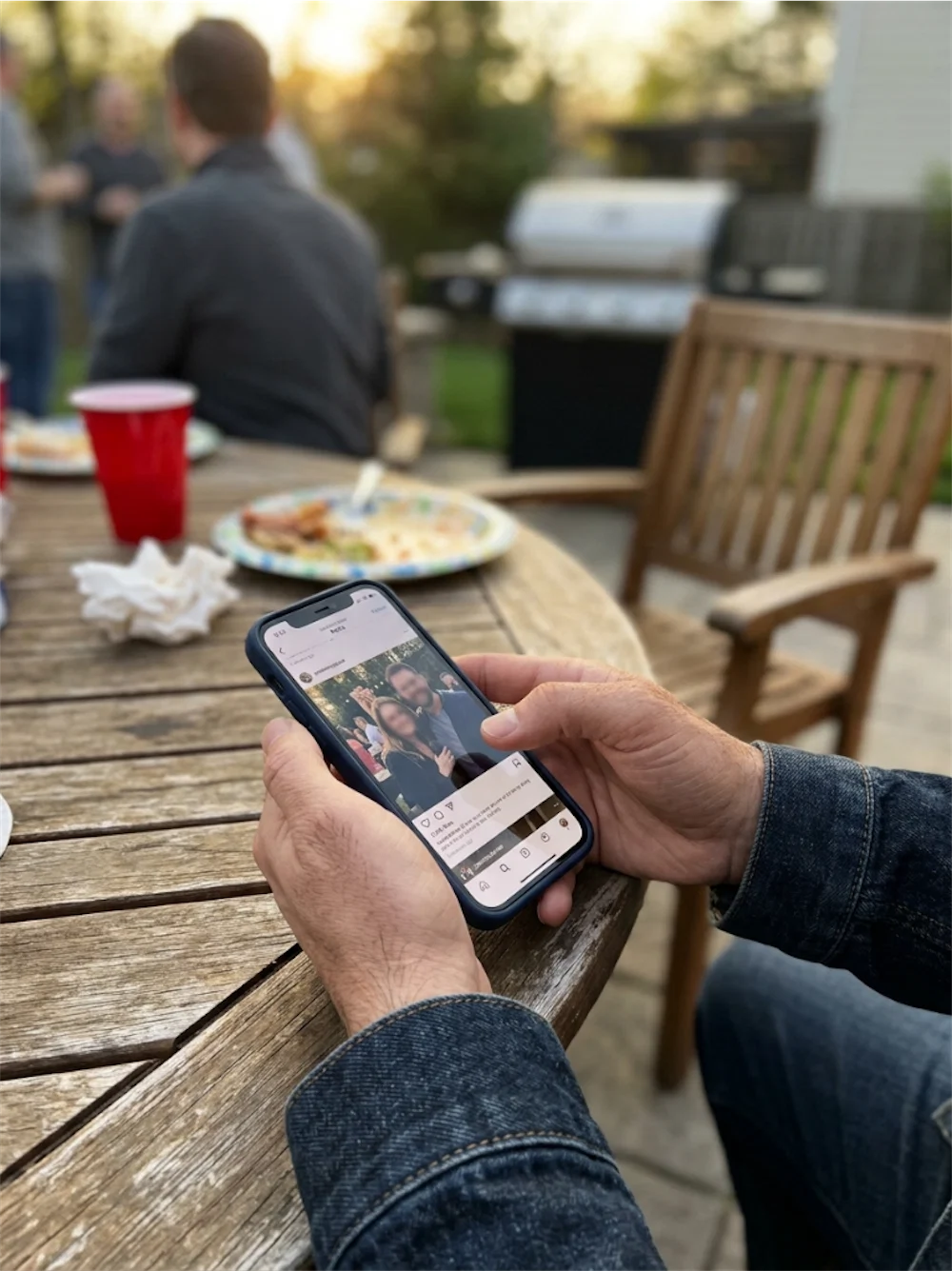
Hoovering is named after the vacuum cleaner because it is a manipulation tactic designed to suck you back into the toxic dynamic. In my twelve-year relationship, these messages usually fell into three categories. The first is the “Random Memory” text. They might send a photo of a restaurant you used to visit or mention a song that just played on the radio. It feels sentimental, but it is actually a way to test if the door is still ajar.
Another common example is the “Fake Emergency.” This is when they claim they are in trouble, sick, or need help with something only you can fix. During my recovery, I realized my ex would magically have a car breakdown or a “crisis” at work every time I went two weeks without responding. It plays on your empathy and your fawn response, making you feel guilty for staying silent. If you find yourself always trying to save them, you might want to look into fawn response traits to understand why you feel so responsible for their life.
The most dangerous one is the “Apparent Epiphany.” This is the text where they finally say everything you have been waiting years to hear. They claim they have changed, they are going to therapy, or they finally understand how much they hurt you. In my experience, this was usually a lie to get me to lower my guard. Have you noticed how these apologies never seem to result in actual, long-term change in their behavior?
The Psychology Behind Why We Want to Respond
When you receive a toxic message, your brain goes into a state of high alert. This is because a trauma bond is quite literally a biochemical addiction. When I was in the thick of it, a text from my ex gave me a hit of dopamine, even if the message was mean or confusing. It was like a drug addict getting a fix after a period of withdrawal. You aren’t weak for wanting to reply; you are dealing with a physiological response.
This is often referred to as intermittent reinforcement. Because the relationship had extreme highs and lows, your brain is wired to keep seeking the “high” of their validation. Understanding this was a huge turning point in my therapy. I stopped blaming myself for being “stupid” and started looking at it as a recovery process from an addiction. If you feel like you are losing your mind, remember that the power of silence is your greatest tool for rewiring those neural pathways.
Breaking this cycle is incredibly difficult when you are doing it alone. You need a structured way to handle the panic that sets in when they reach out. I found that having a physical plan or a workbook to go through helped me stay grounded when I felt like I was floating away in a cloud of anxiety and confusion.
If you are tired of the constant phone-checking and the knots in your stomach every time a message arrives, you need a strategy that actually works to block out the noise and reclaim your mental space once and for all.
How to Respond to Toxic Messages Without Losing Your Sanity
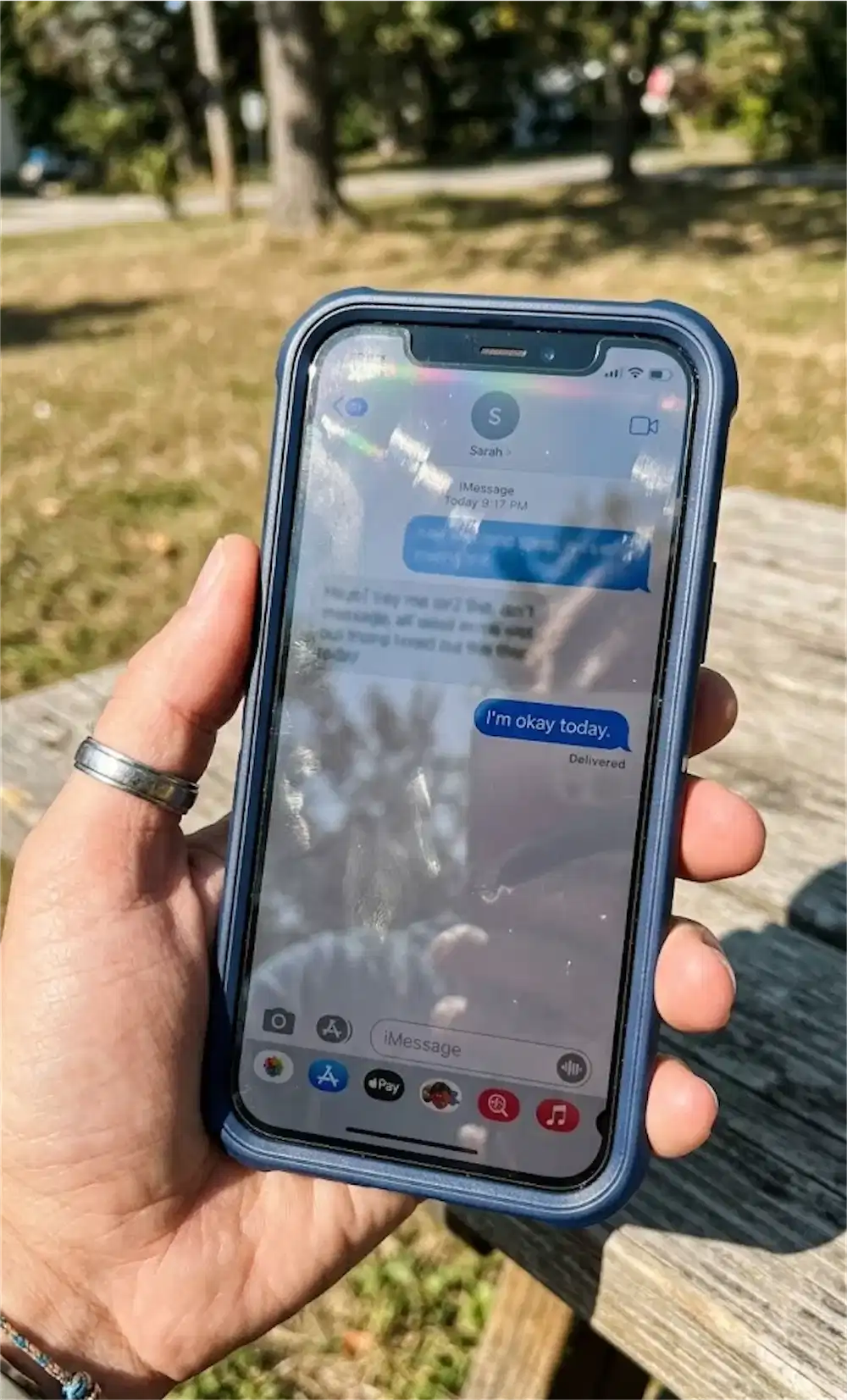
The best response to a hoovering text is no response at all. I know that sounds impossible when you are vibrating with the urge to defend yourself or explain your side. However, in a toxic relationship with someone who has NPD or BPD traits, your explanation is just more “supply” for them. They don’t want to understand you; they want to engage you. When I finally stopped responding, the silence felt like a vacuum at first, but then it started to feel like freedom.
If you absolutely must respond because of children or legal reasons, use the Grey Rock method. This means being as boring and uninteresting as a literal rock. Give one-word answers. Do not share your feelings. Do not tell them about your new life or your progress in therapy. If they send a toxic message meant to bait you into an argument, simply don’t take the bait. Does it really matter what they think of you anymore?
Another strategy I used was the “24-hour rule.” I would promise myself that I wouldn’t reply for at least a full day. Usually, by the time 24 hours had passed, the initial rush of cortisol had faded, and I could see the message for what it was: a desperate attempt to regain control. Taking your time allows you to step out of the trauma bond biochemical addiction and look at the situation with a clearer head. You might even find that after a day, you don’t even want to reply anymore.
Building Your Hoover Defense Shield
Healing isn’t just about ignoring one text; it is about changing your environment so those texts can’t reach you. I had to learn to block numbers and social media accounts without feeling like I was being “mean.” Setting a boundary is a survival skill, not an act of aggression. For years, I felt guilty for blocking my ex, thinking I was being immature. In reality, I was just protecting my nervous system from further damage.
You should also be aware of flying monkeys. These are mutual friends or family members who the toxic person uses to send messages on their behalf. “Oh, he’s so sad,” or “She really misses you,” they might say. I had to go low contact with several friends who kept trying to “bridge the gap” between us. It was painful, but it was the only way to ensure my no-contact recovery roadmap stayed on track. If you are struggling with people-pleasing, you can read about how to handle narcissist hoovering tactics to prepare for these outside pressures.
Today, my life is filled with things I love again. I have my hobbies back, I have a support system that actually supports me, and I can wake up without checking my phone in a panic. That twelve-year nightmare taught me that my peace is worth more than any “explanation” or “closure” I thought I needed from them. You deserve that same peace, and it starts with the very next message you choose to ignore.
If you are ready to stop the cycle of endless “check-in” texts and emotional rollercoasters, make sure to grab your copy of The Hoovering Protection Plan to help you stay firm in your boundaries and finally find your way back to yourself.

Meet Your Guide
Helen Brooks
After surviving a 12-year NPD/BPD relationship, I dedicated over a decade to studying trauma bonding and nervous system recovery. My mission is to help you break free from the fog and reclaim your authentic self.
Ready to break the trauma bond and reclaim your life?