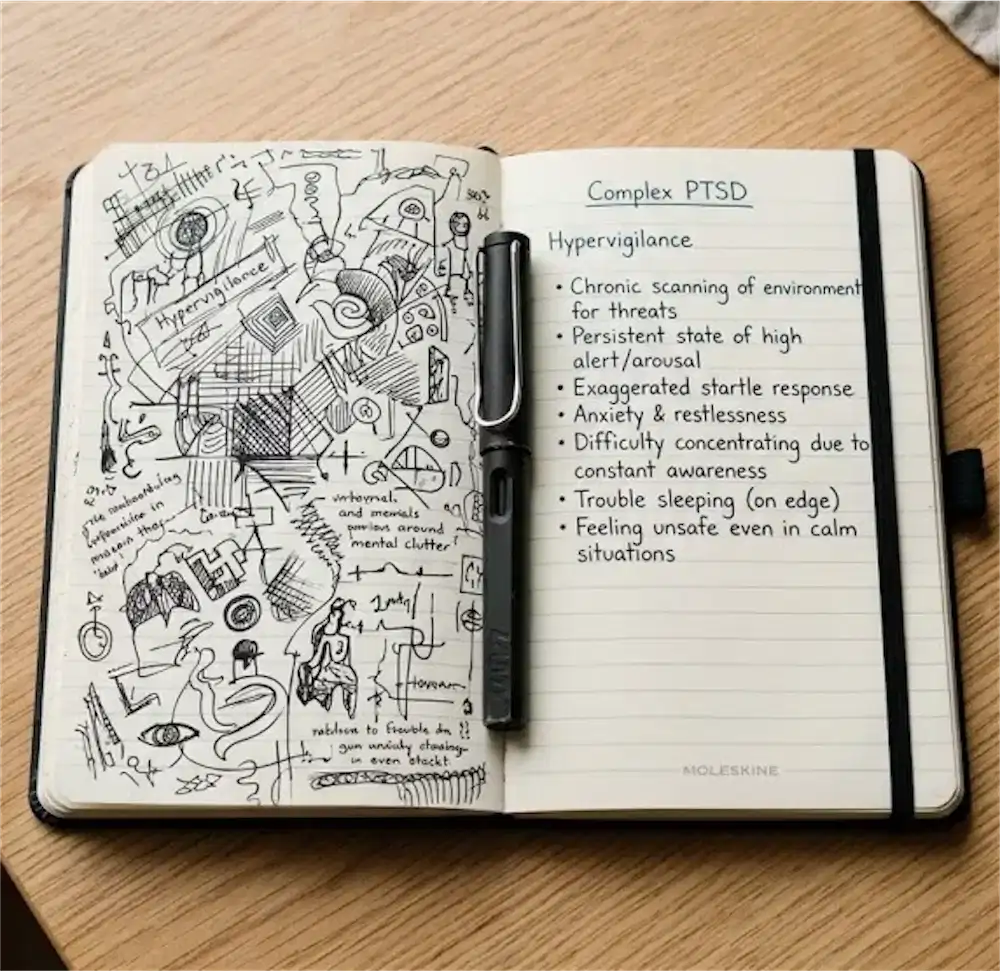
The Role of Grief in Narcissistic Abuse Recovery: Navigating the 5 Stages of Loss
Processing grief in narcissistic abuse recovery is unlike mourning a normal relationship ending, because you are not just grieving a person, but a carefully crafted illusion. When I finally escaped my 12-year toxic relationship with a partner who displayed severe NPD and BPD traits, I did not just feel sad; I felt entirely shattered, isolated, and completely emptied of my old, cheerful self. In those initial weeks, I found myself constantly asking: How do I recover from a relationship that felt like an addiction?
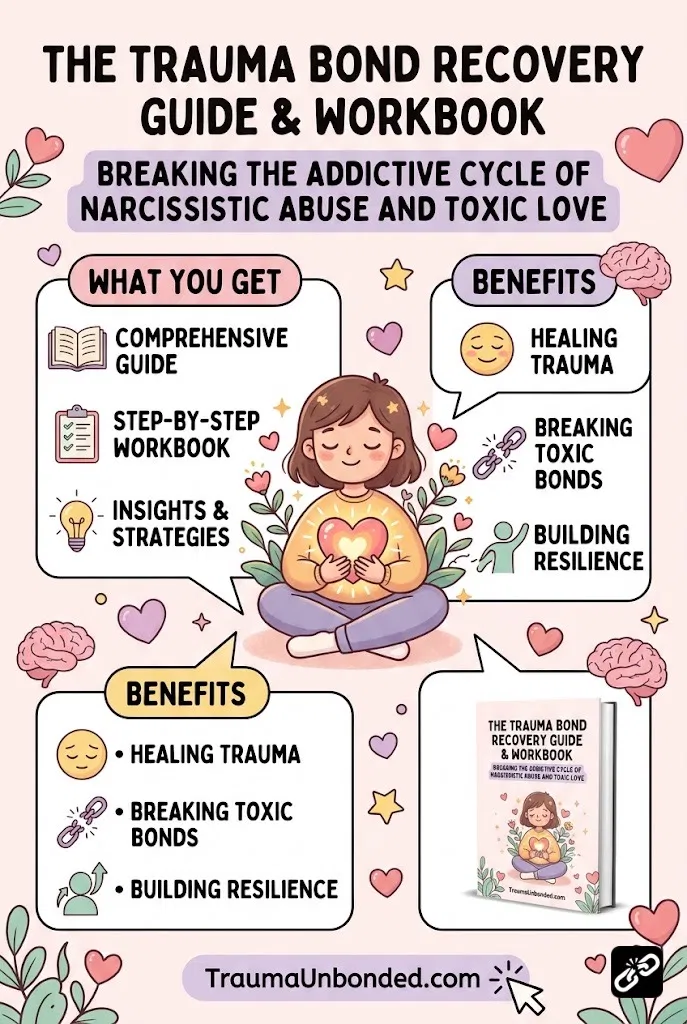
If you are currently struggling with the painful aftermath of a toxic partnership, working through a structured recovery plan like the Trauma Bond Recovery Guide & Workbook can help you make sense of the overwhelming emotions you are experiencing. Healing is not a straight line, and understanding the stages of loss is your first step toward clarity.
Why Grief in Narcissistic Abuse Recovery Is Different
Grief in narcissistic abuse recovery is fundamentally different because it involves mourning a partner who never truly existed, breaking a biochemical trauma bond, and processing disenfranchised grief that others rarely understand.

In a healthy breakup, you mourn the loss of shared dreams and a real person. In the aftermath of emotional abuse, however, you must grieve the person you thought they were, the person you hoped they would become, and the version of yourself that you lost. How do you process the loss of someone who was both your greatest source of comfort and your primary source of terror?
During my twelve years of being in this toxic dynamic, I constantly found myself grieving in silence while still in the relationship. When the end finally came, the pain was immense because others did not understand why I was grieving someone who had treated me so poorly. This is what is known as disenfranchised grief, which is grief that is not socially validated or understood by those around you.
Your ex-partner is still physically alive, but the persona you loved was entirely fictional. Let us look at how the five stages of grief manifest when you are recovering from a toxic relationship.
Stage 1: Denial and Cognitive Dissonance
In my twelve years of walking on eggshells, denial was my survival mechanism. It kept me believing that if I just said the right thing, my partner’s loving side would return permanently. This is where you experience extreme cognitive dissonance, torn between the loving partner from the love bombing phase and the cruel person in front of you.
You might find yourself searching for answers, trying to heal the trauma bond that keeps you anchored to your abuser. Your brain minimizes the red flags to protect you from the unbearable pain of reality. You tell yourself that they were just stressed or had a difficult childhood.
Breaking denial requires looking at actions rather than words. When you stop accepting excuses, the illusion starts to crack, and you move into the next phase of recovery.
Stage 2: Anger and the Fire of Realization
Anger is a vital part of finding your way back to your authentic self. After years of turning your frustration inward, which often manifests as chronic people-pleasing and physical exhaustion, the anger finally boils over. You realize how much of your life, energy, and sanity was taken from you.
You feel angry at them for the lies, the manipulation, and the betrayals. But you also feel a deep anger at yourself for staying so long. Forgiving yourself for that is a slow, gradual process, but it is necessary.
This anger is not bad; it is actually a boundary in disguise. It is the part of you that finally says, “I did not deserve to be treated this way.” Instead of letting this anger consume you, use it as fuel to maintain your boundaries and protect your peace.
Stage 3: Bargaining and the Hoovering Trap
Bargaining is the stage where your brain tries to negotiate with reality to stop the intense pain. In toxic recovery, bargaining often looks like breaking no contact or trying to fix the relationship one last time. You ask yourself if things would have been different if you had been more patient, more understanding, or less reactive.
This stage is dangerous because it leaves you vulnerable to hoovering, which is when an abuser tries to pull you back into the relationship with false promises of change. When you understand the trauma bond withdrawal symptoms, you realize that your brain is simply seeking its next dopamine hit from the chaotic cycle.
But bargaining with a toxic ex is like negotiating with a brick wall. During this time, I often caught myself thinking, “Maybe they will change if they see how much pain they caused me.” The truth is, they cannot give you the closure you want.
To safely navigate this painful transition without falling back into old, destructive patterns, you need a structured plan. The path to emotional independence requires rebuilding your nervous system from the ground up.
Stage 4: Depression and the Neurochemical Crash
When bargaining fails, the heavy reality sets in, leading to deep depression. This is the dark room where you must sit with the truth: the relationship is over, and the person you loved was a mask. During my recovery, this stage was the hardest; I felt isolated from my friends, had zero energy for hobbies, and felt like my future was entirely bleak.
According to psychological research on grief and loss, this phase is a natural reaction to a profound threat to your attachment system. You are experiencing a massive chemical crash as your nervous system tries to regulate after years of constant fight-or-flight stress. It is not just sadness; it is a physiological reset.
Allow yourself to rest during this stage. Cry when you need to, sleep when you are tired, and do not force yourself to recover before your body is ready. Your body has been in chronic survival mode, and it needs time to feel safe again.
Stage 5: Acceptance and Reclaiming Your Identity

Acceptance does not mean you are happy about what happened. It simply means you stop fighting the reality of what was. You accept that they cannot change, that you could not save them, and that the relationship is permanently over.
In my recovery, acceptance was the moment I stopped waiting for an apology that would never come. I accepted that my ex-partner was incapable of empathy, and that my healing was entirely my own responsibility. This is where you map out your no contact recovery roadmap and begin to reinvest in your own life.
Slowly, you will find your original self returning. You will start noticing the beauty in daily life again, enjoying small morning rituals, and realizing that your environment is finally peaceful. The grief may still visit you in waves, but it will no longer control your actions.
Practical Steps for Navigating Abuse Recovery Grief
Navigating these stages requires patience and active self-care. Here are some of the most helpful ways to support your healing journey:
- Go strict no contact: Every time you check their social media, you reset the grief clock and feed the trauma bond.
- Validate your feelings: Do not judge yourself for missing them. Remember, you are missing the illusion, not the abuse.
- Find professional support: Working with a trauma-informed therapist who understands narcissistic and BPD abuse is highly recommended.
- Rebuild your support system: Reach out to old friends you lost touch with or join support groups with fellow survivors.
Your healing will not happen overnight, but every day you choose yourself is a step toward freedom. You will survive this pain, just as I did, and you will build a life that is beautiful, quiet, and safe. If you are ready to stop the painful cycle of rumination and begin actively healing, downloading the Trauma Bond Recovery Guide & Workbook can provide you with the exact exercises and steps needed to break free and reclaim your life.

Meet Your Guide
Helen Brooks
After surviving a 12-year NPD/BPD relationship, I dedicated over a decade to studying trauma bonding and nervous system recovery. My mission is to help you break free from the fog and reclaim your authentic self.
Ready to break the trauma bond and reclaim your life?