Maladaptive Daydreaming Signs: A Hidden Trauma Coping Tool
Recognizing maladaptive daydreaming signs is often the first step in understanding how your mind developed a hidden trauma coping tool during years of emotional chaos. When I was stuck in a 12-year relationship with a partner who showed both NPD and BPD traits, my head was the only place I felt safe. I didn’t realize it back then, but those vivid stories I told myself were a way to survive the constant gaslighting and the crushing loneliness of being with someone who couldn’t truly see me. If you find your mind constantly replaying scenarios or creating whole new worlds to escape your reality, you might need The Rumination Detox – How to Stop Obsessive Thoughts After Narcissistic Abuse to help you find your way back to the present moment.
Does it ever feel like you are physically in a room, but your spirit is miles away, living a completely different life? This isn’t just “spacing out” or simple boredom. For those of us who survived a decade or more of walking on eggshells, daydreaming became a sophisticated defense mechanism. It was a shield against the pain of being ignored or blamed for things we didn’t do. I spent hours imagining conversations where I finally stood up for myself, or lives where I was loved the way I deserved. It felt better than the gray reality of my living room, where my hobbies had vanished and my friends were long gone.
Understanding these signs helps you stop feeling “crazy” and starts the process of trauma-informed healing. You aren’t lazy, and you aren’t losing your mind. Your brain is simply trying to protect you from a reality that felt too heavy to carry alone. When the person who is supposed to love you instead uses your vulnerabilities against you, the mind builds a sanctuary inside. Let’s look at how to identify if your imagination has become a place of refuge that is now keeping you stuck in the past.
Common Maladaptive Daydreaming Signs in Abuse Survivors

One of the most frequent maladaptive daydreaming signs is the sheer intensity and length of the fantasies. We aren’t talking about five minutes of wondering what you’ll have for dinner. We are talking about hours where you are fully immersed in a narrative. In my toxic relationship, I would start a “story” while doing the dishes and realize two hours had passed. I had barely moved. My partner would be in the next room, but in my head, I was traveling the world or being praised for my work. It was a way to fill the void that narcissistic neglect left behind.
Another sign is the physical need to move while you are in these states. Many survivors find themselves pacing, rocking, or making hand gestures while they “act out” the scenes in their mind. Have you ever caught yourself whispering the dialogue of an imaginary argument? This happens because the emotional charge of the daydream is so high that your body reacts as if it’s real. After years of being silenced in real life, your body finally gets to express the anger or joy that was suppressed. It is a way to stop ruminating on arguments in your head by actually finishing them in a fantasy world.
The most telling sign, however, is the “hangover” you feel when you have to come back to reality. When the daydream ends, do you feel a wave of sadness or irritation? Real life feels dull, painful, or overwhelming in comparison to the world you built. For me, the contrast between my “perfect” mental life and my miserable, isolated real life was agonizing. This withdrawal is a clear indicator that the daydreaming has moved from a creative outlet to an addictive survival strategy.
The Role of Dissociation in Toxic Relationships
Why does this happen so often to people who lived through BPD or NPD abuse? It is a form of dissociation. When the stress of a relationship becomes too much for the nervous system to handle, the brain “checks out.” It’s like a circuit breaker that flips to prevent a fire. If you couldn’t leave the house because you were financially controlled or emotionally paralyzed, your mind created a door that no one else could lock. You found a way to be “gone” while still sitting right in front of them.
This hidden trauma coping tool was actually quite brilliant when you think about it. It kept you from completely breaking down. However, once you are out of the relationship, this tool can become a hurdle. It keeps you from building a new life because you are still spending all your energy in an old, imaginary one. You might find yourself searching for trauma brain fog relief because you can’t focus on the tasks at hand. Your brain is still trying to escape, even though the immediate danger is gone.
Breaking this cycle requires a lot of self-compassion. You have to realize that you didn’t choose this because you wanted to be unproductive. You chose it because it was the only way to keep your heart beating during the years of intermittent reinforcement and silent treatments. Now that you are safe, we have to teach your brain that it’s okay to stay in the present. It takes time to convince a terrified nervous system that the “real world” is finally a place where you can thrive without a mask.
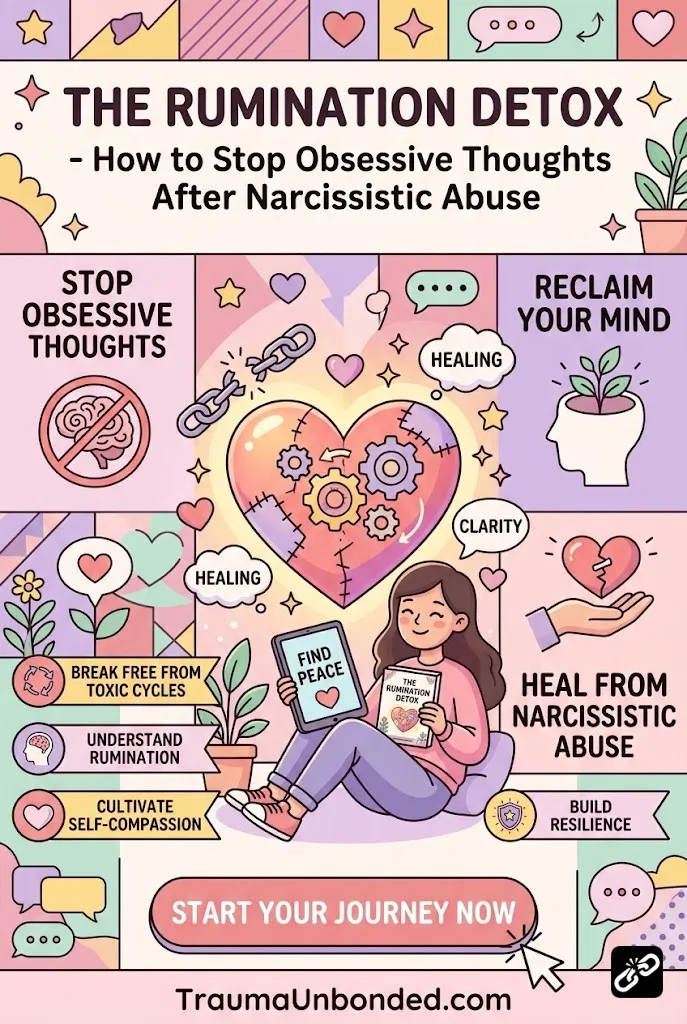
If you find that your thoughts are constantly pulled back to the abuse or to these fantasy escapes, you need a structured way to ground yourself. Reclaiming your focus is a big part of the healing journey after the fog of a toxic partner finally clears. I found that having a roadmap to manage these obsessive loops was the only thing that actually worked when my own willpower failed me.
Grounding Yourself After Narcissistic Abuse
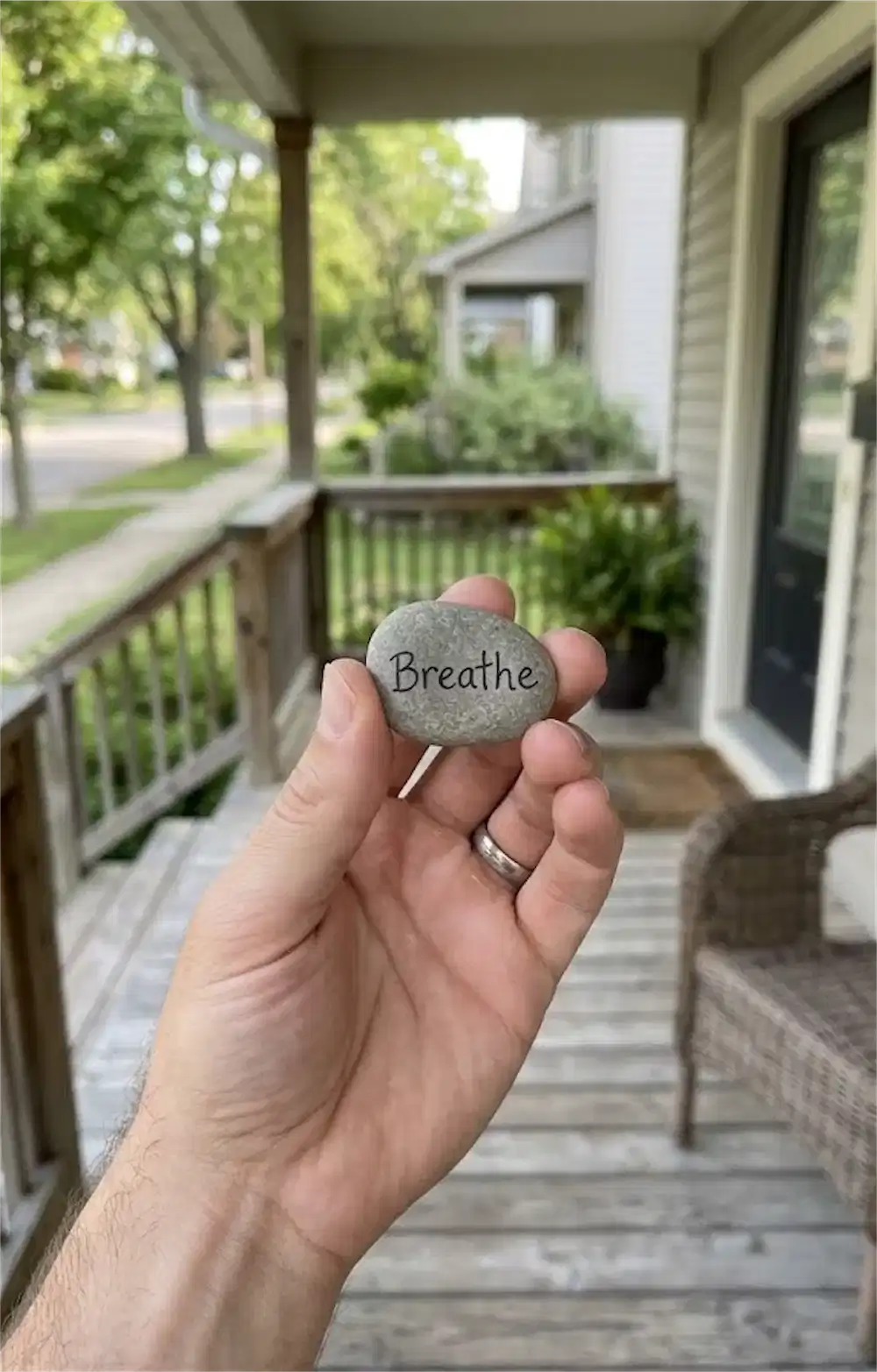
So, how do we stop the wandering mind? The first step is grounding. Grounding is the practice of pulling your awareness back into your physical body and the environment around you. When I first started therapy after my breakup, I couldn’t sit still for five minutes without my mind flying off to a fantasy. My therapist taught me to use my senses. What do I smell right now? What does the chair feel like against my back? This simple shift helps tell your brain that the “here and now” is safe.
You can also use specific CPTSD grounding techniques to interrupt the daydreaming before it takes over your entire afternoon. For example, the “5-4-3-2-1” method is a lifesaver. You name five things you see, four things you can touch, three things you hear, and so on. It forces the brain to use the prefrontal cortex, which is the “logical” part of the brain that often goes offline during maladaptive daydreaming sessions. It’s like a gentle anchor that prevents you from drifting out to sea.
Another powerful way to heal is to slowly start re-engaging with the hobbies you lost. During my 12-year toxic cycle, I stopped painting and reading because all my energy went into managing my partner’s moods. When I started painting again, I noticed something interesting. I didn’t need to daydream as much because I was finally doing something real that made me happy. The “fake” world became less attractive because the “real” world was starting to have color again. What is one small thing you used to love before the relationship drained you?
Rebuilding Trust With Yourself
Healing from this hidden trauma coping tool also involves forgiving yourself. For a long time, I felt ashamed that I was a grown adult who spent so much time “living in my head.” I felt like I was wasting my life. But once I understood that this was my brain’s way of loving me when no one else was, the shame started to melt away. You don’t have to fight your daydreams with hatred. You can thank them for getting you through the hard years, and then gently tell them you don’t need them to work overtime anymore.
As you build a life after abuse, you will find that the need to escape naturally decreases. You are creating a reality that you actually want to be present for. It takes effort to stay grounded, especially when things get stressful, but the rewards are huge. You get to experience your own life again. You get to feel the sun on your skin, hear the laughter of true friends, and finally feel the peace of a quiet home. That is something a daydream can never truly give you.
If you are struggling to stay present or find that the “fantasies” are actually painful memories on loop, take it one day at a time. Your mind is a powerful thing, and it can be re-trained. You survived the relationship, and you can survive the recovery, too. You deserve to be the main character in your real life, not just the one inside your head. For more support in clearing those mental loops, I highly recommend looking into The Rumination Detox – How to Stop Obsessive Thoughts After Narcissistic Abuse to help you reclaim your mental peace and finally move forward.

Meet Your Guide
Helen Brooks
After surviving a 12-year NPD/BPD relationship, I dedicated over a decade to studying trauma bonding and nervous system recovery. My mission is to help you break free from the fog and reclaim your authentic self.
Ready to break the trauma bond and reclaim your life?