How to Set Boundaries and Stop Apologizing for Your Needs
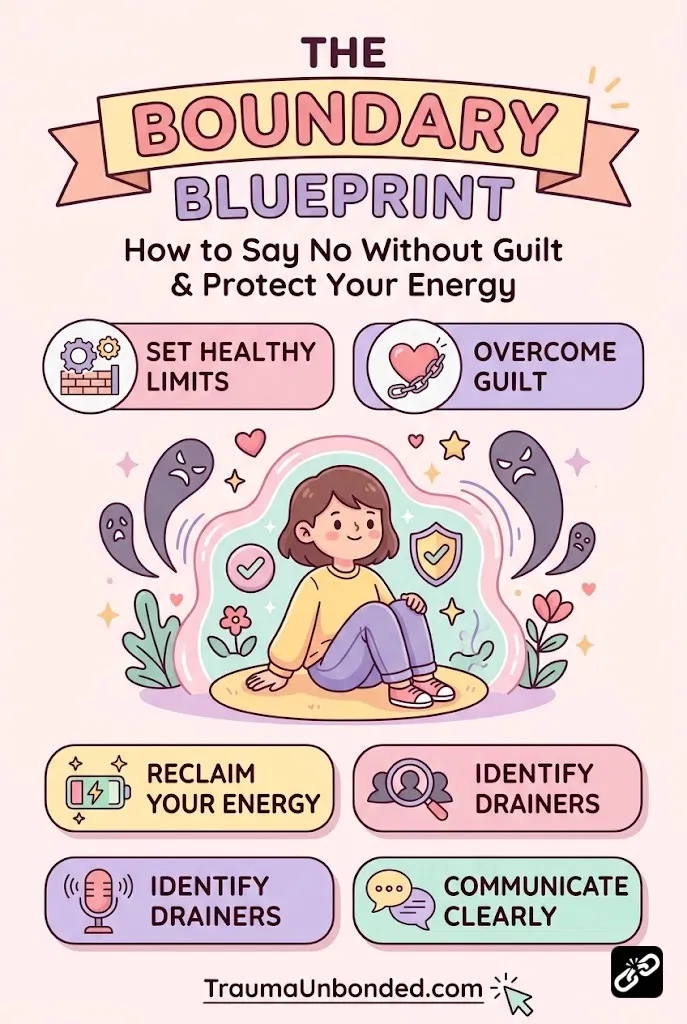
Learning how to set boundaries and stop apologizing for your needs is the hardest part of moving on after you have been through a toxic relationship. When you spend years living with someone who has Narcissistic Personality Disorder (NPD) or Borderline Personality Disorder (BPD) traits, your own desires start to feel like a burden. I spent 12 years in that exact cycle, feeling like my only job was to keep the peace and stay small. I thought that if I asked for anything at all, I was being “difficult” or “selfish.” To start your recovery, you can use The Boundary Blueprint to learn how to value your own peace again.
Does it feel like you are always walking on eggshells? Do you find yourself saying “I am sorry” before you even ask for a glass of water or a moment of silence? That is the fawn response in action. It is a survival mechanism where you try to appease a person to avoid a blow-up. After a decade of this, I was a shell of my original self. I had no hobbies and no voice left. Healing means realizing that your needs are not an inconvenience to the right people. You have every right to exist without being a placeholder for someone else’s ego.
When you start setting boundaries with a narcissist, the pushback can be scary. They are used to you having no walls. When you finally build one, they will call you “cold” or “abusive” because they can no longer control you. I had to learn through therapy that a boundary is not a punishment for the other person. It is a rule for myself. It is a way to say what I will and will not tolerate so I can keep my sanity intact. You can read more about identifying these habits in my fawn response traits guide to see if you are still stuck in people-pleasing mode.
The Fog of Guilt and the 12-Year Silence
For over a decade, I didn’t even know what I needed. My ex-partner’s moods dictated the weather in our home. If they were up, I had to be up. If they were down, I was the one who had to fix it. This is called codependency, and it erases your identity. When I finally left, I sat in my new, quiet apartment and realized I didn’t even know what kind of music I liked. I had spent so long apologizing for my space that I had forgotten I was allowed to have any.
Gaslighting is a big part of why we stop asking for what we need. When you are told your reality is wrong for 12 years, you stop trusting your gut. You think, maybe I am being too sensitive. Or maybe I am asking for too much. In reality, you are likely asking for the bare minimum, like respect or honesty. Recovery from emotional abuse starts when you stop looking for validation from the person who hurt you and start finding it within yourself. It took me a long time to heal from gaslighting and trust my own mind again.
Why We Apologize for Existing
We apologize because it is a shield. If we say sorry first, maybe they won’t get angry. If we apologize for being tired, maybe they won’t accuse us of being lazy. This apology reflex is a sign of a dysregulated nervous system. Your body is in a constant state of “fight or flight,” waiting for the next criticism. I remember apologizing for the way I breathed or the way I sat on the couch. It was a miserable way to live, but it was all I knew.
To stop this, you have to realize that your needs are neutral. They aren’t good or bad; they just are. You need sleep. You need respect. You need time alone. None of these things require an apology. When you stop saying sorry for your basic human requirements, you start to take your power back. It feels wrong at first, almost like you are being mean. But you aren’t being mean; you are being honest. And honesty is the first step toward the cheerful, optimistic person you used to be before the trauma took over.
If you feel overwhelmed by the thought of standing up for yourself, you are not alone. Reclaiming your life after years of being silenced is a heavy task that requires a clear plan. I created a tool to help you navigate these difficult conversations and build a life where your voice actually matters.
How to Set Firm Boundaries Without the Drama
Setting a boundary doesn’t have to be a big, emotional speech. In fact, the less you say, the better. When you explain too much, you give a toxic person “ammunition” to argue with you. They will try to find loopholes in your logic. Instead, use short, declarative sentences. “I am not available to talk about this right now,” or “I will not stay in the room if you are shouting at me.” These are full sentences. They don’t need a “because” at the end.
I used to think I had to justify my boundaries so my partner would understand and agree. But here is the secret: a narcissist will never agree with a boundary that limits their access to you. They don’t have to agree for the boundary to be valid. You are the one who enforces it by walking away or hanging up the phone. This was a hard lesson for me. I wanted them to see my side, but they were committed to misunderstanding me. Once I stopped trying to make them understand, I found a lot of peace.
Managing the Guilt Hangover
The first few times you say “no” without an apology, you will feel a guilt hangover. It feels like a heavy weight in your chest. You might feel like a “bad person.” This is just the old programming from your toxic relationship trying to pull you back into the cage. When this happens, I want you to ask yourself: Is this guilt mine, or was it given to me? Most of the time, that guilt is a leftover gift from someone who wanted you to stay obedient.
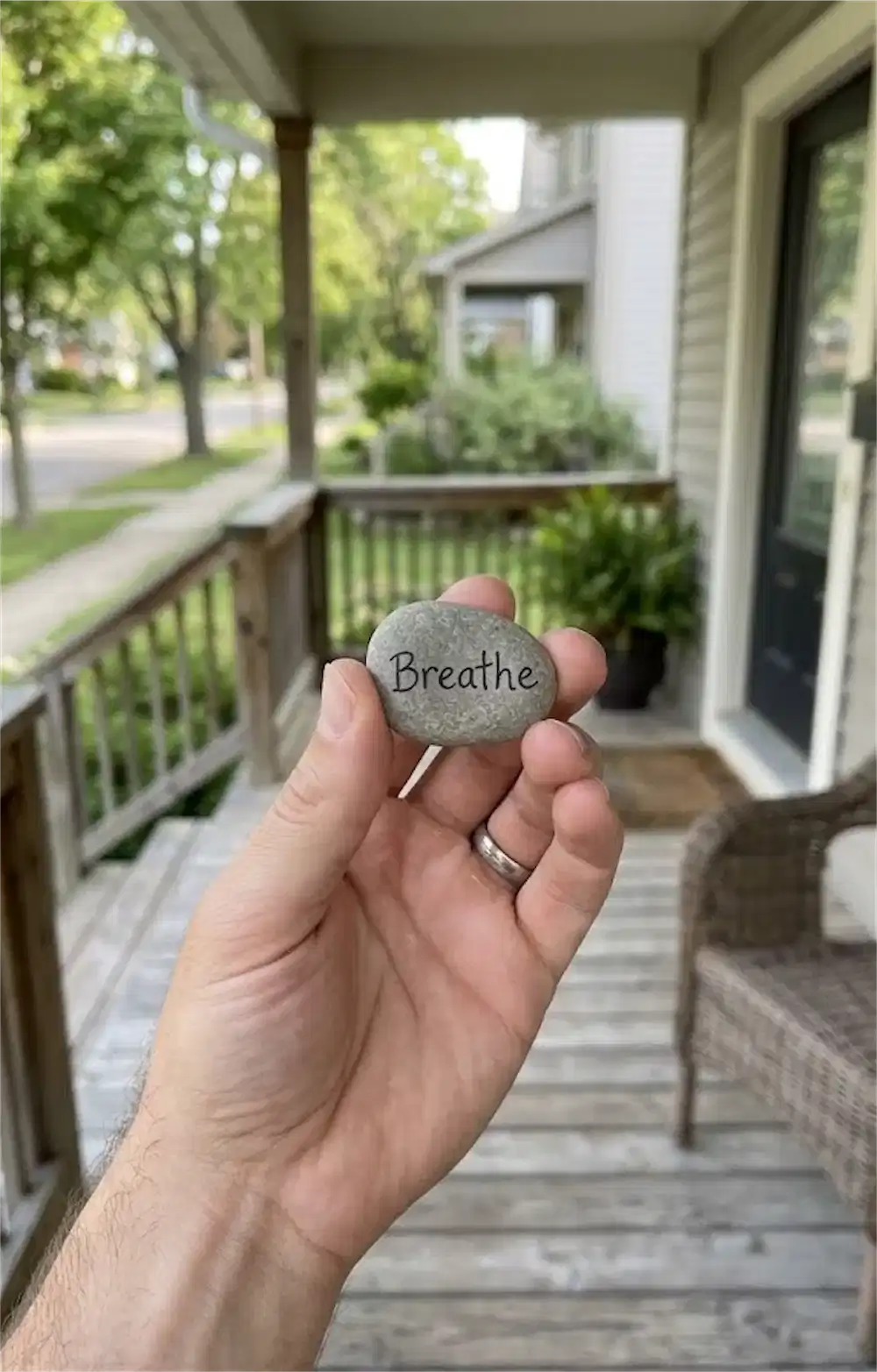
To get through this, you need to focus on your nervous system regulation. Take a walk, listen to music, or just breathe. Remind yourself that you are safe now. After 12 years of chaos, silence can feel dangerous. But it is in that silence that you find your “original self” again. I used to be so isolated, but now I have friends and hobbies that have nothing to do with my past. I got here by refusing to apologize for wanting a better life. You can do the same thing.
Your Needs Are Your Responsibility Now
In a toxic relationship, we wait for the other person to notice we are hurting and change. We hope they will finally see our needs and meet them. But they won’t. Healing happens when you realize that you are the only one responsible for your needs. If you need rest, you take it. If you need distance, you create it. You no longer have to wait for permission to take care of yourself. This is what it means to be grounded and resilient.
I look back at that version of me from five years ago, the one who was devastated and felt miserable, and I barely recognize her. The difference isn’t that my life became perfect. The difference is that I stopped being a victim of my own silence. I started speaking up, even when my voice shook. I stopped saying “I am sorry” for having an opinion. I started realizing that if someone is offended by my boundaries, they are exactly the person those boundaries were meant for.
The path forward is about consistency. You won’t get it right every time, and that is okay. Some days the old habits will creep back in. You might apologize for something small and then catch yourself. Don’t beat yourself up. Just notice it and try again tomorrow. You are unlearning years of conditioning. Be patient with your heart. You are building a new foundation, one that is based on self-respect instead of fear. To help you stay on track and keep your energy protected, I highly recommend using The Boundary Blueprint as your daily guide for reclaiming your voice.

Meet Your Guide
Helen Brooks
After surviving a 12-year NPD/BPD relationship, I dedicated over a decade to studying trauma bonding and nervous system recovery. My mission is to help you break free from the fog and reclaim your authentic self.
Ready to break the trauma bond and reclaim your life?