C-PTSD Grounding Techniques to Stop Emotional Flashbacks Fast
C-PTSD grounding techniques to stop emotional flashbacks fast are the most important tools I learned after surviving twelve years of chaos. When you spend over a decade with a partner who shows both narcissistic and borderline personality traits, your brain stays in a permanent state of high alert. I remember sitting in my kitchen months after the breakup, suddenly feeling like I was back in that tiny apartment, hearing him scream about something I didn’t even do. My heart would race, my palms would sweat, and I felt like a terrified child again. Have you ever felt that sudden wave of dread that makes no sense for where you are right now? That is an emotional flashback, and learning how to anchor yourself is the first step to reclaiming your sanity.
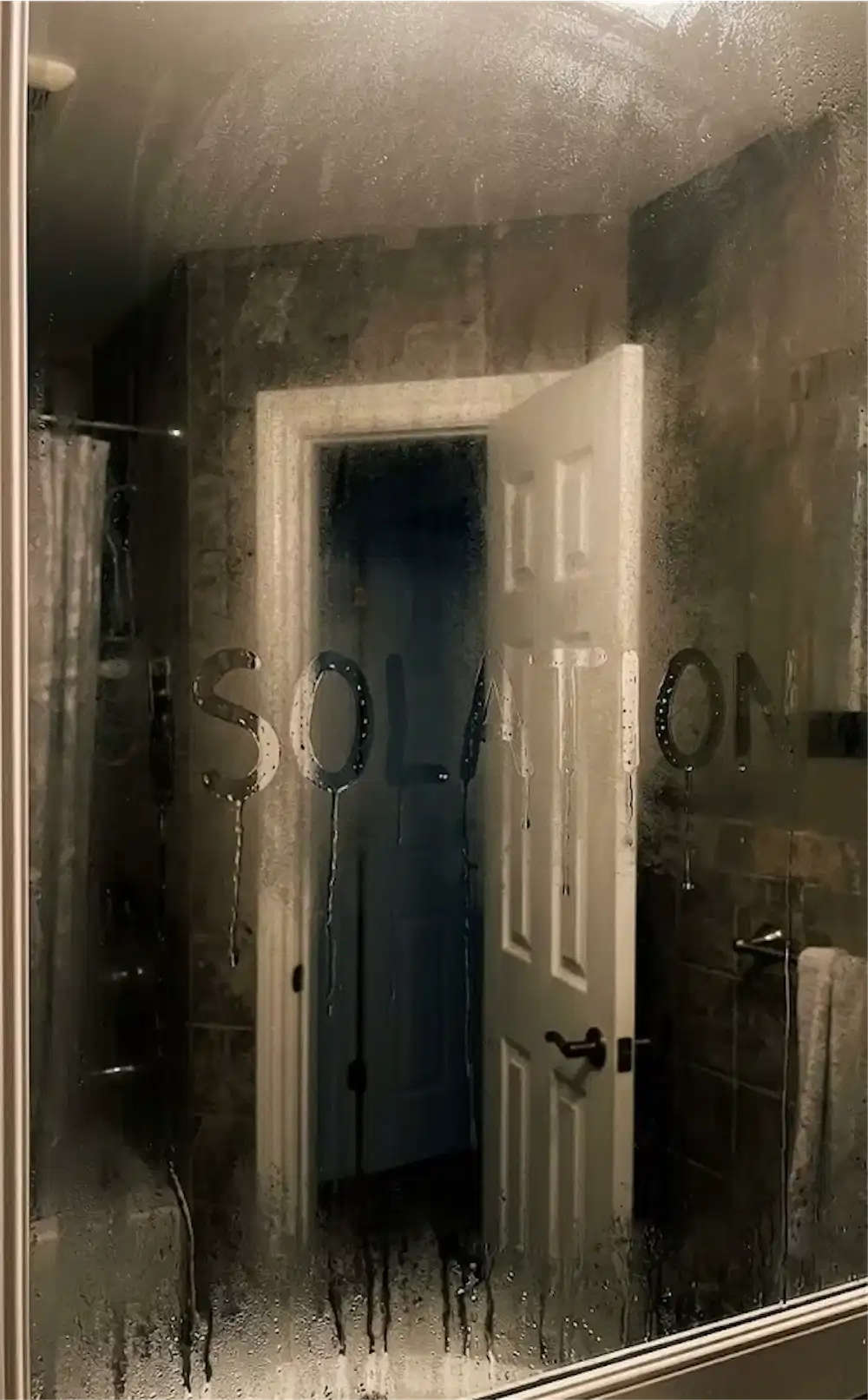
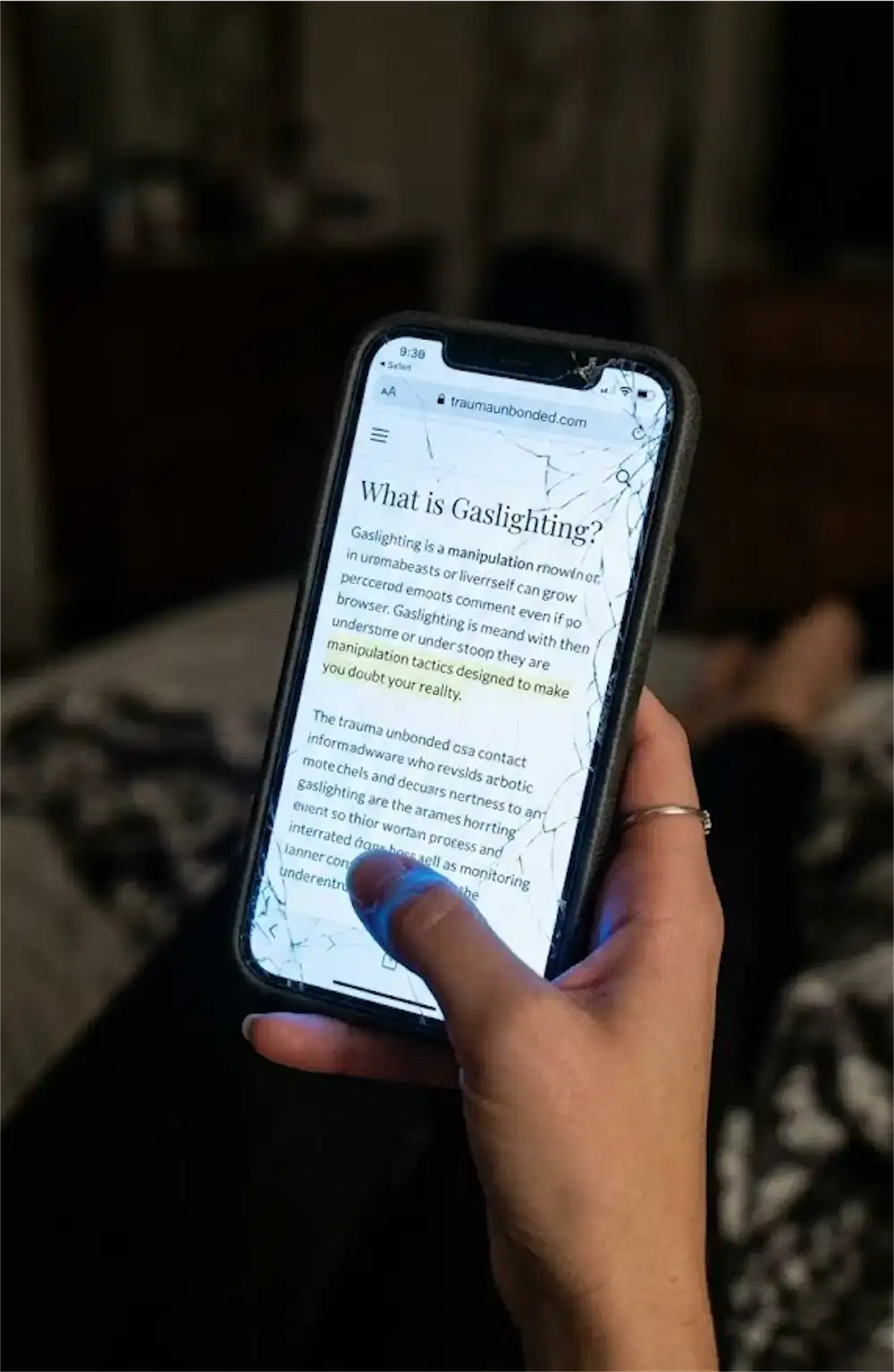
Living through a toxic relationship where gaslighting was a daily occurrence means your sense of reality was systematically dismantled. I spent years being told my memories were wrong and my feelings were “crazy.” By the time I left, I was isolated from my friends, I had no hobbies left, and I felt like a shell of a human being. It took professional therapy and a deep look into the C-PTSD Recovery Toolkit to realize that I wasn’t losing my mind; my nervous system was just stuck in the past. These techniques are designed to pull you out of the “then and there” and bring you back to the “here and now.”
Recovery is not a straight line, but it is possible to return to your original self. I used to be cheerful and optimistic before the trauma bond took over, and today, I am back to that person. If you are struggling with narcissistic abuse recovery, you need practical ways to handle the moments when the past feels louder than the present. Let’s look at the specific methods that helped me stop the spiraling and start the healing.
What Do Emotional Flashbacks Feel Like After Narcissistic Abuse?
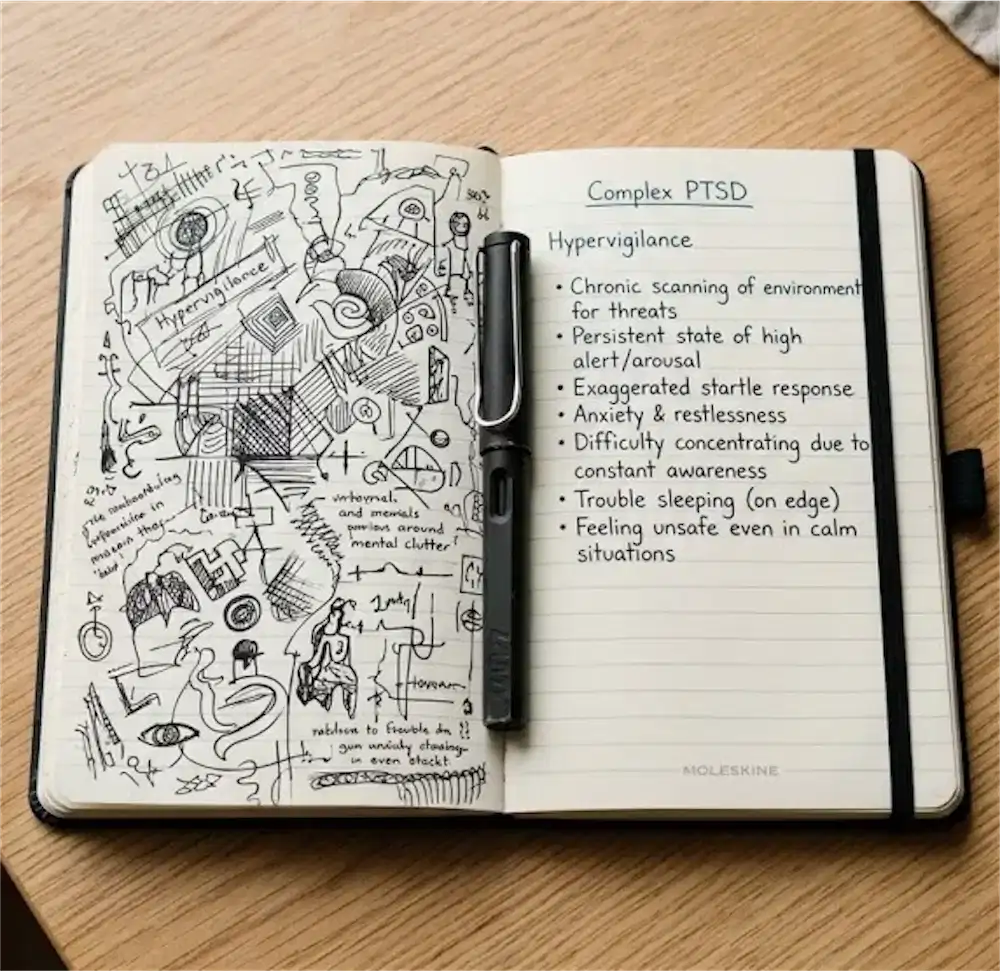
An emotional flashback is different from a regular memory because it doesn’t usually come with a visual image. Instead, it is a sudden, intense flood of feelings that you felt during the abuse. You might feel overwhelming shame, fear, or a sense of being small and powerless. In my twelve year relationship, this happened whenever I heard a specific tone of voice or saw a certain brand of car. I would immediately feel the biochemical addiction to the drama kick in, even though I was safe in my own home. It felt like I was drowning in old emotions that didn’t belong to my current life.
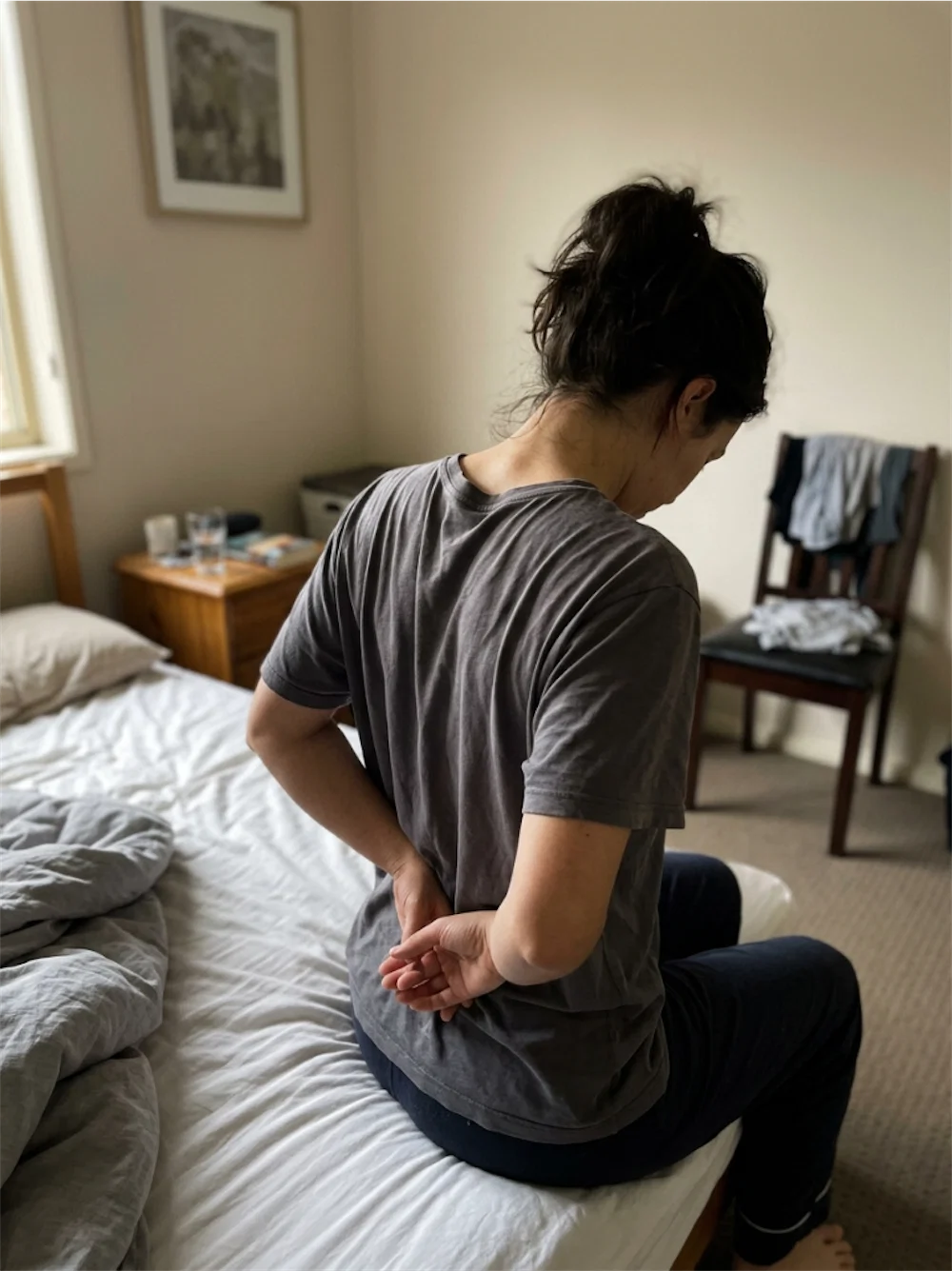
The first step to stopping these is identifying them for what they are. You have to tell yourself, “I am having a flashback, and I am safe now.” This sounds simple, but when your brain is convinced you are in danger, stating the truth out loud is a powerful act of rebellion. You are basically telling your amygdala to stand down. Are you currently feeling a heavy weight in your chest or a sudden urge to hide? Recognizing these as physical symptoms of C-PTSD grounding techniques needs can help you detach from the pain.
I spent a long time thinking I was just “emotional” or “unstable” because that is what my ex told me for a decade. Once I understood that my body was simply trying to protect me from perceived threats, the shame started to melt away. You aren’t broken; you are responding to a very long period of chronic stress. Using C-PTSD grounding techniques allows you to bridge the gap between your panicked body and your logical mind.
Immediate Physical C-PTSD Grounding Techniques to Regain Control
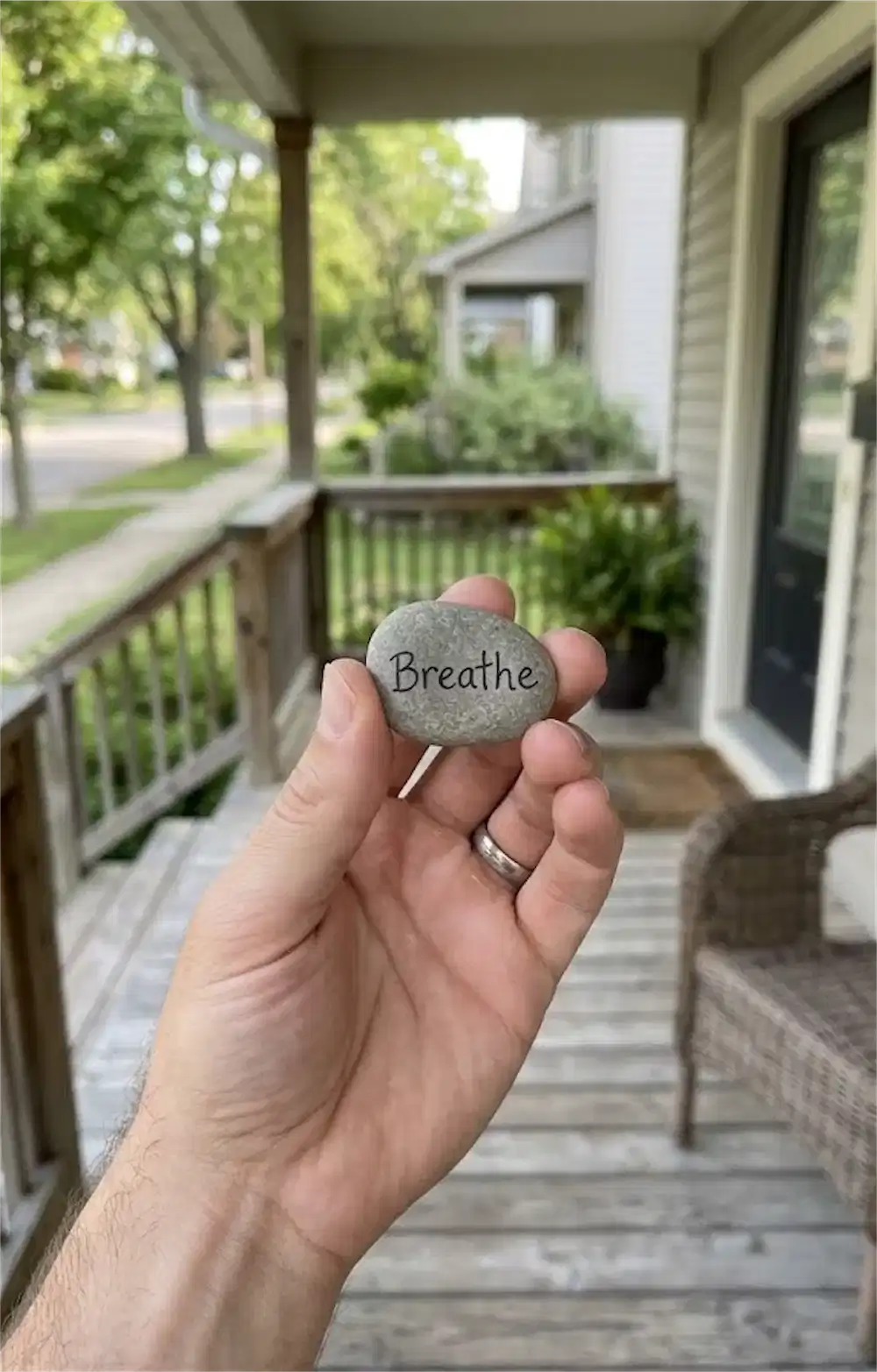
When you are in the middle of a BPD abuse flashback, your body is flooded with cortisol and adrenaline. You cannot “think” your way out of this because your logical brain has essentially gone offline. You have to use your body to signal safety. One of the fastest ways I found was the 5-4-3-2-1 technique. You look around the room and name five things you see, four things you can touch, three things you hear, two things you can smell, and one thing you can taste. This forces your brain to process external data instead of internal trauma.
Another incredibly effective tool is temperature change. When I felt a flashback coming on, I would grab an ice cube or splash freezing water on my face. The shock of the cold pulls your nervous system out of the “freeze” or “flee” response. It’s like a manual reset button for your brain. It sounds strange, but it works faster than any deep breathing exercise I ever tried during those first few months of recovery. Have you tried using physical sensations to interrupt your thoughts before?
You can also try “heavy work” or grounding through your feet. Stand up and push your hands as hard as you can against a wall. Feel the resistance in your muscles. This reminds your body that you have boundaries and physical strength. After years of having your boundaries trampled by a narcissist, feeling the literal solidness of a wall can be very comforting. These nervous system regulation exercises are vital for anyone coming out of a long-term toxic environment.
If you find that your body feels constantly tense and you can’t seem to relax even when you are alone, you might benefit from focused calming the nervous system through the vagus nerve. This nerve is the highway of your parasympathetic nervous system, and learning how to stimulate it can stop a flashback in its tracks before it peaks.
Mental Anchors to Break the Grip of Trauma Bonds
Mental grounding is about using your intellect to stay in the present. When you’ve been through a twelve year cycle of intermittent reinforcement, your mind is used to searching for “clues” or trying to solve the puzzle of your partner’s behavior. To stop a flashback, you have to redirect that mental energy. I found that doing simple math in my head or reciting the lyrics to a song I loved before the relationship helped me stay grounded. It’s about occupying the parts of your brain that the trauma wants to hijack.
One of my favorite mental anchors was what I call “The Reality Check.” I would list five facts about my current life that were not true during the relationship. “I am in my own house. I have my own bank account. No one is yelling at me. I am wearing what I want to wear. I am safe.” This creates a clear distinction between the person you were then and the survivor you are now. It helps break the cognitive dissonance that keeps you tied to the abuser’s version of you.
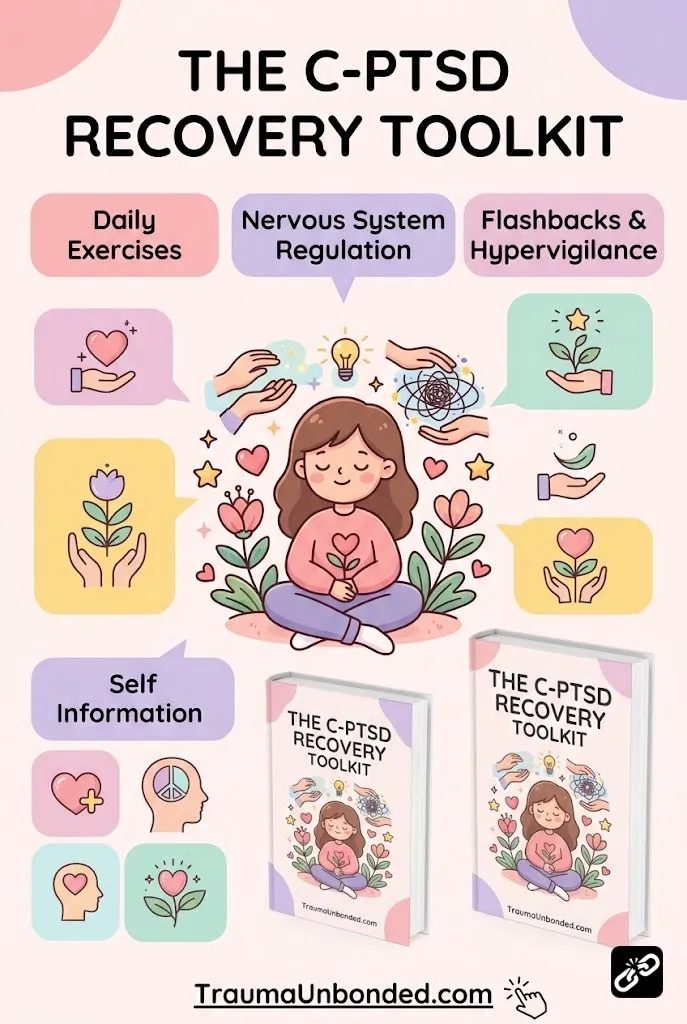
To truly move past the constant state of hyper-vigilance and fear, you need a structured approach to retraining your brain. I found that having a daily set of exercises made the difference between just surviving and actually thriving again. If you feel like you are constantly waiting for the other shoe to drop, this resource is the bridge to your new life.
Soothing Techniques for Your Nervous System
After you have used C-PTSD grounding techniques to stop the immediate panic, you need to soothe your system. Your body has just gone through a massive internal “storm,” and it needs to feel nurtured. In my toxic relationship, I was never allowed to have a bad day or be tired without it becoming a huge argument. Learning to be kind to myself was the hardest part of recovery. I started by using a weighted blanket, which provides deep pressure touch that naturally lowers anxiety.
Self-soothing is about reclaiming your senses. Maybe it’s the smell of a candle that you weren’t allowed to light because your ex hated the scent. Maybe it’s listening to music that makes you feel like your “original self” again. I spent years without hobbies, so I had to rediscover what I actually liked. I started with small things, like a specific tea or a soft sweater. These small acts of self-care are how you rebuild your identity piece by piece.
It’s also helpful to have a “safe space” in your mind or your home. After years of walking on eggshells, your home should be a sanctuary. When you feel a flashback coming, go to your favorite chair or a specific corner of your room that feels entirely yours. Remind yourself that the person who hurt you has no access to this space. You have locked the door, both literally and figuratively. Do you have a place in your home that feels 100% yours?
The Long Road Back to Your Original Self
Healing from twelve years of NPD and BPD abuse doesn’t happen overnight. There were many days when I felt I was taking two steps forward and three steps back. But over time, the emotional flashbacks became less frequent and less intense. Using these C-PTSD grounding techniques consistently retrained my brain to know that the threat was over. I stopped being the person who was always waiting for a fight and started being the person who looked forward to the morning.
I learned about my own codependency and how it kept me stuck in that trauma bond for over a decade. By focusing on my own healing instead of trying to understand why he did what he did, I found my power again. You don’t need closure from a narcissist to heal. You provide your own closure by choosing yourself every single day. I went from being isolated and miserable to being someone who is optimistic and grounded once again.
If you are in the thick of it right now, please know that it gets better. The panic you feel today will not be the panic you feel forever. Start small. Practice one grounding technique today, even if you aren’t in a flashback, just so your body knows how to do it. You deserve a life where you feel safe in your own skin. For more daily support and structured exercises, I highly recommend checking out the C-PTSD Recovery Toolkit. You have already survived the worst part; now it is time to live.

Meet Your Guide
Helen Brooks
After surviving a 12-year NPD/BPD relationship, I dedicated over a decade to studying trauma bonding and nervous system recovery. My mission is to help you break free from the fog and reclaim your authentic self.
Ready to break the trauma bond and reclaim your life?