How to Stop Romanticizing Your Ex and See the Toxic Reality
I spent twelve years trapped in a cycle with a partner who displayed both narcissistic and borderline traits. For a long time, I could not understand why I felt so broken after it ended. I was isolated from my friends, I had completely dropped all my hobbies, and I woke up every morning feeling like my life was a miserable wreck. Even though the relationship was filled with chaos, I kept looking back through rose-colored glasses. Why was I only remembering the quiet Sunday mornings and the way they looked at me during the first month, while ignoring the years of screaming matches and cold silences?
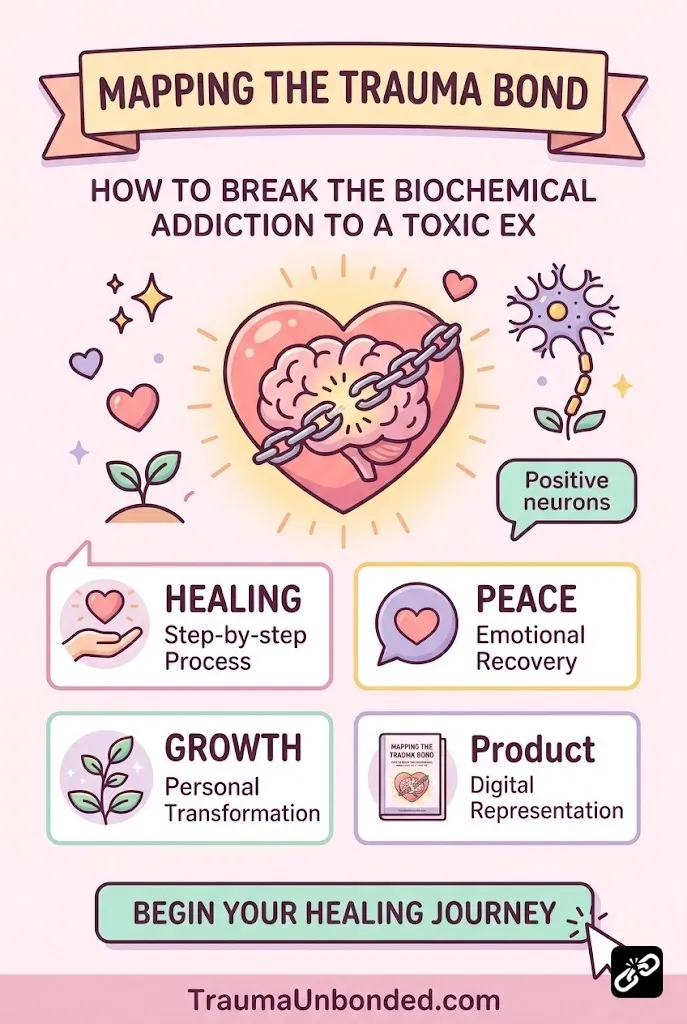
If you find yourself stuck in a loop of missing someone who hurt you, please know you are not weak. You are likely dealing with a trauma bond that makes your brain crave the person who caused your pain. Learning how to Mapping the Trauma Bond is the first step toward getting your life back. It took me professional therapy and a deep dive into codependency to realize that my “love” was actually a form of chemical addiction. How can we start seeing the truth when our memories are lying to us?
The first step is accepting that your brain is currently an unreliable narrator. When you suffer through a decade of emotional volatility, your nervous system becomes wired for the high stakes of the relationship. You become a person who lives for the crumbs of affection. I remember feeling like a shadow of my original self, waiting by the phone for a text that would never come, or worse, a text that would only start another fight. We have to break the spell of the “good version” of them that only existed five percent of the time.
Understanding the Chemical Pull of a Toxic Ex

Have you ever wondered why it feels physically painful to stay away from them? This is because of trauma bond biochemical addiction. In my twelve-year relationship, the intermittent reinforcement was constant. One day I was the love of their life, and the next day I was the reason for every problem they ever had. This “hot and cold” behavior creates a massive surge of dopamine and cortisol in your brain. You aren’t just missing a person; you are experiencing withdrawal from a drug.
When the relationship ends, your brain forgets the screaming. It filters out the times they gaslit you into doubting your own sanity. Instead, it serves up a highlight reel of the best moments. This is a survival mechanism designed to keep you attached, but it is dangerous when the person you are attached to is toxic. To heal, you have to look at the toxic reality rather than the fantasy you built to survive the day-to-day misery. You have to stop asking why they didn’t love you and start asking why you allowed yourself to be treated that way for so long.
I had to learn that the “nice” version of my ex was just a mask used to keep me in the game. In a relationship with NPD or BPD traits, the love-bombing phase is what we cling to. We tell ourselves, “If I just work harder, that person will come back.” But that person never truly existed. They were a character created to hook you. Seeing the reality means admitting that the person who hurt you is the real version, and the person who was sweet was the illusion. It is a hard pill to swallow, but it is the only way to find your exit.
The Cognitive Dissonance of Narcissistic Abuse
One of the biggest hurdles in my recovery was cognitive dissonance. This is the mental friction of holding two opposing beliefs at the same time: “This person is my soulmate” and “This person is destroying my soul.” For over a decade, I stayed because I was waiting for the version of them I loved to win over the version of them I feared. I didn’t realize that both versions were the same person. You cannot have the “perfect” days without the abuse that follows. They are two sides of the same coin.
Think back to the last time you were truly happy with them. How long did it last before the atmosphere changed? How many times did you find yourself walking on eggshells, terrified that a single wrong word would ruin the entire weekend? When you romanticize the ex, you are looking at the photo but ignoring the fire burning the edges. You have to look at the whole picture. I started making a list of every terrible thing that happened, and whenever I felt the urge to reach out, I forced myself to read it. It was brutal, but it was necessary.
To truly stop the cycle, you need a plan to rewire how your brain perceives the past. If you are struggling with the obsessive need to check their social media or replay old arguments, you need to step back and look at the science of why your mind is stuck. This is about more than just willpower; it is about reclaiming your mental space from someone who doesn’t deserve it.
If you feel like you are constantly battling your own thoughts and need a structured way to break this chemical attachment, my specialized guide offers the exact roadmap I used to clear my head and finally stop the obsession.
The Reality Check Exercise: Building a Logic List

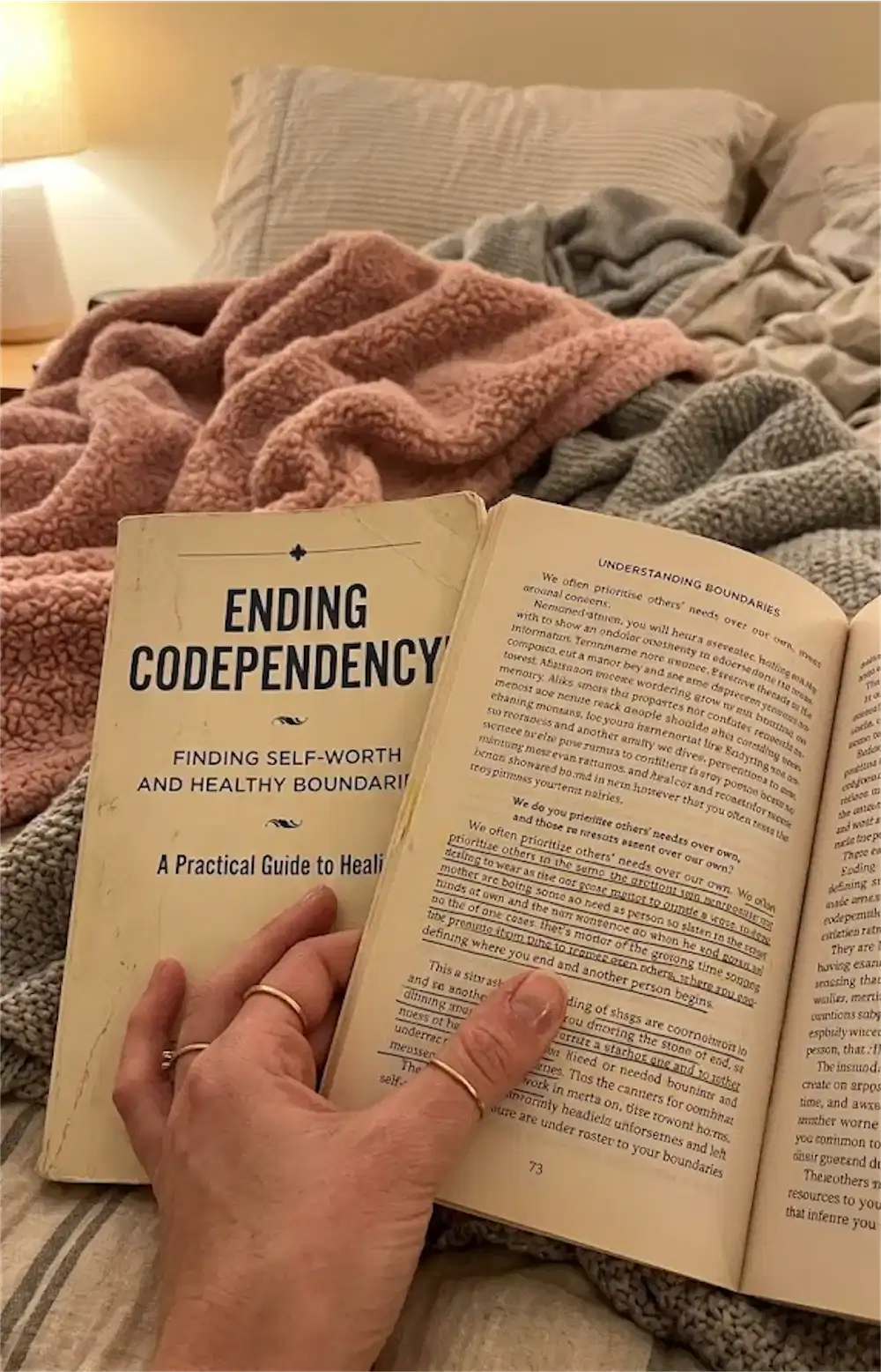
When the obsessive thoughts take over, you need a physical tool to combat them. I call this the “Truth Journal.” In this book, I wrote down every instance of lying, every insult, and every time they made me feel small. I wrote about the time I was sick and they got angry at me for needing help. I wrote about the isolation and how I had no life of my own left. When your brain starts to tell you “they weren’t that bad,” you open that journal and read the facts. The facts don’t have emotions, and they don’t lie.
Another helpful tactic is to stop using the word “love” to describe the relationship. Instead, call it what it was: enmeshment or addiction. Words have power. When I said “I miss the person I loved,” I felt grief. When I said “I am experiencing withdrawal from a toxic dynamic,” I felt like a survivor in training. This shift in perspective helps you move from a victim mindset to an active recovery mindset. Are you grieving a partner, or are you grieving the potential of what you wanted them to be?
You also need to address the loneliness that comes after a long-term toxic relationship. Because I was isolated for twelve years, I didn’t know how to be alone. I mistook the silence of my apartment for sadness, but eventually, I realized it was peace. Learning about healing loneliness in recovery helped me understand that I wasn’t missing my ex; I was just scared of being with myself. Once I started picking up my old hobbies again, like painting and hiking, the urge to check their life vanished.
Returning to Your Original Self
Healing is not about becoming a new person. It is about returning to the person you were before the abuse dimmed your light. I used to be cheerful and optimistic. After twelve years, I was a ghost. People didn’t recognize me. But through therapy and strict boundaries, I found my way back. I realized that the ex didn’t take my “spark” away; they just covered it with layers of trauma and fear. You can peel those layers off one by one by focusing on self-care and radical honesty.
Stop looking for closure from them. You will never get a sincere apology from a narcissist or someone with untreated BPD traits who has already discarded you. Their version of the story will always make you the villain. Your closure comes from the toxic reality you choose to see every day. It comes from the fact that you no longer have to explain your basic human needs to someone who doesn’t care. The silence is your victory. Every day you stay away is a day you win.
If you are still struggling to stay away, remember that romanticizing the past is just a way to avoid the pain of the present. But the pain of the present is where the healing happens. You have to sit with the discomfort until it no longer has power over you. I am now grounded, happy, and living a life I love. I never thought it was possible when I was in the thick of it, but I am living proof that you can come out the other side stronger than ever.
Take the first step today by stopping the fantasy and looking at the cold, hard facts of how they treated you. You deserve a love that doesn’t require you to lose yourself. For more help on breaking the cycle and clearing the mental fog, check out my guide on Mapping the Trauma Bond and start your journey back to yourself.

Meet Your Guide
Helen Brooks
After surviving a 12-year NPD/BPD relationship, I dedicated over a decade to studying trauma bonding and nervous system recovery. My mission is to help you break free from the fog and reclaim your authentic self.
Ready to break the trauma bond and reclaim your life?