7 Lasting Challenges of Abusive Relationships and How to Survive the Recovery Process
Walking away from an abusive relationship doesn’t mean the pain stops. I learned that the hard way.
After twelve years with someone who had both narcissistic and borderline traits, I thought leaving would be the hardest part. It wasn’t. The hardest part came after, when I had to face what the relationship had done to me.
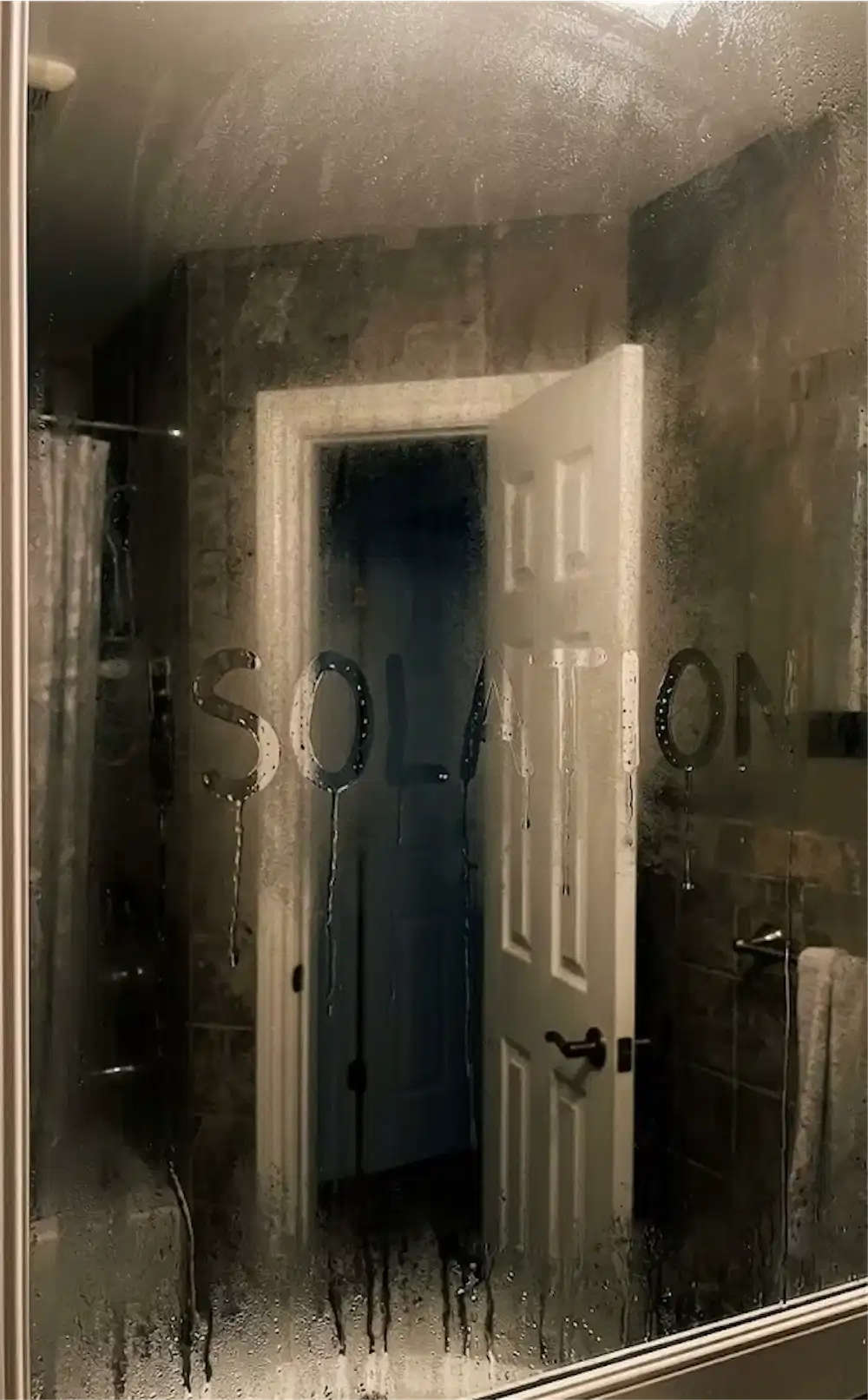
The person staring back at me in the mirror wasn’t someone I recognized. I had no friends left. No hobbies. No sense of who I was outside of managing someone else’s moods. I felt hollow, anxious, and completely lost.
Recovery from abusive relationships isn’t linear. It’s messy, frustrating, and full of setbacks that make you question if you’ll ever feel normal again. But you will. I promise you that. The challenges are real, but so is healing.
Here are the seven lasting challenges I faced after leaving, and the survival strategies that actually worked.
Challenge 1: Complex PTSD and Trauma Responses
The nightmares started three weeks after I left. Every night, I’d wake up in a panic, heart racing, convinced something terrible was about to happen.
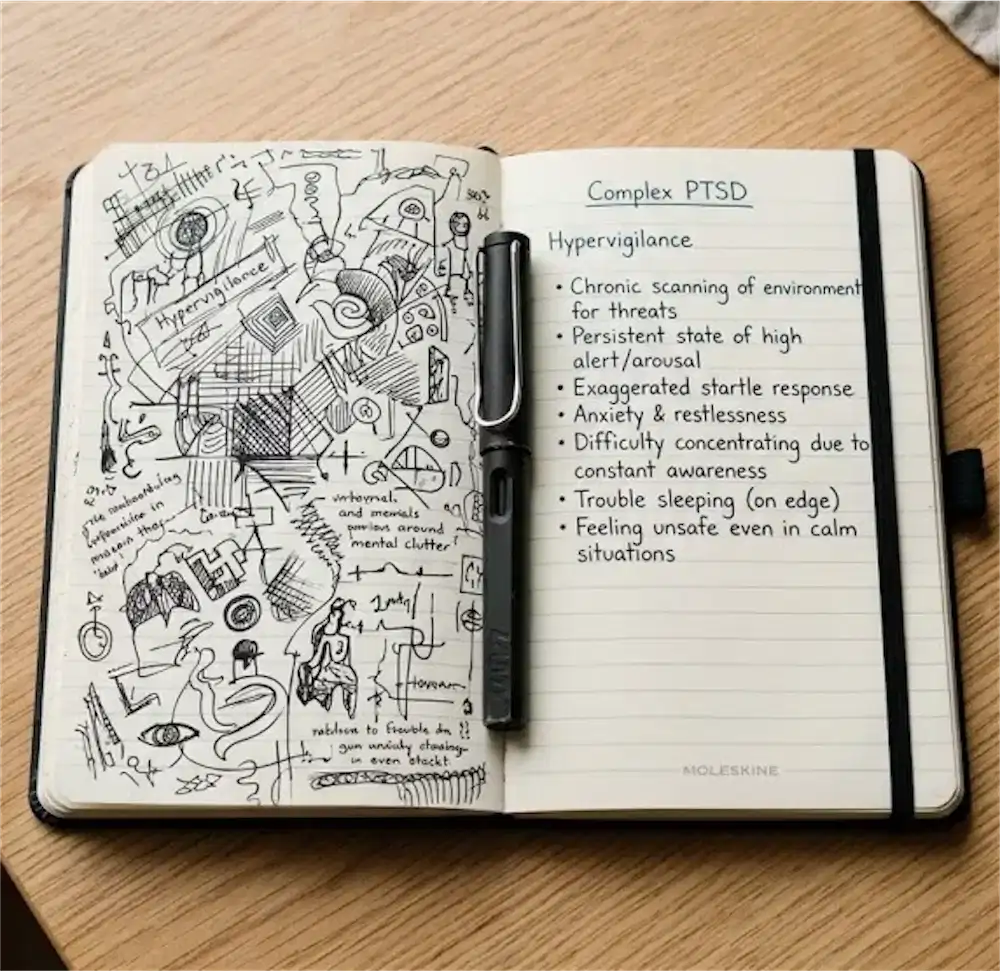
I wasn’t just dealing with sadness or grief. I was dealing with Complex Post-Traumatic Stress Disorder, a condition that develops from prolonged exposure to trauma. Unlike regular PTSD from a single event, C-PTSD comes from months or years of ongoing abuse.
My symptoms looked like this:
- Hypervigilance – always scanning for danger, even in safe situations
- Flashbacks triggered by specific tones of voice or facial expressions
- Emotional flashbacks where I’d suddenly feel the terror I felt during the worst fights
- Inability to relax because my nervous system was stuck in survival mode
Dr. Judith Herman, a psychiatrist who specializes in trauma, explains that prolonged abuse creates a pattern of learned helplessness and altered brain chemistry that doesn’t just disappear when you leave.
What helped me survive this:
Therapy was non-negotiable. I found a trauma-informed therapist who understood that my reactions weren’t irrational. They were survival responses that my brain hadn’t yet learned were unnecessary.
I also started working through The Body Keeps the Score by Bessel van der Kolk. This book changed how I understood my own body’s reactions to trauma. It’s not light reading, but it gave me language for what I was experiencing.
Grounding techniques became part of my daily routine. When panic hit, I’d focus on physical sensations: the feeling of my feet on the floor, the texture of fabric in my hands, the taste of cold water. Anything to pull me back into the present moment instead of staying trapped in the past.
Challenge 2: Inability to Trust Your Own Judgment
Six months after leaving, I stood in a grocery store for twenty minutes unable to decide which brand of cereal to buy. I had a full panic attack over breakfast food.
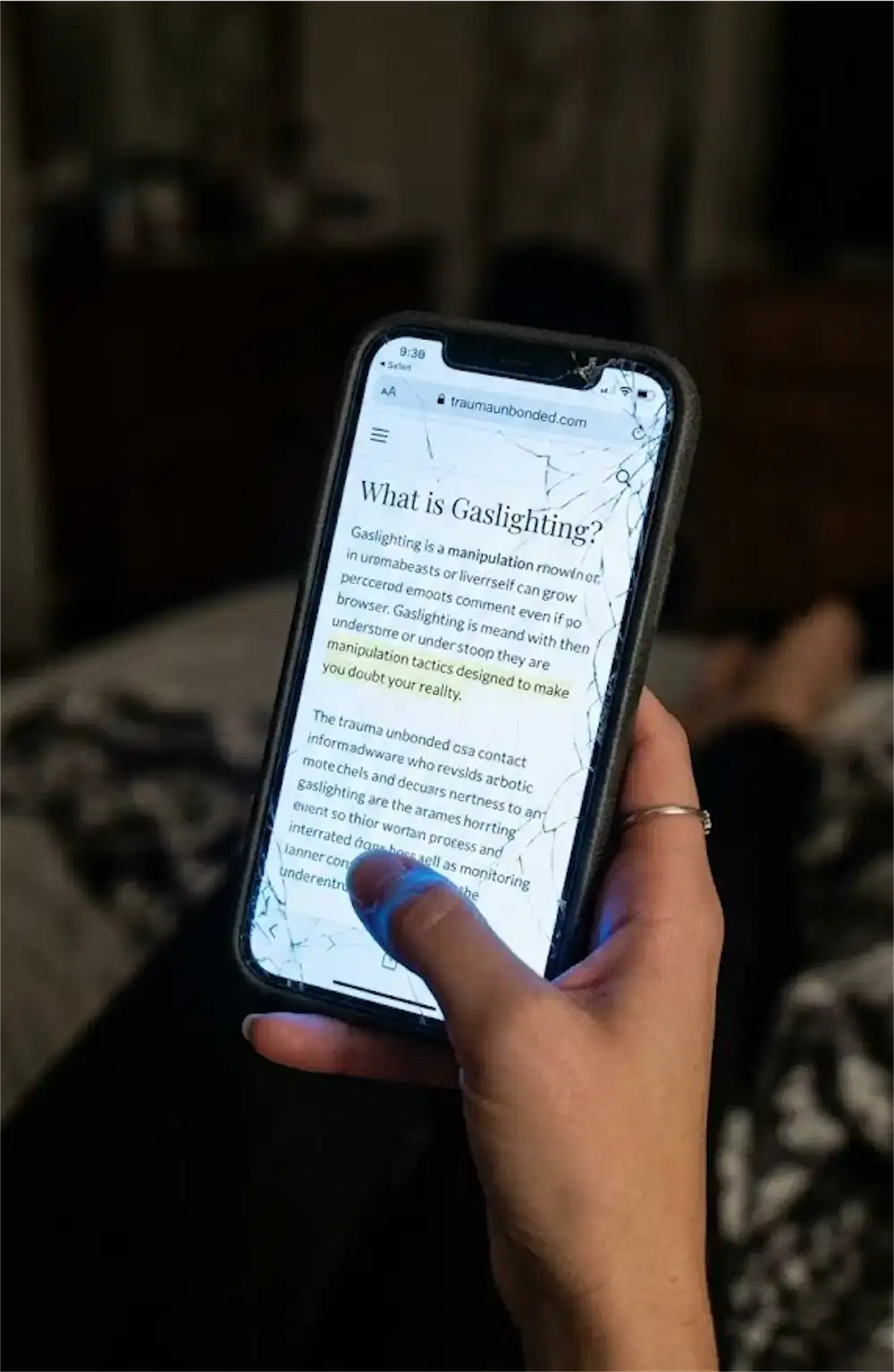
That’s what years of gaslighting does. It erodes your ability to trust your own perceptions, your own decisions, your own reality.
In my relationship, every choice I made was wrong. Every feeling I had was overreacting. Every memory I had was distorted. My ex would rewrite history so convincingly that I started to believe I was the problem. That I couldn’t trust my own mind.
After leaving, I second-guessed everything. Should I take this job? Is this person actually being kind or are they manipulating me? Did that conversation really happen the way I remember, or am I making it up?
The self-doubt was paralyzing.
What helped me survive this:
I started small. I practiced making low-stakes decisions and sticking with them. What to eat for lunch. Which route to take to work. What show to watch. I didn’t allow myself to second-guess once I’d decided.
I also started journaling my experiences immediately after they happened. If I had a conversation that felt off, I’d write down exactly what was said while it was fresh. That way, if someone tried to tell me it didn’t happen that way, I had proof for myself.
Reading about self-doubt as a sign of narcissistic abuse recovery helped me understand this wasn’t weakness. It was a predictable stage of healing from psychological manipulation.
Slowly, very slowly, I started to trust myself again. Not perfectly. But enough.
Challenge 3: Loss of Identity and Sense of Self
Who was I before the relationship? I couldn’t remember.
Twelve years is a long time. I’d entered the relationship in my twenties. I left in my thirties. The person I was before had been completely consumed by the role I played in keeping my partner stable.
I didn’t know what music I liked anymore. I couldn’t name a single hobby. I had no idea what brought me joy because for over a decade, my only purpose was managing someone else’s emotions.
This is what codependency does. You stop existing as a separate person. You become an extension of the other person’s needs, moods, and demands. Your identity dissolves.
The emptiness I felt after leaving was terrifying. I didn’t know how to be alone because I didn’t know who I was when I was alone.
What helped me survive this:
I had to actively rebuild myself from scratch. I made a list of things I used to enjoy before the relationship. Then I tried them again, one by one, to see if they still resonated.
Some didn’t. And that was okay. I gave myself permission to try new things and quit if they didn’t feel right. I took a pottery class and hated it. I tried running and loved it. I experimented with cooking and found it meditative.
I also worked through Codependent No More by Melody Beattie, which helped me understand how I’d lost myself in the first place. Understanding the pattern was the first step to breaking it.
The goal wasn’t to go back to who I was before. That person was gone. The goal was to discover who I could become now. Check out these strategies to overcome codependency if you’re struggling with this too.
Challenge 4: Difficulty Setting and Maintaining Boundaries
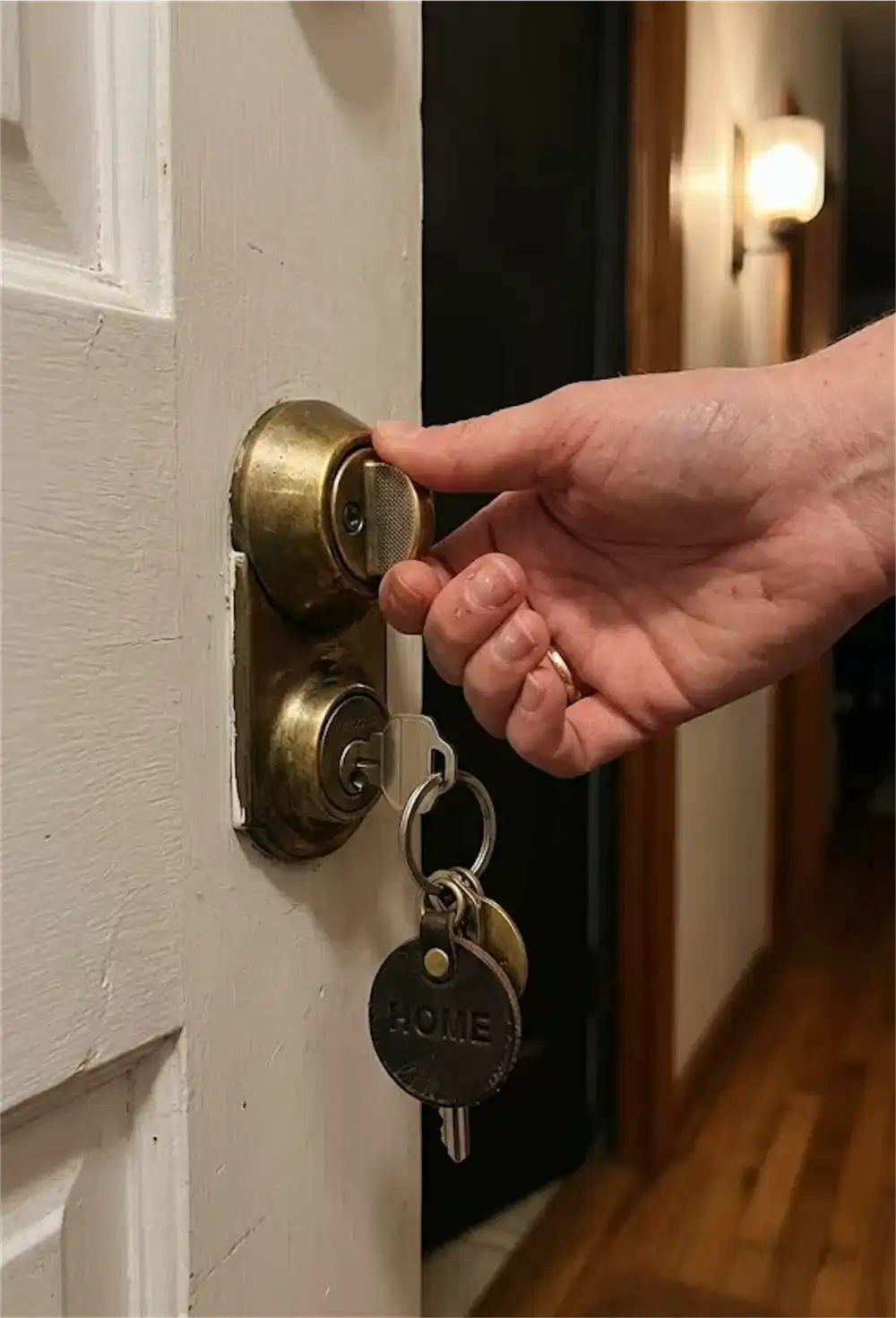
Boundaries were something other people had. Not me.
In my relationship, every boundary I tried to set was met with rage, guilt-tripping, or silent treatment. I learned that having needs made me selfish. That saying no made me cruel. That protecting my own peace made me the abuser.
So I stopped trying. I let people walk all over me because conflict felt more dangerous than discomfort.
After leaving, I couldn’t set boundaries to save my life. A coworker would ask me to cover their shift for the third time that week and I’d say yes, even though I was exhausted. A friend would cancel plans last minute repeatedly and I’d just accept it. My family would make intrusive comments about my life and I’d smile through it.
I felt guilty for even thinking about my own needs. Like I didn’t deserve to take up space.
What helped me survive this:
I had to relearn that boundaries aren’t punishment. They’re protection. They’re not about controlling other people. They’re about respecting yourself.
I started with tiny boundaries. Not answering texts immediately. Saying “let me think about it” instead of automatically saying yes. Leaving social situations when I felt uncomfortable instead of forcing myself to stay.
The guilt was overwhelming at first. Every time I said no, I braced for anger or rejection. But most people? They just said “okay” and moved on. The ones who didn’t respect my boundaries showed me exactly why I needed them.
Using a boundaries workbook helped me identify where I needed to strengthen my limits and practice scripts for enforcing them.
Boundaries still don’t come naturally to me. But I’m getting better. And the people who truly care about me respect them.
Challenge 5: Physical Health Problems from Chronic Stress
My body was a mess after leaving.
I had migraines almost daily. My stomach was constantly in knots. I couldn’t sleep more than three hours at a time. My hair was falling out. I had unexplained aches and pains that no doctor could find a cause for.
Living in survival mode for twelve years had wrecked my physical health. The constant cortisol flooding my system, the chronic tension, the hypervigilance – it all took a toll.
Research shows that chronic stress from abusive relationships impacts every system in the body, from cardiovascular health to immune function to digestive issues. Your body literally keeps the score of trauma.
What helped me survive this:
I had to address my physical health as part of my emotional healing. They weren’t separate problems.
I started moving my body again. Not intense workouts, just walks. Movement helped release some of the stored tension and gave my nervous system a chance to regulate.
I worked with my doctor to rule out serious health issues and found supplements that helped with sleep and stress management. Magnesium, vitamin D, and omega-3s made a noticeable difference for me.
I also had to accept that healing takes time. My body had been in fight-or-flight mode for over a decade. It wasn’t going to calm down overnight.
Simple routines helped. Morning stretches. Evening tea. Consistent sleep schedule. Nothing dramatic, just small acts of care that told my body it was safe now.
Challenge 6: Struggling to Form Healthy Relationships
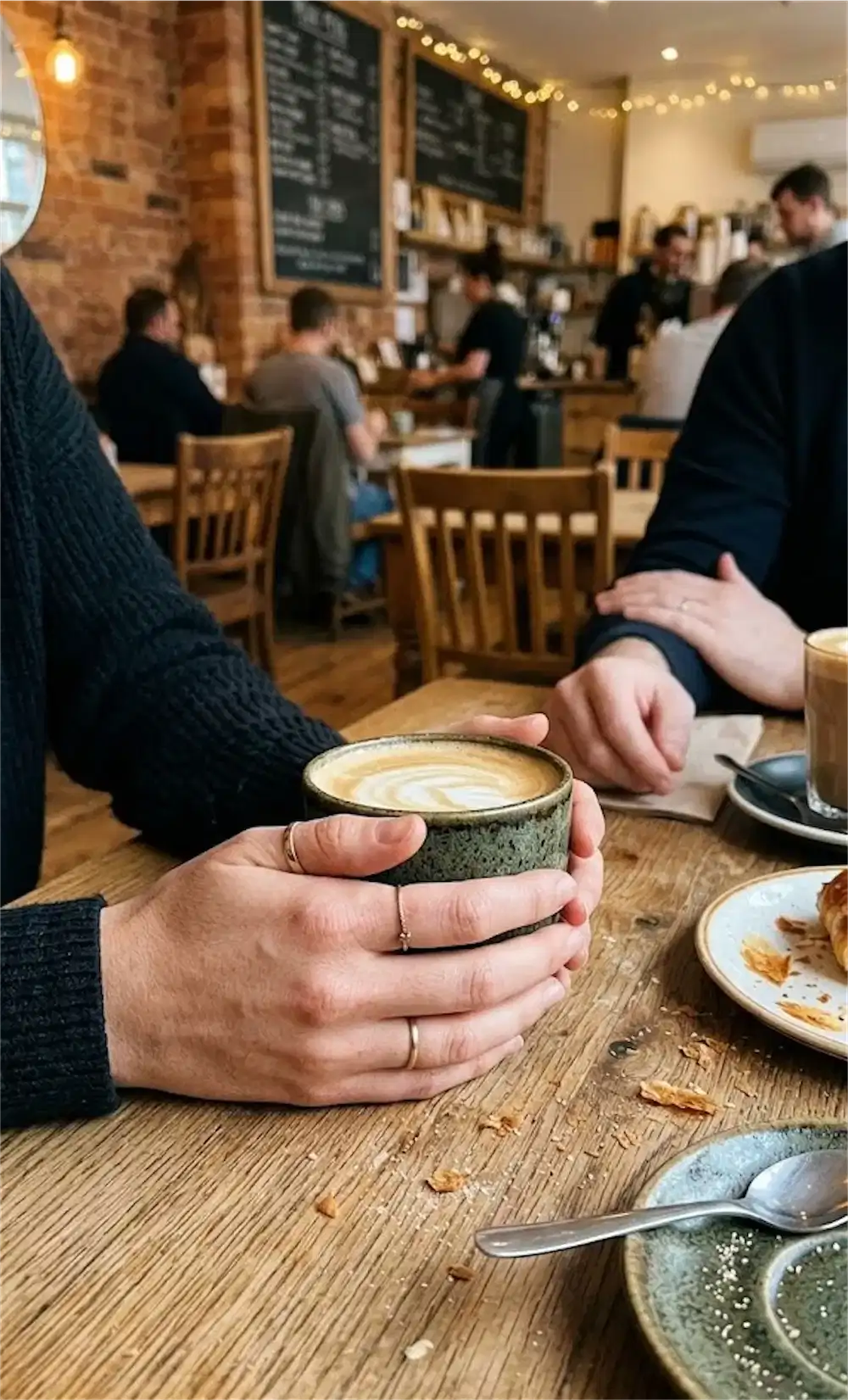
I was terrified of people.
Not in an obvious way. I could make small talk, go to work, function in public. But real connection? Vulnerability? Trust? I’d shut down completely.
I’d also lost most of my friendships during the relationship. My ex had slowly isolated me by making it difficult or uncomfortable to maintain connections. Friends who tried to express concern were labeled as “jealous” or “trying to break us up.” Eventually, it was just easier to stop seeing people.
After leaving, I had to rebuild a social life from nothing. But I didn’t know how to be a friend anymore. I didn’t know how to let people in without either oversharing trauma or building walls so high nobody could reach me.
I also found myself attracted to the wrong people. Red flags I should have seen a mile away looked like familiar comfort. Healthy, stable people felt boring or suspicious.
What helped me survive this:
I had to learn what healthy relationships actually look like. I’d been in dysfunction for so long that I didn’t have a baseline for normal.
I started by observing relationships I admired. How did they communicate? How did they handle conflict? How did they balance independence and connection?
I joined groups related to my new hobbies, which gave me low-pressure ways to interact with people without the intensity of one-on-one friendship right away.
I also had to get comfortable with the discomfort of healthy relationships. When someone was consistently kind without wanting anything in return, I had to resist the urge to sabotage it or run away.
Therapy helped me understand my attachment patterns and why I kept gravitating toward chaos. Understanding the childhood dynamics that attract narcissists was painful but necessary.
Rebuilding friendships took years. But the connections I have now are real, reciprocal, and safe.
Challenge 7: Persistent Feelings of Shame and Worthlessness
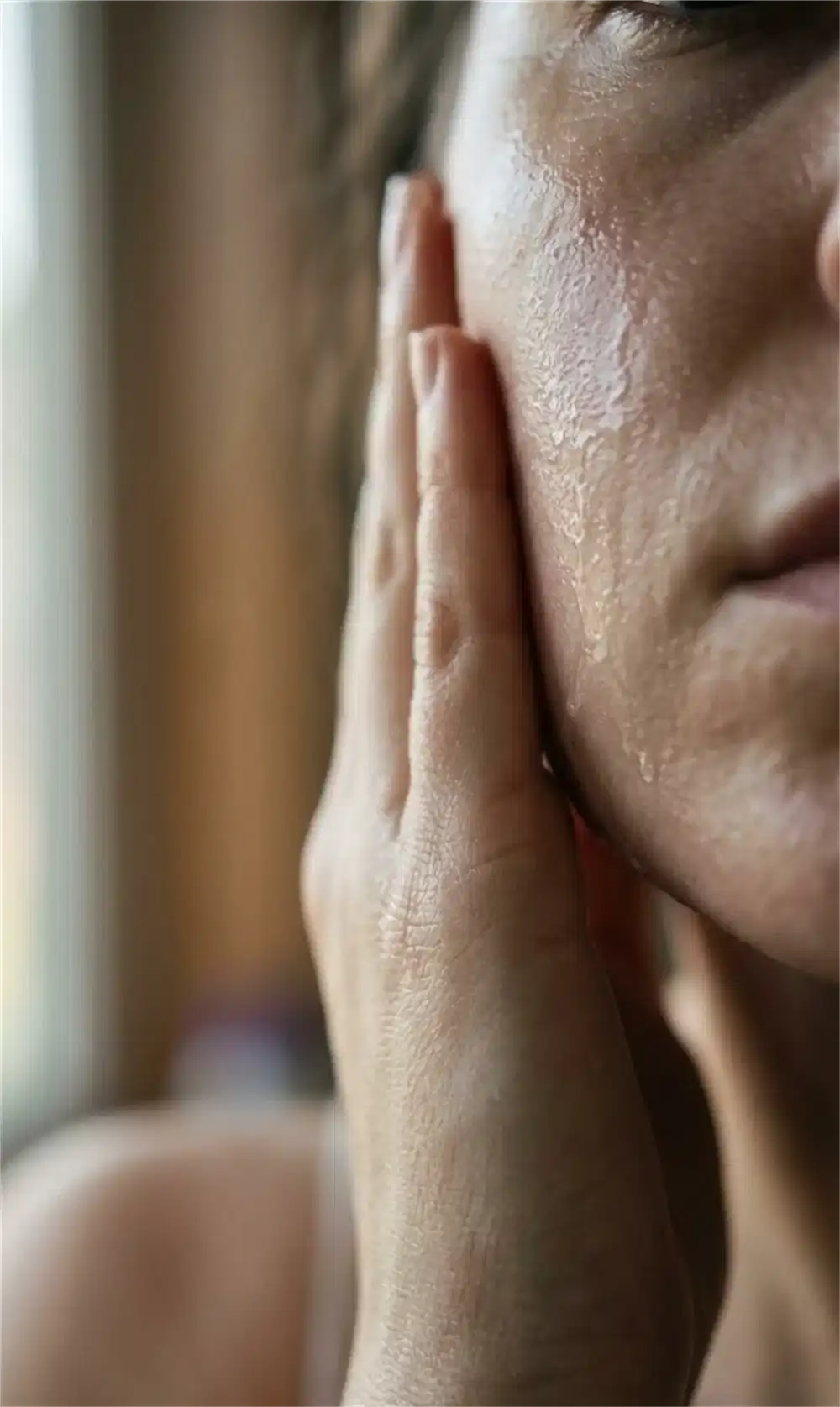
The hardest challenge wasn’t the flashbacks or the physical symptoms or the isolation. It was the shame.
Shame that I stayed so long. Shame that I believed the lies. Shame that I lost myself. Shame that I allowed someone to treat me that way.
I felt worthless. Damaged. Stupid. Like I deserved what happened because I wasn’t strong enough to leave sooner.
My ex’s voice lived in my head long after they were gone. Every criticism, every insult, every time they told me I was too much or not enough – it all played on repeat.
I believed I was unlovable. That nobody would ever want me now. That I was broken beyond repair.
What helped me survive this:
This was the piece that required the most professional help. I couldn’t think my way out of shame. I had to feel my way through it.
My therapist helped me understand that shame thrives in silence. The more I talked about what happened, the less power it had over me.
I also had to separate what happened to me from who I am. Being abused doesn’t mean I’m damaged goods. It means I survived something terrible and I’m still here.
I started practicing self-compassion, which felt ridiculous at first. Talking to myself the way I’d talk to a friend who went through the same thing. Would I tell them they were stupid for staying? That they deserved it? No. So why was I saying it to myself?
I worked through a guided trauma healing journal that helped me process the shame in writing instead of letting it loop endlessly in my head.
The shame doesn’t disappear completely. But it gets quieter. And on good days, I can actually believe I deserved better. On great days, I know it.
You can read more about the long-term effects of narcissistic abuse and healing if you need validation that what you’re experiencing is real and treatable.
Surviving the Recovery Process
Recovery isn’t about going back to who you were before the abuse. That person doesn’t exist anymore. And honestly? That’s okay.
Recovery is about building a new version of yourself. One who knows what abuse looks like and refuses to tolerate it. One who has boundaries and enforces them. One who understands their worth isn’t determined by someone else’s ability to see it.
The challenges I described aren’t temporary setbacks. They’re long-term effects of sustained psychological trauma. Some of them will stay with me in some form forever. And that’s the reality I had to accept.
But here’s what else is true: I’m stronger now than I was in the relationship. I’m more authentic. I’m more connected to myself. I can spot manipulation a mile away. I don’t compromise my peace for anyone’s comfort.
The survival strategies that worked for me won’t all work for you. Your recovery will look different than mine. But the core principles remain the same:
- Get professional help. You can’t do this alone.
- Be patient with yourself. Healing takes longer than you think it should.
- Trust the process even when it feels like you’re going backward.
- Connect with others who understand. Isolation keeps you sick.
- Practice tiny acts of self-care every single day.
You survived the abuse. You’ll survive the recovery too. It just takes time, support, and a stubborn refusal to give up on yourself.
Recommended Resources
These tools supported me through the hardest parts of recovery:
- Complex PTSD: From Surviving to Thriving by Pete Walker – The most comprehensive guide to understanding and healing from complex trauma.
- It Didn’t Start With You by Mark Wolynn – Explores inherited family trauma and how it influences relationship patterns.
- Self-Compassion Workbook – Practical exercises for developing kindness toward yourself during recovery.
- Self-Healing Tips for Narcissistic Abuse Survivors – Additional strategies from lived experience.
- Recovery Tools – Curated resources for every stage of healing.
The challenges are real. The recovery is possible. You’re not broken. You’re healing. And that’s more than enough.
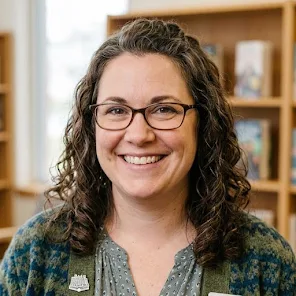
Meet Your Guide
Helen Brooks
After surviving a 12-year NPD/BPD relationship, I dedicated over a decade to studying trauma bonding and nervous system recovery. My mission is to help you break free from the fog and reclaim your authentic self.
Ready to break the trauma bond and reclaim your life?