Trauma Brain Fog: How to Clear Mental Overload After Stress
Have you ever walked into a room and completely forgotten why you went there? Or perhaps you find yourself staring at a simple email for twenty minutes, unable to string a basic sentence together. If you are recovering from a toxic relationship, this isn’t just “forgetfulness.” It is trauma brain fog, and it is a physical response to the prolonged stress your system has endured. During my 12 years with a partner who struggled with both NPD and BPD traits, I felt like my mind was wrapped in thick, gray cotton. I used to be sharp and quick, but by the end, I could barely remember my own phone number.
This mental static happens because your brain has been stuck in survival mode for too long. When you are constantly navigating cognitive dissonance, your prefrontal cortex, the part of the brain responsible for logic and decision making, begins to offline. You are not losing your mind, though it certainly feels that way when you are trying to heal. If you want to start lifting this weight today, I highly recommend looking into The Brain Fog Solution to help jumpstart your cognitive recovery.
Recovery is possible. I spent years feeling like a shell of myself, isolated from my friends and losing every hobby that once brought me joy. I thought my personality was gone forever. But through professional support and understanding how trauma affects the mind, I returned to my original self. I am cheerful and grounded again, and you can be too. Let’s look at why your brain is doing this and how you can start clearing the overload.
Why Your Mind Feels Like Static After Narcissistic Abuse

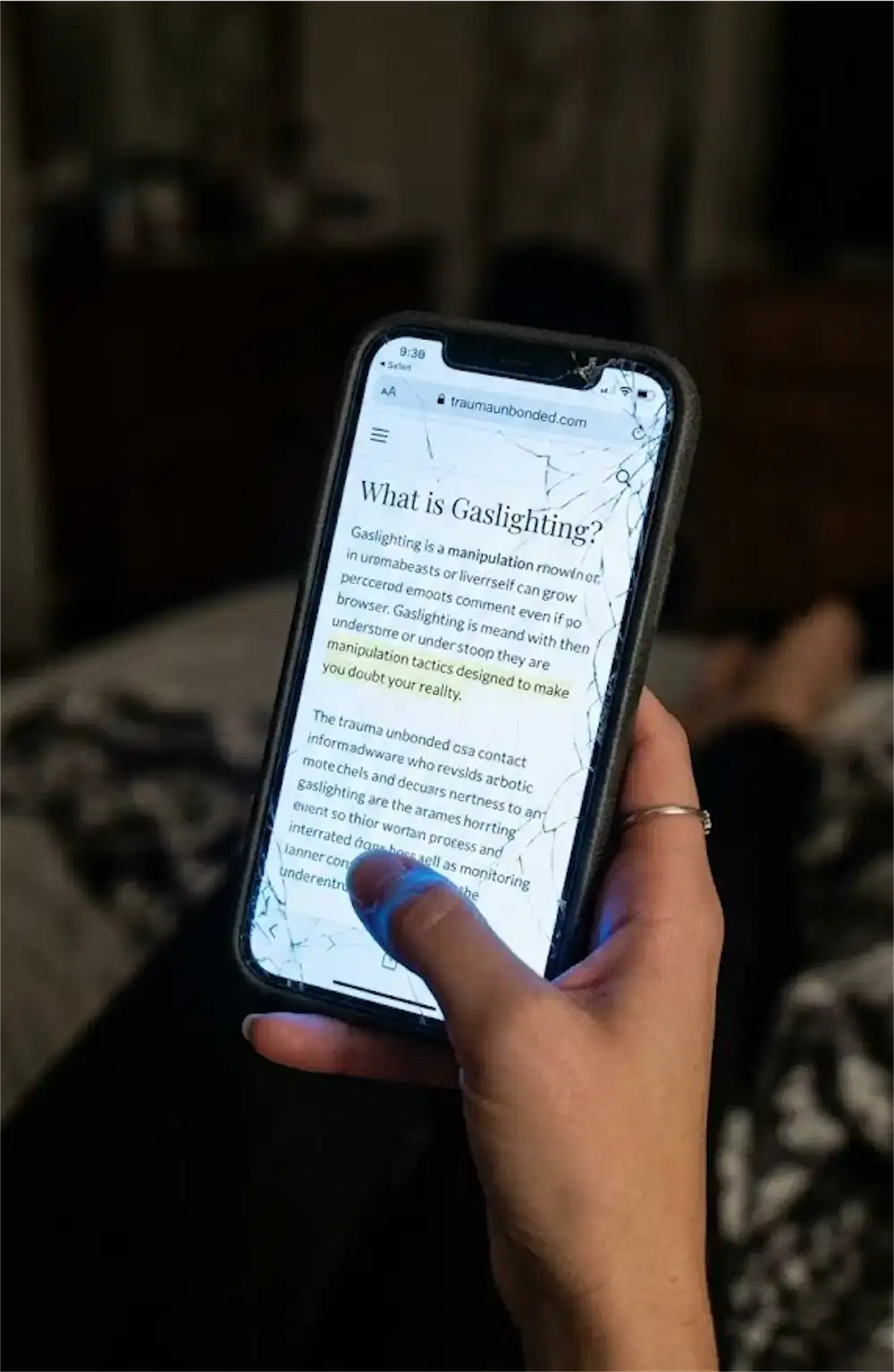
Why do I have brain fog after a breakup? This is one of the most common questions survivors ask. When you live with someone who uses gaslighting, which is the act of making you doubt your own reality, your brain is forced to work overtime. You are constantly trying to reconcile the person you thought they were with the person who is hurting you. This creates a massive mental overload that eventually leads to a shutdown.
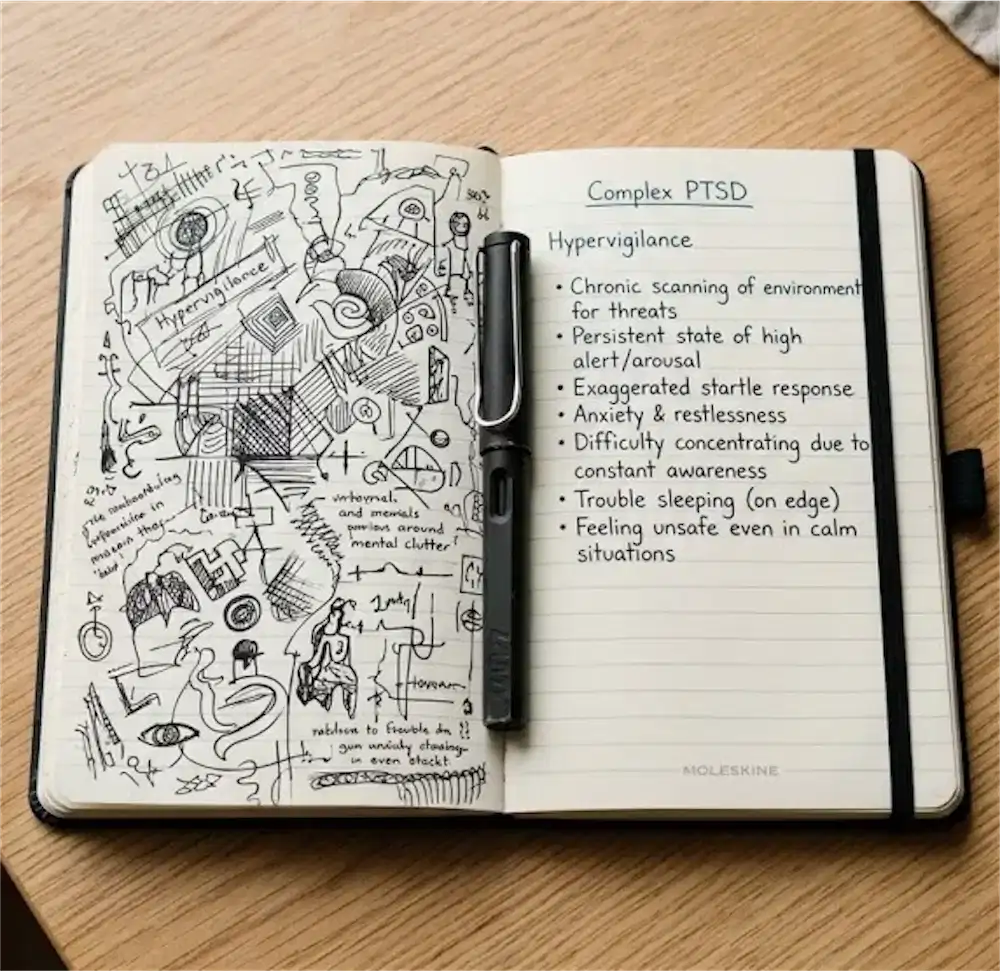
In my decade plus relationship, the gaslighting was so subtle that I didn’t even notice it at first. It felt like I was constantly “buffering.” My ex would say something happened, and my memory would say the opposite. Over time, I stopped trusting my own thoughts. This constant state of alert keeps your cortisol levels high. High cortisol is great for running away from a predator, but it is terrible for memory and focus. Your brain is literally prioritizing survival over the ability to remember where you put your keys or what you need at the grocery store.
Living in this state causes cognitive fatigue. You aren’t just tired; your brain is exhausted from the “hot and cold” cycles of a BPD relationship or the ego demands of a narcissist. It is like running a marathon every single day without ever getting a night of rest. This is why you feel so depleted and “slow” now that the relationship is over. Your system is finally trying to process the years of data it had to suppress just to keep you safe.
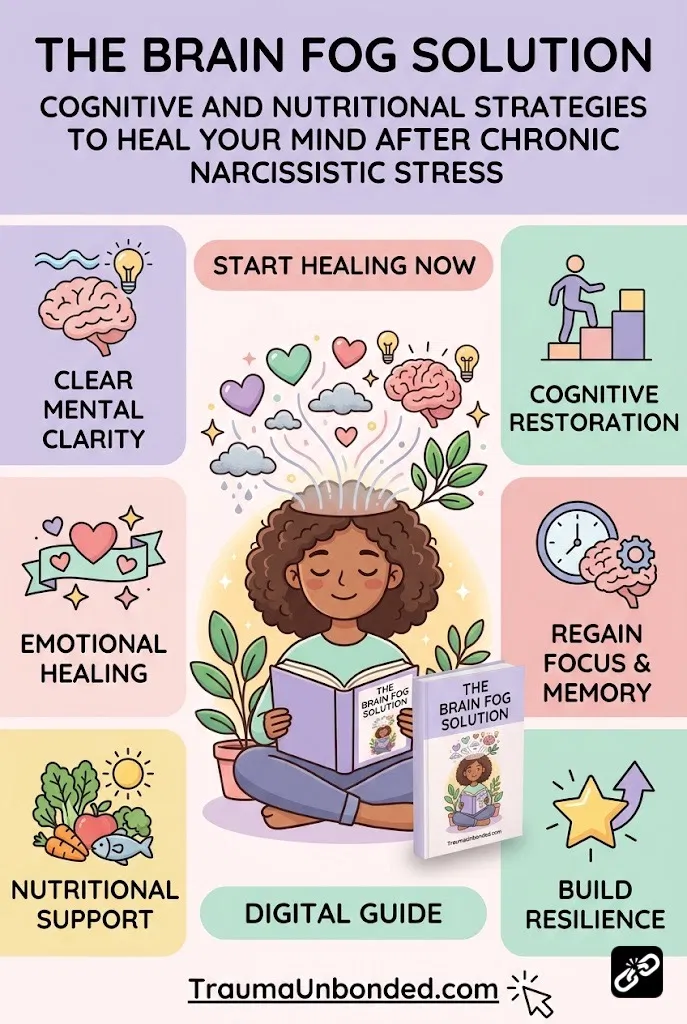
If you are struggling to find words or feel like you are moving through life in slow motion, you need a specific plan to help your nervous system feel safe again. Without a clear strategy, the rumination can keep you stuck in this fog for much longer than necessary. To help you regain your clarity and stop the endless loop of toxic thoughts, I created a targeted resource specifically for this stage of healing.
Check out this specialized guide to help you clear the mental clutter and regain your focus:
Simple Strategies to Clear the Mental Overload

One of the first things I learned in therapy was that I couldn’t “think” my way out of brain fog. Since it is a physical response, you have to treat it with physical and environmental changes. Start by reducing the number of decisions you have to make each day. When your brain is overloaded, even choosing what to eat for breakfast can feel like a mountain. I started wearing the same type of outfit every day and prepping simple meals just to give my mind a break.
Another major factor in trauma brain fog relief is movement. I’m not talking about intense gym sessions, which can sometimes spike cortisol even higher. Simple, mindful walks or gentle stretching can help signal to your nervous system that the danger has passed. When I was at my lowest, I would just walk around the block once. It felt small, but it was the first step in showing my brain that I was in control of my body again.
Have you tried grounding techniques? When you feel the “static” taking over, use the 5-4-3-2-1 method. Find five things you can see, four you can touch, three you can hear, two you can smell, and one you can taste. This pulls you out of the trauma loops in your head and back into the present moment. It is a simple way to rewire your brain away from the past and into the safety of now.
The Power of Routine and Lists
Write everything down. I mean everything. Because your short term memory is likely struggling, don’t rely on it. Use a physical planner or an app to track your tasks. During my recovery, if I didn’t write down “buy milk,” it didn’t exist. This takes the pressure off your brain to hold onto information. Think of it like clearing the cache on a computer that has too many tabs open.
Consistent sleep is also non-negotiable. Trauma disrupts our sleep cycles, and without REM sleep, the brain cannot process emotions or store memories correctly. Create a “wind down” ritual that doesn’t involve your phone. Looking at social media or checking up on an ex will only trigger more mental exhaustion from toxic relationship patterns. Give your mind a chance to settle in the dark, away from the blue light and the noise of the world.
Reclaiming Your Sharpness and Original Self
It takes time to feel “smart” again. I remember the frustration of feeling like I had lost my edge. I used to be a person with hobbies, a person who could hold deep conversations, and suddenly I was someone who forgot the end of my own sentences. But as I stayed away from the toxic environment and focused on my own health, the fog began to thin. It didn’t happen overnight, but one day I realized I hadn’t felt “lost” in a week. Then a month.
You have to be patient with yourself. You spent years being told your perception was wrong and your feelings were invalid. That kind of damage requires a gentle approach. Celebrate the small wins. If you managed to focus on a book for ten minutes today, that is a victory. If you remembered an appointment without a reminder, that is progress. These are the building blocks of your new life.
Healing from trauma brain fog is about more than just “focus.” It is about reclaiming your identity from the person who tried to erase it. As you clear the mental overload, you will find that your optimism and your joy were never actually gone; they were just buried under the weight of the stress. You are still in there. The “original you” is waiting to come back out once the smoke clears.
You deserve to have a mind that feels clear, sharp, and peaceful. Don’t let the aftermath of a toxic partner convince you that you are permanently damaged. You are just healing. If you are ready to take the next step in lifting this mental weight and finding your focus again, start by using The Brain Fog Solution to guide your journey back to clarity.

Meet Your Guide
Helen Brooks
After surviving a 12-year NPD/BPD relationship, I dedicated over a decade to studying trauma bonding and nervous system recovery. My mission is to help you break free from the fog and reclaim your authentic self.
Ready to break the trauma bond and reclaim your life?