Rewire Your Brain After Trauma: The Power of Neuroplasticity
Rewire your brain after trauma and use the science of neuroplasticity to find your way back to yourself after a toxic relationship. If you feel like your mind is stuck in a loop of painful memories and constant anxiety, you are not alone. I spent 12 years in a relationship with a partner who had both NPD and BPD traits, and for a long time, I believed my brain was permanently broken. Through intentional work and the Freedom Protocol, I learned that the brain is capable of incredible change, even after a decade of emotional chaos.
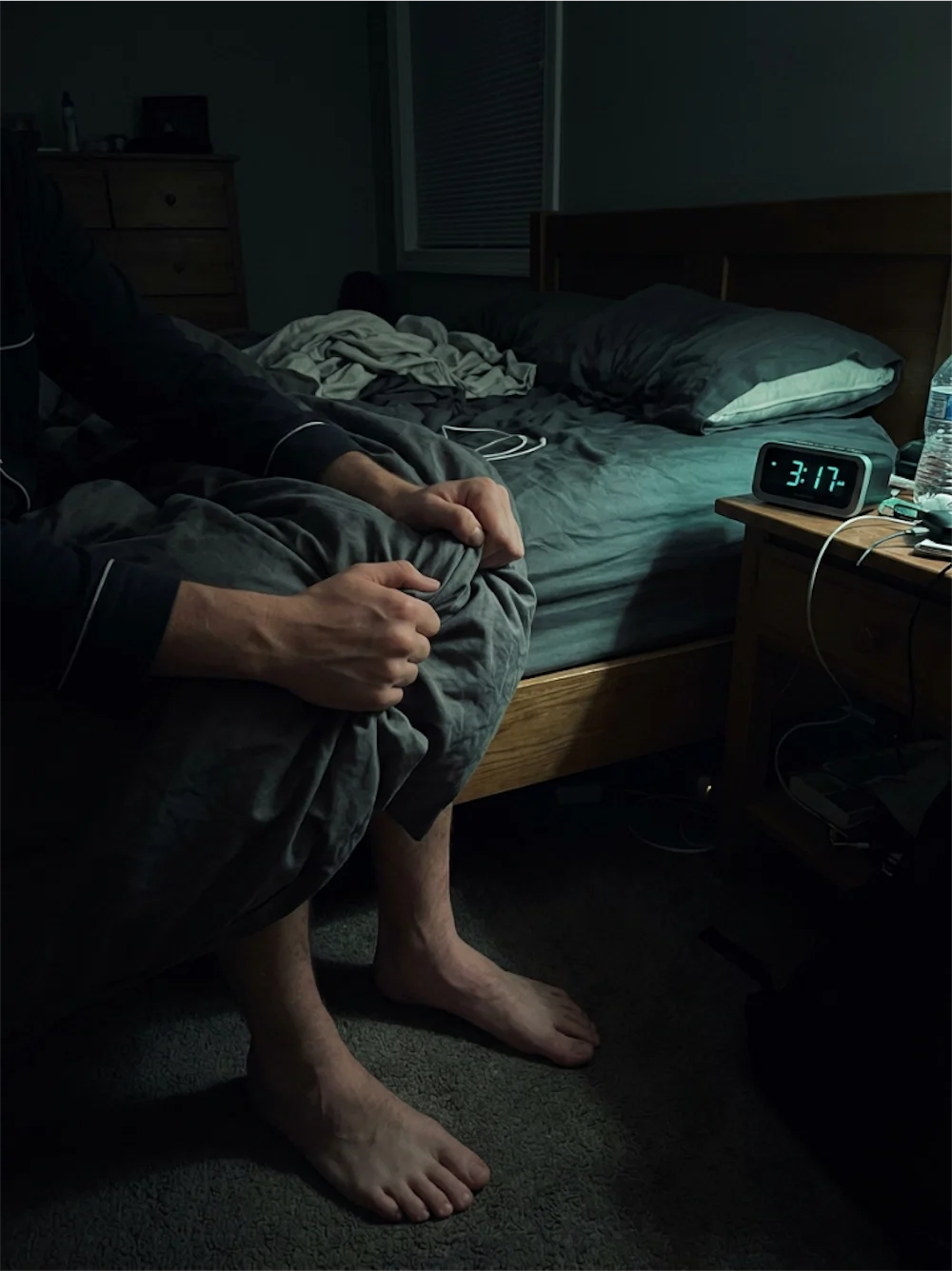
Does it feel like you are constantly waiting for the other shoe to drop, even when life is finally quiet? That is your nervous system stuck in survival mode. When you live with a high-conflict personality for years, your brain physically adapts to handle the stress. You become an expert at reading micro-expressions and predicting moods to avoid the next explosion or the dreaded silent treatment. This constant state of alert is not just a feeling; it is a neurological pattern that needs to be unlearned.
The good news is that your brain is “plastic,” meaning it can be molded and reshaped at any age. You can move from a state of trauma bond brain chemistry to a state of peace and clarity. My recovery did not happen overnight, but by understanding how to heal from narcissistic abuse through neuroplasticity, I went from a shell of a person to someone who actually enjoys hobbies and friendships again. Let’s look at how you can start this process today.
The Science of Neuroplasticity After Emotional Abuse
Neuroplasticity is the ability of the brain to form new neural connections. Think of your brain as a forest where the most traveled paths become wide, paved roads. In a toxic relationship, the paths of “fear,” “guilt,” and “shame” become 10-lane highways. Meanwhile, the paths for “self-worth” and “joy” become overgrown with weeds from lack of use. Rewiring your brain after trauma involves intentionally walking down those old, overgrown paths until they become your new default way of thinking.
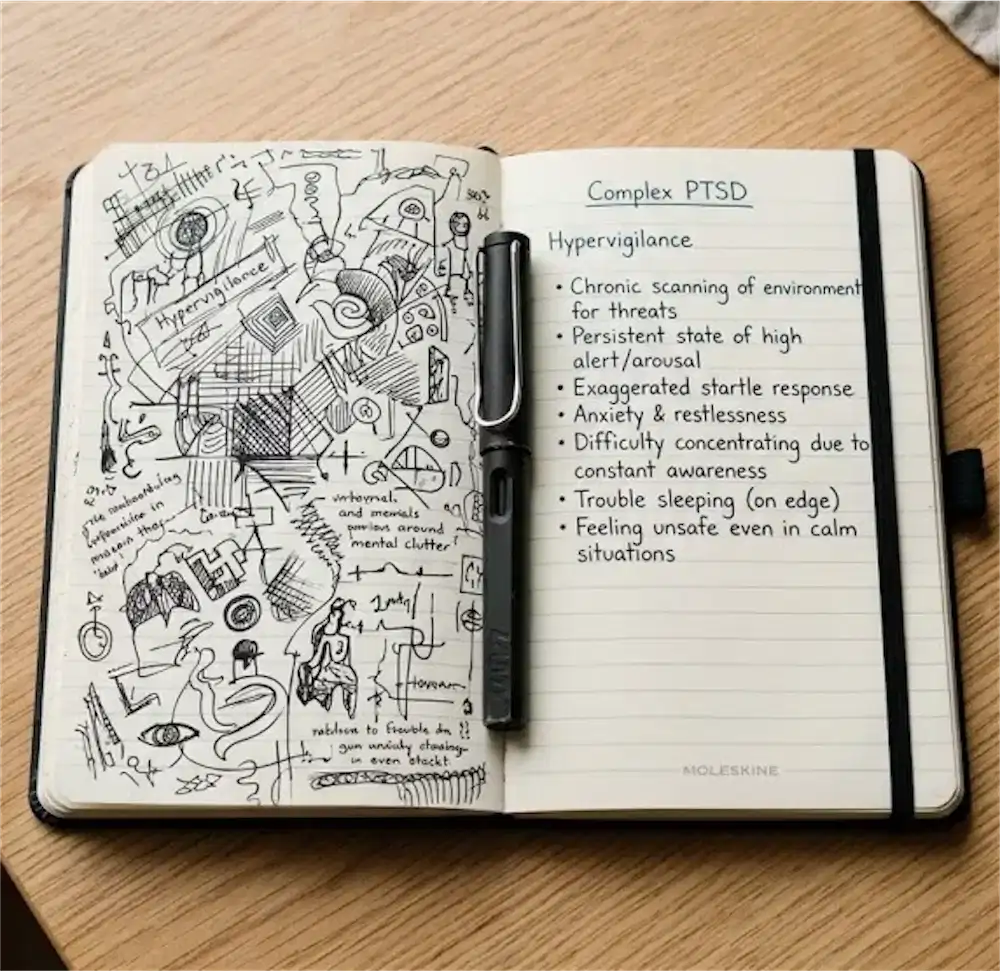
During my 12-year ordeal, I suffered from severe trauma brain fog relief needs. I couldn’t remember basic words, and making simple decisions like what to eat for dinner felt impossible. This happens because chronic stress causes the amygdala, the brain’s alarm system, to stay enlarged, while the prefrontal cortex, the logical center, begins to struggle. You aren’t “stupid” or “crazy,” your brain is simply redirected all its energy toward keeping you alive in a high-stress environment.
To start healing the trauma brain, you have to convince your amygdala that you are finally safe. This is where physical grounding and sensory work come into play. When you feel a flashback or a wave of anxiety, you are essentially experiencing a “neural glitch” where your brain thinks the past is happening right now. By engaging your senses, you tell your brain: “I am in my living room, the year is 2024, and the person who hurt me is not here.”
Breaking the Addictive Cycle of Trauma Bonds
Why is it so hard to leave and stay away? It comes down to the biochemical addiction created by intermittent reinforcement. One day they are the most loving person in the world, and the next, they are tearing you down. This creates a massive spike in dopamine followed by a crash into cortisol and adrenaline. Your brain becomes hooked on the “fix” of their validation. Breaking the trauma bond is very similar to quitting a drug; you will go through actual withdrawal symptoms like shaking, insomnia, and obsessive thoughts.
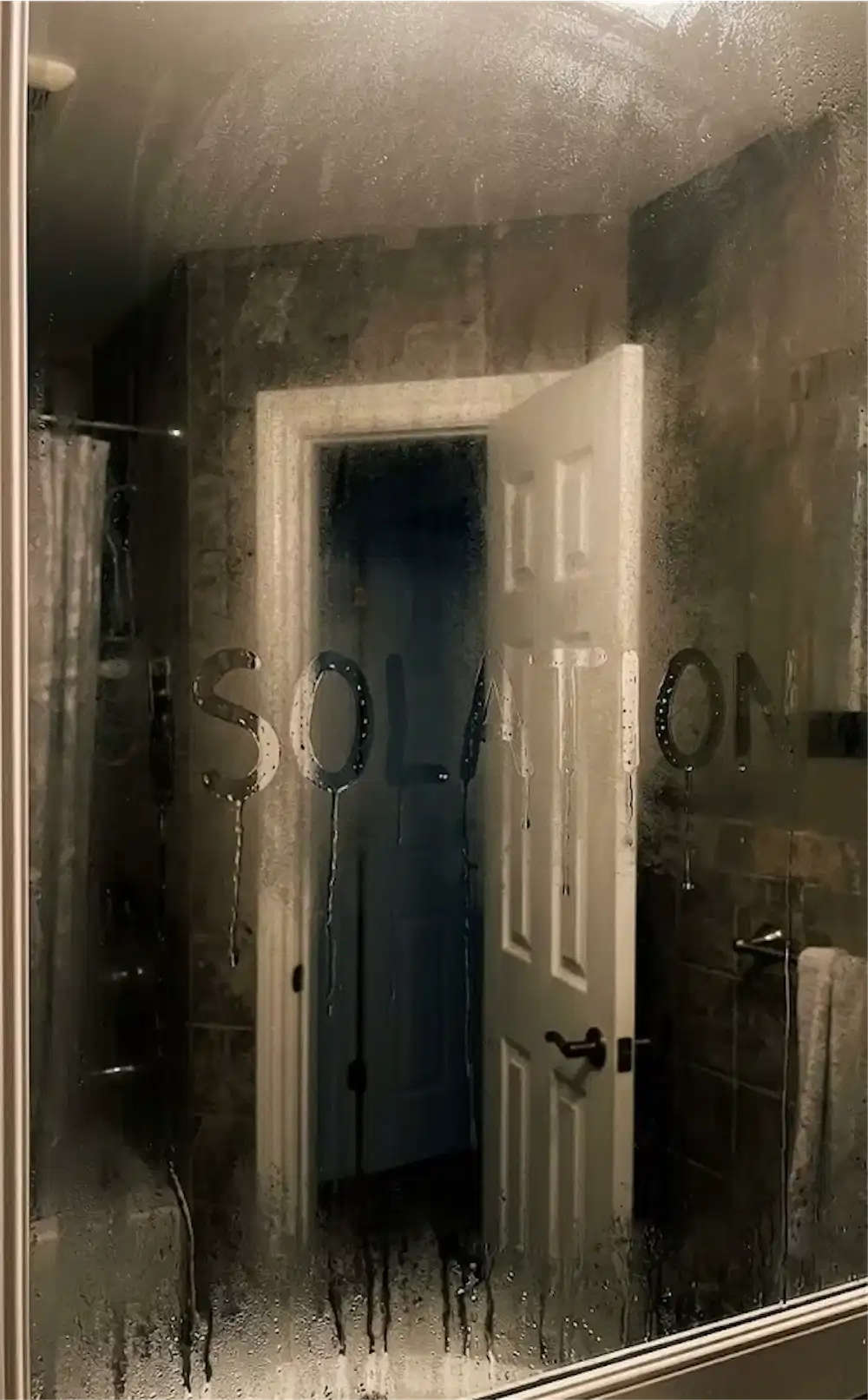
I remember sitting on my bathroom floor, checking my phone every 30 seconds, desperate for a text from my ex even though he had just spent three hours gaslighting me. Gaslighting is the practice of someone lying to you so consistently that you begin to doubt your own memory and sanity. Over 12 years, this eroded my trust in my own mind. Neuroplasticity after narcissistic abuse requires you to rebuild that trust by documenting reality and validating your own experiences every single day.
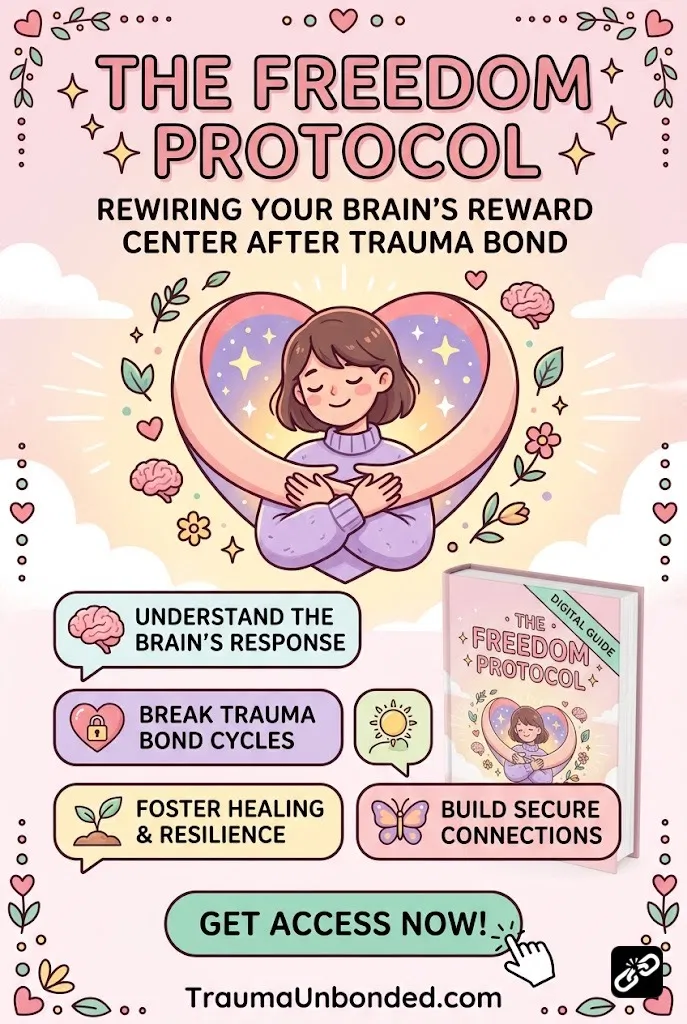
If you want to stop the cycle of obsessive thinking and finally calm your racing heart, you need a structured plan that addresses the specific ways a toxic relationship rewires your reward system. This guide was the turning point for my own recovery, helping me move from “just surviving” to actually living again.
Practical Tools for Calming the Nervous System
One of the most effective ways to rewire your brain after trauma is through somatic work. Because trauma is stored in the body, talking about it in therapy is often not enough. You have to physically discharge the energy. Using vagus nerve anxiety exercises helped me stop the physical shaking that would happen whenever my phone buzzed. By humming, doing deep belly breathing, or applying a cold compress to your chest, you send a signal to your brain that the “threat” has passed.
Are you still ruminating on arguments that happened years ago? That is your brain trying to “solve” a problem that has no logical solution. Narcissists and BPD partners often use “word salad,” which is a circular, nonsensical way of arguing meant to keep you confused. To heal, you must stop trying to make sense of the nonsense. Every time you catch yourself rehearsing a conversation in your head, gently redirect your attention to a physical task, like washing the dishes or walking the dog. This is how you starve the old neural pathways and feed the new ones.
Another major part of my healing was addressing codependency. In my 12-year relationship, I became a “fixer.” I thought if I just loved them enough or explained things clearly enough, they would finally change. I had to rewire my brain to understand that I am only responsible for my own emotions. Learning to set boundaries felt like a sin at first, but it was the only way to protect the new, peaceful environment I was building for myself.
The Path to Reclaiming Your Original Self
You might wonder if you will ever be the person you were before you met them. The truth is, you won’t be exactly the same, you will be wiser and more grounded. After I left, I felt like a ghost. I had no hobbies because my entire life was dedicated to managing my partner’s moods. I started small. I bought a plant. I started taking a 10-minute walk every morning. These small, repetitive actions are the building blocks of neuroplasticity and recovery.
Recovery is not a linear path. Some days you will feel like you’ve made huge strides, and other days a specific song or smell will send you right back into a state of panic. This is normal. The goal is not to never feel pain again, but to have the tools to handle it when it arises. You are teaching your brain that you are your own safe harbor now. You are no longer at the mercy of someone else’s emotional volatility.
If you stay consistent with your healing practices, the “noise” in your head will eventually quiet down. The person who was cheerful and optimistic is still in there, they are just buried under layers of survival mechanisms. By choosing yourself every day, you are literally building a new mind. Don’t let the weight of the past convince you that your future is set in stone. Your brain is ready to heal, as long as you give it the space and the time to do so.
Take the first step in reclaiming your mental clarity by exploring the Freedom Protocol and start the journey of building a life that feels safe, stable, and entirely yours.

Meet Your Guide
Helen Brooks
After surviving a 12-year NPD/BPD relationship, I dedicated over a decade to studying trauma bonding and nervous system recovery. My mission is to help you break free from the fog and reclaim your authentic self.
Ready to break the trauma bond and reclaim your life?