Addicted to Chaos in Relationships: Breaking Subconscious Patterns
I spent twelve years in a relationship that felt like a permanent storm. My partner had traits of both Narcissistic Personality Disorder and Borderline Personality Disorder, and for over a decade, my life was a cycle of screaming matches and tearful reunions. By the time I finally left, I was a shell of a person. I had no hobbies, my friends were long gone, and I felt like a stranger to myself. I was miserable, but strangely, I felt even worse when things were quiet. This is the reality of being addicted to chaos in relationships.
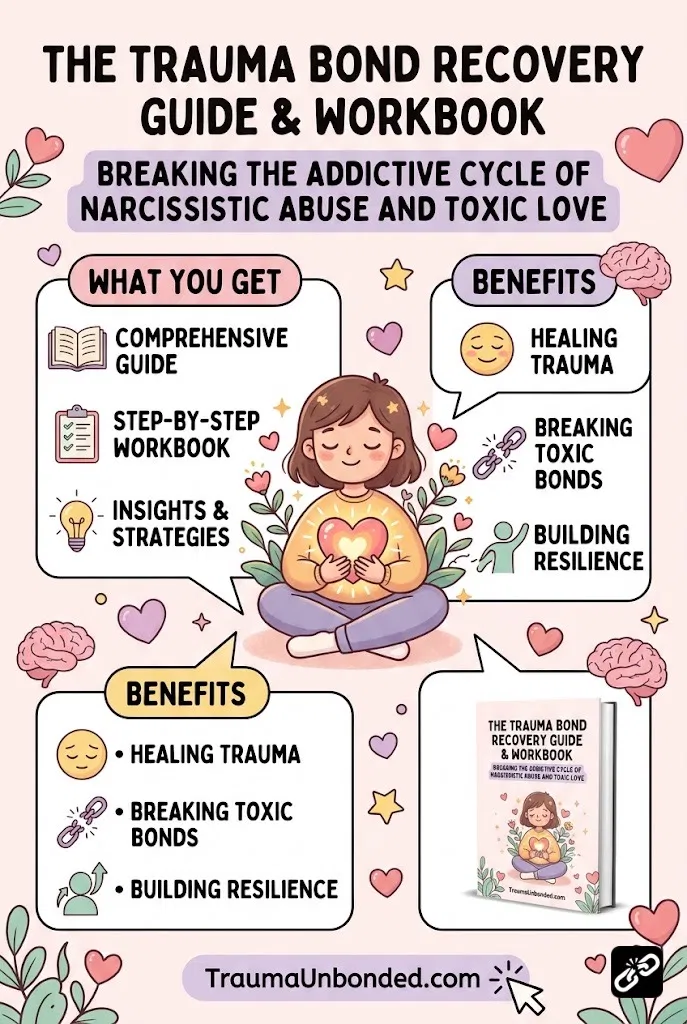
Have you ever noticed that you feel restless when your life is peaceful? When I was in the thick of it, I thought I was just “passionate” or “fighting for love.” I didn’t realize my brain had been rewired to crave the high-stress environment of a toxic partner. If you want to understand how your mind became hooked on this cycle, you can start by reading The Trauma Bond Recovery Guide & Workbook to see the roadmap out of the fog.
Breaking these patterns is not about willpower. It is about understanding your own nervous system. After twelve years of being gaslit—which is when someone makes you doubt your own memory and sanity—and being hoovered back in with false promises every time I tried to leave, my brain didn’t know how to function without a crisis. I had to learn how to live again without the constant threat of an argument or a discard hanging over my head.
Why Your Brain Craves the Drama
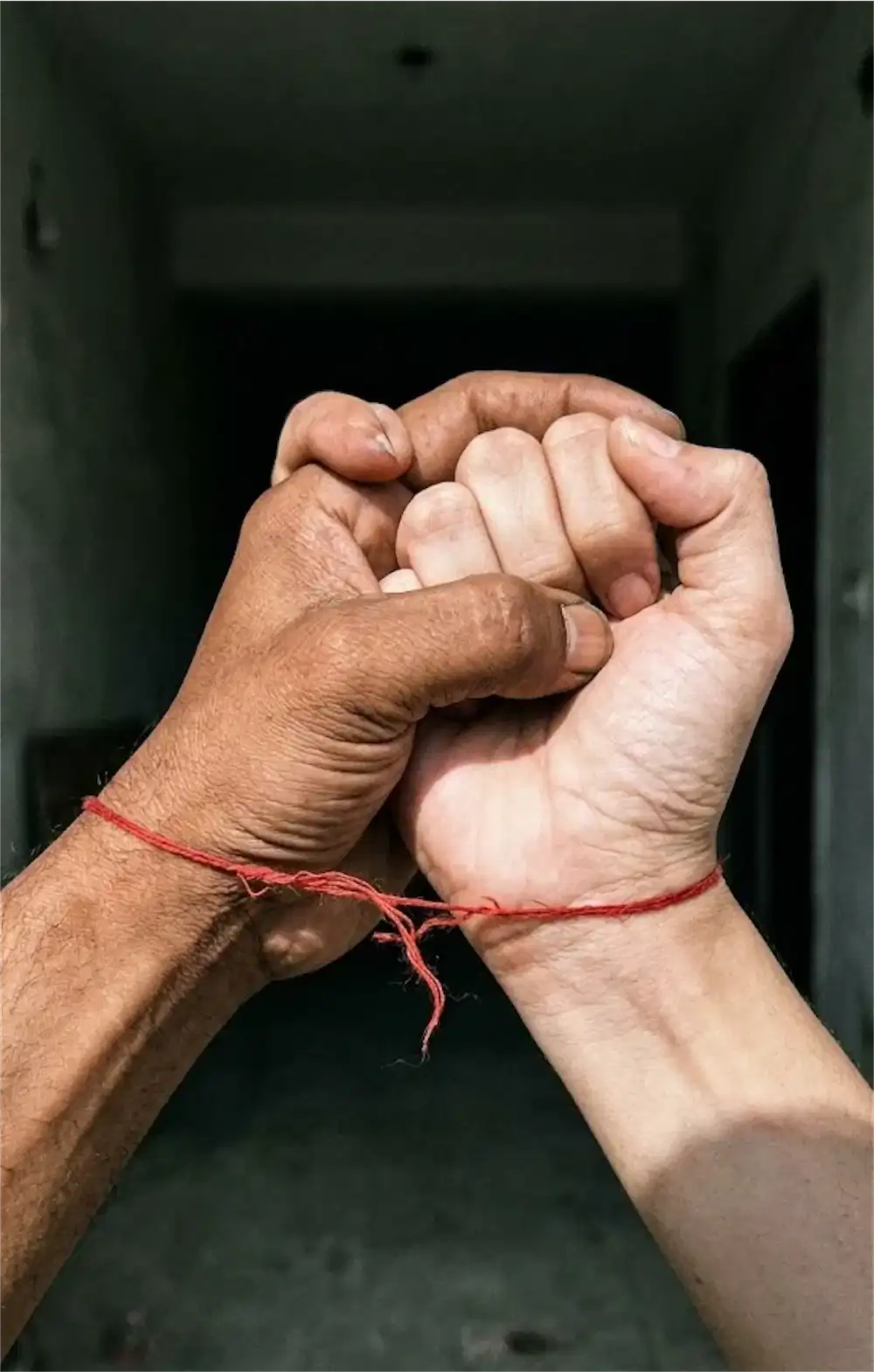
When you live with a person who has NPD or BPD traits, the relationship is never stable. One minute they are putting you on a pedestal, and the next they are treating you like an enemy. This creates something called a trauma bond biochemical addiction in your body. It is a physical dependency on the hormones released during the cycle of abuse and reconciliation.
The “highs” of the relationship are so intense because they come after terrifying “lows.” When my ex would finally stop the silent treatment or stop yelling, the relief felt like a drug. This is known as intermittent reinforcement, and it is the same thing that keeps people addicted to gambling. You keep “playing” the relationship game because you are waiting for that next hit of affection, even if it only lasts for an hour.
Over time, your body gets used to high levels of cortisol and adrenaline. When you finally get away from the toxic person, the silence feels heavy. You might find yourself checking their social media or picking fights with new, healthy people just to feel that familiar spark of intensity. Do you find yourself bored by “nice” people? That is a major sign that your nervous system is still stuck in survival mode.
Signs You Are Trapped in the Chaos Cycle
It took me years of professional therapy to see the signs in my own life. I used to think I was just a “fixer” or a very patient person. The truth was that I was losing myself to the chaos. You might be struggling with these same subconscious patterns if you feel more comfortable in a crisis than in a quiet room. You might also notice that you constantly monitor your partner’s mood, trying to prevent the next explosion before it happens.
Another sign is that you feel a strange sense of “purpose” when things are going wrong. In my 12 year relationship, I felt like a hero when I was helping my partner through a BPD meltdown or a narcissistic collapse. I didn’t realize that my identity had become entirely wrapped up in their instability. Without their problems to solve, I didn’t know who I was or what I liked to do for fun.
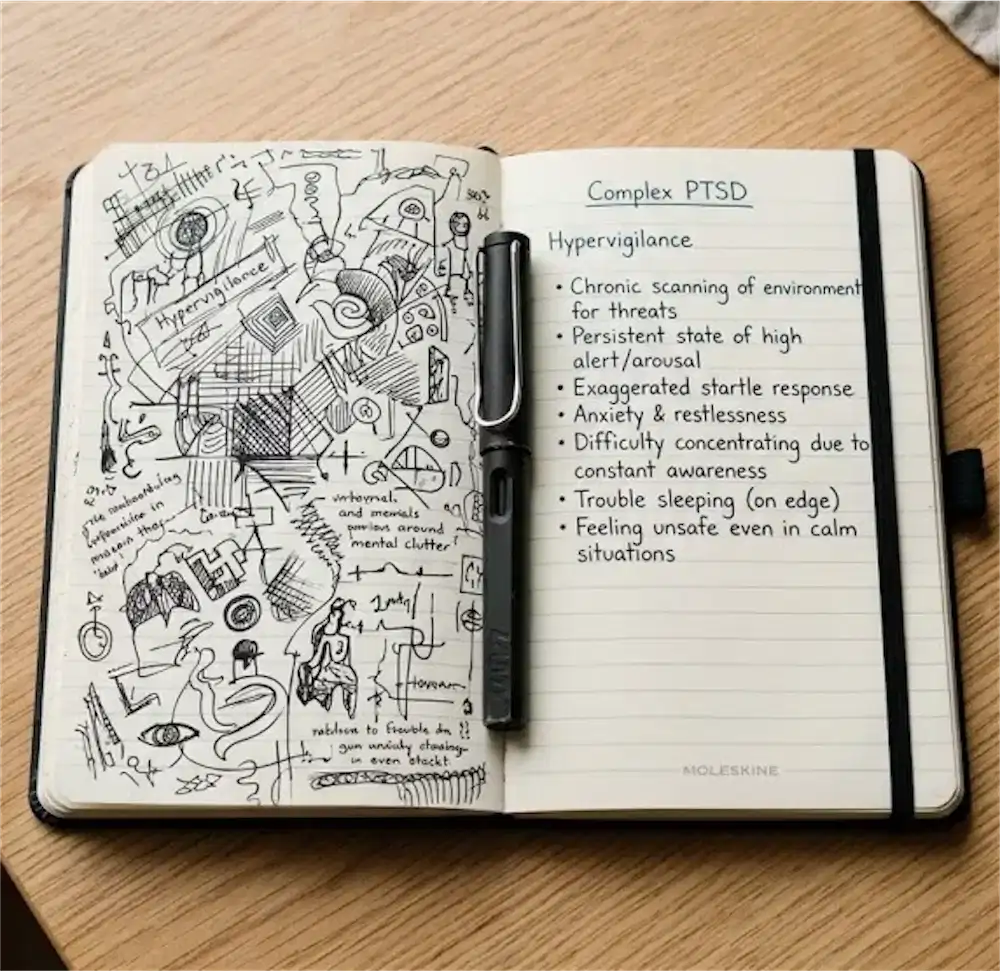
If you feel like you are constantly walking on eggshells, your brain is actually changing. You become hyper-vigilant, always scanning for danger. This makes it very hard to connect with people who offer stability and peace. Peace starts to feel suspicious. You keep waiting for the “other shoe to drop” because, in your past, it always did. Recognizing this is the first step toward finding your original self again.
If you are ready to stop the cycle and finally build a life that feels safe and grounded, the right tools are essential. I created a specific path for people who feel like they are stuck in the “withdrawal” phase of a toxic relationship. This guide will help you map out exactly how the addiction started and how to break the physical need for the drama.
How to Break Subconscious Patterns
The healing process is about more than just leaving the person. You have to leave the lifestyle of chaos behind as well. For me, that meant committing to a radical no contact guide. It wasn’t just about blocking my ex on my phone. It was about blocking the “need” to know what they were doing or who they were with. I had to learn to sit with the boredom and the loneliness without reaching for a phone to check their status.
You also need to address the deep roots of codependency. Why did I stay for twelve years? Why did I think I could fix someone who didn’t want to change? In therapy, I discovered that I had been conditioned to believe that love was earned through struggle. I had to rewire my brain to understand that real love is actually quite boring on a Tuesday afternoon. It is consistent, safe, and predictable. If a relationship feels like a roller coaster, it is not love, it is an unhealthy attachment.
One practical step I took was returning to the things I loved before the relationship. I started painting again. I went for long walks. At first, it felt fake and forced. I felt like I was just going through the motions. But slowly, the optimism started to return. I realized that my “original self” wasn’t dead, she was just buried under layers of survival stress. You can find that person again too, but you have to be willing to protect your peace with everything you have.
Healing Is Not Linear
There will be days when you miss the intensity. You might find yourself romanticizing the “good times” and forgetting the nights you spent crying on the kitchen floor. This is normal. Your brain is trying to get its chemical fix. When this happens, remind yourself that the chaos was killing you. The stress of a toxic relationship causes real physical health issues, from digestive problems to chronic exhaustion.
I am now years away from that 12 year nightmare. I am cheerful, grounded, and I no longer feel the need to manage anyone else’s emotions. I have a circle of friends who respect my boundaries, and my home is a place of absolute quiet and safety. If I could do it after a decade of abuse, you can do it too. It starts with one small choice to prioritize your own sanity over someone else’s drama.
The road to freedom requires a plan. If you are struggling with the urge to reach out or feeling lost in the silence, take a look at The Trauma Bond Recovery Guide & Workbook. You deserve a life that doesn’t hurt, and you have the strength to build it from the ground up.

Meet Your Guide
Helen Brooks
After surviving a 12-year NPD/BPD relationship, I dedicated over a decade to studying trauma bonding and nervous system recovery. My mission is to help you break free from the fog and reclaim your authentic self.
Ready to break the trauma bond and reclaim your life?