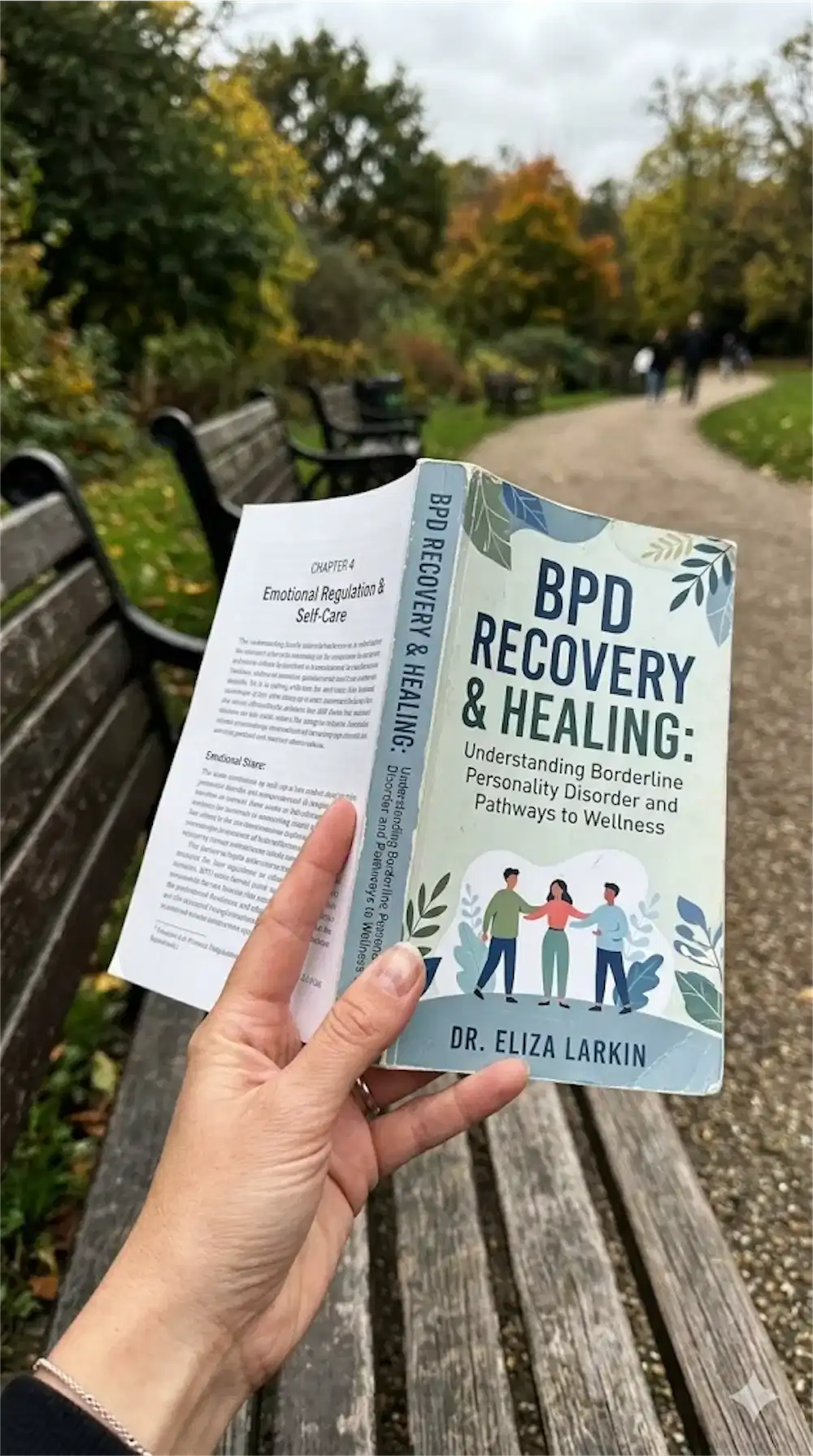
BPD Discard Survival Guide: Protecting Your Mental Health
I spent twelve years trapped in a loop of chaos, walking on eggshells for a partner who struggled with both BPD and narcissistic traits. One day I was the only person who understood them, and the next, I was a monster. When the final discard happened, I was left in a house that felt like a tomb. I had no hobbies left because I had given them all up to keep the peace. My friends had drifted away because I was too exhausted to maintain the connections. I felt like a shell of a human being, wondering how a decade of my life could be erased in a single afternoon.
If you are standing in that same wreckage right now, you might feel like your life is over. You are probably searching for a BPD discard survival guide because the pain feels physical, almost like a drug withdrawal. That is because it actually is a withdrawal. During my BPD breakup recovery guide, I learned that the extreme highs and lows of the relationship created a chemical addiction in my brain. You can read more about this in our BPD Breakup Recovery Guide which explains why the person you loved suddenly turned on you.
Why does it hurt so much? How can they move on so fast while you are struggling to even get out of bed? The truth is that the discard is not a reflection of your worth. It is a symptom of a deep, internal struggle within them that you could never fix, no matter how hard you tried. I spent years trying to be the perfect partner, only to realize that the goalposts were always moving. Now, as someone who has returned to my original, cheerful self through therapy and hard work, I want to show you how to protect your mental health during this storm.
Understanding the Brutality of the Discard
The discard feels like being thrown out like trash after you have given everything. In a relationship with someone who has BPD traits, this often happens through a process called splitting. In their mind, you have gone from being “all good” to “all bad.” There is no middle ground. Have you ever noticed how they can ignore your years of loyalty because of one perceived mistake? This is black and white thinking, and it is the reason the breakup feels so cold and calculated.
When I was in the middle of it, I couldn’t understand how my partner could go from crying in my arms to blocking me on everything within an hour. It felt like gaslighting, a tactic where someone makes you doubt your own reality. I started to wonder if the last twelve years even happened. This confusion is a core part of the trauma bond. Your brain is desperate for the “good” version of them to return, but that version is currently unavailable. Accepting that both the “angel” and the “demon” are the same person is the hardest part of healing from a toxic relationship.
You must realize that their current coldness is a defense mechanism. They are not “winning” the breakup. They are running away from the intense shame and fear of abandonment that your presence triggers in them. By making you the villain, they don’t have to face their own actions. It is a survival strategy for them, but for you, it is a chance to finally breathe without fear. Are you ready to stop being the caretaker of their emotions and start taking care of your own?
Breaking the Trauma Bond and Biochemical Addiction
Recovery is not just about moving on. It is about detoxing your nervous system. For twelve years, my body was flooded with cortisol and adrenaline. I lived in a state of hypervigilance, always waiting for the next explosion or the next silent treatment. When the discard happens, your body goes into shock because the source of your stress is also the person you go to for comfort. This is the essence of a trauma bond biochemical addiction that keeps you stuck in a loop of longing.
You might find yourself checking their social media or re-reading old texts. This is your brain looking for a “hit” of dopamine to soothe the pain. I used to spend hours trying to figure out what I did wrong, but the truth is that there was nothing I could have done to change the outcome. No contact is the only way to break this cycle. It is not about being mean or getting revenge. It is about creating a safe space where your brain can start to rewire itself. Can you imagine a day where you wake up and they aren’t the first thing on your mind?
During my recovery, I discovered that codependency played a huge role in why I stayed so long. I felt responsible for their happiness, but I had completely neglected my own. Therapy helped me see that I was trying to fill an internal void by being “needed.” Once I started focusing on my own self-care routine, the urge to reach out to my ex slowly began to fade. It wasn’t easy, and there were many nights of crying, but each day of silence brought a little more clarity.
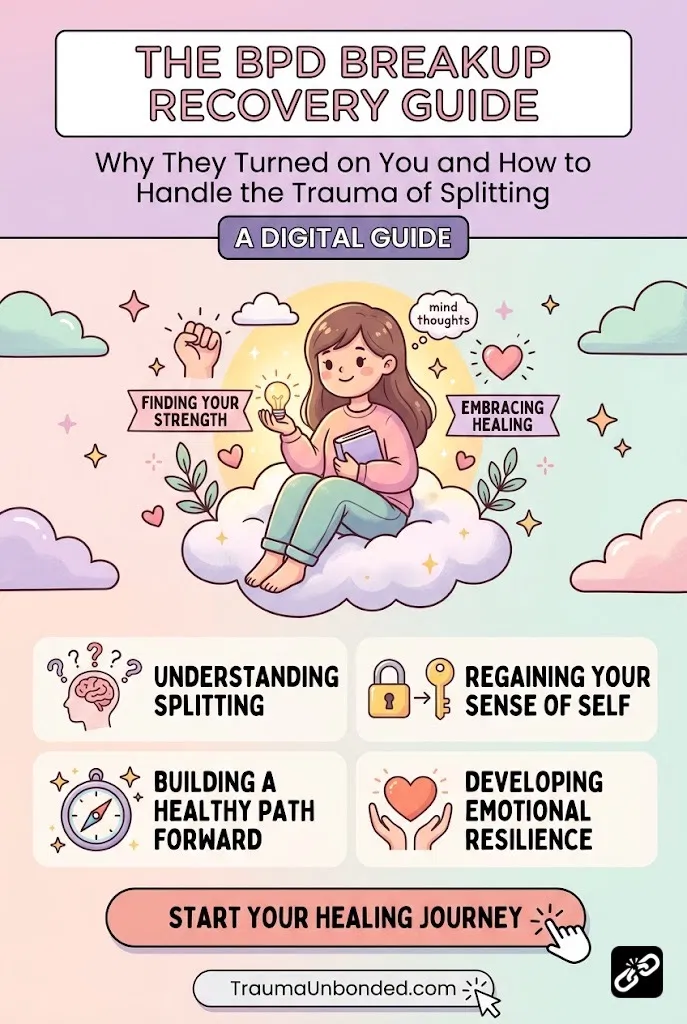
Understanding the “why” behind their behavior is the first step, but having a roadmap for your own recovery is what actually saves your life. I found that having a structured plan helped me stay grounded when the waves of grief hit. If you feel lost and need a clear path to follow, this specific resource was a turning point for my own sanity.
Reclaiming Your Identity After Years of Loss
When you are in a relationship with someone who has BPD or NPD traits, your personality often gets swallowed by theirs. You become a mirror for their needs. After my twelve-year relationship ended, I realized I didn’t even know what kind of music I liked anymore. I had spent so long listening to what they wanted. Rebuilding self-worth after a discard is a slow process of meeting yourself again for the first time. It is okay if you feel like a stranger to yourself right now.
Start with small things. For me, it was buying a specific brand of coffee that my ex hated. It felt like a tiny act of rebellion, but it was actually an act of self-love. I started going for walks without checking my phone every five minutes. I reconnected with one friend I hadn’t spoken to in three years. These small wins add up. You are not a victim, you are a survivor who is finally being given the chance to live on your own terms. What is one thing you used to love doing before you met them?
You might also deal with a smear campaign, where the ex tells lies about you to mutual friends. This was one of the hardest parts for me. I wanted to defend myself and “prove” the truth. But I learned that the people who truly care about you will see through the lies. Engaging in the drama only keeps you connected to the toxicity. The best response to a discard is living a life so healthy and happy that their narrative about you no longer makes sense. Using a BPD emotional recovery detox approach can help you clear the mental clutter left behind by their accusations.
Practical Steps for Your First 30 Days
The first month is purely about survival. Your only goal is to keep your nervous system regulated. Block them everywhere. I know it sounds harsh, but seeing their face or a “typing…” bubble on your screen will reset your healing clock. If you have to communicate due to kids or work, use a “grey rock” method where you are as boring as a stone. Only give short, factual answers. Do not explain your feelings or ask for closure. Closure is something you give yourself by accepting that they are not capable of providing it.
Focus on your physical health. Toxic relationships often lead to adrenal fatigue or chronic inflammation. Drink water, eat actual meals, and try to get some sunlight. I spent the first two weeks just trying to remember to breathe deeply. Professional therapy is a non-negotiable part of this journey. A trauma-informed therapist can help you process the cognitive dissonance, which is that confusing feeling of loving someone who treated you poorly. You deserve to have a professional in your corner who understands exactly what you have been through.
Finally, find a community. Whether it is an online group or a local circle of friends, knowing that others have survived this makes a massive difference. I felt so isolated because nobody in my daily life understood why I couldn’t “just move on.” When I found people who had also dealt with BPD discard, I finally felt seen. You are not crazy, you are not weak, and you are not unlovable. You have simply been through a high-intensity emotional war, and now it is time for the peace treaty with yourself.
Today, I am the person I was meant to be before that relationship took over my life. I am cheerful, I have my hobbies back, and I actually enjoy my own company. The discard wasn’t the end of my story; it was the prologue to my real life. If you want to dive deeper into the mechanics of why they turned on you, I highly recommend checking out The BPD Breakup Recovery Guide. Your healing starts the moment you stop looking back and start looking within.

Meet Your Guide
Helen Brooks
After surviving a 12-year NPD/BPD relationship, I dedicated over a decade to studying trauma bonding and nervous system recovery. My mission is to help you break free from the fog and reclaim your authentic self.
Ready to break the trauma bond and reclaim your life?