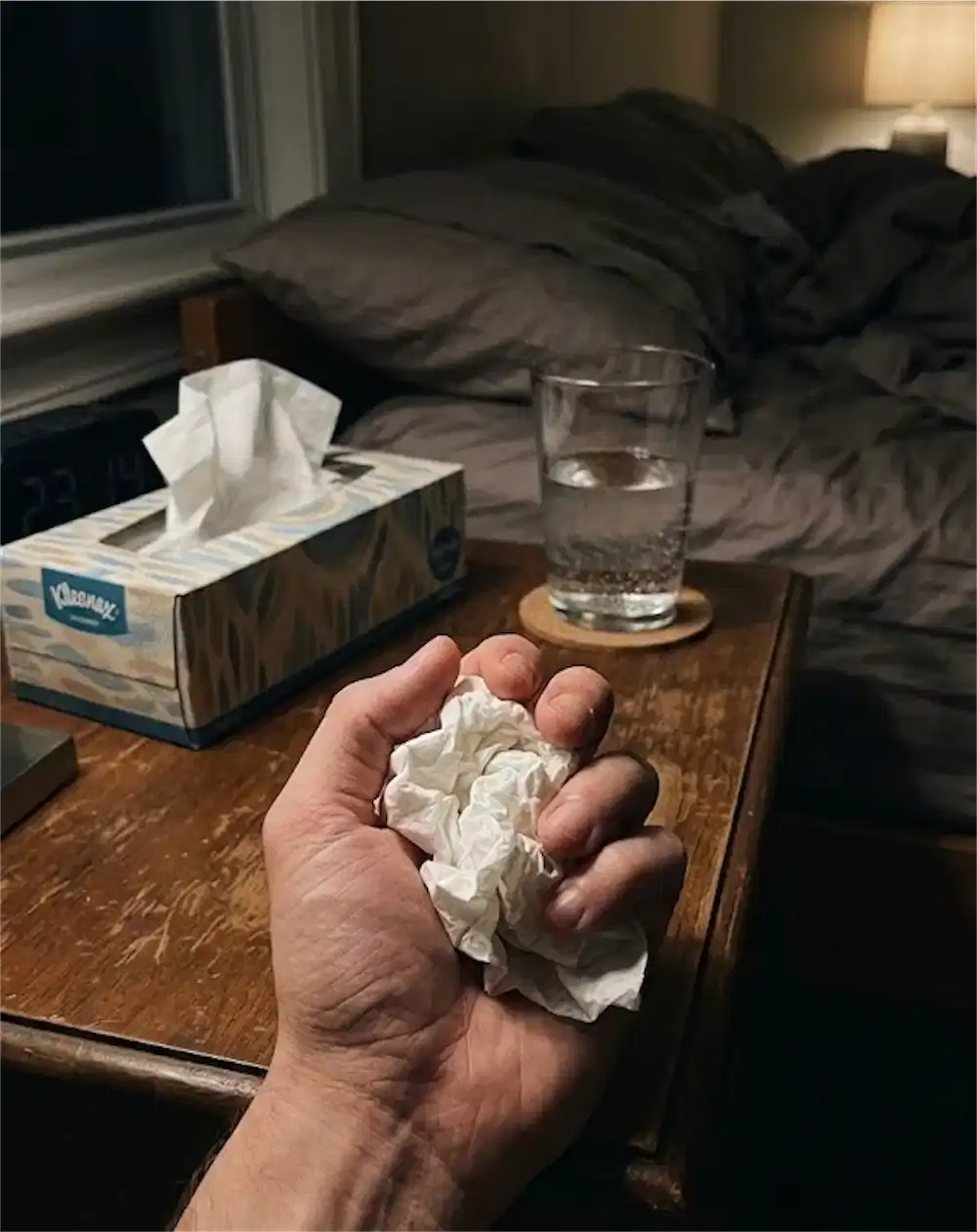
BPD Relationship Trauma: How to Calm Post-Split Hypervigilance
Ever feel like you are waiting for a bomb to go off, even when the room is completely empty? I lived that feeling for over a decade. I spent 12 years in a relationship with a partner who displayed both NPD and BPD traits, and by the time it ended, I did not even recognize myself. I was isolated, my hobbies were long gone, and I felt like a ghost in my own life.
The hardest part of leaving was not the physical distance, but the hypervigilance that followed me into my new, quiet life. My brain was stuck in a loop, constantly scanning for threats that were no longer there. If you find yourself jumping at every notification on your phone or over-analyzing every word a friend says, know that you are not losing your mind. You are experiencing a normal response to prolonged BPD relationship trauma.
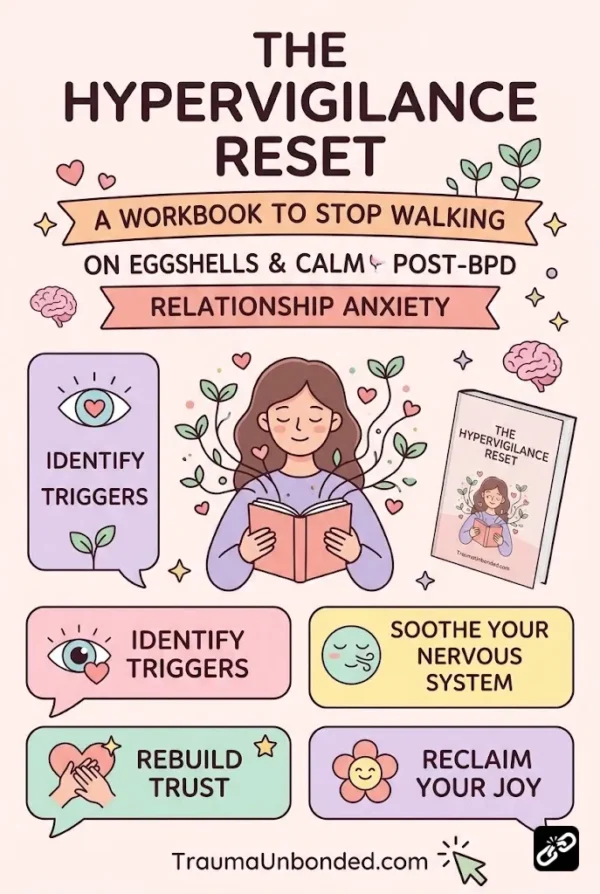
Recovery is possible, but it starts with understanding why your body refuses to relax. I had to learn the hard way that you cannot just “think” your way out of a trauma bond. If you are struggling to find peace right now, The Hypervigilance Reset can help you start the process of calming your nervous system today.
Why Your Brain Stays on High Alert After a BPD Breakup
When you are with a partner who cycles through splitting, your brain learns that safety is temporary. One minute you are the most amazing person in the world, and the next, you are the villain in their story. Living like this for years forces your nervous system into a permanent state of fight-or-flight.
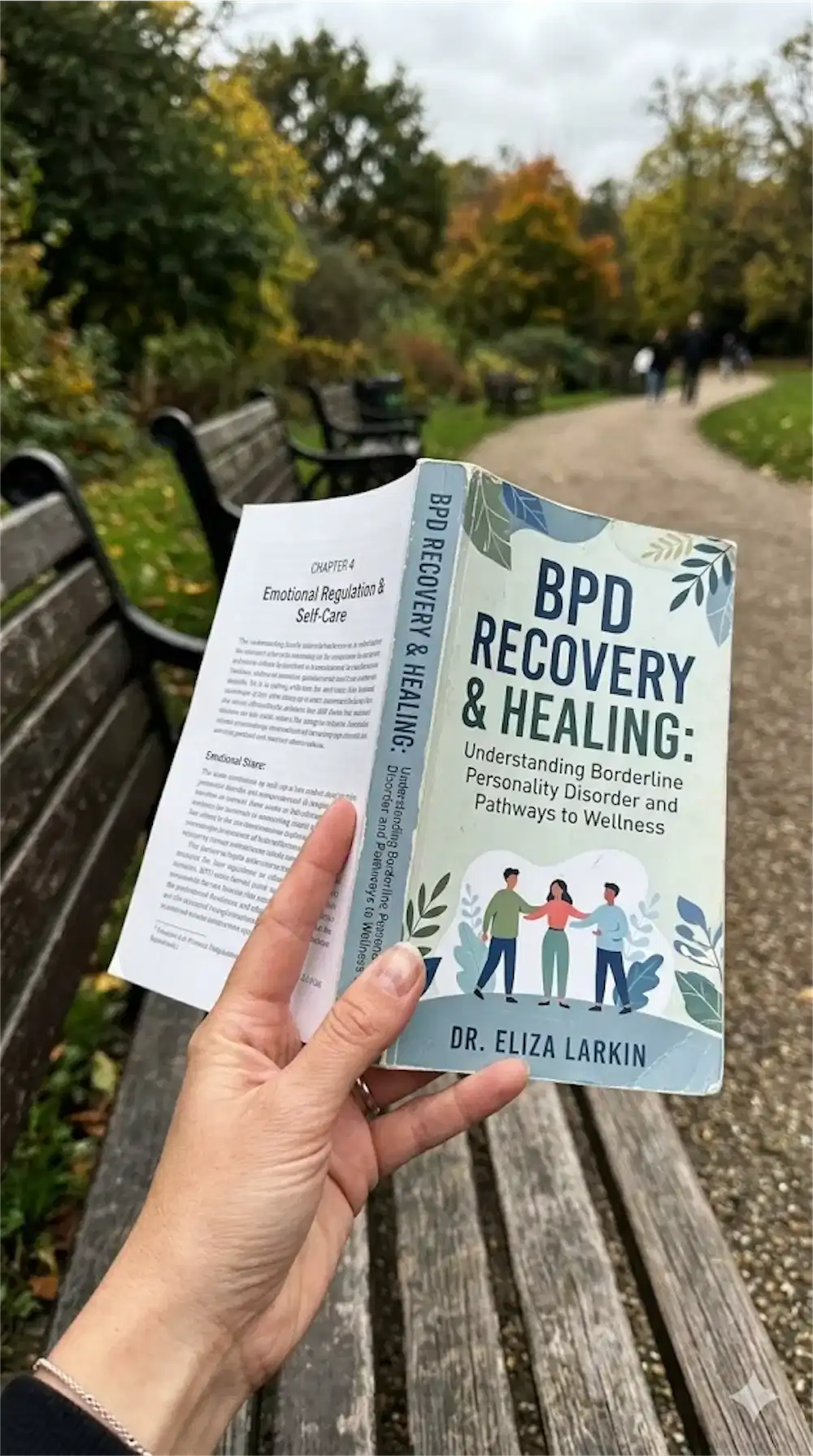
In my 12-year relationship, I became an expert at reading micro-expressions. I could tell by the way my partner set down a coffee mug if I was in for a silent treatment or a four-hour argument. This is called hypervigilance. It is a survival mechanism that helps you predict danger, but it becomes a prison once the relationship is over.
Your body does not realize the war is over just because you signed a lease or blocked a number. It is still producing massive amounts of stress hormones because it expects a narcissistic collapse or another round of hoovering. Are you still checking your locks five times a night or feeling a pit in your stomach when the doorbell rings? That is your trauma brain trying to protect you from a ghost.
The Exhaustion of Walking on Eggshells in an Empty House
The most confusing part of BPD relationship trauma is the silence that follows the split. After years of emotional volatility, the quiet feels dangerous. I remember sitting in my new apartment, unable to watch TV because I was too busy listening for the sound of a key in the door. I was still walking on eggshells, even though there was no one left to upset.
This state of chronic stress leads to physical symptoms that many survivors overlook. You might notice high cortisol symptoms like intense fatigue, digestive issues, or a racing heart. Your body is quite literally exhausted from being its own bodyguard for so long. It took me months of therapy to realize that my “productivity” was actually just anxious energy trying to outrun my memories.
How do you stop the internal noise? It starts with radical acceptance. You have to accept that your brain is currently wired for a war zone. You cannot shame yourself into being calm. You have to prove to your body, through small daily actions, that the environment is finally safe.
If you feel like your mind is constantly spinning with “what if” scenarios, you might need a structured way to break that loop. This workbook was designed specifically for the unique anxiety that follows a BPD relationship, focusing on the triggers that keep you stuck in survival mode.
Reclaiming Your Reality from Gaslighting
One reason hypervigilance persists is the gaslighting that usually accompanies BPD and NPD relationships. When you have been told for years that your perceptions are wrong, you stop trusting your own senses. You start looking to others, or even your toxic ex, to define what is real. This makes you hyper-aware of everyone else’s reactions because you no longer have a solid internal compass.
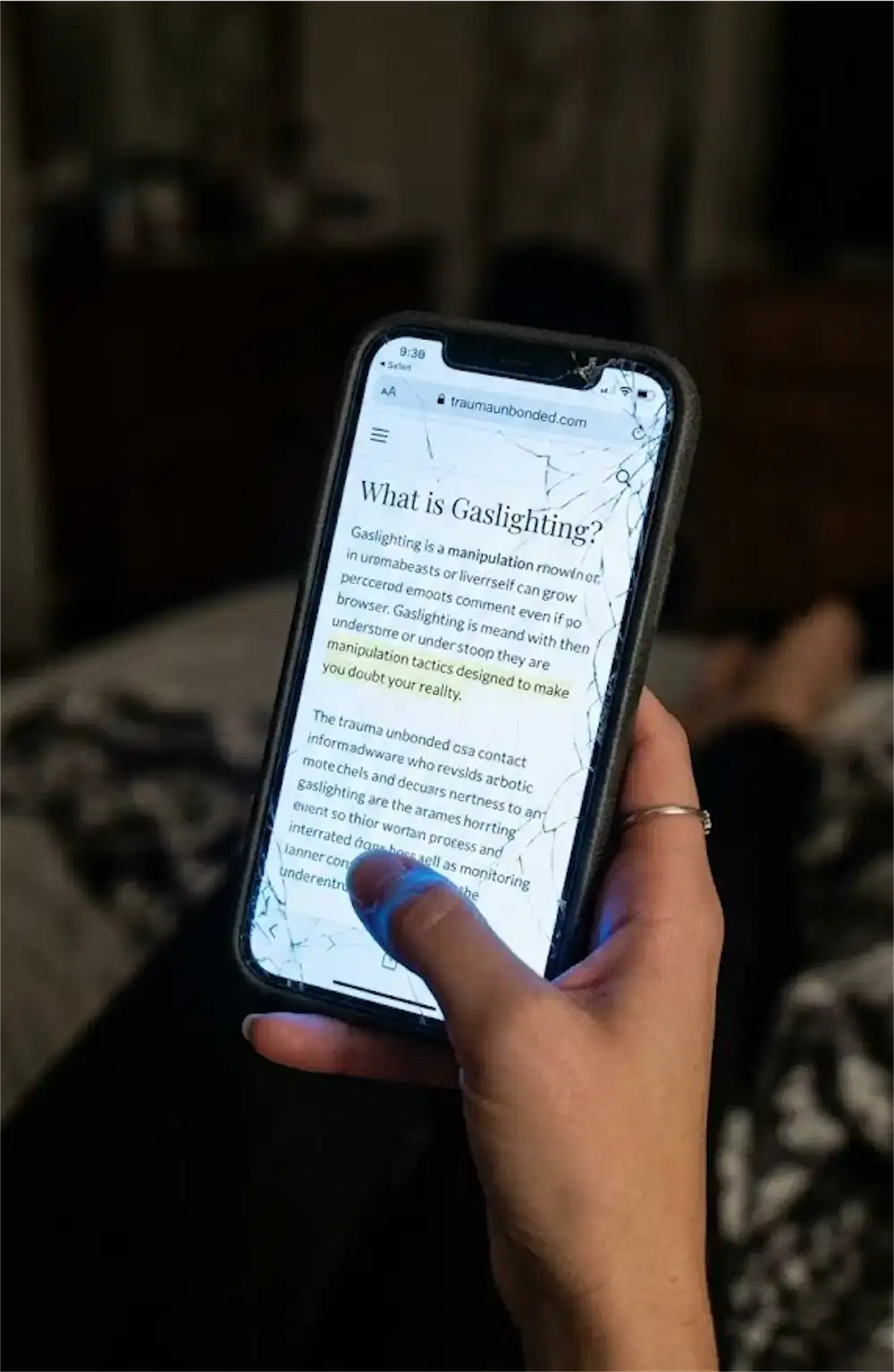
I remember feeling like I had to apologize for things I didn’t even do. That is the fawn response in action. You become a people-pleaser as a way to avoid the next explosion. To heal, you must learn to heal from gaslighting by validating your own experiences. If you felt hurt, you were hurt. If you felt scared, there was a reason.
Rebuilding this trust takes time. I started by doing small things for myself again. I bought the coffee I liked, not the brand my ex preferred. I listened to the music that made me feel alive, even if my ex used to call it “annoying.” These small acts of self-reclamation tell your brain that you are back in the driver’s seat of your life.
Daily Tools to Ground Your Nervous System
When the panic attacks or the heavy chest feeling hits, you need practical tools. One thing that saved me was grounding. When I felt myself spiraling into a memory or worrying about a future smear campaign, I would stop and name five things I could see, four things I could touch, and three things I could hear. It sounds simple, but it forces your brain to come back to the present moment.
I also learned the importance of vagus nerve regulation. Your vagus nerve is like the brake pedal for your nervous system. Simple actions like splashing cold water on your face or practicing slow, deep exhales can physically signal to your brain that the “threat” is over. It is not about “thinking positive”; it is about physiological safety.
Setting Digital Boundaries for Peace of Mind
Hypervigilance is often fed by digital stalking or the fear of a sudden “checking in” text. In my recovery, I had to be ruthless with no contact. That didn’t just mean blocking their number; it meant stopping the urge to check their social media. Every time I looked at their profile, I was reinjecting the trauma bond into my system.
If you are still looking for closure from someone who is incapable of giving it, you are keeping your hypervigilance alive. True closure comes from within. It comes from the moment you decide that their opinion of you no longer matters more than your own peace. I had to realize that my ex’s version of the story was never going to be the truth, and I had to be okay with that.
Today, I am back to being the optimistic, cheerful person I was before those 12 years of chaos. I have my hobbies back, I have a support system that actually supports me, and most importantly, I can sit in a quiet room without feeling afraid. You are not broken; you are just re-tuning. It takes work, but the silence on the other side is beautiful. If you want to accelerate this healing and finally quiet the noise, I highly recommend looking into The Hypervigilance Reset to reclaim your sense of safety.

Meet Your Guide
Helen Brooks
After surviving a 12-year NPD/BPD relationship, I dedicated over a decade to studying trauma bonding and nervous system recovery. My mission is to help you break free from the fog and reclaim your authentic self.
Ready to break the trauma bond and reclaim your life?