
Limiting Beliefs in Relationships: Clearing Trauma Blocks
Limiting beliefs in relationships often stem from the deep-seated pain of the past, making clearing trauma blocks a primary step for anyone emerging from a toxic cycle. When you spend over a decade with a partner who shows both Narcissistic Personality Disorder (NPD) and Borderline Personality Disorder (BPD) traits, your mind starts to adopt lies as facts. I stayed in that type of environment for 12 years, and by the end, I did not recognize the person in the mirror. I was isolated, my hobbies were long gone, and I truly believed I was lucky to have anyone at all, even if they treated me poorly. If you feel stuck in a cycle of self-doubt and fear, you can start healing the trauma bond by identifying the mental barriers holding you back.
These internal barriers are not just “negative thoughts.” They are protective mechanisms your brain created to survive a 12-year storm. Why do we keep attracting the same type of person? Why does the idea of a healthy relationship feel boring or even scary? These questions haunted me as I sat in my empty apartment after the final discard. I had to learn that my “original self” was still there, buried under layers of conditioning and survival strategies that no longer served me.
Recovery is not about finding a new partner to fix the old wounds. It is about the quiet, often difficult work of looking at the beliefs that keep us anchored to the past. When I finally started professional therapy, I realized that my codependency was a script I had been following since childhood, which was only reinforced by the toxic dynamic I lived in for over a decade. By addressing these blocks, you can begin to rebuild self-worth and see the world through a lens of hope rather than constant threat.
Identifying Your Limiting Beliefs After Narcissistic Abuse
The first step in clearing trauma blocks is acknowledging what they look like in daily life. After 12 years of being told my perception of reality was wrong, a process known as gaslighting, I developed a belief that I could not trust my own judgment. Gaslighting feels like trying to stand on shifting sand. You start to double-check your memories and look to your partner for the “truth” of what happened. This creates a massive block in your ability to make decisions once the relationship ends.
Another common belief is that love must be chaotic to be real. In a relationship with someone showing BPD and NPD traits, the highs are incredibly high and the lows are devastating. This creates a trauma bond that functions like a chemical addiction. You might think, “If it’s not intense, it’s not love.” This belief is a trap. It keeps you seeking out toxic intensity because your nervous system has forgotten how to appreciate peace. Have you ever felt anxious simply because things were going well? That is a trauma block at work.
You might also believe that you are fundamentally “unlovable” or “broken.” In my own experience, I felt like a discarded shell. I had no friends left because I had been isolated for so long. I thought my miserable state was my new permanent identity. This is the goal of a toxic partner: to make you believe you have no value without them. Breaking this belief requires you to rebuild self-worth after discard by reconnecting with the things that used to make you happy before the abuse started.
How Decades of Toxic Patterns Create Mental Blocks
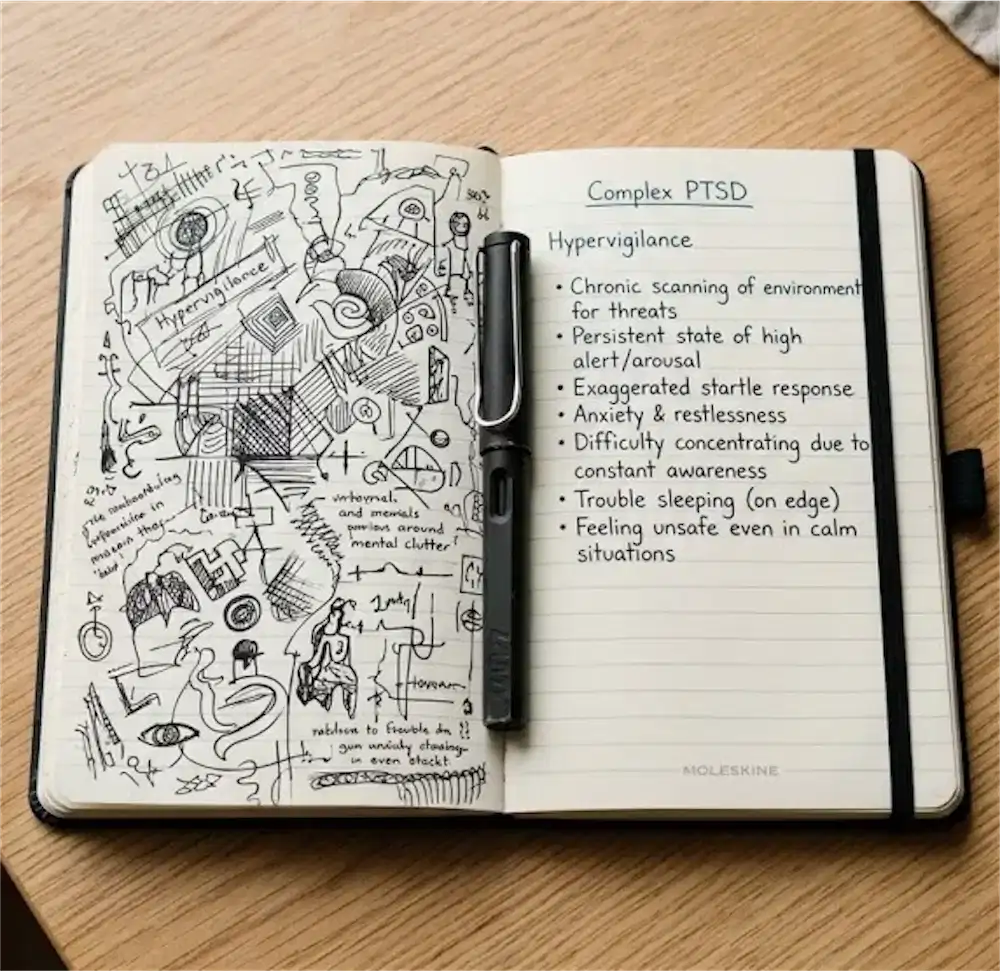
Living in a state of hypervigilance for 12 years changes how your brain processes information. You become an expert at reading micro-expressions, tone shifts, and the “heavy” silence that precedes a blowout. This constant state of high alert creates a block that prevents you from feeling safe in any relationship, including the one you have with yourself. You spend so much time fawning, or people-pleasing to avoid conflict, that you lose your voice entirely. I remember apologizing for things I didn’t even do, just to keep the peace for one more night.
These patterns are reinforced by intermittent reinforcement. This is when the toxic partner gives you just enough affection or “good days” to keep you hooked after weeks of cruelty. It is the same mechanism that keeps people at slot machines. You start to believe that if you just work harder or explain yourself better, the “good” version of your partner will return. This belief keeps you stuck in a loop of trying to fix something that was never meant to be healthy. Releasing this requires a deep understanding of how to heal the trauma bond effectively.
The mental exhaustion from this cycle leads to trauma brain fog. You might find it hard to concentrate or remember simple tasks. Your brain is so busy managing the emotional fallout that it has no energy left for growth. This is why you feel “stuck” even months or years after the breakup. The blocks are not just in your head; they are stored in your body. Learning about nervous system regulation is vital for moving these blocks out of your physical and mental space.
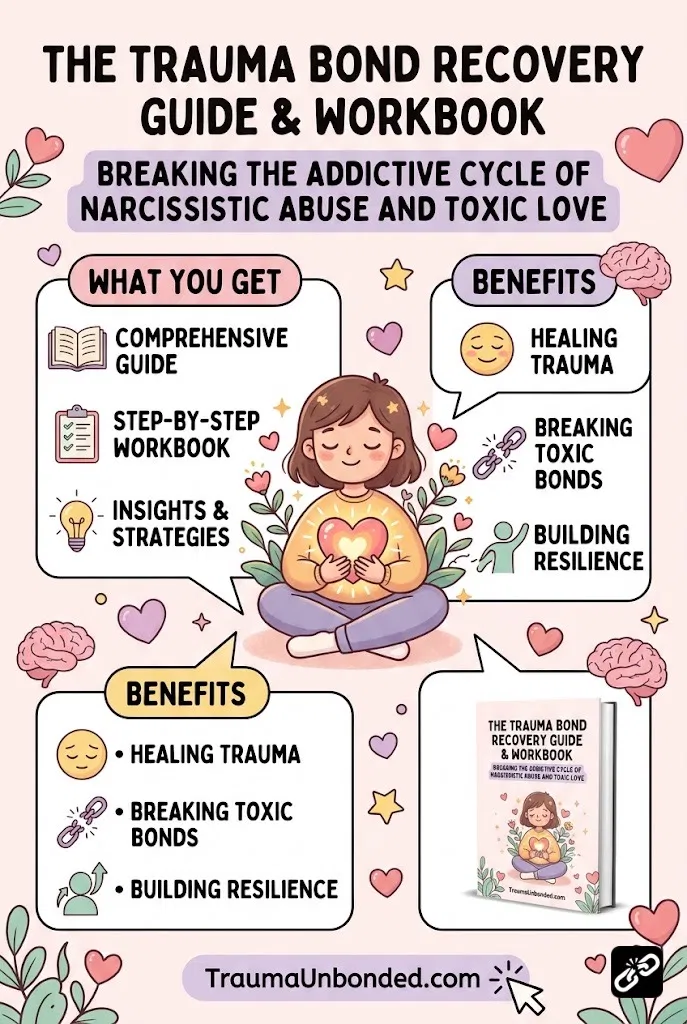
Before you can truly move forward, you need a structured way to break the chemical hold your ex has on your mind. Understanding the science of your addiction to the highs and lows is the only way to find permanent relief and stop the cycle of returning to toxic people.
To help you navigate this difficult transition and finally stop the obsessive thoughts that keep you tied to the past, I highly recommend using a targeted roadmap designed for this specific type of recovery.
Practical Steps for Clearing Trauma Blocks in Relationships

Breaking free from 12 years of toxicity does not happen overnight. It is a slow process of “unlearning.” You must start by challenging your automatic thoughts. When you think, “I am not enough,” ask yourself whose voice that actually is. In most cases, it is the voice of the person who abused you. Practice replacing that lie with a neutral fact: “I am a human being who deserves respect.” It feels clunky at first, like wearing shoes on the wrong feet, but over time, it becomes your new reality.
Grounding yourself in the present moment is another way of clearing trauma blocks. When you are stuck in a trauma loop, your mind is either in the past (ruminating on what went wrong) or in the future (fearing you will always be alone). Try using nervous system regulation exercises to bring your body back to the “now.” This could be as simple as deep breathing or noticing five things you can see and touch. This signals to your brain that the danger is over.
Reconnect with the person you were before the 12-year fog descended. What did you love to do? I used to enjoy painting and hiking, but I stopped because my partner found those things “boring” or used them as reasons to pick a fight. Returning to these hobbies felt like meeting an old friend. It reminded me that I have a life and an identity that is completely separate from being a survivor. This is how you reclaim your “original self”—cheerful, optimistic, and grounded.
The Importance of Establishing New Boundaries
You cannot heal in the same environment that made you sick. Clearing trauma blocks requires strict no contact or, at the very least, very low contact if you have shared responsibilities. Every time you check their social media or respond to a “hoover” (a manipulation tactic used to suck you back into the relationship), you reinforce the old blocks. You are essentially telling your brain that the threat is still active.
Setting boundaries is not about changing the other person; it is about protecting your peace. It was hard for me to say “no” after years of being a people-pleaser. I felt guilty for protecting myself. If you feel that guilt, remember that it is a lingering symptom of the abuse, not a reflection of the truth. You have every right to decide who gets access to your energy. As you get better at saying no, you will find that the mental fog begins to lift.
Finally, find a support system that understands narcissistic and BPD abuse. Most people will tell you to “just move on,” but those who have been through the fire know it isn’t that simple. Whether it is a therapist, a support group, or educational resources, having someone validate your experience is a powerful tool for dismantling limiting beliefs. You are not crazy, you are not dramatic, and you are certainly not alone in this struggle.
Healing is a jagged line, not a straight one. Some days you will feel like you have finally cleared the path, and other days the old beliefs will try to creep back in. That is okay. The fact that you are even reading this shows that you are no longer the person who was willing to accept less than you deserve. By staying committed to your recovery, you are ensuring that the next chapter of your life is defined by your strength rather than your scars. If you are ready to take the final step toward independence, the Trauma Bond Recovery Guide & Workbook is the perfect tool to help you finish the job.

Meet Your Guide
Helen Brooks
After surviving a 12-year NPD/BPD relationship, I dedicated over a decade to studying trauma bonding and nervous system recovery. My mission is to help you break free from the fog and reclaim your authentic self.
Ready to break the trauma bond and reclaim your life?