Dating After Narcissistic Abuse: How to Spot the Green Flags of a Healthy Partner
Dating after narcissistic abuse requires you to learn how to spot the green flags of a healthy partner after years of having your perception of reality completely shattered. When you are trying to figure out how to trust people again after toxic relationships, even the most basic interactions can feel terrifying. Finding signs of a safe partner after abuse can seem almost impossible when your emotional radar has been warped by manipulation, but learning what healthy behavior actually looks like is the first step toward reclaiming your life.
What are the key green flags when dating after narcissistic abuse?
The most important green flags when dating after narcissistic abuse are consistent, predictable behavior over time, a genuine respect for your personal boundaries, and the ability to resolve conflicts calmly without resorting to blame or manipulation. A healthy partner values your independence and communicates their feelings with honesty rather than using emotional games.
My Personal Journey: Rebuilding From a 12-Year Toxic Cycle
For twelve long years, I lived in a relationship defined by a partner who exhibited severe traits of both Narcissistic Personality Disorder and Borderline Personality Disorder. I spent over a decade walking on eggshells, constantly questioning my memory, and losing myself in the process. When that relationship finally exploded, I was left devastated, completely isolated from my friends, and devoid of any personal hobbies.
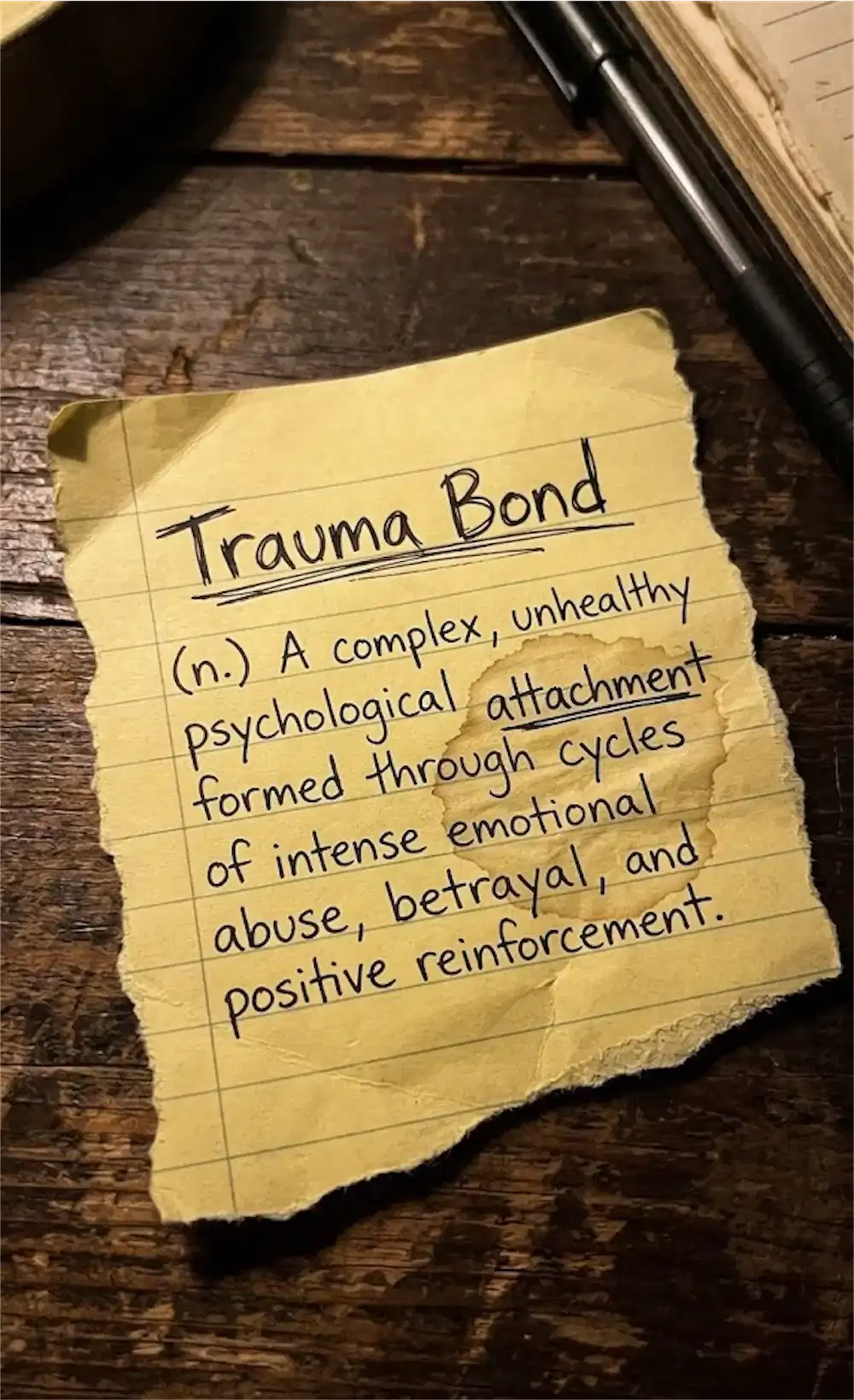
My life felt entirely miserable, and my nervous system was stuck in constant fight-or-flight. It was only through intensive, professional therapy that I began to understand how codependency and intense trauma bonds had kept me trapped. Rebuilding my life required me to face a hard reality: my internal radar for choosing partners was completely broken.
But healing is possible, and today, I have returned to my original self, feeling cheerful, optimistic, and deeply grounded. If you are currently picking up the pieces, please know that you can heal and learn to recognize safe love. Relearning dating after surviving a toxic breakup is a slow path, but it is one you are entirely capable of navigating.
Top Green Flags of a Healthy Partner After Abuse
When you have been conditioned to accept emotional scraps, normal healthy behaviors can actually feel boring or unfamiliar at first. We must retrain our minds to see stability as attractive rather than searching for the volatile highs and lows of the past. Here are the clear markers of a safe relationship that you should look out for as you begin dating again.

1. Consistent Action That Matches Their Words
In my toxic relationship, promises were currency used to buy my compliance. My ex would promise the world during a reconciliation phase, only to revert to cold neglect days later. A true green flag is consistency; when a person says they will call, they call. Their behavior does not fluctuate wildly based on their mood, which helps you naturally reduce the anxiety built up from years of unpredictable treatment.
2. They Respect Your Boundaries and Hear Your “No”
How does this person react when you assert a simple boundary? If you tell them you need a quiet night to yourself, do they accept it with grace, or do they guilt-trip you and accuse you of not caring? A healthy partner respects your space because they do not view your independence as a threat to their ego.
3. Calm Conflict Resolution and No Blame-Shifting
Arguments in a narcissistic dynamic are battlegrounds designed to destroy your confidence and force you into submission. In a safe partnership, disagreements are about solving a problem together rather than winning a war. They do not twist your words, bring up mistakes from three years ago, or utilize the silent treatment to punish you.
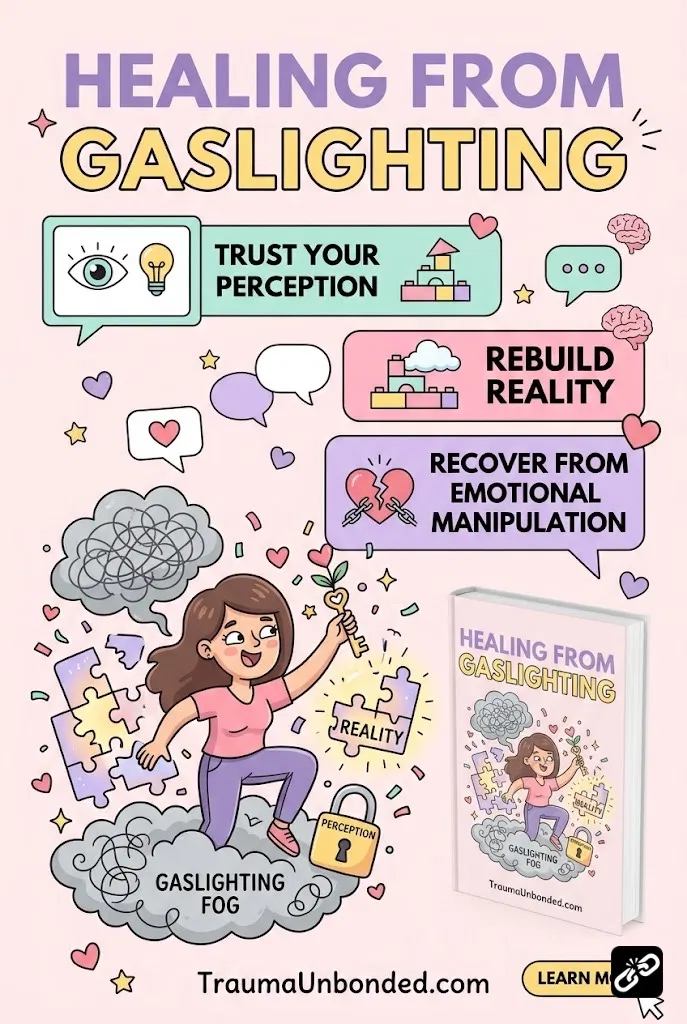
Learning to trust your gut after experiencing extreme cognitive distortion is incredibly difficult. You might find yourself constantly waiting for the other shoe to drop, questioning whether a nice gesture is actually a hidden manipulation tactic. To help you rebuild your internal radar and stop doubting your perception of reality, we created a step-by-step roadmap to walk you through the healing process.
Navigating the Fear of Dating Again
It is entirely normal to feel a deep sense of dread when stepping back into the dating world. Your brain has been wired to associate intimacy with danger, pain, and betrayal. According to expert reviews on dating challenges after narcissistic abuse, survivors often struggle with intense hypervigilance and a fear of repeat exploitation. This is why pacing yourself is absolutely critical.
Did you know that taking things slowly is actually your greatest protection mechanism? A toxic partner will almost always try to rush the pacing of a new relationship, pushing for quick commitment to lock you in before their mask slips. A safe partner, however, will respect your desire to move slowly and will not pressure you into milestones you are not ready for.
Practical Ways to Screen Your Dates for Safety
You do not have to rely on blind trust anymore; you can actively protect your peace by observing how your dates handle normal life situations. Using simple screening techniques allows you to gauge a person’s emotional maturity without feeling like you are running an interrogation. Try utilizing these practical observations during your early dates:
- Observe how they treat service staff: A person who is kind to you but rude to a waiter is showing you how they will eventually treat you when the honeymoon phase ends.
- Share a small boundary early: Tell them you cannot make a late-night call because you value your sleep schedule, and watch how smoothly they accept that limit.
- Pay attention to how they talk about their past: Do they portray every single ex-partner as a crazy villain, or can they speak about past relationships with some level of objectivity and maturity?
- Monitor your physical reactions: Your body often knows the truth before your logical mind does; if you leave a date feeling highly anxious, exhausted, or dizzy, take it as a sign to pause.
If you find that your nervous system is still in overdrive, you might need to focus on how to rebuild self-worth after discard and abuse before dating. Healing is not a race, and taking time to stabilize your nervous system is a beautiful act of self-love.
Stepping back into dating after enduring a toxic relationship can feel like learning to walk on a broken leg. But as you continue to heal, you will realize that your past has made you highly observant and deeply protective of your inner peace. By taking things slow, looking for steady consistency, and choosing to walk away at the first sign of disrespect, you are taking back control of your life. If you want to learn more about trusting your instincts and healing your broken radar, take a look at our Healing from Gaslighting Workbook to guide your steps toward a safe and peaceful future.

Meet Your Guide
Helen Brooks
After surviving a 12-year NPD/BPD relationship, I dedicated over a decade to studying trauma bonding and nervous system recovery. My mission is to help you break free from the fog and reclaim your authentic self.
Ready to break the trauma bond and reclaim your life?