How to Build a Support System from Scratch After a Toxic Partner Isolated You
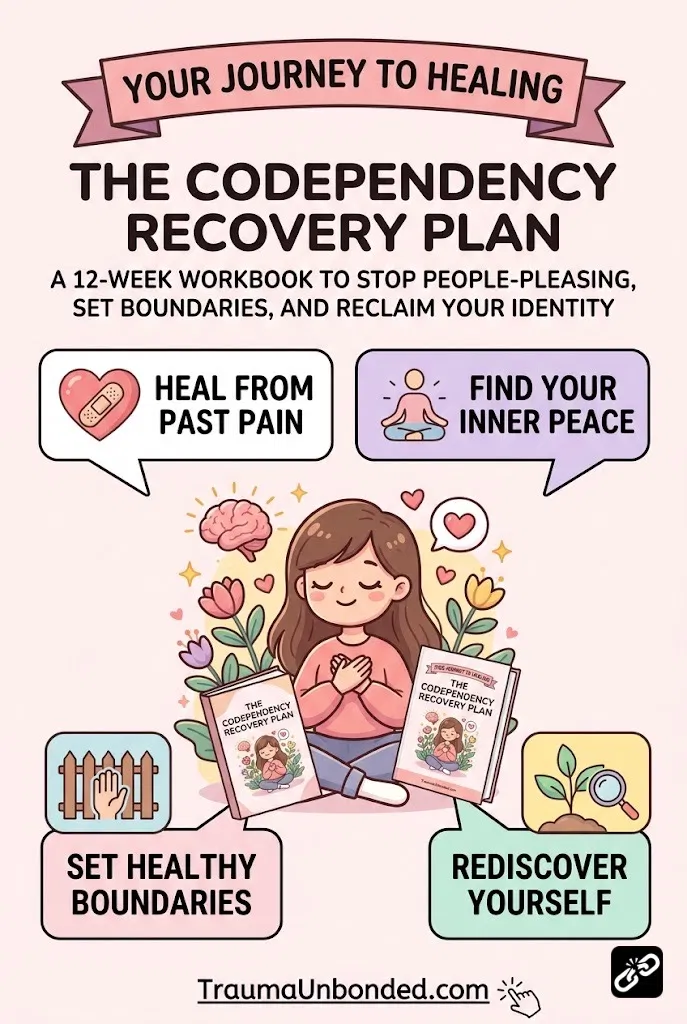
When a toxic partner isolated you from everyone you ever cared about, the quiet aftermath can feel incredibly heavy. I spent twelve years in a toxic relationship with a partner who had both NPD and BPD traits, and by the end, my phone simply stopped ringing. I had pushed away my closest friends and family to keep the peace at home, leaving myself completely alone. Reclaiming your life requires finding your footing again, which is why learning how to build a support system from scratch is a crucial step in your healing. If you are struggling to find your way back to connection, utilizing a structured path like The Codependency Recovery Plan can help you rebuild your identity while you start reaching out to others.
Isolation rarely happens overnight. It begins with small, subtle criticisms of your loved ones until you gradually stop reaching out to avoid another explosive argument. But once you leave, you are left with the massive task of rebuilding life after a toxic relationship without a safety net. How do you find people who truly understand you when you have spent years walking on eggshells?
The good news is that your original, cheerful self is still in there, waiting to be rediscovered. Let us walk through the practical steps to step out of the shadows and rebuild your circle, even if you feel completely forgotten.
Why a Toxic Partner Isolates You to Keep You Stuck
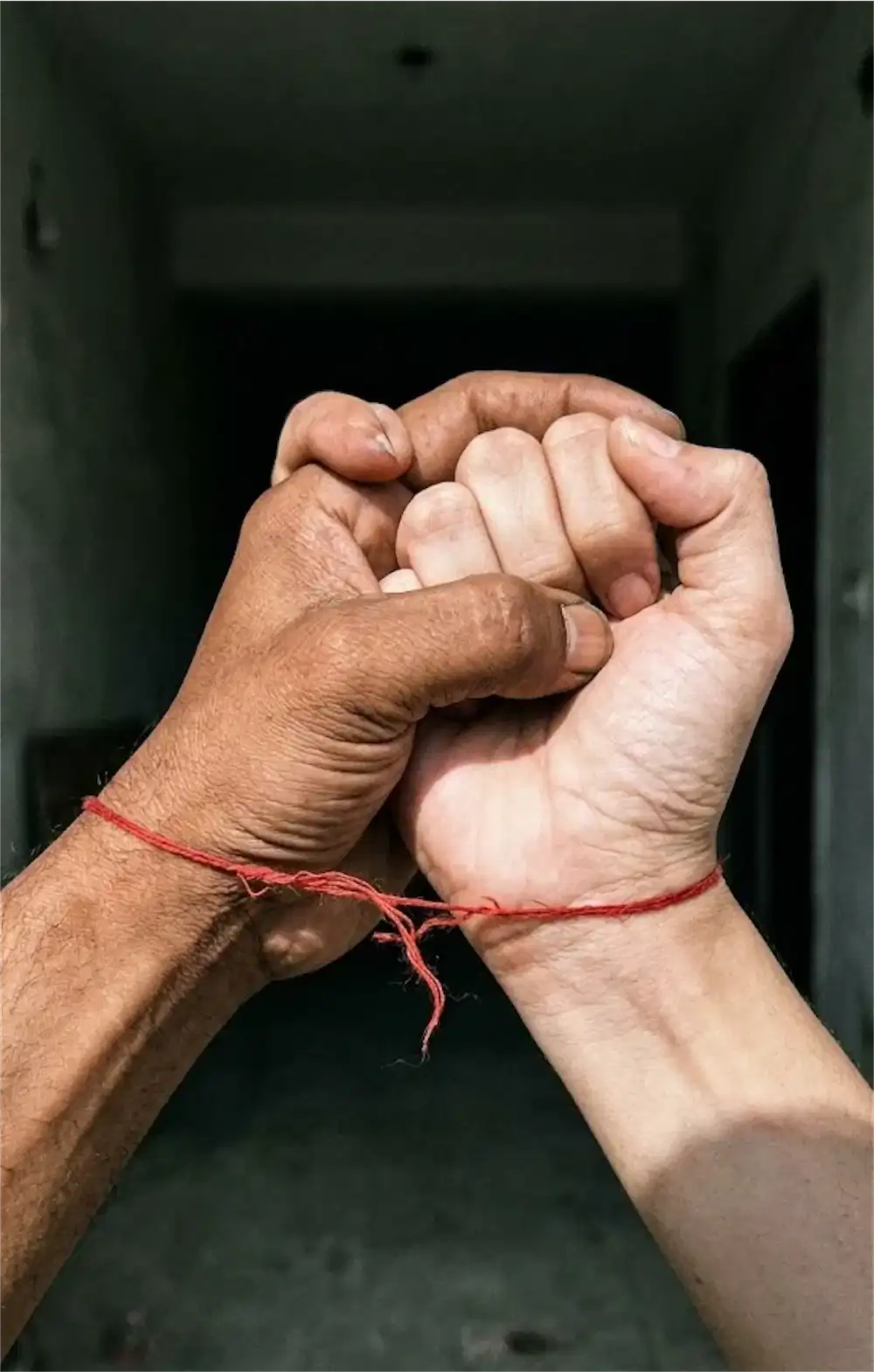
A toxic partner isolates you to systematically remove your reality checks, making you entirely dependent on them for validation, safety, and truth. By cutting off your friends and family, they ensure there is no one left to point out the manipulation or help you leave.
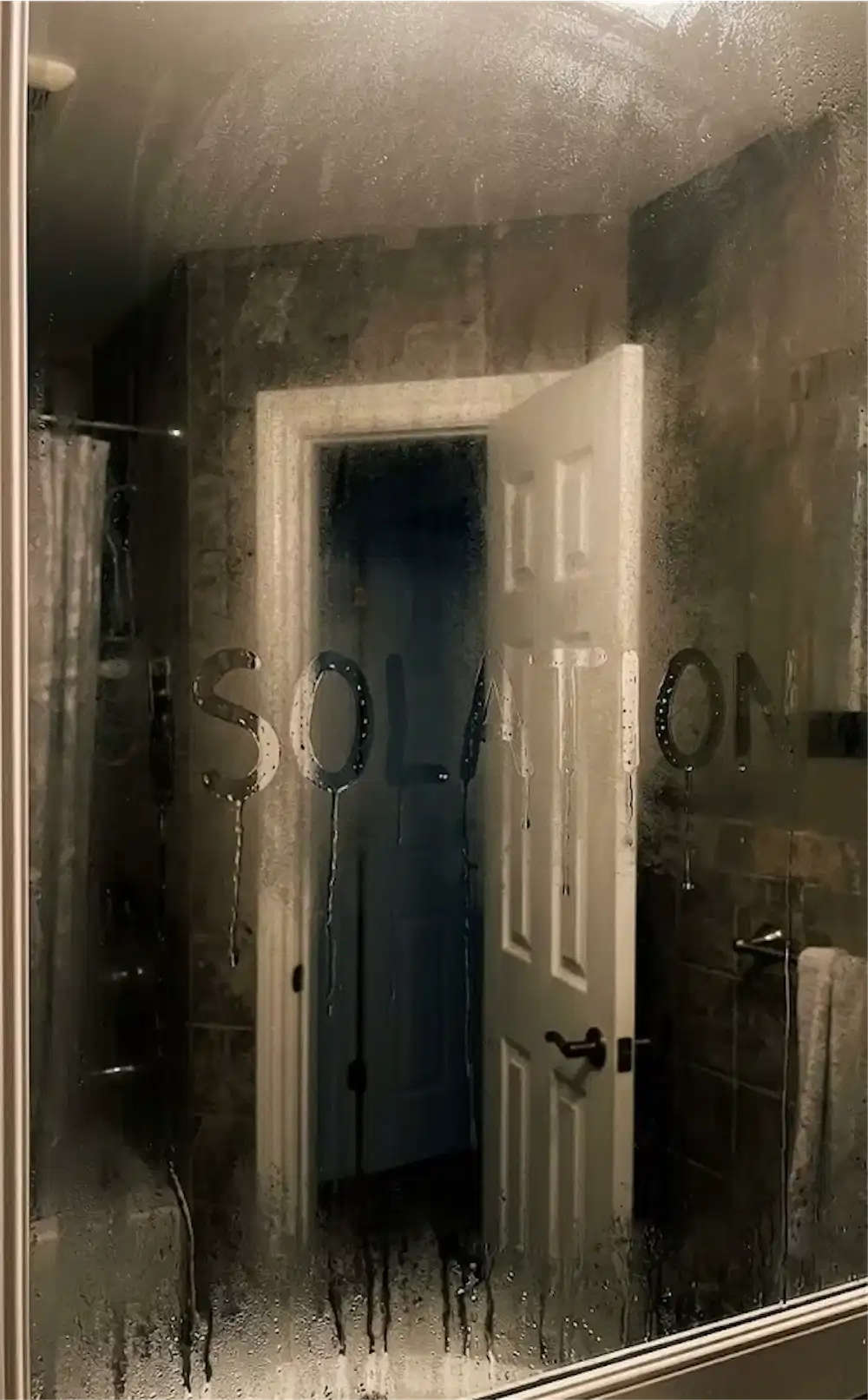
During my twelve-year relationship, my world shrank until it was just the two of us. My partner would make face-to-face gatherings miserable or accuse me of flirting if I talked to anyone else. Over time, it simply felt easier to decline invitations than to pay the heavy emotional price afterward. This is a classic tactic because a solitary target is much easier to control.
When you have no external sounding board, the gaslighting works much faster. You begin to accept their skewed version of reality because there is no one else around to say, “No, that is not how healthy couples treat each other.” Recognizing this pattern is a massive step in your narcissistic abuse recovery because it helps you realize the isolation was never your fault.
Reaching Out to the Connections You Lost
When the fog finally begins to clear, you might feel too embarrassed to reach out to old friends. You might assume they are angry with you, or that too much time has passed to repair the damage. What if they reject you?
In my own recovery, I was terrified to send that first text message. But what I discovered was that true friends are usually just waiting for you to come back. They often saw the red flags years ago but stepped back to avoid pushing you further into your ex’s grip.
Start with a simple, honest message without overcomplicating things. You do not need to share a highly detailed history of the trauma immediately. A gentle, brief message is perfect:
“Hey, I have been going through a really difficult time and had to step away from my life for a while, but I have missed you so much and would love to grab a coffee to catch up.”
Reopening these old channels is a vital part of healing loneliness after a toxic breakup. Give your old friends some space to process your return, and remember that while some relationships may take time to repair, others will click right back into place immediately.
Before looking at how to make entirely new connections, we must address the underlying habits that make us vulnerable to these situations. If you want a clear, step-by-step framework to stop people-pleasing, establish solid boundaries, and safely reclaim your personal life, this practical workbook is the exact resource you need.
How to Make Friends After Isolation
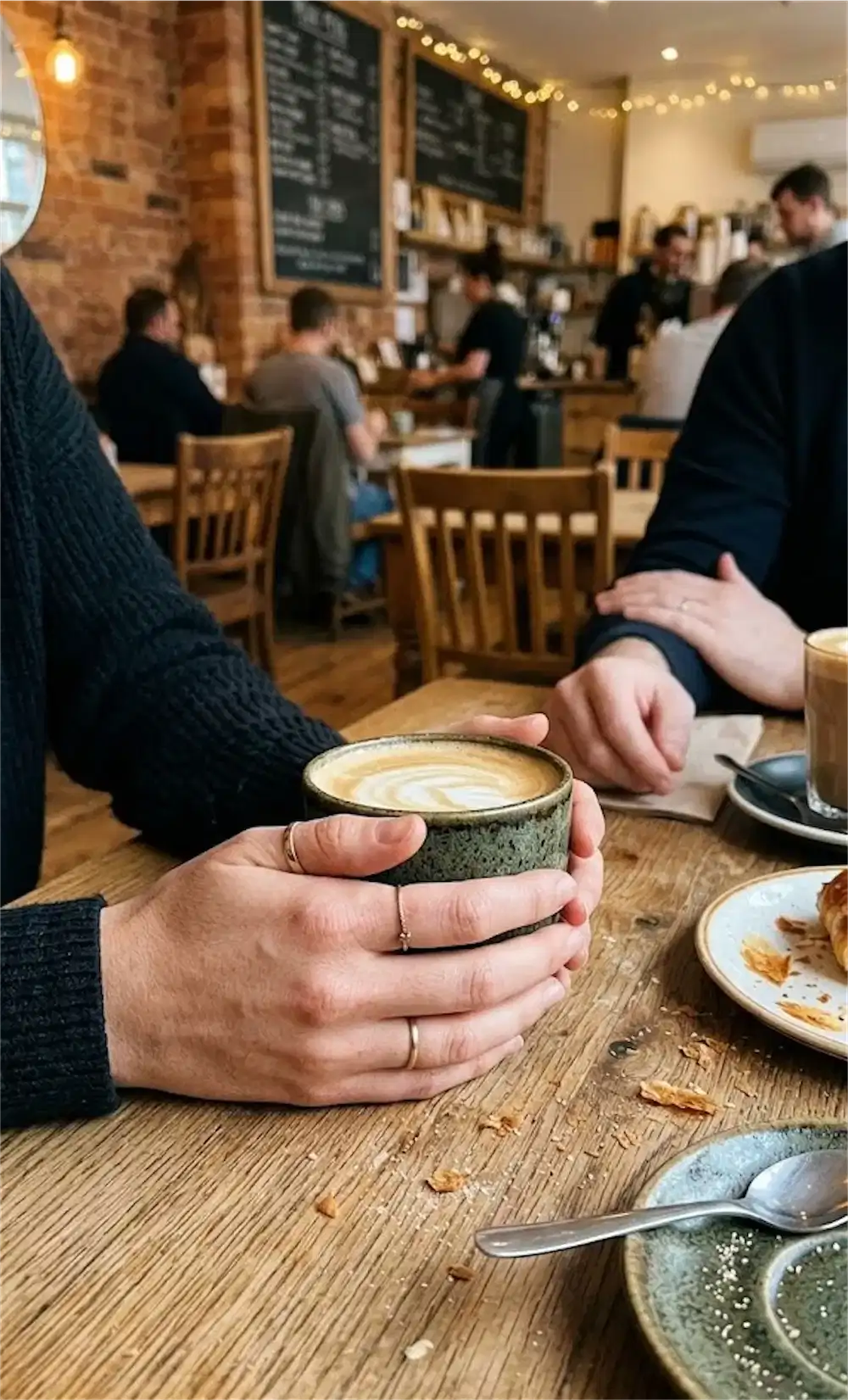
If you had to relocate, or if your old connections cannot be rebuilt, you must learn how to make friends after isolation from the ground up. This can feel incredibly intimidating when your social skills have atrophied after years of hiding at home. How do you start talking to people again?
To begin, you do not need to search for a best friend right away. Focus instead on low-pressure, shared-interest environments where you can interact with people naturally without feeling pressured to share your personal history.
Here are a few practical ways to begin expanding your circle:
- Join local hobby groups: Look for book clubs, hiking groups, pottery classes, or run clubs where the main focus is on the activity, not on you.
- Attend support groups: Finding a local or online support group for survivors of emotional abuse can instantly connect you with people who truly understand your experience.
- Volunteer for a cause: Helping at an animal shelter or a local community garden connects you with kind-hearted individuals who share your values.
According to research on trauma and social connection published by Psychology Today, building supportive social bonds after traumatic experiences is essential for regulating our nervous system and reducing post-separation anxiety. Taking tiny, consistent steps every single week will slowly rebuild your confidence.
Learning to Set Boundaries with Your New Circle
As you focus on rebuilding life after a toxic relationship, you might find yourself slipping back into old, codependent habits. When we are desperate for connection, we might overlook red flags just to feel included or liked.
When I first started socializing after my twelve-year relationship, I wanted to fix everyone else’s problems because caretaking was the only way I knew how to connect. I had to learn that true friendship is a balanced exchange, not an endless cycle of over-giving.
Watch out for people who dump all their personal drama on you immediately or try to rush the friendship. Healthy relationships are built slowly, block by block, over weeks and months, rather than in intense bursts of instant closeness.
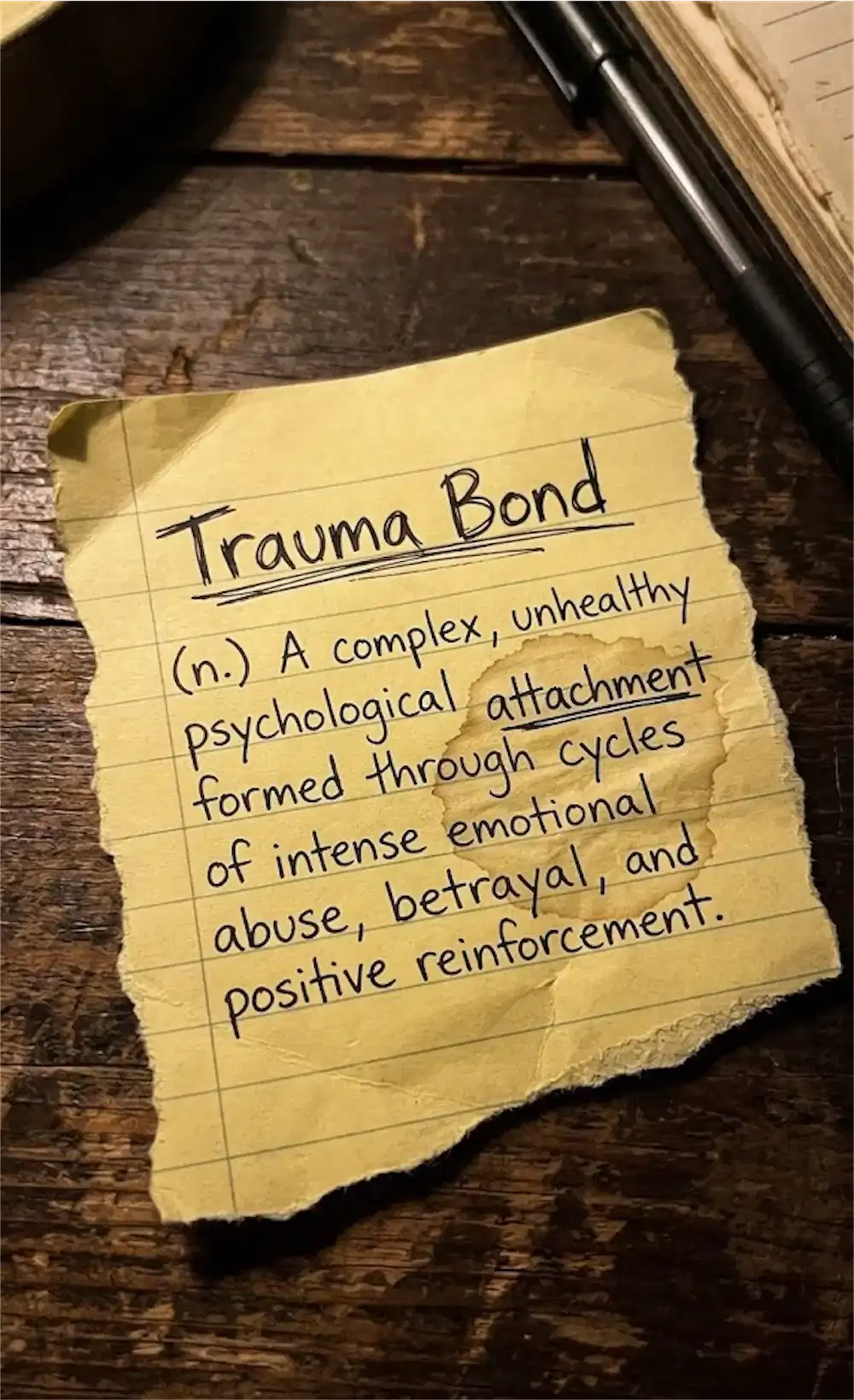
If you find yourself constantly worrying about what others think, it is a sign that your trauma bond recovery is still ongoing. You can explore how to manage these feelings by reading our guide on how to rebuild self-worth, which focuses on reclaiming your personal power.
Building a solid support system from nothing is not a race. It is a slow, beautiful process of choosing exactly who gets to be in your space, and you have complete control over the pace. Take a deep breath and remember that you are allowed to take up space in this world again.
If you are ready to take the next step toward reclaiming your identity, protecting your energy, and breaking free from people-pleasing patterns, download The Codependency Recovery Plan today to start your path back to yourself.
Meet Your Guide
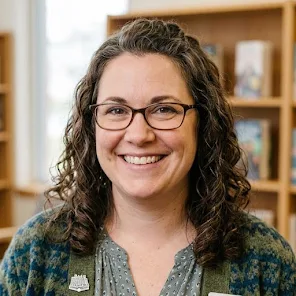
Helen Brooks
After surviving a 12-year NPD/BPD relationship, I dedicated over a decade to studying trauma bonding and nervous system recovery. My mission is to help you break free from the fog and reclaim your authentic self.
Ready to break the trauma bond and reclaim your life?