20 Science-Based Affirmations for Emotional Regulation After a Toxic Breakup
When I walked away from 12 years with someone who had both narcissistic and borderline traits, I felt like a shell. Empty. Hollowed out. I didn’t recognize my own voice anymore. If you told me to “just use positive affirmations,” I would have laughed (or cried). But here’s the thing: the affirmations that actually helped me weren’t about pretending everything was fine. They were about regulating my nervous system, rewiring my brain, and reminding me who I was before I became someone’s emotional supply.
Let’s talk about affirmations that actually work, backed by neuroscience and psychology, not Instagram quotes.
Why Your Brain Needs Affirmations After Narcissistic Abuse

Affirmations stimulate brain regions related to emotional control and self-concept, which is exactly what gets damaged in a toxic relationship. During my 12 years, my prefrontal cortex (the part responsible for rational thought) was constantly overridden by my amygdala (the fear center). I was living in survival mode.
Self-affirmation is a well-studied psychological intervention with measurable benefits for well-being and behavior. This isn’t woo-woo thinking. Emotion regulation involves particular areas of the anterior prefrontal cortex, and the more people activate these brain regions, the more resilient they are to experiencing something negative.
After leaving my ex, I needed to rebuild neural pathways that had been eroded by gaslighting, intermittent reinforcement, and constant emotional chaos. Affirmations became one tool (not the only one, but an important one) in that rebuilding process.
How Self-Affirmation Theory Protects Your Self-Integrity
Self-Affirmation Theory posits that people prioritize overall self-worth, allowing flexibility in affirming alternative domains to restore integrity. Translation? When your ex destroyed your confidence in relationships, you could affirm your worth as a friend, a professional, a creative person. You’re not one-dimensional.
Self-integrity refers to the belief that one is a moral, competent person capable of controlling their life outcomes, and individuals often respond to threats through cognitive reframing or self-affirmation. For me, this meant reminding myself daily that I wasn’t the problem. That I wasn’t “too sensitive” or “crazy.” That my reality was valid.
The beauty of self-affirmation after narcissistic abuse? Thinking about important values helps people realize they have many sources of self-regard, making a threatening event seem more surmountable. When I remembered I was a good friend, a dedicated worker, and someone who valued kindness, the breakup felt less like total annihilation.
If you want to understand the broader context of healing, check out my article on self-healing tips for narcissistic abuse survivors.
20 Affirmations for Emotional Regulation (Organized by Category)

These aren’t generic “I am enough” statements (though that one’s fine, too). These are designed to target specific cognitive distortions and nervous system dysregulation that come with narcissistic and BPD abuse recovery.
Affirmations for Nervous System Regulation
- “My body is safe, even when my mind feels anxious.”
This one helped me separate trauma responses from actual danger. My nervous system was stuck in fight-or-flight for years. - “I can feel my emotions without being consumed by them.”
Emotional flooding was my norm. Learning that I could observe feelings changed everything. - “My feelings are valid, even if they were dismissed before.”
Gaslighting made me doubt my own emotional reality. This affirmation was permission to trust myself again. - “I don’t need to react immediately; I can pause and choose my response.”
Reactive abuse was real in my relationship. I had to learn I could take a breath. - “My nervous system is recalibrating, and that’s okay.”
Healing isn’t linear. Some days I was calm; some days I was a wreck. Both were part of recovery.
Affirmations for Rebuilding Self-Worth
- “I am not defined by how someone else treated me.”
My ex’s contempt didn’t reflect my value. It reflected their pathology. - “I deserve relationships where I am respected and valued.”
This felt impossible to believe at first. But I said it anyway. - “My needs are not ‘too much’ or unreasonable.”
I spent years being told I was needy. I wasn’t. I just had basic human needs. - “I am whole without someone else’s validation.”
Codependency had me addicted to their approval. I had to re-learn self-validation. - “I am allowed to take up space.”
Literally and metaphorically. My voice mattered. My presence mattered.
Affirmations for Cognitive Reframing
- “What happened to me was not my fault.”
Victim-blaming (including self-blame) kept me stuck. This was truth. - “I can grieve the relationship I thought I had, not the one I actually had.”
I was mourning a fantasy. Reality was abusive. This distinction mattered. - “My worth is not tied to their opinion of me.”
They called me names, questioned my sanity, criticized everything. None of it was true. - “I can trust my perception of reality.”
Gaslighting destroyed this. Rebuilding it required daily affirmation. - “Not everyone will hurt me the way they did.”
Hypervigilance made me expect betrayal everywhere. Most people aren’t like my ex.
Affirmations for Boundary Setting
- “No contact is an act of self-love, not punishment.”
I felt guilty for blocking them. This reframe was essential. Learn more about why no contact works. - “I don’t owe explanations for my boundaries.”
JADE (Justify, Argue, Defend, Explain) was my default. Not anymore. - “Saying no doesn’t make me selfish.”
People-pleasing was survival in my relationship. Saying no felt dangerous. It wasn’t. - “I can protect myself without feeling guilty.”
Guilt was their weapon. I had to unlearn it. - “My peace is more important than their feelings.”
This one was hard. But true.
Affirmation for Future Growth
- “I am not broken; I am healing.”
There’s a difference. Broken implies irreparable. Healing implies progress.
How to Actually Use Affirmations (Not Just Say Them)

Look, you can’t just robotically repeat these in the mirror and expect magic. Here’s what actually worked for me:
Write them down. Effective affirmations require regular practice to create new brain pathways and alter behavior. I kept an affirmation journal by my bed and wrote three affirmations every morning. Handwriting engages the brain differently than typing. For more on this practice, read about morning pages to heal trauma bonds.
Pair them with grounding. Affirmations work better when your nervous system isn’t in panic mode. I’d do box breathing (4 counts in, 4 hold, 4 out, 4 hold) before saying my affirmations. A weighted blanket or grounding stones helped too.
Don’t force belief. You don’t have to believe them immediately. I didn’t. But repetition creates neural pathways. Self-affirmation produces significant improvements in self-perception, general and social well-being, and reduced anxiety and negative mood. It took months before “I am not defined by how someone else treated me” felt true. But eventually, it did.
Use them as interrupts. When intrusive thoughts about my ex showed up (and they did, constantly), I’d interrupt them with an affirmation. “My worth is not tied to their opinion of me” became a mental redirect.
Combine with therapy. Affirmations are tools, not replacements for professional help. I used them alongside EMDR and somatic therapy. They worked together.
The Neuroscience Behind Why This Works
Self-affirmation activates brain systems associated with self-related processing and reward. When you affirm your values, you’re literally lighting up reward centers in your brain. This is why it feels good (eventually).
Practicing self-affirmation led to greater high-frequency heart rate variability (better emotional regulation), greater respiratory sinus arrhythmia, lower maximum heart rate during negative emotion, and lower ratings of negative affect. Your body physically calms down.
This was huge for me. I had panic attacks multiple times a week. Affirmations (combined with breathwork) helped regulate my autonomic nervous system. I wasn’t just thinking different thoughts; my body was responding differently.
Research from Nature Neuroscience shows that emotion regulation strategies can rewire brain circuits over time. The anterior prefrontal cortex (responsible for abstract thought and future planning) gets stronger with practice.
What Didn’t Work (Let’s Be Honest)
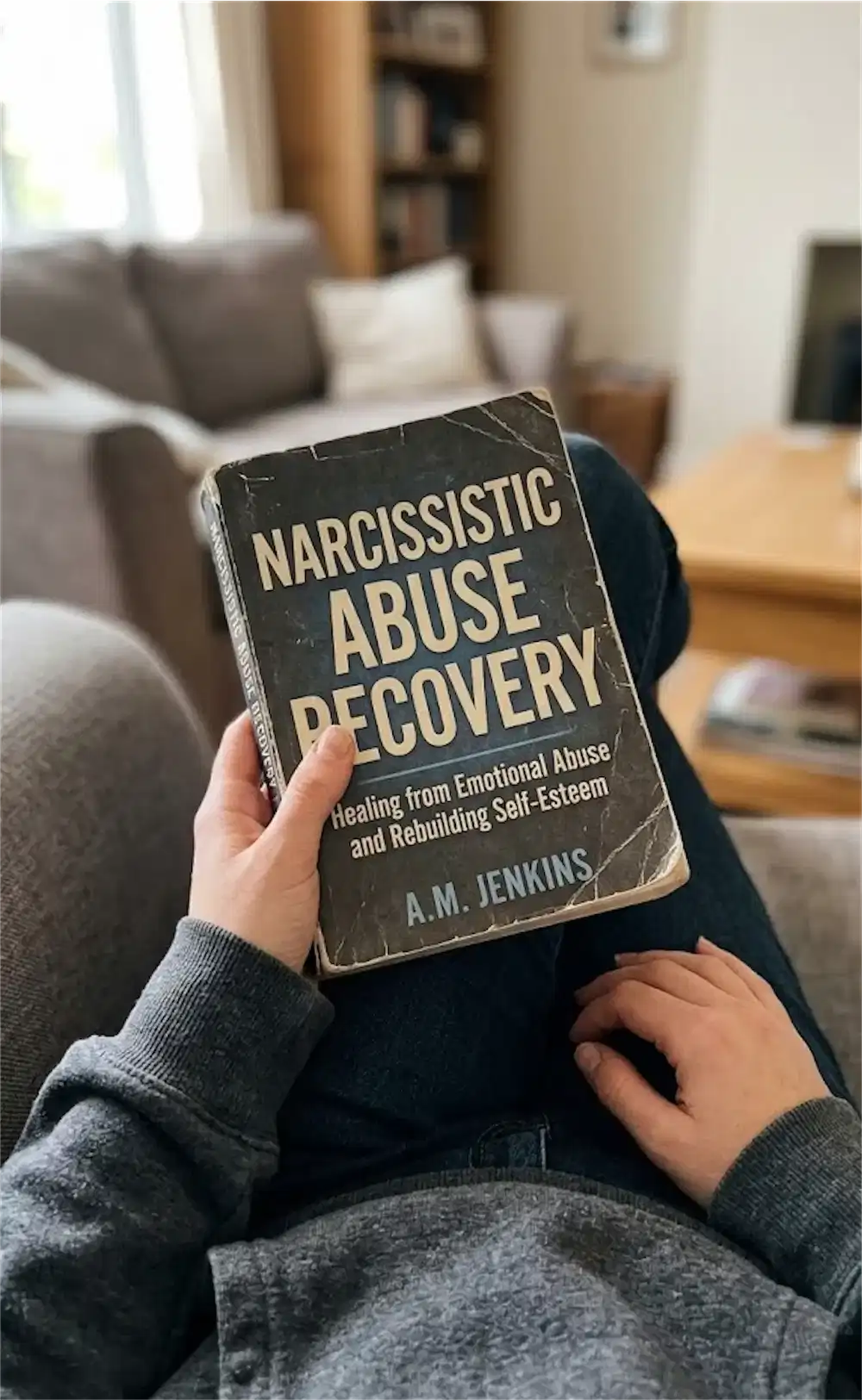
Not all affirmations are created equal. Here’s what flopped for me:
Toxic positivity statements. “Everything happens for a reason” or “I’m grateful for the lesson” made me want to scream. No. Abuse isn’t a lesson. It’s trauma. Don’t spiritually bypass.
Affirmations that felt too far from reality. “I am completely healed” when I was three months out? Nope. My brain rejected it. Start where you are. “I am healing” felt believable.
Using affirmations to avoid feelings. Affirmations aren’t emotional suppression tools. If you need to cry, cry. If you’re angry, feel it. Affirmations help you *regulate* emotions, not bypass them.
Affirmations can backfire if they reinforce biases or are related to the same domain as the threat. For example, affirming “I’m great at relationships” right after a devastating breakup? That felt like a lie. Affirming “I’m a loyal friend” or “I’m creative”? That worked.
Tools and Resources to Support Your Practice
Affirmations work best as part of a broader healing toolkit. Here’s what helped me:
- The Body Keeps the Score by Bessel van der Kolk – Essential reading on trauma and the nervous system.
- Complex PTSD: From Surviving to Thriving by Pete Walker – Practical tools for emotional regulation.
- Psychopath Free by Jackson MacKenzie – Validation and recovery strategies for survivors.
- Meditation apps – Headspace, Calm, or Insight Timer for guided affirmation meditations.
- Trauma recovery workbooks – Structured exercises to complement affirmations.
For more tailored guidance, explore my recovery tools page and recommended books.
When to Seek Professional Help
Affirmations are powerful, but they’re not therapy. If you’re experiencing:
- Suicidal ideation
- Severe dissociation
- Inability to function in daily life
- Flashbacks or intrusive memories that feel unmanageable
Please reach out to a trauma-informed therapist. The Psychology Today therapist directory is a good starting point. Look for practitioners trained in EMDR, somatic experiencing, or Internal Family Systems (IFS).
Emotion regulation plays a central role in various mental disorders, including PTSD. Professional support can help you address deeper trauma patterns that affirmations alone can’t fix.
Final Thoughts: Affirmations Are Seeds, Not Instant Fixes
After 12 years of being told I was the problem, affirmations felt foreign. Awkward. Sometimes ridiculous. But I kept going because I had nothing to lose. And slowly, imperceptibly at first, they started to shift something inside me.
I’m not “cured.” Healing from narcissistic and BPD abuse doesn’t work that way. But I’m no longer that person who couldn’t trust her own feelings. I’m no longer walking on eggshells in my own mind. Affirmations were one thread in the tapestry of my recovery, woven alongside therapy, no contact, community, and time.
Start small. Pick one affirmation from this list. Write it down. Say it when you brush your teeth. Let it be imperfect. Let yourself not believe it yet. That’s okay. You’re planting seeds.
And one day, you’ll wake up and realize some of them have taken root.
Recommended Resources
- Self-Compassion by Kristin Neff – Learn to talk to yourself with kindness.
- Guided healing journals – Structured prompts for processing emotions.
- Vagus nerve stimulation tools – Calm your nervous system alongside affirmations.
For daily support, follow trauma-informed accounts on social media, join survivor communities (r/NarcissisticAbuse on Reddit is solid), and remember: you’re not alone in this.
Check out related articles on journaling prompts after a narcissist breakup and morning routines for NPD breakup recovery.

Meet Your Guide
Helen Brooks
After surviving a 12-year NPD/BPD relationship, I dedicated over a decade to studying trauma bonding and nervous system recovery. My mission is to help you break free from the fog and reclaim your authentic self.
Ready to break the trauma bond and reclaim your life?