How to Find Your Passion and Purpose Again After It Was Drained by a Toxic Partner
Finding your passion and purpose again after a toxic relationship is one of the most painful, quiet challenges of the recovery journey. Many survivors who are wondering how to find your passion and purpose again after it was drained by a toxic partner feel like a hollow shell of who they used to be. When your daily life revolves around surviving emotional chaos, your personal dreams simply fade away.
I remember sitting on my living room floor after escaping my own twelve year relationship with a partner who struggled with severe narcissistic and borderline personality traits. I had no friends left, my old hobbies seemed pointless, and I could not even choose what to eat for dinner without feeling a wave of panic. My mind was completely occupied by the memory of the trauma, leaving no room for creativity or excitement.
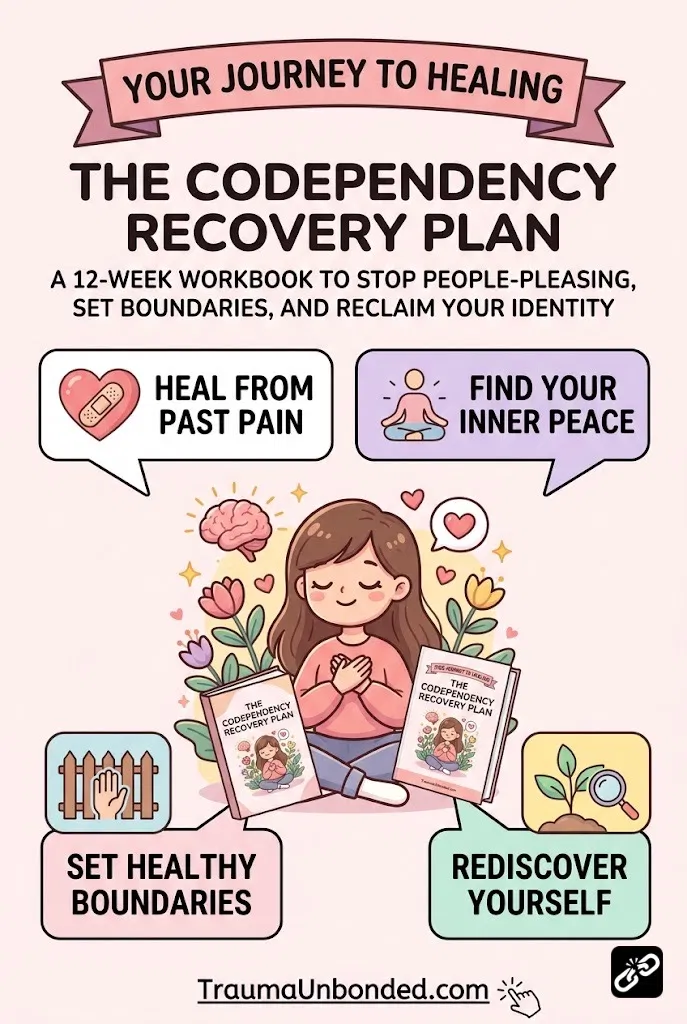
Reclaiming your life requires slow, deliberate steps toward understanding why you lost your identity in the first place. Rebuilding after such profound emotional depletion takes time, and structured tools like The Codependency Recovery Plan can offer a reliable roadmap to help you stop people-pleasing and start remembering who you are.
Why Does a Toxic Partner Drain Your Passion and Purpose?
A toxic partner drains your passion and purpose by keeping your nervous system in a constant state of survival, forcing you to focus entirely on their erratic emotional needs rather than your own personal growth and desires.
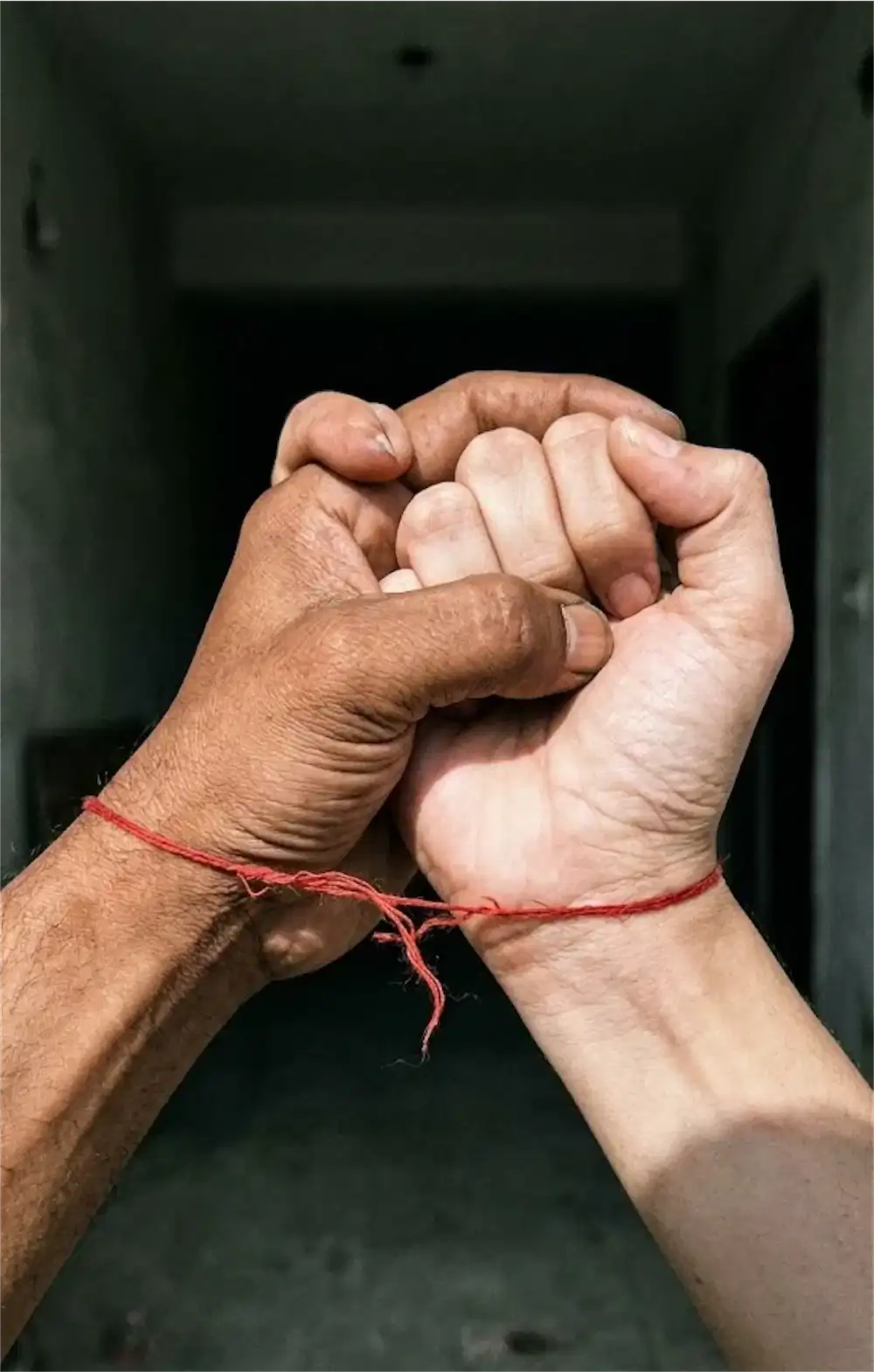
In a healthy relationship, partners support each other’s interests. In a toxic dynamic, your hobbies and ambitions are treated as threats to the partner’s control. If you spend hours painting, reading, or visiting friends, a narcissistic or borderline partner often reacts with resentment, subtle insults, or sudden crises to pull your attention back to them. Why try to learn a new language or go to the gym when you know it will trigger a three-day silent treatment?
Over a decade of this treatment teaches your brain that having independent interests is dangerous. You learn to suppress your desires to keep the peace. This survival mechanism creates a powerful trauma bond biochemical addiction, where your brain chemistry becomes wired to seek safety rather than satisfaction. You slowly stop doing the things you love because the emotional tax is simply too high.
This persistent stress does more than just tire you out. A study on relationship recovery published on Psychology Today explains how toxic relationships erode your sense of agency, making it difficult to recognize your own preferences once the partner is gone [1]. You are left with a quiet mind that has forgotten how to choose joy because it spent so long choosing survival.
To break free from this mental prison, you have to actively address the underlying habits that made you vulnerable to their emotional control. If you are ready to stop prioritizing everyone else and begin reconstructing your boundaries, this hands-on workbook is designed to guide you through the process of reclaiming your voice:
Steps to Reclaim Your Identity and Joy
When you are starting from zero, the idea of finding your life’s calling is incredibly overwhelming. You do not need to discover your ultimate destiny today. Instead, focus on small, low pressure experiments to wake up your dormant nervous system.
Here are several practical strategies to help you rebuild your identity slowly and safely:
- Perform a childhood interest audit: Think back to the years before you met your toxic ex. What did you love to do when no one was judging you? Whether it was drawing, riding bicycles, or collecting stones, these childhood sparks often point directly to your raw passions.
- Practice making tiny, zero-consequence decisions: When you are used to walking on eggshells, even picking a restaurant feels heavy. Practice choosing a different coffee flavor, walking down a new street, or wearing a color your ex disliked. This exercises your decision-making muscle without any risk of conflict.
- Embrace the “ugly draft” phase of hobbies: You do not have to be good at your new interests. Paint a terrible picture, write a messy journal entry, or play a song badly on an instrument. The goal is not perfection; it is the simple act of play, which was banned during your relationship.
As you try these activities, expect to feel a wave of guilt or anxiety. This is a normal part of the healing process. Your brain is still expecting a negative reaction from your ex. Remind yourself that you are safe now, and that learning to rebuild self-worth after a discard or a painful breakup is a non-linear process that requires deep patience with your own progress.
Grounded Steps to Rebuild Your Social Circle
A major reason you feel so drained is the isolation. Toxic partners slowly prune your friends and family away until they are your only source of reality. When the relationship ends, the silence can be deafening, making it hard to feel any sense of purpose.
Start reconnecting with people who feel safe and calm. You do not need a massive group of friends. One or two people who listen without judging can help ground you back in reality. If you feel nervous about reaching out to old friends you lost touch with, try sending a simple, honest text: “I have been through a difficult time and have been isolated, but I would love to grab a coffee and catch up if you are open to it.” You might be surprised by how willing people are to support you.
Finding your way back to yourself is not about magically becoming a brand new person overnight. It is about gently stripping away the heavy protective armor you had to wear just to survive your partner’s moods. Today, give yourself permission to do one small thing purely because you want to, not because it pleases anyone else. If you are looking for a gentle, structured way to begin this journey of self-rediscovery, consider working through The Codependency Recovery Plan to rebuild your boundaries and reclaim your authentic life.

Meet Your Guide
Helen Brooks
After surviving a 12-year NPD/BPD relationship, I dedicated over a decade to studying trauma bonding and nervous system recovery. My mission is to help you break free from the fog and reclaim your authentic self.
Ready to break the trauma bond and reclaim your life?