What to Do with Gifts and Keepsakes from a Toxic Ex: To Keep, Sell, or Throw Away?
Gifts and keepsakes from a toxic ex often clutter your physical and emotional space, keeping you tethered to a painful past. When you escape an emotionally abusive dynamic, your living space is likely filled with silent reminders of a life you had to leave behind. Learning how to handle items from an abusive partner is not just about home organization; it is a vital step in purging reminders of a narcissistic ex from your daily path.
For twelve long years, I was trapped in a relationship with a partner who displayed severe narcissistic and borderline traits. When the final discard happened, I was left completely isolated, my hobbies were long gone, and my house felt like a museum of my own survival. I kept love-bombing notes in my nightstand and wore jewelry that felt like heavy emotional anchors.
Every time I looked at those objects, my mind would spin back into the confusion of the relationship. I spent hours analyzing why someone who wrote such beautiful cards could turn so cruel. If you find yourself trapped in this loop, utilizing The Rumination Detox can help you quiet those obsessive thoughts and find the strength to let go of these physical reminders.
Why Keepsakes from a Toxic Partner Keep You Stuck in Trauma
Keeping physical items from a toxic relationship keeps your nervous system in a state of hyperarousal, triggering painful memories that feed a biochemical trauma bond. Removing these objects disrupts the reminder loops in your brain, allowing you to regain control over your emotional recovery.
Every object in your home holds an energetic charge. When you are healing from a toxic relationship, a simple watch or keychain is never just a watch or a keychain. It is a physical anchor to a deep trauma bond biochemical addiction that your brain is struggling to break.
During the initial phase of our relationship, my ex showered me with love-bombing gifts. These were intense, fast-paced offerings designed to make me feel incredibly special and dependent. Later, when the inevitable splitting occurred and I was treated like the enemy, those gifts became tools of control. They were physical reminders of the good times, used to convince me that the abuse was just in my head.
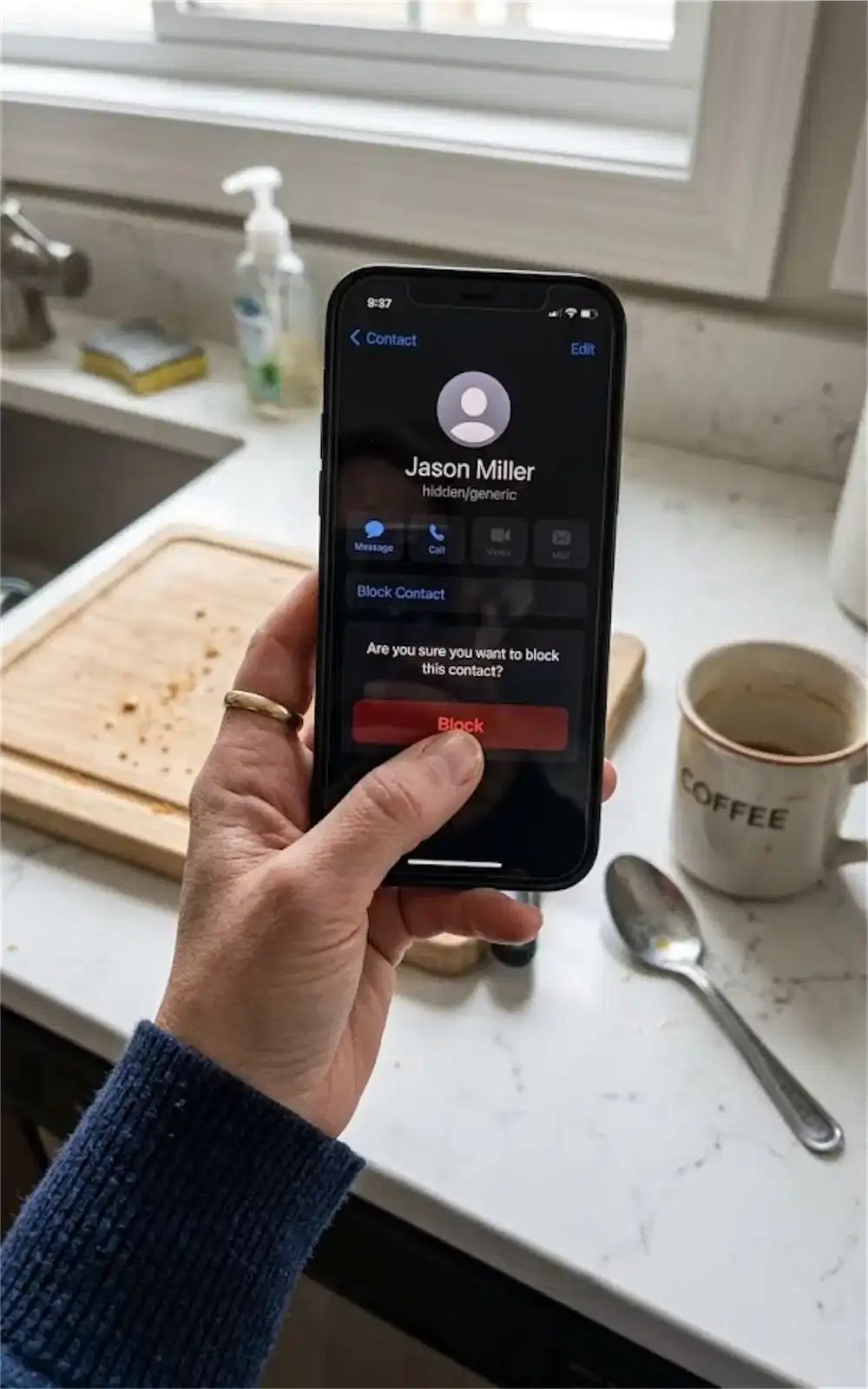
Whenever I tried to set a boundary, my ex would use hoovering tactics, trying to pull me back in with sentimental items or new presents. Looking at those gifts kept me trapped in intense cognitive dissonance after narcissistic abuse. Your brain tries to reconcile the generous partner who bought the gift with the abusive partner who humiliated you.
To Destroy, Burn, or Throw Away: Handling Highly Sentimental Triggers
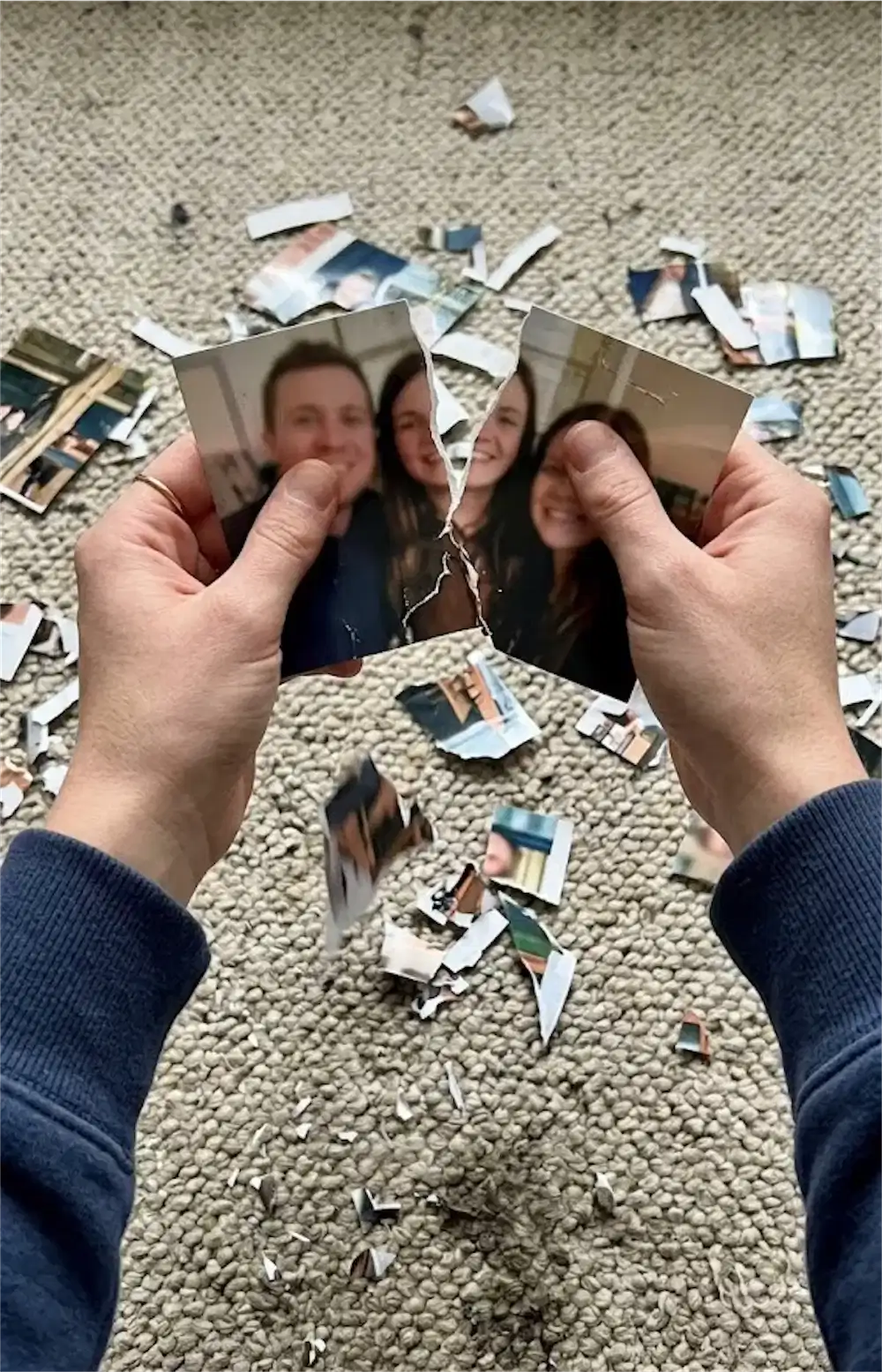
Some items are too emotionally poisoned to ever be kept, donated, or sold. Love letters, customized photo albums, and cardboard boxes of old movie tickets carry a heavy psychological weight. These items only serve to keep you stuck in a fantasy of what you wished the relationship could be.
In my own recovery, I had a pile of handwritten apology letters filled with empty promises. For months, I kept them tucked away, reading them whenever I doubted my decision to leave. One evening, after a raw session in therapy, I realized those letters were just keeping my nervous system in a constant state of panic. I took them to a backyard fire pit and watched them burn.
Tearing up old photos or tossing sentimental cards into the trash can feel incredibly intense, but it is an active reclamation of your sanity. Do not feel guilty for throwing away things that trigger your anxiety. Your peace of mind is worth far more than a pile of paper filled with lies.
If you find yourself constantly staring at these items, unable to let them go, your brain might be stuck in an obsessive trauma loop. To help you break this exhausting pattern, I highly recommend using a structured approach to detox your mind.
When to Sell or Donate: Turning Toxic Energy Into Real Cash
If your ex gifted you expensive jewelry, designer clothes, or high-end electronics, throwing them away might feel financially foolish. However, leaving them in your closet to gather dust is a subtle form of self-sabotage. Every time you open your closet and catch a glimpse of that designer purse, your body registers a micro-dose of stress.
Selling these items is a practical way to reclaim your power. I had a designer watch my ex bought me during a brief honeymoon phase of our relationship. It sat in my drawer for a year, a silent reminder of the constant eggshell-walking I endured. When I finally sold it online, the relief was instantaneous.
Take that cash and invest it directly into your healing. Use it to pay for therapy sessions, buy books on recovery, or register for a class to rediscover a hobby you lost during the relationship. If selling feels like too much work or brings up too much anxiety, donate the items. Let those objects go to someone who has no connection to your past, transforming that heavy energy into something useful for someone else.
Reclaiming Your Physical Space for Emotional Freedom
Your physical environment is a direct reflection of your internal state. When you are recovering from chronic emotional trauma, your home needs to be a safe sanctuary, not a minefield of emotional triggers. Keeping your home clean of your ex’s physical presence is a major part of your overall recovery.
According to research highlighted in Psychology Today, physical clutter bombards our minds with excessive stimuli, raising cortisol and keeping us trapped in a state of high stress. When that clutter consists of objects from a toxic ex, the psychological damage is doubled. Your brain is forced to process unresolved grief and fear every time you walk through your living room.
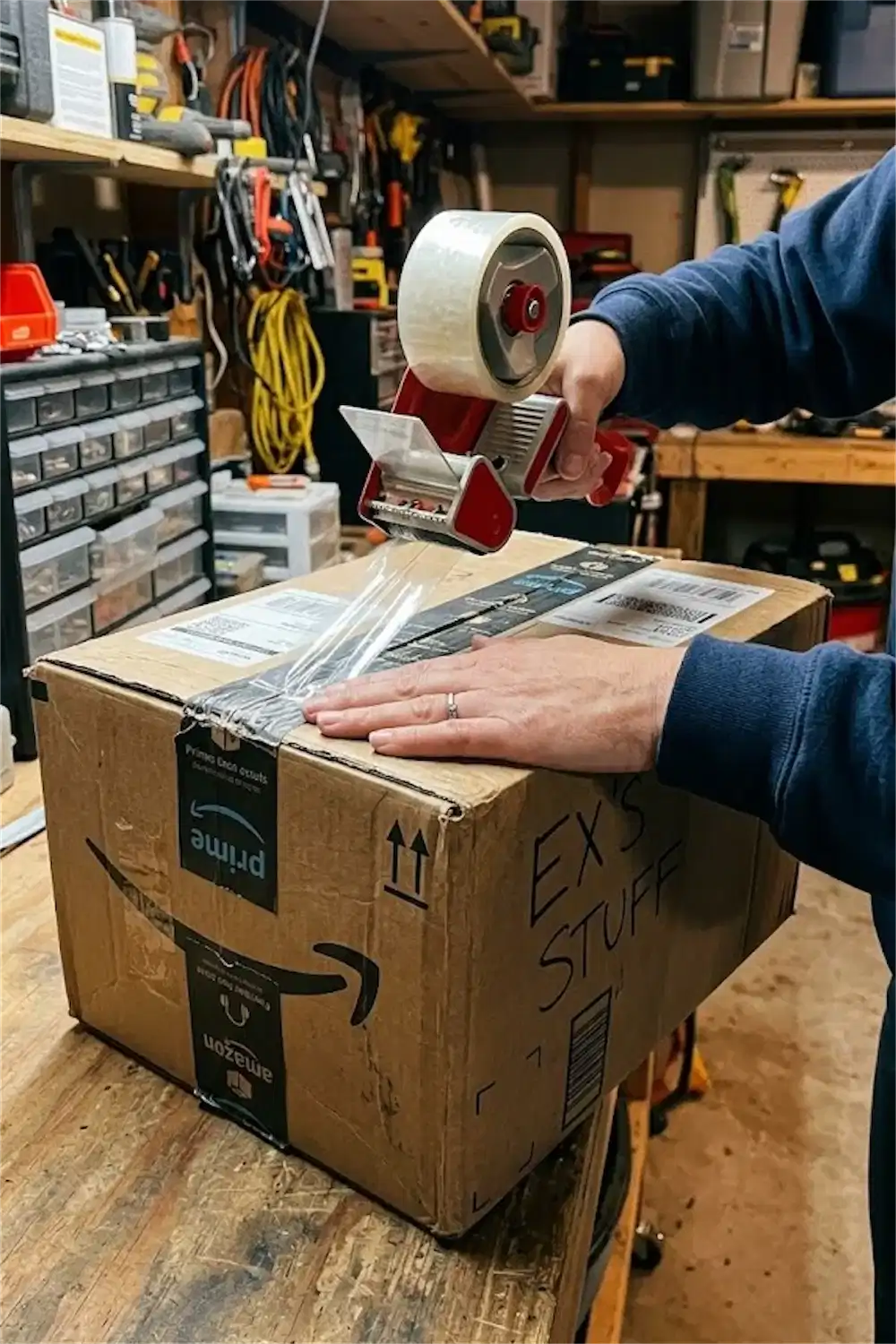
Letting go of these physical ties is a crucial part of maintaining strict no contact boundaries so you do not fall back into the trap. If you cannot bring yourself to throw everything away just yet, put the items in an opaque box and store it out of sight, like in a garage or attic. Give yourself a deadline of one month to make a final decision. You will likely find that once the items are out of your daily sight, your urge to hold onto them will fade.
Reclaiming your space is a beautiful, necessary step on your path back to your authentic self. You do not owe your past any loyalty, and you certainly do not need to keep physical proof of a relationship that cost you your peace. Your healing starts when your space belongs entirely to you again. For a step-by-step roadmap to quiet the obsessive mental noise and fully let go of these reminders, check out The Rumination Detox.

Meet Your Guide
Helen Brooks
After surviving a 12-year NPD/BPD relationship, I dedicated over a decade to studying trauma bonding and nervous system recovery. My mission is to help you break free from the fog and reclaim your authentic self.
Ready to break the trauma bond and reclaim your life?