Setting Boundaries with Narcissistic In-Laws Without Ruining Your Marriage
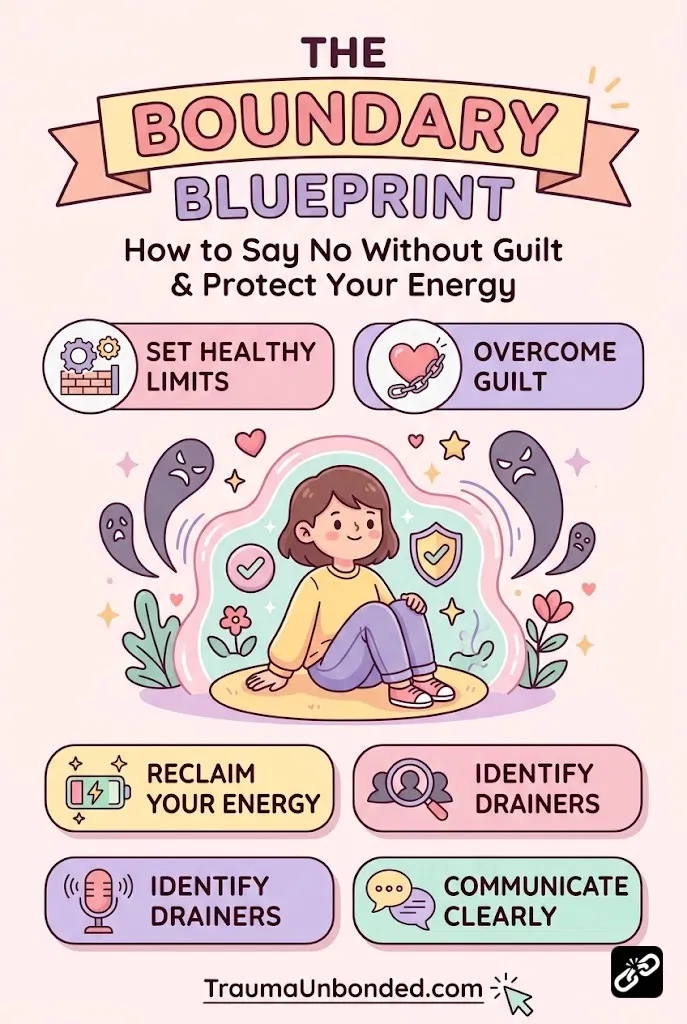
Learning setting boundaries with narcissistic in-laws is one of the most difficult hurdles you will face, especially when you are trying to keep your marriage strong. When you are dealing with toxic personalities who refuse to respect your space, knowing how to deal with toxic in-laws without ruining your marriage becomes a matter of emotional survival. During my 12 years in a toxic relationship with a partner who had both NPD and BPD traits, I learned how easily family interference can erode a couple’s peace. If you want to protect your relationship and keep your sanity, you need a clear, practical strategy that prevents external drama from entering your bedroom. It is entirely possible to shield your home, and utilizing The Boundary Blueprint can help you reclaim your personal space.
Living with constant criticism and unsolicited advice from your spouse’s parents is exhausting. You might find yourself arguing with your partner late into the night about things their parents said or did. How did a simple family dinner turn into a battlefield where your character is picked apart? When you are married to someone who grew up under the thumb of a narcissistic parent, the dynamics are deeply rooted. Your spouse may still be operating in a state of survival, trying to keep the peace at your expense.
To break this pattern, you must shift your focus from changing your in-laws to protecting your nuclear family. You cannot force a narcissist to respect you, but you can control what you allow into your home. This guide will walk you through concrete steps to build a protective wall around your relationship.
How Do Narcissistic In-Laws Affect Your Marriage?
Protecting your marriage from narcissistic in-laws requires establishing a united front with your partner to enforce firm limits on communication, visitations, and private topics. By refusing to engage in their drama and keeping your marital discussions confidential, you prevent external toxic behaviors from dismantling your relationship.

Narcissistic in-laws rarely attack openly. Instead, they use covert manipulation, subtle digs, and triangulation to create division. They might make backhanded compliments about your parenting, your career, or how you manage your household. In my own experience, these subtle criticisms felt like death by a thousand cuts, leaving me constantly second-guessing my worth. Over time, this constant dripping of poison makes you feel isolated from your own partner, who might tell you that you are simply overreacting.
According to a study on coping with narcissistic in-laws from Psychology Today, these toxic behaviors can erode marital satisfaction if left unchecked. They thrive on creating conflict because it gives them a sense of control and importance. If they can make your spouse choose between their childhood family and their new spouse, they win. They view your marriage not as a natural progression of life, but as a threat to their dominance over their adult child.
When you try to speak up, they often turn the tables on you. They will play the victim, claiming that you are trying to keep their child away from them. This is why standard advice like just having a heart-to-heart conversation never works with these personalities. They do not want harmony, they want compliance.
Why Traditional In-Law Advice Fails in Narcissistic Families
Most relationship columns advise you to talk out your differences over coffee or find common ground. This advice assumes that both parties are reasonable people who want a healthy connection. With a narcissistic father-in-law or mother-in-law, this approach is highly counterproductive. Any vulnerability you show will be used as ammunition against you later.
If you tell them that their comments hurt your feelings, they will not apologize. Instead, they will use your honesty to paint you as weak, unstable, or overly sensitive. To protect your peace, you must stop trying to earn their approval. Accepting that they will never change is the first step toward reclaiming your personal power.
Instead of seeking a warm, loving relationship that is simply not possible, shift your strategy. Your goal should be a polite but distant low-contact strategy that keeps them at arm’s length. This keeps your personal life private and starves them of the drama they seek.
If you feel exhausted from constantly defending your space and need step-by-step guidance to rebuild your emotional armor, this tailored resource is designed specifically to help you stand firm without feeling guilty.
Practical Steps for Setting Boundaries with Narcissistic In-Laws
To successfully shield your marriage, you and your spouse must act as a single unit. If your partner is still seeking their parent’s validation, they may struggle to hold the line. It is highly beneficial to have calm, honest conversations with your spouse when the in-laws are not around. Explain how their behaviors make you feel, focusing on your own emotions rather than directly attacking their parents.
Once you are on the same page, you can implement these clear guidelines to safeguard your home:
- Control the location: Meet on neutral ground, such as restaurants or parks, rather than hosting them at your house. This allows you to leave whenever you want.
- Limit communication channels: Encourage your spouse to handle all direct contact with their parents, and keep your own interactions limited to brief, polite updates.
- Protect your personal details: Stop sharing your financial plans, career decisions, or parenting choices. The less they know, the less they can criticize.
- Establish exit strategies: Agree on a subtle signal with your partner that means it is time to leave a family gathering immediately.
When you start implementing these limits, expect some pushback. Narcissists hate when their targets assert control. They may use guilt trips or try to make you feel like you are the problem. Standing your ground and setting boundaries without apologizing is crucial to showing them that their old tactics no longer work.
How to Deal with Triangulation and Drama
One of the most common tactics toxic in-laws use is triangulation. This happens when they tell your spouse one thing, tell you another, and try to make you both suspicious of each other. During my 12 years of survival in a toxic dynamic, I realized how much energy I wasted trying to clear my name from false accusations. During those years of isolation, I lost touch with friends and forgot my own hobbies because my energy was entirely consumed by managing this relentless friction.
If your in-laws try to bring up gossipy or hurtful topics, shut the conversation down calmly. You can say something like, “We are not going to discuss that today,” and change the subject. If they persist, excuse yourself from the room or end the phone call. Remember that silence is often your greatest weapon when dealing with manipulation.
If the situation becomes highly abusive, you may need to consider a strict narcissist no contact guide approach to keep your family safe. This is never an easy decision, but your primary responsibility is to protect your mental health and the health of your marriage. Your spouse’s parents had their chance to build a respectful relationship, and if they chose to misuse that opportunity, you are not obligated to keep tolerating their toxic presence.
Protecting Your Marital Sanctuary
At the end of the day, your home should be a peaceful sanctuary, not an extension of someone else’s emotional chaos. It took me years of therapy to understand that I did not owe my peace to my partner’s family. You do not have to sacrifice your mental health to keep an abusive family dynamic running. Reclaiming your joy starts with realizing that your marriage belongs to you and your partner alone, not to your in-laws.
You can break free from the cycle of constant dread and worry. Take it one day at a time, keep communication open with your partner, and remain consistent with your rules. If you are ready to take back your peace and protect your sanctuary, consider looking into The Boundary Blueprint to guide your steps.

Meet Your Guide
Helen Brooks
After surviving a 12-year NPD/BPD relationship, I dedicated over a decade to studying trauma bonding and nervous system recovery. My mission is to help you break free from the fog and reclaim your authentic self.
Ready to break the trauma bond and reclaim your life?