
The BIFF Method: How to Respond to Hostile Emails and Texts from a Co-Parent
Using the BIFF method helps you respond to hostile emails and texts from a co-parent without losing your sanity or falling back into old trauma patterns. When you are dealing with a high conflict co-parent, every incoming ping on your phone can feel like an emotional assault, leaving you wondering how to respond to hostile co parent emails without triggering a new wave of abuse. If you are struggling with daily digital combat, finding a structured way to handle these messages is essential to reclaiming your life.
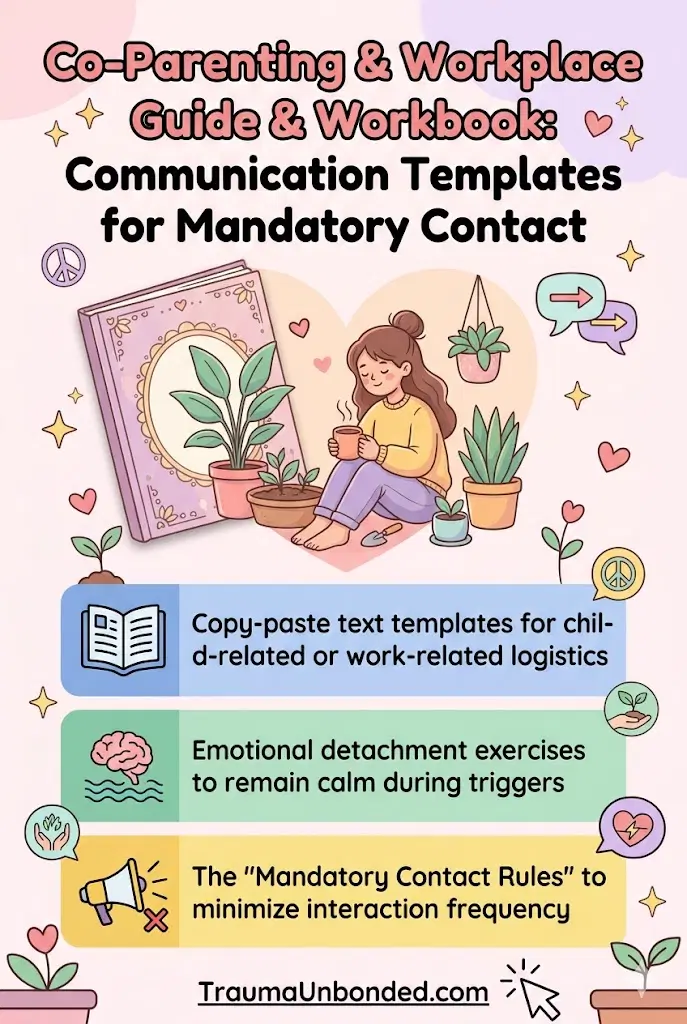
During my 12-year relationship with my ex-partner, who showed intense narcissistic and borderline traits, I was caught in a constant loop of over-explaining and defending myself. Every single text message was a landmine, and I spent hours drafting responses that only fueled their anger. To stop this exhausting cycle, I had to master targeted strategies, which you can read about in this practical Co-Parenting & Workplace Guide & Workbook.
After the breakup, I was completely devastated, isolated from friends, and felt like my life was absolutely miserable. But through professional therapy, I finally learned about codependency and trauma bonds, which helped me return to my original cheerful, optimistic, and grounded self. Now, I want to share the practical tools that saved my sanity, starting with how to change your digital boundaries.
What Is the BIFF Method for Co-Parent Communication?
The BIFF method is a structured communication strategy designed by Bill Eddy of the High Conflict Institute that stands for Brief, Informative, Friendly, and Firm. It provides a simple framework to respond to hostile texts, emails, and messages from high-conflict individuals without escalating arguments or revealing personal emotional triggers.
But how does this work in real life when you are dealing with a co-parent who knows exactly which buttons to push? When you are exhausted and constantly walking on eggshells, your natural instinct is either to fight back or to withdraw completely. The BIFF method offers a middle path that protects your peace of mind while keeping the focus entirely on your children.
How the BIFF Method De-Escalates Hostile Co-Parenting Messages

To use this strategy, you must strictly apply four key rules to every text, email, or message in your co-parenting app. Let us break down how each element acts as a shield against digital abuse:
- Brief: Keep your responses as short as possible. The fewer words you write, the less material your ex has to twist, analyze, or use against you. In my decade-long struggle, I learned that any response longer than two sentences was immediately weaponized. Stick to a single paragraph.
- Informative: Focus strictly on objective facts. Do not share your feelings, do not express frustration, and do not defend your character. If your co-parent accuses you of being selfish, ignore the insult entirely and only state the time of the child custody drop-off.
- Friendly: Maintain a neutral, business-like tone. A simple “Hello” or “Thank you for the update” is enough. You are not trying to be friends; you are simply maintaining a polite, professional boundary that gives them zero emotional fuel to burn.
- Firm: End the conversation cleanly. Do not leave room for endless negotiations or open-ended debates. State the necessary details, ask a yes-or-no question if a response is required, and make it clear that the matter is settled.
If you feel completely overwhelmed by the constant digital barrage and need ready-to-use scripts to handle high-conflict messages, we have designed a step-by-step roadmap to help you communicate safely. This practical workbook gives you the exact templates to shut down arguments instantly, allowing you to regain control over your inbox and your life.
Recognizing DARVO and Manipulation in Co-Parent Communication
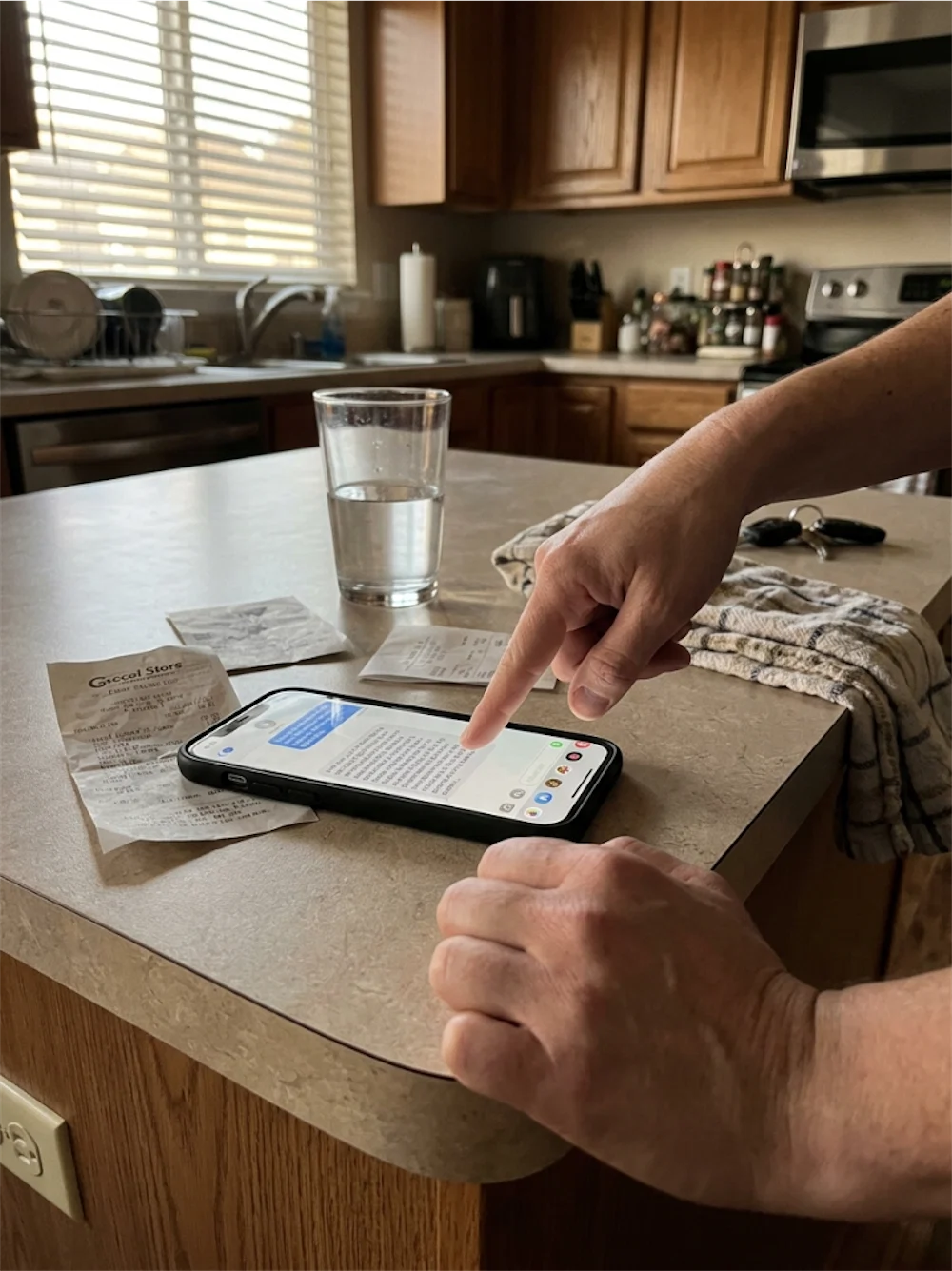
Why do high-conflict co-parents send such hostile messages in the first place? They do it to provoke a reaction, to shift blame, and to control you through fear and guilt. A common tactic is DARVO, which stands for Denying the behavior, Attacking you, and Reversing the Victim and Offender roles. When you try to set a simple boundary, they turn the tables to make you look like the abuser.
If you respond with anger or defensive explanations, you are giving them exactly what they want. This is why structured communication techniques recommended on Psychology Today are so helpful. Pairing these tools with a grey rock communication strategy allows you to keep your answers incredibly flat, boring, and free of emotional hooks.
Real-Life BIFF Method Examples for Co-Parenting
Let us look at a practical example of how to convert a hostile, blaming email into a clean, professional response. This is how you reclaim your power and prevent endless, stressful text arguments from taking over your week.
The Hostile Co-Parent Message: “You are always late for drop-offs, and you clearly do not care about our child’s schedule. You are selfish and lazy, just like you were during our relationship. I need to know if you are actually going to show up this Friday, or if you are going to ruin our plans again.”
Your natural impulse might be to reply with a long paragraph defending your past lateness, pointing out their own lateness, and explaining your busy work schedule. Instead, a successful response uses the BIFF method to cut through the noise:
The BIFF Response: “Hello. I will be at the designated drop-off location this Friday at 5:00 PM as scheduled in our parenting agreement. Thank you.”
Do you see how this response completely ignores the insults? It does not defend against the accusations. It provides only the factual details and closes the door on further debate. It gives them nothing to fight against.
Setting Up Digital Boundaries to Protect Your Sanity
Dealing with a high conflict co-parent means you cannot treat communication like a casual text conversation. You must establish strict personal rules for how and when you read and reply to their messages. If you respond to every ping instantly, you keep your nervous system in a constant state of fight-or-flight.
Consider implementing these digital boundaries to protect your mental health:
- Use a parenting app: Move all communication off your personal text messages and onto a court-approved parenting app. This keeps everything documented in one organized place and reduces the urge to engage in late-night texting.
- Schedule your reply times: Do not read messages the second they arrive. Set aside two specific times a day, perhaps once in the morning and once in the late afternoon, to check and respond to co-parenting emails.
- The 24-hour rule: Unless there is an emergency regarding your child’s immediate physical safety, wait at least a few hours, or even a full day, before replying to hostile messages. This gives your nervous system time to settle so you can write a clean, unemotional response.
When you shift toward a more structured parallel parenting setup, you reduce the direct contact points that your ex can use to disturb your peace. This transition is not easy, but it is necessary if you want to rebuild your life after surviving toxic abuse.
Reclaiming your life after a toxic relationship is a step-by-step journey, and learning how to protect your peace of mind is the first major step. By practicing the BIFF method, you stop feeding the conflict loop and force the communication to remain business-like. If you are ready to take full control of your boundaries and learn how to manage mandatory contact with a toxic ex, check out our comprehensive Co-Parenting & Workplace Guide & Workbook. You survived the storm, and you deserve to live a life free from digital harassment.

Meet Your Guide
Helen Brooks
After surviving a 12-year NPD/BPD relationship, I dedicated over a decade to studying trauma bonding and nervous system recovery. My mission is to help you break free from the fog and reclaim your authentic self.
Ready to break the trauma bond and reclaim your life?