Object Constancy in BPD Relationships: Why Separation Triggers Intense Panic
Object constancy in BPD relationships directly explains why separation triggers intense panic for individuals with borderline traits. When your partner struggles with this disorder, physical distance or brief emotional disconnections feel like absolute, permanent abandonment. If you have ever watched your partner spiral into a rage because you missed a single text message, you have witnessed this painful psychological phenomenon firsthand.
During my own 12-year toxic relationship with a partner who had both NPD and BPD traits, I experienced this chaos daily. I was constantly walking on eggshells, trying to reassure them that my love did not evaporate when I left the room. If you are currently dealing with the aftermath of this emotional volatility, reading a practical BPD breakup recovery guide can help you make sense of the dizzying highs and sudden drops.
This lack of emotional continuity makes it incredibly hard to maintain a stable connection. How can you build a healthy relationship when your partner cannot hold onto your love in your absence? Let us look closely at how this cognitive deficit operates and how it shapes the dynamic of borderline relationships.
What Is Lack of Object Constancy in BPD Relationships?
Lack of object constancy in BPD relationships is the psychological inability to maintain an internal representation of a partner’s love, presence, and positive feelings when they are physically absent, causing brief separations to feel like permanent abandonment.
For most adults, when their partner goes on a business trip or spends an evening with friends, they do not worry that the relationship is over. They have developed a stable mental representation of that person. This internal image acts as an emotional anchor, keeping the connection secure even when apart.
In borderline personality disorder, this emotional anchor is fragile or entirely missing. When you step out of their sight, the comforting memory of your love vanishes, replaced by an overwhelming void. Have you ever noticed how a partner with BPD seems to treat you like a complete stranger after a few days apart?
This is not a conscious choice to ignore your history together; it is a profound cognitive deficit. Because they cannot hold onto the positive feelings you shared yesterday, they react solely to the immediate present. If you are not actively showing them love right now, they feel entirely unloved, abandoned, and rejected.
Why Separation Triggers a Survival-Level Panic Response
To understand why this happens, we have to look at early childhood development. A classic article in Psychology Today explains that object constancy is a developmental milestone normally reached around age two or three. When a child fails to develop this milestone due to early trauma or chaotic attachment, they remain stuck in a state where absence equals permanent disappearance.
For a person with BPD, physical separation does not feel like a minor inconvenience. It triggers a primal, survival-level terror that mirrors the fear of a toddler left alone in a dark forest. This panic floods their nervous system with stress hormones, demanding immediate relief through constant contact or intense validation.
During my 12 years in this cycle, I watched my partner transition from calm to panicked in a matter of minutes. If I did not answer my phone on the second ring, they would send dozens of frantic, angry text messages. It felt like living with someone who was constantly drowning, desperate for any reassurance to keep their head above water.
This constant state of high alert eventually takes a massive toll on the partner. You begin to sacrifice your own hobbies, friends, and career goals just to keep the peace and prevent their panic. This dynamic lies at the heart of BPD relationship trauma recovery, where survivors must learn to untangle themselves from this hypervigilant caretaker role.
If you are struggling to rebuild your sense of self and heal from the constant panic of a borderline relationship, you do not have to walk this path alone. To help you break the cycle of emotional volatility and reclaim your mental freedom, I highly recommend using this specialized recovery workbook designed specifically for your situation.
How Lack of Object Constancy Drives the Cycle of Splitting
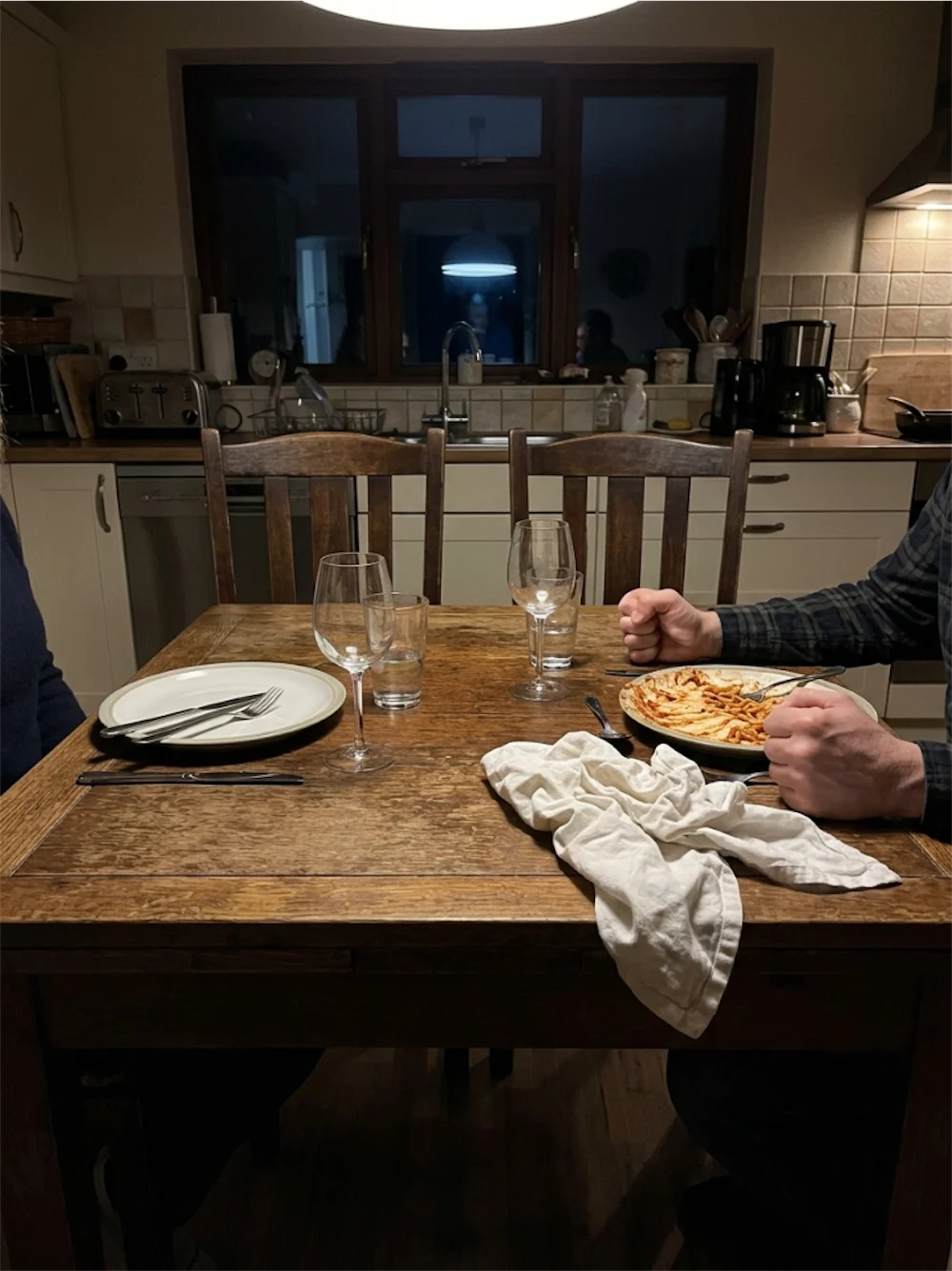
The lack of object constancy does not just cause anxiety during physical separation; it also drives a defense mechanism known as splitting. When someone splits, they view people and situations in black-and-white terms. You are either the perfect, loving savior or the cruel, malicious villain with no middle ground.
Without a stable, integrated memory of who you are, any small mistake you make erases your entire positive history. If you forget to pick up milk on the way home, they do not think, “My loving partner made a mistake.” Instead, they think, “They did this to hurt me, which means they never loved me.”
This sudden shift is deeply disorienting for the partner. You find yourself constantly defending your character against wild accusations, trying to prove that you are still the same caring person they loved an hour ago. This splitting behavior is especially prominent in those showing quiet BPD relationship signs, where the intense panic is turned inward rather than projected outward.
How to Protect Your Sanity and Reclaim Your Life
When you are caught in this emotional storm, your own mental health suffers drastically. After my relationship ended, I was devastated and completely isolated from friends. I had abandoned my hobbies and felt like my life was empty because I had spent over a decade acting as an emotional anchor for someone else.
Healing requires you to realize that you cannot fix someone else’s developmental wounds. You cannot provide enough reassurance to fill a bottomless well of abandonment panic. Here are some critical steps to begin protecting your sanity:
- Establish firm boundaries: Clearly communicate when you will be unavailable, and stick to your schedule without over-explaining.
- Stop over-reassuring: Offer a healthy, reasonable amount of validation, but do not feed the endless cycle of panic.
- Reconnect with your support system: Reach out to the friends and family you may have drifted away from during the relationship.
- Seek trauma-informed therapy: Work with a professional to understand why you were drawn to this caretaking role and how to break the trauma bond.
- Practice radical acceptance: Accept that your partner’s perception of you is a reflection of their internal struggles, not your actual worth.
Through therapy and focusing on my own codependency, I slowly began to return to my original self. I rediscovered my optimism, returned to my favorite hobbies, and finally felt grounded again. You can rebuild your life, but it starts with shifting your focus away from managing their panic and onto healing your own nervous system.
Understanding the lack of object constancy is the first step toward reclaiming your sanity and emotional independence. Recognizing that their panic is a developmental wound rather than a reflection of your actions can free you from the heavy burden of guilt. If you are ready to stop walking on eggshells and begin your own path to freedom, check out the specialized BPD breakup recovery guide to learn how to heal your mind, set unbreakable boundaries, and finally step off the emotional roller coaster.

Meet Your Guide
Helen Brooks
After surviving a 12-year NPD/BPD relationship, I dedicated over a decade to studying trauma bonding and nervous system recovery. My mission is to help you break free from the fog and reclaim your authentic self.
Ready to break the trauma bond and reclaim your life?