Radical No Contact: How to Block a Narcissist Without Guilt
When I finally hit the block button after 12 years of a toxic relationship, my hands were shaking. I felt like I was committing a crime. For over a decade, my life revolved around the moods and demands of a partner who showed both NPD and BPD traits. I had lost my friends, my hobbies were gone, and I felt like a shell of a person. I was miserable, isolated, and convinced that I was the problem. If you are feeling that same heavy weight of “what if I’m being mean?” or “what if they need me?”, I want you to know that I have been exactly where you are sitting right now.
Blocking isn’t about being cruel. It is about survival. I learned through professional therapy that the intense guilt I felt was actually a symptom of a trauma bond, not a reflection of my character. To truly heal, I had to follow a radical no-contact guide that removed the possibility of further manipulation. It wasn’t easy, but it was the only way I could ever find my way back to the cheerful, optimistic person I used to be before the 12 years of gaslighting took its toll.
Are you tired of waiting for a change that never comes? Do you find yourself checking your phone every five minutes, hoping for a kind text but fearing a rage-filled one? Radical no-contact is the process of shutting every single digital and physical door so you can finally hear your own voice again. It is the hardest thing you will ever do, but it is also the most necessary step toward reclaiming your sanity.
The Reality of Radical No Contact
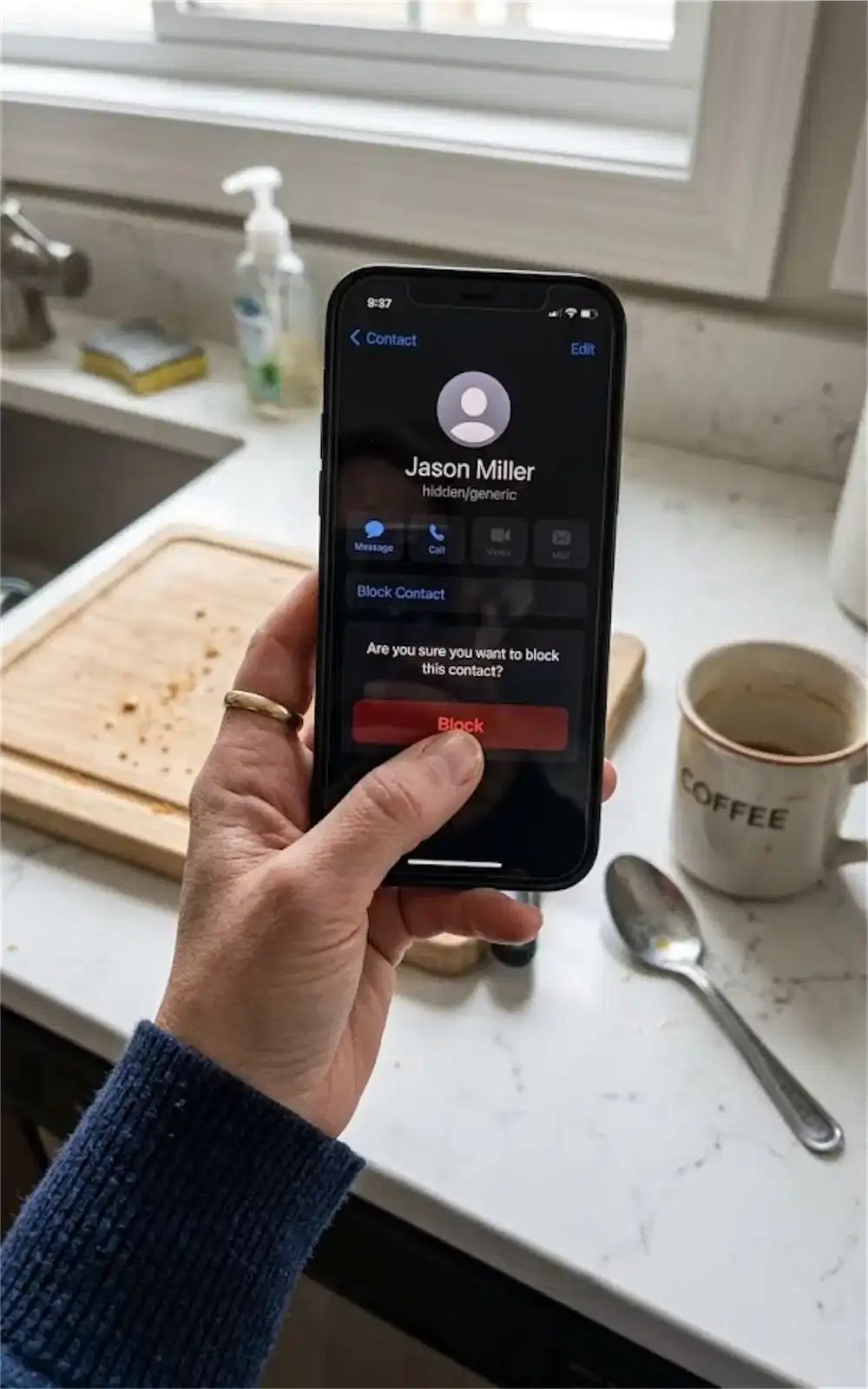
Radical no-contact is different from a regular breakup. In a healthy relationship, you might stay friends or occasionally check in. With a narcissist or someone with BPD traits, that middle ground is a trap. I spent years trying to be “mature” by keeping the lines of communication open, only to be sucked back in by “hoovering” – which is just a fancy way of saying they used my empathy to pull me back into the cycle. They would send a sad text or an old photo just when I started to feel strong, and I would fall for it every time.
To go radical, you have to block their phone number, every social media profile, and even their email address. It means you don’t check their Instagram from a fake account and you don’t ask mutual friends how they are doing. Why is this so extreme? Because your brain is currently addicted to the drama. In my decade-long relationship, the highs were so high and the lows were so low that my nervous system didn’t know how to exist in peace. You have to treat this like a physical detox from a substance.
When you block them, you aren’t “punishing” them. You are simply removing the weapon they use to hurt you. Think about it: if someone kept poking a wound on your arm, would you keep letting them stand next to you? No. You would move away. Radical no-contact is just you moving your soul out of their reach.
Why the Guilt Feels So Heavy
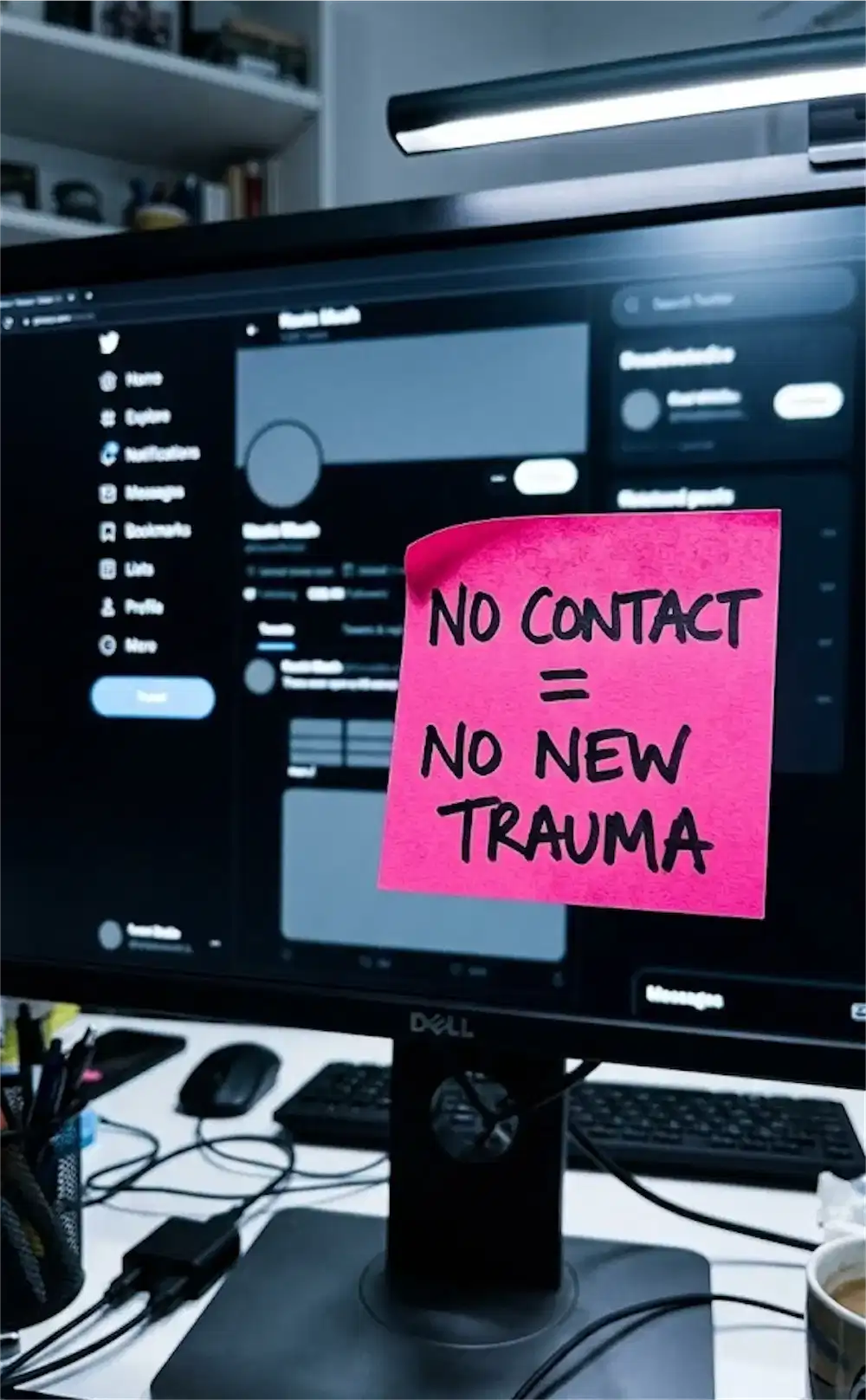
If you feel like a “bad person” for blocking, that is actually a sign that the manipulation worked. Narcissists and those with BPD traits often train us to feel responsible for their emotions. In my relationship, if my partner was sad, it was my fault. If they were angry, I hadn’t done enough to keep them calm. This is called the “fawn response,” where we try to please our abuser to stay safe. After 12 years, that response was my default setting. I felt guilty blocking because I was still trying to protect the person who was destroying me.
You might also be struggling with trauma bond withdrawal symptoms that feel like physical pain. Your brain is screaming for the hits of dopamine it used to get during the “love bombing” phases. When you block them, the brain goes into a panic. It tells you that you are mean, that they are hurting, or that you are throwing away something special. Is it really special if it left you feeling isolated and miserable?
Remember that guilt is often just “unprocessed fear.” You aren’t actually guilty of anything; you are just afraid of their reaction or afraid of being alone. Once I realized that my guilt was a biological response to abuse rather than a moral failing, I was able to stand my ground. You owe yourself the same loyalty you have been giving to someone who didn’t earn it.
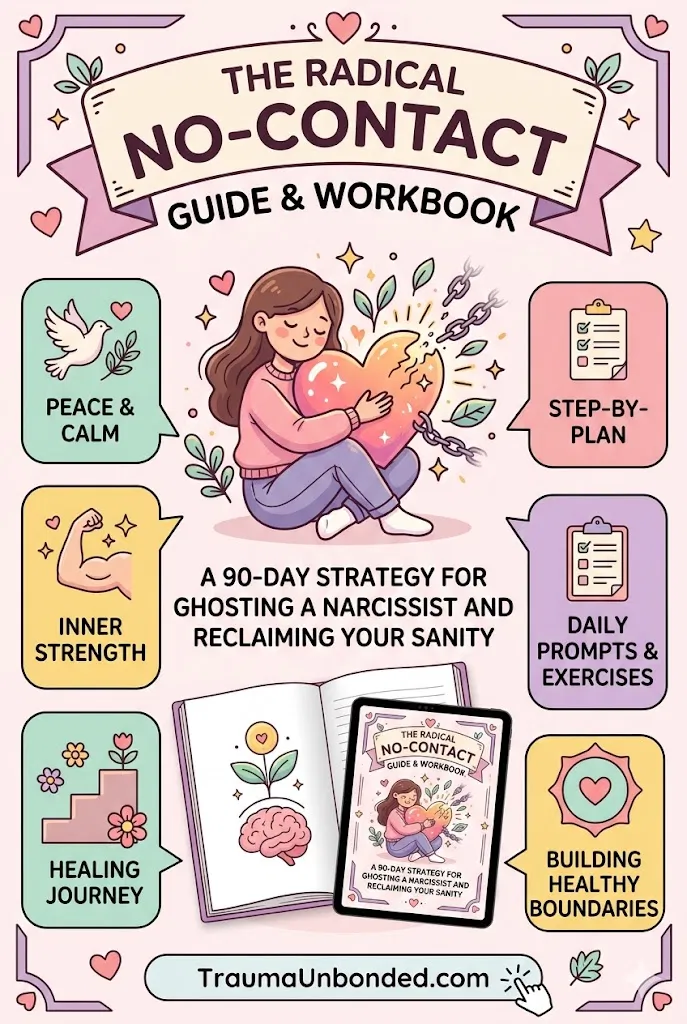
Before you continue, you need a structured plan to manage the internal noise and the external pressure that comes with cutting ties for good. This is the exact strategy I used to stop the cycle of going back.
The Mechanics of Blocking Without Looking Back
Blocking is a physical act that leads to mental freedom. To do this successfully, you have to be thorough. Start with your phone. Don’t just mute them; block the number. If you just mute them, you will still see that “1 unread message” notification, and the curiosity will eat you alive. I used to think I was strong enough to just ignore the texts, but after a long day at work when I was tired and lonely, one “I miss you” text would ruin all my progress.
Next, handle social media. This is where the “smear campaign” usually happens. You might be tempted to keep an eye on what they are saying about you. Don’t. What they say about you to others is none of your business and you cannot control it anyway. In my recovery, I had to accept that some people would believe the lies my ex told. It hurt, but trying to defend myself only kept me connected to the toxicity. You need to rebuild self worth after discard by focusing on your own reality, not their fabricated one.
If you have mutual friends, you may need to set a hard boundary with them too. Tell them, “I am not discussing my ex, and I don’t want to hear updates about them.” If they can’t respect that, they may need to be blocked too, at least for a while. Protecting your peace is more important than being polite to people who bring poison into your safe space.
Reclaiming Your Original Self
The most beautiful part of radical no-contact is what happens after the storm subsides. For the first few months, I felt like I was in a fog. I didn’t know what I liked to eat, what movies I enjoyed, or what to do with my weekends. The person I was before the 12 years of abuse felt like a stranger. But slowly, the fog lifted. I started painting again. I reached out to old friends I had been forced to drop. I realized I wasn’t the “miserable” person my ex said I was; I was just a person who had been under constant psychological siege.
Are you ready to meet yourself again? It takes time for your cortisol levels to drop and for your brain to stop being in “fight or flight” mode. You might find that you sleep better, your digestion improves, and your chronic anxiety starts to fade. I went from being a shell of a human to being someone who is genuinely cheerful and grounded. That version of you is still in there, waiting for you to clear the path.
Healing through professional therapy and learning about codependency changed everything for me. I stopped looking for validation from someone who was incapable of giving it. I learned that my empathy is a gift, but it shouldn’t be a revolving door for people who want to hurt me. When you block a narcissist, you aren’t losing a partner; you are gaining your life back.
If you are still struggling with the urge to check in or if the guilt feels unbearable, take it one hour at a time. You don’t have to promise “forever” yet; just promise yourself that you won’t break no-contact today. For a deeper look at the steps I took during those first few months of freedom, check out The Radical No-Contact Guide & Workbook. It was my roadmap out of the darkness, and it can be yours too. You deserve to live a life that isn’t defined by someone else’s chaos.

Meet Your Guide
Helen Brooks
After surviving a 12-year NPD/BPD relationship, I dedicated over a decade to studying trauma bonding and nervous system recovery. My mission is to help you break free from the fog and reclaim your authentic self.
Ready to break the trauma bond and reclaim your life?