Covert Narcissist Discard: What It Looks Like and How to Survive
Covert narcissist discard feels like the floor has vanished beneath you without any warning. After surviving a 12-year relationship with a partner who displayed both NPD and BPD traits, I know the exact moment when the mask finally slips for good. You are left staring at a person who looks like your partner but acts like a total stranger with a heart made of ice. This abrupt ending is not a normal breakup; it is a calculated exit that leaves you questioning your entire reality while dealing with a heavy trauma bond. If you are struggling to make sense of the silence, The Narcissistic Discard Roadmap provides the exact steps needed to reclaim your sanity during this devastating time.
When I was discarded, I was a shell of my former self. I had no hobbies, my friendships had withered away, and I felt like my life was a miserable wreck. The covert narcissist discard phase is particularly cruel because it often follows a period of “calm” or even renewed intimacy. One day you are planning a future, and the next, they are gone, often already moving on to a new source of supply. Why did they leave so coldly? How can someone you loved for over a decade suddenly treat you like trash? These questions haunt you, but the answers lie in understanding their cycle of idealization, devaluation, and final disposal.
What the Covert Narcissist Discard Looks Like
The discard from a covert narcissist is rarely loud or explosive like the “classic” narcissist. Instead, it is a slow, freezing out process that culminates in a sudden disappearance. During my twelve years in the fog, I experienced the “quiet discard” multiple times before the final one. They start by withdrawing affection, then they stop sharing their day, and eventually, they treat your presence like an annoying obligation. Have you noticed them becoming increasingly critical of things they used to love about you? This is the devaluation phase reaching its peak.
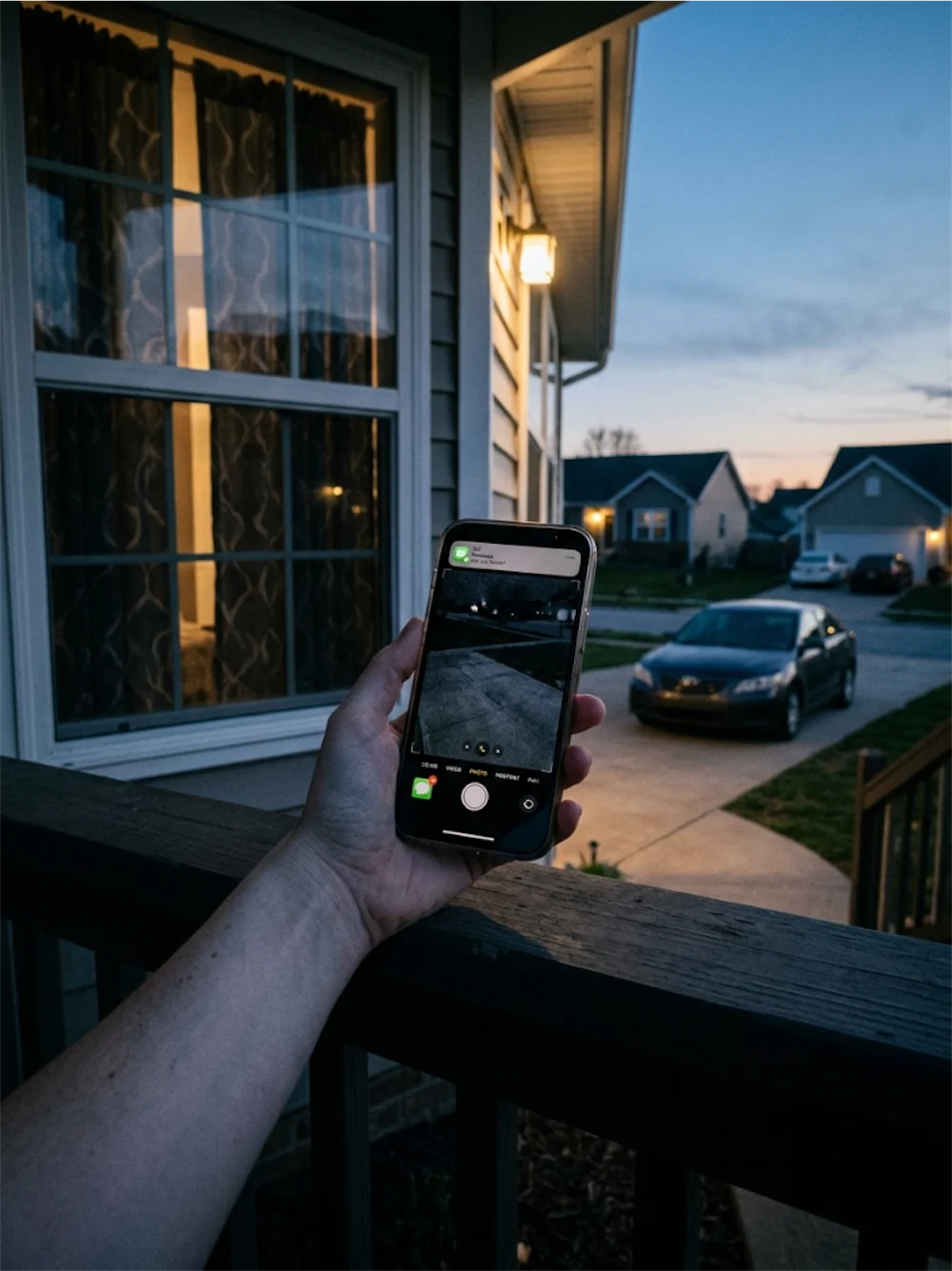
A covert narcissist uses passive-aggressive behavior to make you end the relationship so they can play the victim. If you don’t take the bait, they will simply vanish. This might look like “ghosting” after a minor argument or moving out while you are at work. They want you to feel the maximum amount of confusion and pain. In their mind, you are no longer useful, and because they lack empathy, they don’t feel the need to provide closure. You are left with a trauma bond that feels like a physical addiction, making you crave the very person who destroyed you.
The Smear Campaign and Social Isolation
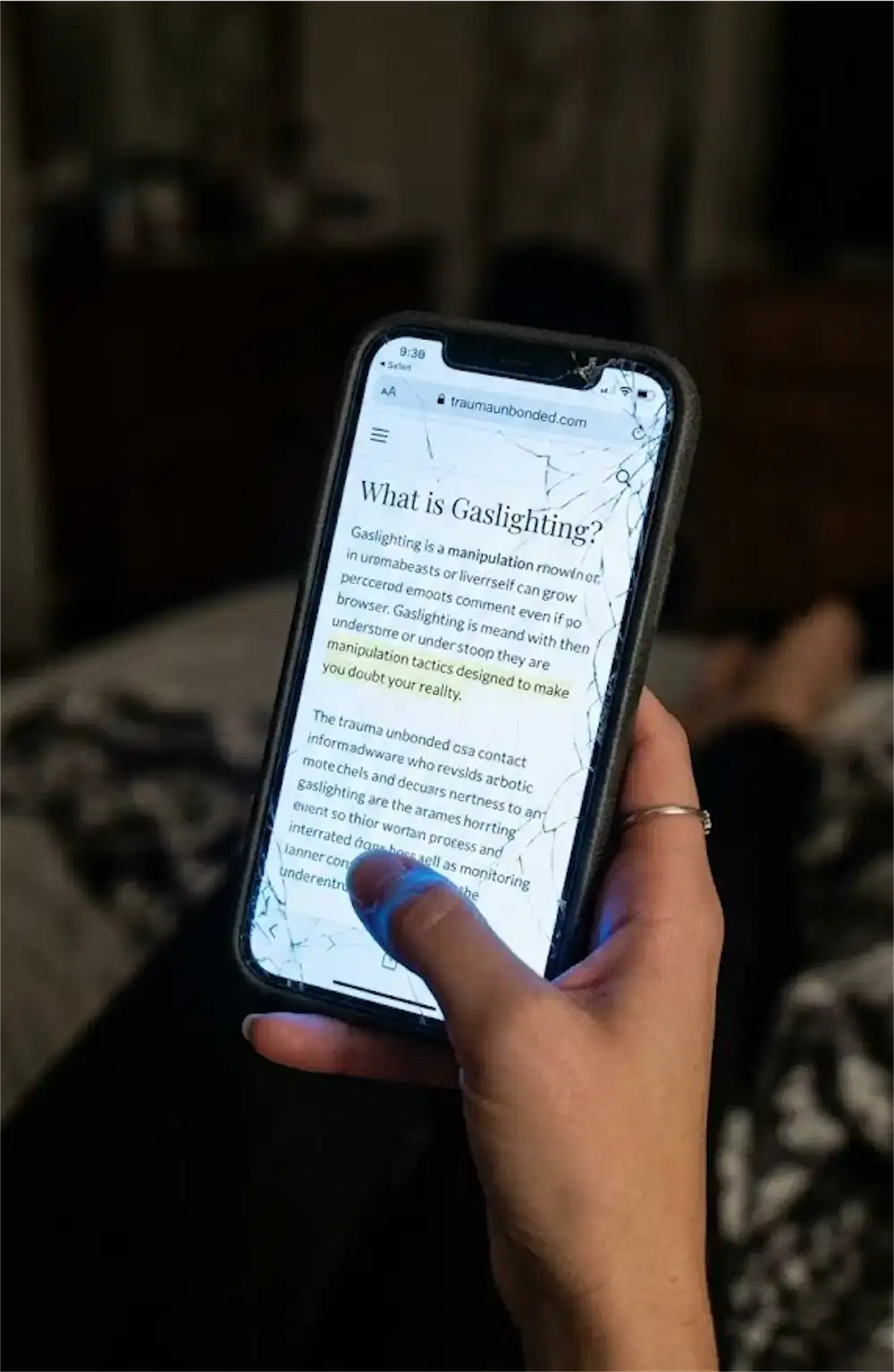
Once the discard happens, the covert narcissist often starts a smear campaign. They will tell mutual friends and family a distorted version of the breakup where they are the long-suffering saint and you are the “unstable” or “abusive” one. In my case, I lost half my social circle because I was too depressed to defend myself. They use gaslighting to make others doubt your version of events. This isolation is intentional; it ensures you have no support system to help you see the truth about their manipulation. If you feel like you are losing your mind, remember that surviving a covert narcissist discard requires you to stop explaining your side to people who aren’t listening.
The Agony of the Trauma Bond Withdrawal
The reason you feel like you can’t breathe after the discard is not just heartbreak; it is chemical. A trauma bond creates an addiction to the highs and lows of the relationship. During the good times, your brain is flooded with dopamine. During the silent treatment or the discard, those levels crash. This trauma bond biochemical addiction is why you find yourself checking their social media or waiting for a text that never comes. I spent months staring at my phone, hoping for a sign that he still cared, even though he had treated me like garbage for years.
Do you find yourself making excuses for their cruelty? That is the cognitive dissonance talking. Your brain is trying to reconcile the “sweet” person you met at the beginning with the “monster” who discarded you. To heal, you must accept that the person you loved was a mask. The person who discarded you is the real them. This realization is painful, but it is the only way to break the chains of the addiction and start your narcissistic abuse recovery. It takes time for your nervous system to realize that you are finally safe from the constant walking on eggshells.
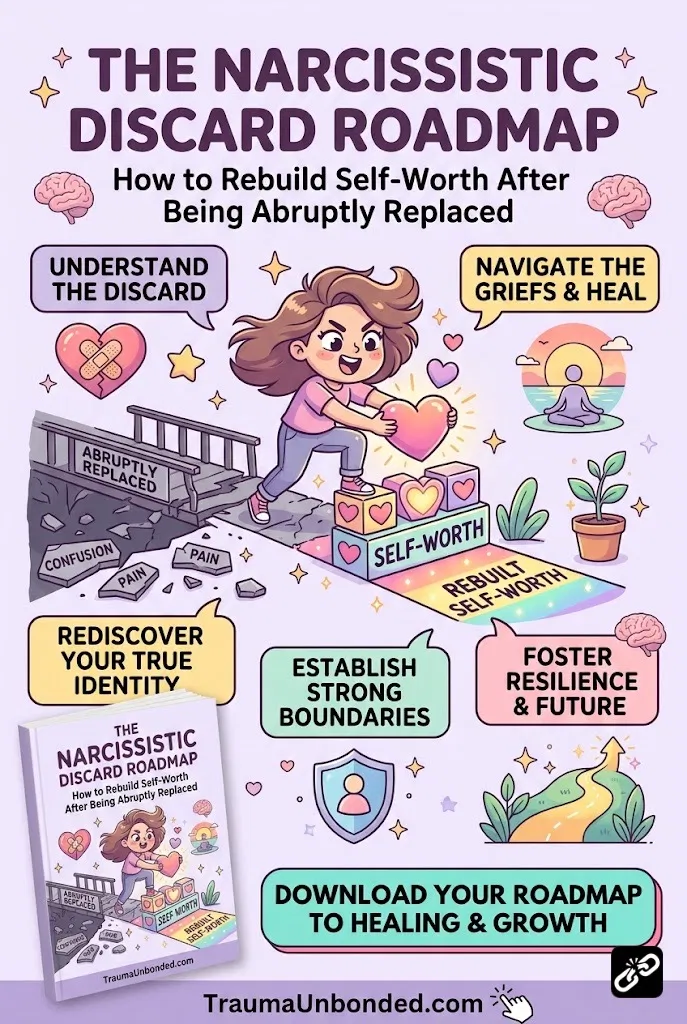
Recovering from such a profound betrayal requires more than just time; it requires a structured plan to deprogram your mind and heal your heart. If you are tired of the obsessive thoughts and the crushing weight of the past, this resource is designed to help you rebuild your identity from the ground up.
How to Survive the First Month of Discard

The first thirty days after a covert narcissist discard are about survival. You are in a state of shock, and your only job is to keep your head above water. The most important step you can take is to go No Contact. This means blocking them on everything, including social media. Every time you see a photo of them or a status update, you reset your healing clock. I learned the hard way that “checking in” only leads to more pain. They want you to watch them being happy with someone else; it is part of the game.
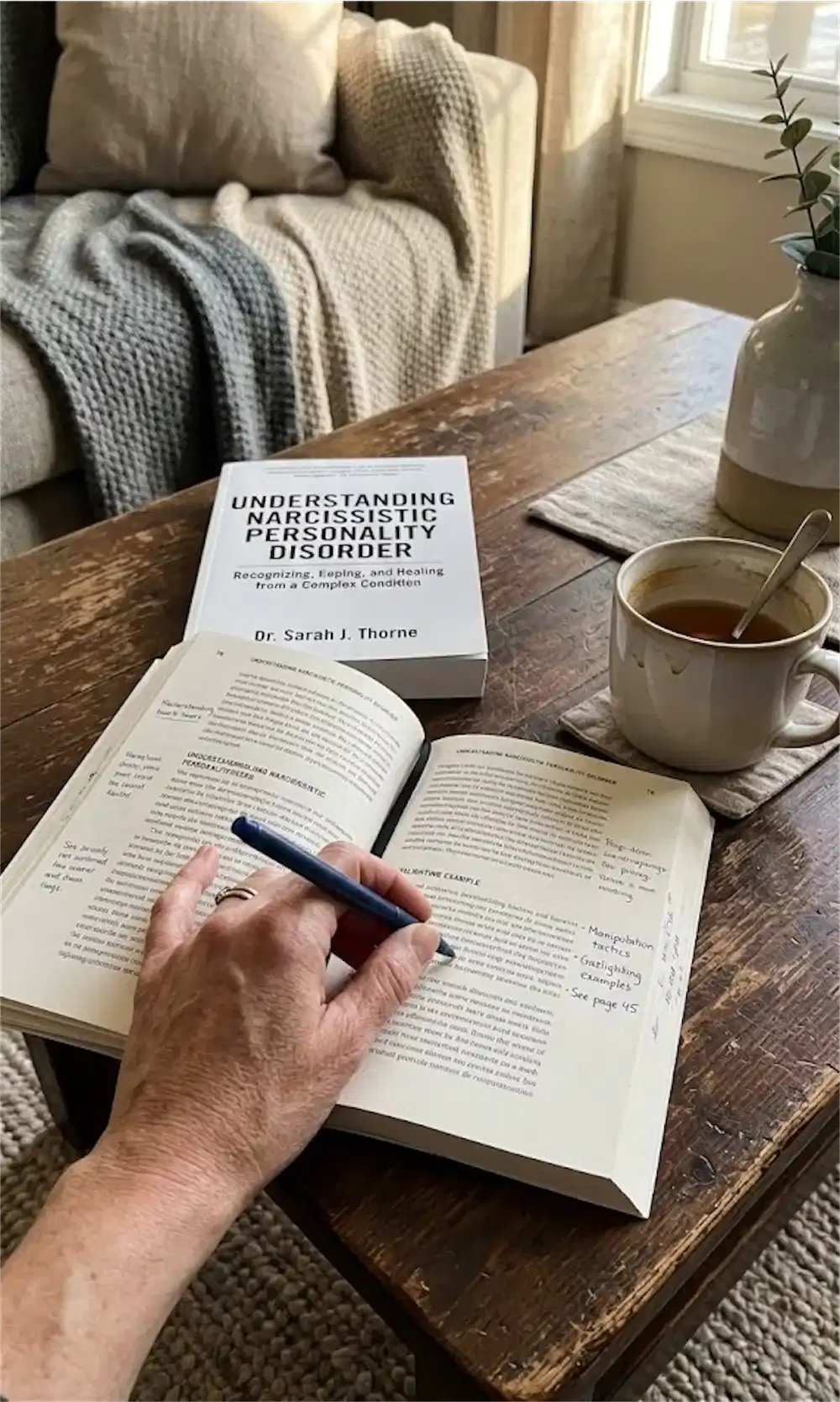
Focus on your physical health first. Narcissistic abuse often leads to high cortisol symptoms like insomnia, weight changes, and extreme fatigue. When I was in the thick of it, I couldn’t eat or sleep. I had to force myself to take small walks and drink water. Your body has been in “fight or flight” mode for years. It needs to know the war is over. Professional therapy was a turning point for me, specifically working with someone who understands codependency and complex trauma. You cannot heal a 12-year wound with just “positive thinking.”
Stopping the Rumination
You will likely spend hours replaying every argument in your head. Why did they say that? Was it my fault? Could I have saved it? You must stop ruminating on arguments that were designed to be unwinnable. A covert narcissist doesn’t argue to find a solution; they argue to keep you off balance. They move the goalposts so you are always the one apologizing. Write down a “list of horrors”—every mean thing they did, every lie they told, every time they ignored your needs. Read this list when you feel the urge to reach out. It serves as a reality check against the “idealized” version of them your brain is trying to sell you.
Returning to Your Original Self
There was a version of you before this relationship started. Do you remember her? She was cheerful, optimistic, and had dreams that didn’t involve managing someone else’s fragile ego. For a long time, I thought that version of me was dead. I thought twelve years of narcissistic and BPD abuse had erased me forever. But healing is about excavation. It is about digging through the rubble of the discard to find the person you were always meant to be. It starts with small steps, like picking up an old hobby or saying “no” to something you don’t want to do without feeling guilty.
Rebuilding your self-worth is a slow process, but it is possible. You have to learn how to set healthy boundaries and recognize the red flags you ignored in the past. Today, I am grounded and happy. I don’t wait for anyone’s permission to exist. The silence that once felt like a prison now feels like peace. The discard was the most painful thing I ever endured, but it was also the catalyst for my freedom. You are not “broken” because of what happened; you are a survivor who is currently undergoing a deep transformation. The person who discarded you did you a favor by leaving, even if it doesn’t feel like it yet.
The journey from victim to survivor is not linear. Some days you will feel strong, and other days you will cry in your car. Both are part of the process. Surround yourself with people who validate your reality and keep moving forward, one breath at a time. If you need a clear path through the fog of the aftermath, The Narcissistic Discard Roadmap is here to guide you back to yourself. You deserve a life filled with genuine love and respect, not a lifetime of performing for someone who can’t see your value.

Meet Your Guide
Helen Brooks
After surviving a 12-year NPD/BPD relationship, I dedicated over a decade to studying trauma bonding and nervous system recovery. My mission is to help you break free from the fog and reclaim your authentic self.
Ready to break the trauma bond and reclaim your life?