How to Heal a Trauma Bond (Why Self-Help Books Aren’t Enough)
If you are trying to figure out how to heal a trauma bond, you have likely already spent dozens of hours reading articles or watching videos about narcissistic abuse recovery. Maybe your nightstand is piled high with books, yet you still feel that magnetic, painful pull toward your ex. I spent twelve years in a relationship with a partner who had both NPD and BPD traits, and I can tell you from experience that information alone did not save me. To truly break free, you have to move beyond logic and address the biochemical addiction that keeps you trapped in the cycle of toxic love.
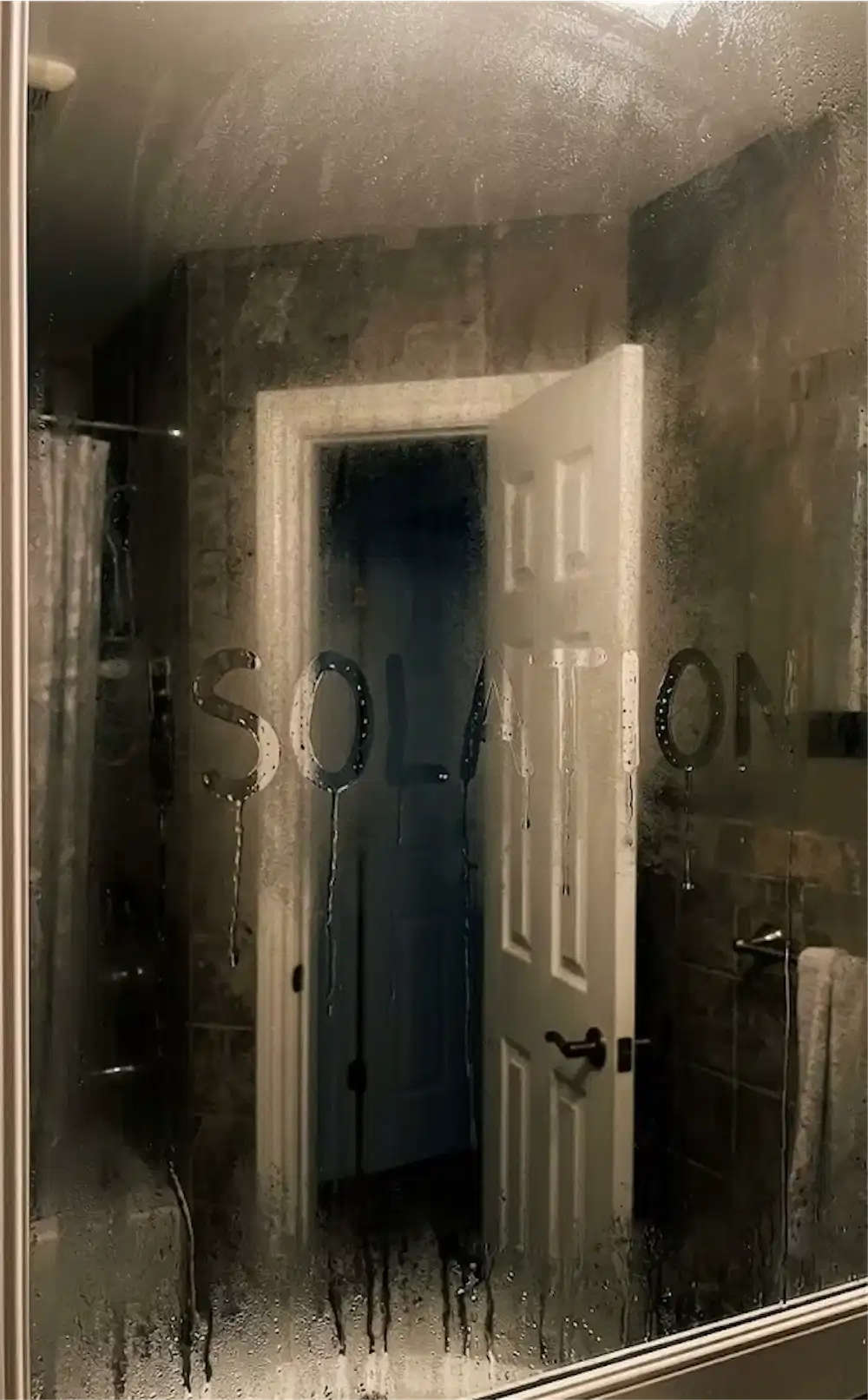
For over a decade, my life was a blur of gaslighting and intermittent reinforcement. I went from being a vibrant person to someone who was completely isolated from friends and without any hobbies. My world shrank until it was just me and my partner’s shifting moods. Have you ever felt like you were disappearing while trying to keep someone else happy? That is the hallmark of a trauma bond. You know the relationship is destroying you, yet your body craves the person responsible for the pain.
Self-help books are wonderful for validation, but they often fail because they treat a physiological addiction as a lack of knowledge. You do not need more facts; you need a way to regulate your nervous system and break the trauma bond addiction. When I finally started focusing on the somatic and biochemical aspects of my attachment, the fog began to lift. I had to stop analyzing their behavior and start healing my own survival responses.
Why Books Fail to Break the Cycle

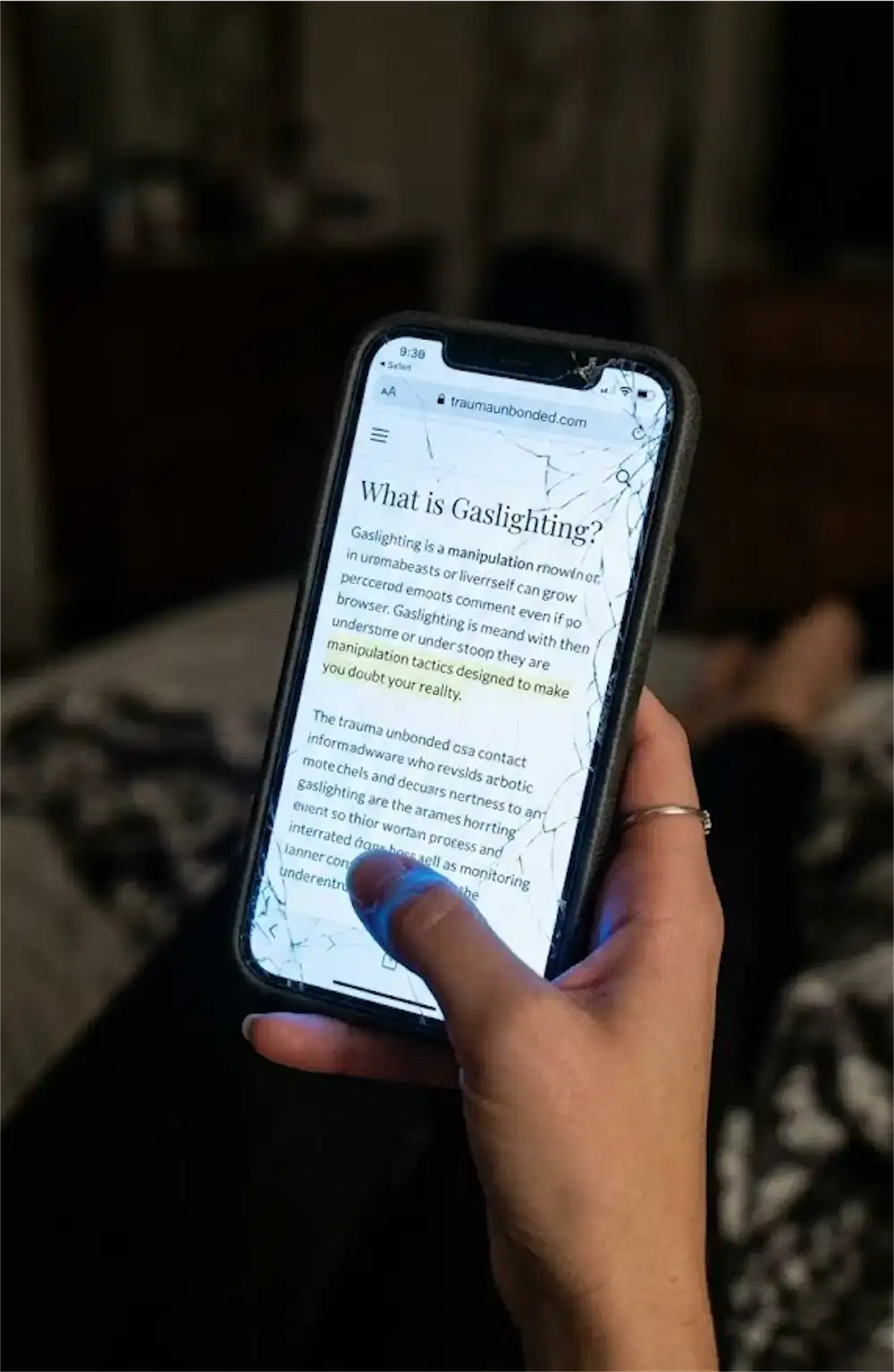
Reading about narcissistic personality disorder or BPD relationship cycles gives your mind a sense of control. It feels like if you can just understand why they did it, the pain will stop. But the trauma bond lives in the “reptilian” part of your brain, not the logical part. This is why you can read a whole book on red flags and still answer their 3 a.m. text message. Your logic says “stay away,” but your brain is screaming for a “hit” of dopamine.
During my twelve years of chaos, I became an expert on my partner’s pathology. I could explain their childhood wounds and identify every manipulation tactic they used. None of that stopped me from feeling like I would die without them. I was stuck in a trauma bond biochemical addiction that made me feel physically ill when we were apart. Books provide the map, but they are not the journey itself.
To heal, you must bridge the gap between knowing they are bad for you and actually feeling safe enough to walk away. This requires moving the focus away from the narcissist and back to your own body. Are you still waiting for them to finally “get it” or apologize? Waiting for closure from an abuser is like waiting for a desert to provide water. Real closure comes when you decide your peace is worth more than their validation.
The Chemical Prison of Intermittent Reinforcement
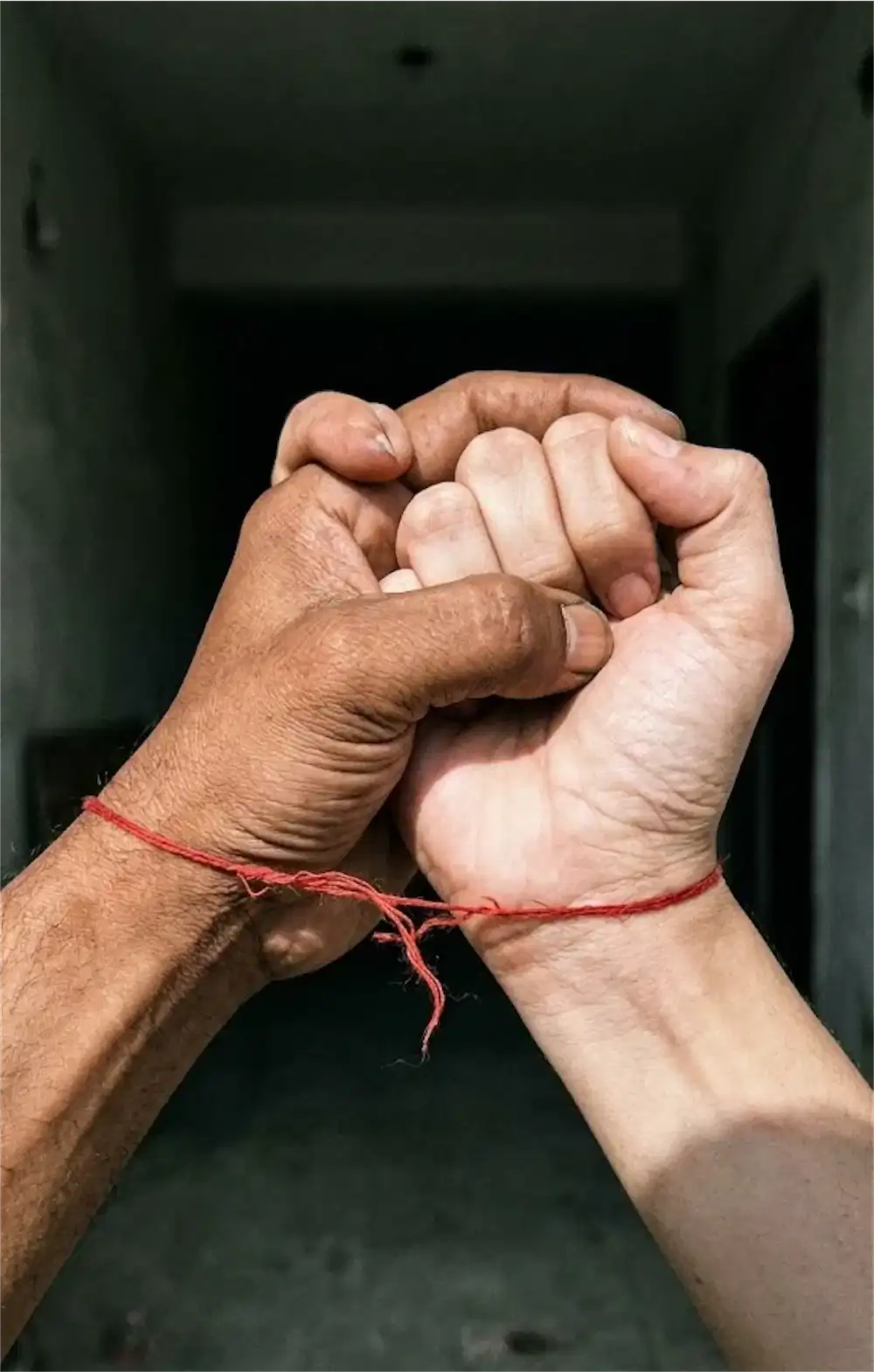
A trauma bond is built on a foundation of intermittent reinforcement. This is a fancy way of saying they were “hot and cold.” In my relationship, I would endure weeks of the silent treatment or verbal attacks, only to be met with a sudden burst of affection. That tiny crumb of love felt like a mountain because I was starving. This cycle creates a literal chemical addiction in your brain that is stronger than most street drugs.
When things were bad, my cortisol was through the roof. When things were good, I got a massive hit of dopamine and oxytocin. Over a decade of this turned my brain into a slot machine. I was always pulling the lever, hoping for that next win. This is why you feel trauma bond withdrawal symptoms like shaking, nausea, or obsessive thoughts when you try to go no contact. Your body is quite literally detoxing from the stress-reward cycle.
If you want to heal a trauma bond, you have to treat yourself like an addict in recovery. You cannot “just be friends” with someone who has rewired your brain for chaos. Every time you check their social media or ask a mutual friend about them, you are taking a “hit” of that drug. Why would you keep feeding the monster that is trying to eat you? True healing starts when you starve the bond of all attention.
Understanding the science behind your pain is helpful, but applying it to your daily life is where the real work happens. If you are struggling to maintain your boundaries and find yourself constantly checking your phone for a message that only brings misery, you need a structured plan. I created a tool to help you navigate this exact process without the fluff of standard self-help advice.
Moving From Logic to Somatic Healing
After twelve years, I was a shell of a person. I had no idea what I liked to eat, what my favorite music was, or how to spend a Saturday alone. I was constantly in a state of hypervigilance, waiting for the next shoe to drop. To get back to my original self, I had to stop thinking and start feeling. I had to learn nervous system regulation exercises to tell my body that the war was finally over.
When you are in a toxic relationship, your body stays in fight-or-flight mode. This eventually leads to adrenal fatigue and a feeling of being “tired but wired.” You might find that you cannot sit still or that you have developed chronic digestive issues. This is your body storing the trauma that your mind is trying to ignore. Healing the bond means processing these physical sensations instead of just analyzing your ex’s latest hoovering attempt.
One of the most effective things I did was professional therapy focused on codependency and trauma. I learned that my obsession with “fixing” my partner was actually a way to avoid fixing myself. It was easier to focus on their NPD and BPD traits than to look at why I felt I didn’t deserve a peaceful life. Are you using their drama as a distraction from your own healing? It is a hard question to answer, but it is necessary for your freedom.
Reclaiming Your Identity After the Fog
The final stage of recovering from a trauma bond is the return to your “original self.” For a long time, I didn’t think that person existed anymore. I thought I was permanently broken by the emotional abuse. But as I stayed no contact and focused on my own life, the cheerful and optimistic person I used to be started to peek out again. I found new hobbies, reconnected with my true friends, and learned to enjoy the silence of a home without conflict.
This process is not linear. There will be days when you feel strong and days when you are curled in a ball on the floor. Both are part of the journey. The key is to stop judging your progress by how much you still think about them. Instead, judge your progress by how you treat yourself during the hard moments. Are you being a kind mentor to yourself, or are you continuing the abuser’s work by being your own harshest critic?
You can heal a trauma bond and build a life that feels grounded and safe. It requires a commitment to yourself that is stronger than your commitment to the toxic person. It means choosing reality over the “potential” of who you wanted them to be. Today, I am grounded and happy, living a life that isn’t dictated by someone else’s moods. You deserve that same peace, and it starts with the brave choice to put down the self-help books and start the real work of reclaiming your nervous system.

Meet Your Guide
Helen Brooks
After surviving a 12-year NPD/BPD relationship, I dedicated over a decade to studying trauma bonding and nervous system recovery. My mission is to help you break free from the fog and reclaim your authentic self.
Ready to break the trauma bond and reclaim your life?