Why Your Body Craves Sugar and Comfort Foods After a Toxic Argument
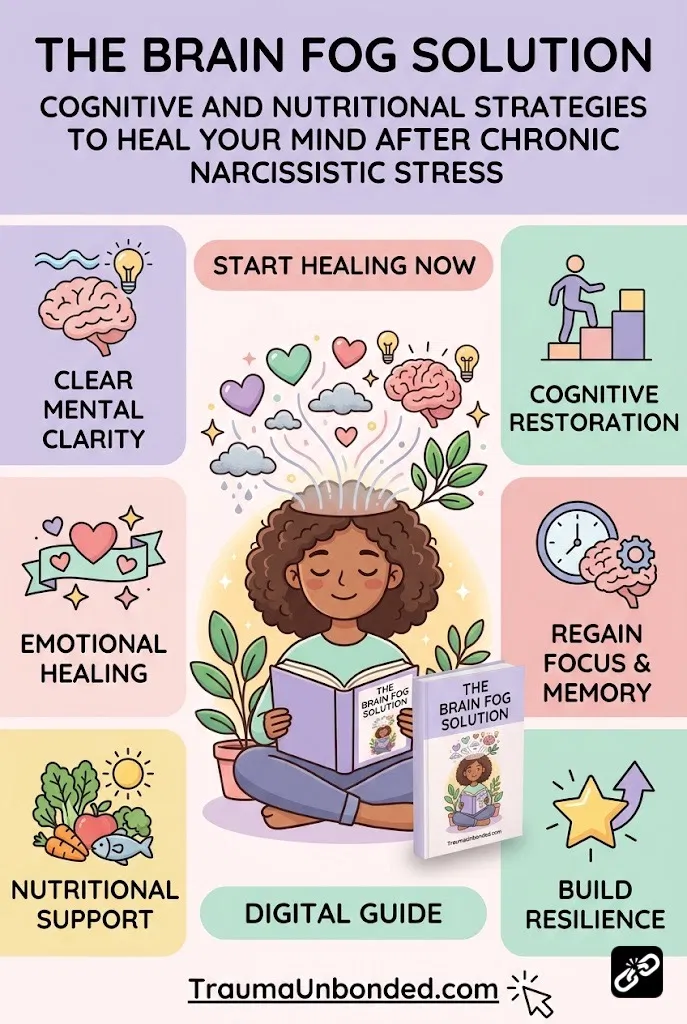
Toxic argument sugar cravings are not a sign of weakness or a lack of willpower. If you find yourself reaching for chocolate or salty snacks after a blowout with a high-conflict partner, your body is actually trying to save you. During my 12-year relationship with a partner who displayed both NPD and BPD traits, I lived in a constant state of physiological emergency. I would often finish a circular argument feeling physically hollow and desperate for a quick energy fix. I didn’t realize then that my brain was demanding glucose to fuel a “fight or flight” response that never actually ended. If you are struggling with your health while trying to navigate a difficult relationship, The Brain Fog Solution can help you understand how to nourish your mind back to clarity.
Why does a verbal fight lead to a bag of chips? When you deal with gaslighting, where someone denies your reality to make you doubt yourself, your brain works overtime to find the truth. This mental labor uses an immense amount of energy. Have you noticed how exhausted you feel after explaining your basic needs for the tenth time? That exhaustion is physical and your biology treats that emotional stress exactly like a physical threat. It wants fast fuel and sugar is the fastest fuel available.
After a decade of isolation and losing my hobbies, I felt like a shell of a person. I was constantly “walking on eggshells,” a term we use to describe that hyper-vigilant state where you monitor your partner’s every mood to avoid a blowup. This state keeps your heart rate up and your muscles tense. By the time the argument finally happens, your internal reserves are empty. Your body isn’t asking for a salad; it is asking for a hit of dopamine and a rush of glucose to keep you standing.
The Biology of the Toxic Stress Response

When you are in a conflict with a narcissistic or borderline personality, your adrenal glands flood your system with cortisol and adrenaline. This is meant to help you run from a predator. In a toxic relationship, the predator is sitting across the dinner table. Because you cannot run away, those chemicals sit in your blood. This leads to common high cortisol symptoms in women such as intense cravings for sweets and weight gain around the midsection.
Your brain sees the argument as a survival event. Once the shouting stops or the silent treatment begins, your blood sugar often drops. This “crash” makes you feel shaky, anxious, and irritable. Your brain knows that sugar will provide an immediate lift. It is a survival mechanism that kept our ancestors alive, but in the context of modern emotional abuse, it just leads to a cycle of shame and physical discomfort. Do you feel guilty for eating when you’re upset? Please stop. Your body is just trying to find balance in an unbalanced environment.
Long-term exposure to these arguments creates a trauma bond biochemical addiction. You become used to the spikes of stress and the “relief” of the makeup phase. Food often becomes the only source of comfort you can control. When your partner is withdrawing affection or using “hoovering” (sucking you back into the drama with false promises), food stays consistent. It is a reliable friend when your human connections feel like shifting sand.
Dopamine and the Search for Safety
Sugar triggers the release of dopamine in the brain. This is the “feel-good” chemical that is usually missing in a toxic relationship. When you are being criticized or devalued, your dopamine levels bottom out. You feel worthless and depleted. A cookie or a bowl of pasta provides a temporary chemical bandage for that wound. It isn’t about the food itself; it is about the split-second of peace that the brain experiences when that reward center lights up.
In my recovery, I learned that I wasn’t an “emotional eater” by nature. I was a person under siege. Once I left that environment and started professional therapy for codependency, the cravings began to fade. My body finally felt safe enough to stop demanding emergency fuel. Are you eating because you are hungry, or are you eating because your nervous system is screaming for a break? Understanding this distinction is a massive step toward healing.
Recovering from the physical toll of a toxic relationship requires more than just “eating better.” It requires clearing the mental fog and repairing the damage that years of high-stress hormones have done to your cognitive function. If you feel like your brain isn’t working the way it used to, you need a structured plan to reclaim your focus and health.
Breaking the Cycle of Stress Eating

The first step to stopping the post-argument binge is radical self-compassion. You have to stop punishing yourself for your body’s survival response. When you finish a fight and feel that pull toward the pantry, stop and take three deep breaths. This small act signals to your nervous system that the immediate danger has passed. You can also try nervous system regulation exercises to help lower your heart rate without relying on sugar.
During my 12 years of chaos, I used to think I was broken because I couldn’t stick to a diet. The truth was that I was trying to build a house in the middle of a hurricane. You cannot expect your body to prioritize “clean eating” when it is trying to survive emotional warfare. Focus on hydration and protein instead of restriction. Protein helps stabilize your blood sugar so you don’t hit that deep low that sends you searching for a candy bar.
Another helpful tip is to create a “cool down” ritual. After an argument, move your body. You don’t have to go to the gym; just walk around the block or stretch on the floor. This helps process the adrenaline that is telling your brain to eat. Movement helps “burn off” the stress energy so your brain doesn’t think it needs to store more calories for a future fight. Why stay trapped in the kitchen when a five-minute walk could reset your brain?
Reclaiming Your Original Self
I remember the day I realized I hadn’t thought about junk food in a week. It was about six months after I finally went no-contact and committed to therapy. My “original self”—the person who was cheerful and optimistic—started to come back. That person didn’t need a sugar rush to get through the afternoon. That person felt grounded and safe. Healing the gut-brain connection is a major part of narcissistic abuse recovery.
Your body is incredibly resilient. Even after years of toxic stress and poor eating habits, it wants to heal. It wants to return to a state of balance. When you start setting boundaries and protecting your peace, your physical cravings will naturally change. You will find that you have more energy and less “brain fog.” You aren’t lazy, and you aren’t a “glutton.” You are a survivor who is learning how to live in peace for the first time.
The journey back to yourself is a slow process, but every small choice matters. Choosing to understand your cravings instead of judging them is a massive victory. You are worth more than the crumbs of a toxic relationship and you deserve a life where food is nourishment, not a shield. If you are ready to stop the cycle of exhaustion and mental fatigue, looking into The Brain Fog Solution is a great place to start your physical and mental restoration.
Your body has been your most loyal soldier through this war. It has kept you going when your heart was breaking and your mind was confused. Cravings are just your body’s way of asking for help. Listen to it with kindness. As you remove the source of the stress—the toxic partner and the constant conflict—your body will finally be able to put down its weapons. You can return to a place of health, optimism, and genuine vitality.

Meet Your Guide
Helen Brooks
After surviving a 12-year NPD/BPD relationship, I dedicated over a decade to studying trauma bonding and nervous system recovery. My mission is to help you break free from the fog and reclaim your authentic self.
Ready to break the trauma bond and reclaim your life?