How to Calm the ‘Freeze’ Response: Somatic Exercises for Traumatic Collapse
If you are searching for how to calm the “freeze” response, you likely know the heavy, paralyzed feeling of traumatic collapse all too well. When I escaped a twelve-year toxic relationship with a partner exhibiting both narcissistic and borderline traits, I did not just feel sad; my body physically shut down. I was completely devastated, cut off from my friends, had zero hobbies left, and felt my entire life was miserable.
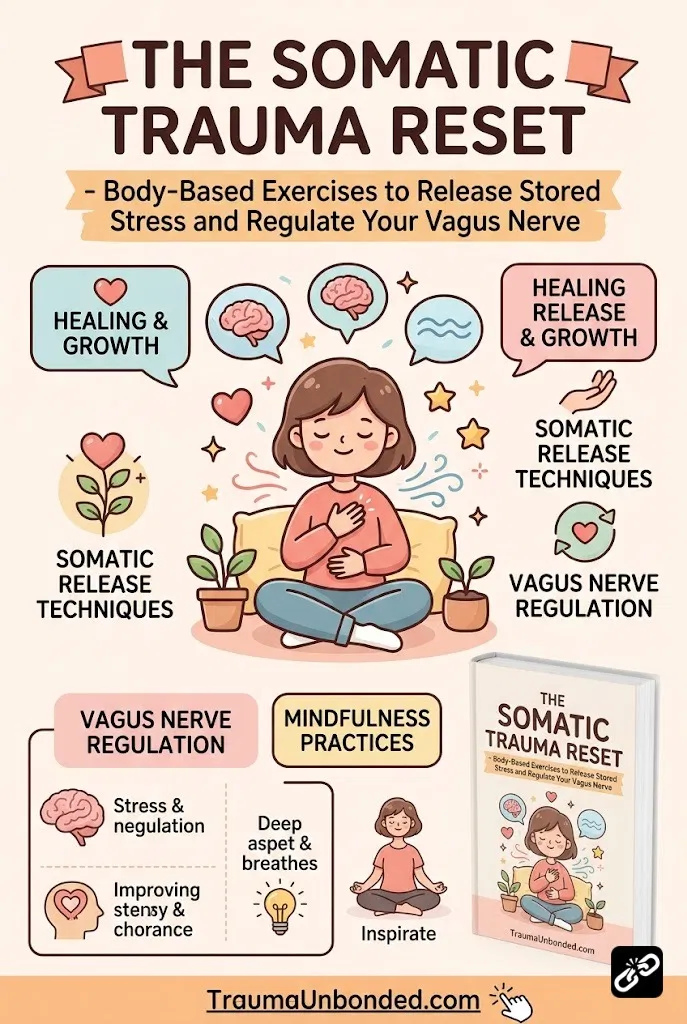
Through professional therapy, uncovering my codependency, and understanding trauma bonds, I slowly rebuilt my reality. Today, I have returned to my original self, which is cheerful, optimistic, and deeply grounded, but I could not have gotten here without using somatic exercises for traumatic collapse to thaw my nervous system. To begin your own physical healing, I highly recommend exploring The Somatic Trauma Reset, which offers a structured approach to releasing stored stress.
Why does the body choose this state of complete immobilization? When we cannot fight back and we cannot run away, our autonomic nervous system drops us into a state of total shutdown to protect us from intolerable pain.
Understanding the Freeze Response and Traumatic Collapse
The freeze response, or traumatic collapse, is an involuntary nervous system survival mechanism where the body shuts down, numbs pain, and conserves energy when it perceives a threat as inescapable.
During my twelve-year relationship, my body lived in this numb, immobilized state. I walked on eggshells every single day, waiting for the next explosive argument, silent treatment, or sudden discard. Over time, my brain associated my partner with inescapable danger, triggering a constant state of functional freeze where I could barely function but looked fine on the outside.
Do you feel like you are moving through wet cement? Do you struggle with memory lapses, a blank mind, or a complete lack of motivation to do things you once loved? This is not laziness; it is your dorsal vagal pathway taking control to shield you from emotional overwhelm, a common hurdle in bpd relationship trauma recovery.
Why Mind-Based Tactics Fail in Traumatic Collapse
When you are trapped in a state of traumatic collapse, traditional advice like telling yourself to think positive or writing down your goals can actually feel frustrating. Why is that? Your prefrontal cortex, the part of the brain responsible for logical thinking, goes offline during a survival response.
Trauma is a physical event, not just a cognitive one. A study on somatic experiencing published on Psychology Today explains that trauma is not defined by the event itself, but by the body’s inability to discharge bound-up survival energy. When that energy remains trapped, your body continues to react as if the threat is still actively present in your environment.
If you have tried talk therapy and still feel physically stuck, it is because your body needs to feel safe before your mind can follow. We must speak to the nervous system in its own language of sensation, movement, and breath to gently wake it up.
If you are ready to stop feeling like a ghost in your own life and want a structured roadmap to release stored trauma, check out the specialized workbook I used to finally thaw my frozen nervous system and regain my physical energy.
Somatic Exercises to Melt the Traumatic Armor
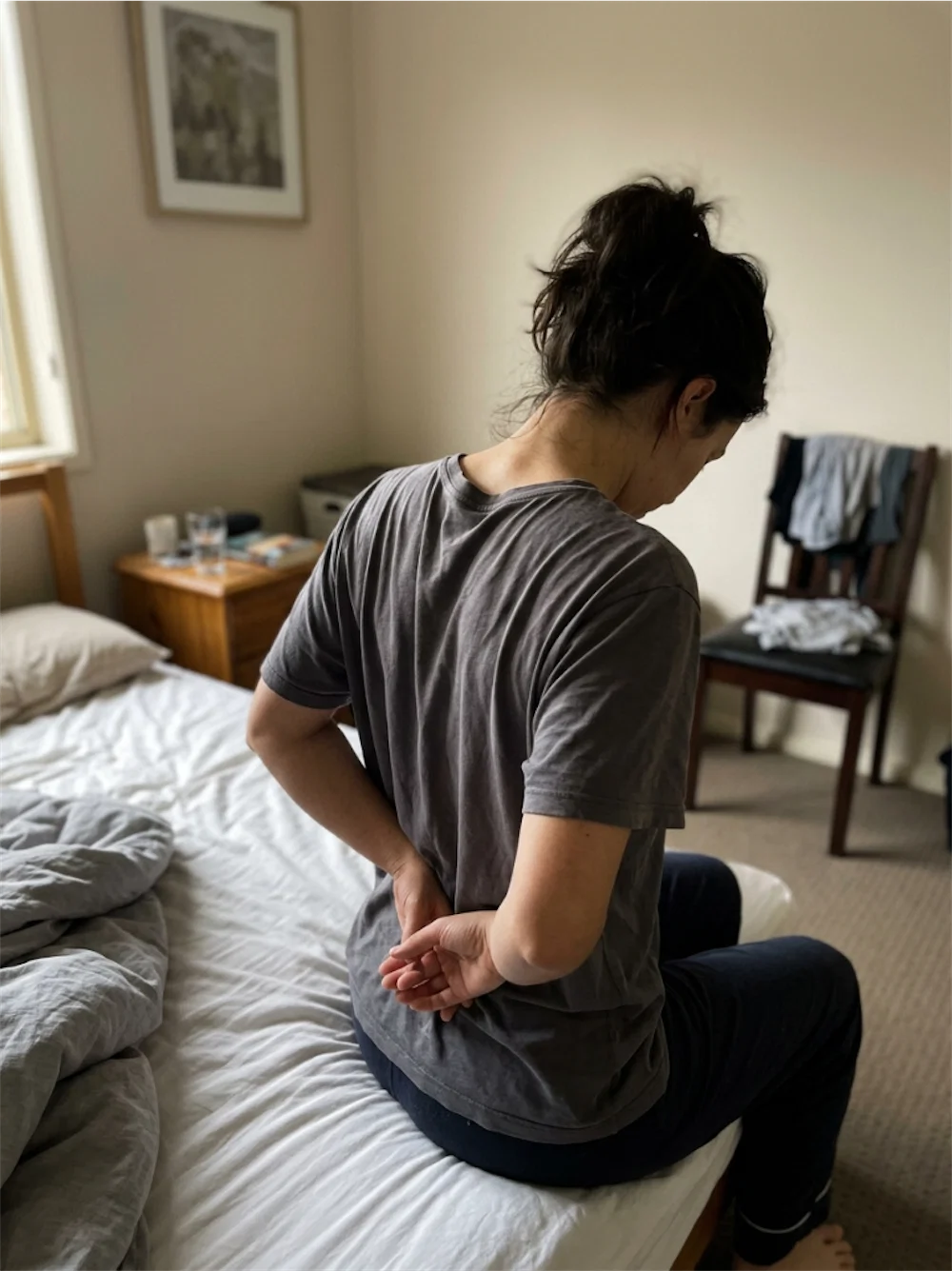
When we stay in a freeze state for years, our muscles develop what experts call muscular armoring. We unconsciously brace ourselves for impact, clenching our jaw, tightening our shoulders, and shallowing our breath. To dissolve this armor, we must slowly introduce gentle, body-based movements.
Here are three practical, somatic methods you can try right now at home to shift your nervous system out of shutdown:
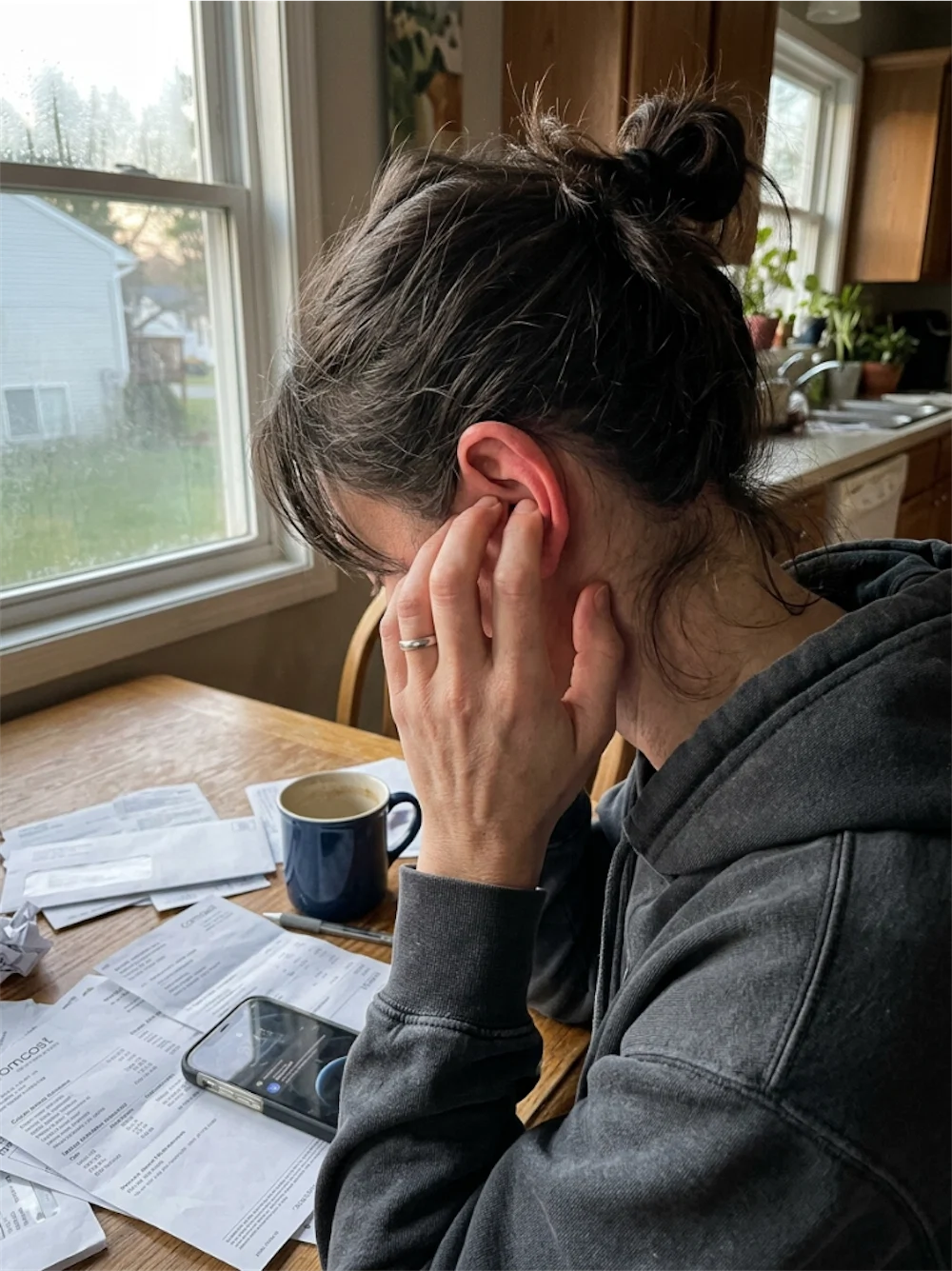
- Gentle Auricular Vagus Nerve Stimulation: Our ears contain pathways directly linked to the vagus nerve, which regulates our rest-and-digest states. By gently massaging the inner hollow of your ear and pulling the earlobes downward, you can send safety signals to your brainstem. If you want to learn more about this body-based approach, read our guide on how to regulate vagus nerve after emotional abuse.
- Therapeutic Tremoring (Shaking): Have you ever watched a wild animal escape a predator? They immediately shake their entire body to discharge the survival adrenaline. You can replicate this by standing up and gently shaking your hands, arms, and legs. For a step-by-step breakdown of body-based releases, explore our guide to somatic experiencing exercises home release trauma.
- Orienteering and Grounding: When in freeze, your eyes tend to lock in a vacant, forward stare. Break this by slowly letting your eyes drift around the room, naming three objects you see. This simple act of tracking your environment tells your survival brain that the danger has passed.
Building a Safe Daily Routine to Prevent Relapse
Rebuilding your life after chronic toxic stress takes time and consistency. You cannot rush a frozen nervous system into thawing; doing so can trigger a secondary freeze response. When I first left my abusive relationship, I tried to jump back into a busy social life and intense workouts, which only caused my body to collapse further.
Instead, start small. Focus on micro-habits that signal safety to your body every single day. These simple habits can help maintain your physical progress over time:
- Begin your morning with three minutes of slow, elongated exhales.
- Use a weighted blanket during rest periods to provide deep touch pressure.
- Engage in gentle, non-strenuous movement like stretching or walking in nature.
By integrating steady nervous system regulation exercises into your daily life, you teach your body that it is safe to slowly step out of survival mode.
Your body did not freeze because you were weak; it froze to keep you alive. Healing from traumatic collapse is not about forcing yourself to feel happy overnight, but about slowly showing your body that the threat is gone.
If you want to take the next step in rebuilding your physical strength, download The Somatic Trauma Reset to guide your daily somatic practice. You survived the fire; now it is time to let your body finally rest and recover.

Meet Your Guide
Helen Brooks
After surviving a 12-year NPD/BPD relationship, I dedicated over a decade to studying trauma bonding and nervous system recovery. My mission is to help you break free from the fog and reclaim your authentic self.
Ready to break the trauma bond and reclaim your life?