12 Common Recovery Saboteurs After Narcissistic Abuse and How to Stop Them
If you’re trying to heal after narcissistic abuse and you keep sliding backward, it doesn’t mean you “love them too much.” It usually means your recovery is getting quietly sabotaged by a few predictable patterns that feel comforting in the moment and brutal later.
I’m writing this as someone who survived a 12-year toxic relationship with a partner who showed strong NPD and BPD traits (not a diagnosis, just the lived reality of the patterns). After the breakup I was devastated, isolated from friends, and so stripped of myself that I didn’t even know what my hobbies were anymore. Therapy and learning about trauma bonds and codependency is what helped me come back to my original self: optimistic, grounded, and actually happy to wake up again.
This post is the checklist I wish I had when I kept thinking, “Why am I still stuck?”
Why Narcissistic Abuse Recovery Gets Sabotaged (and Why It’s Not Your Fault)
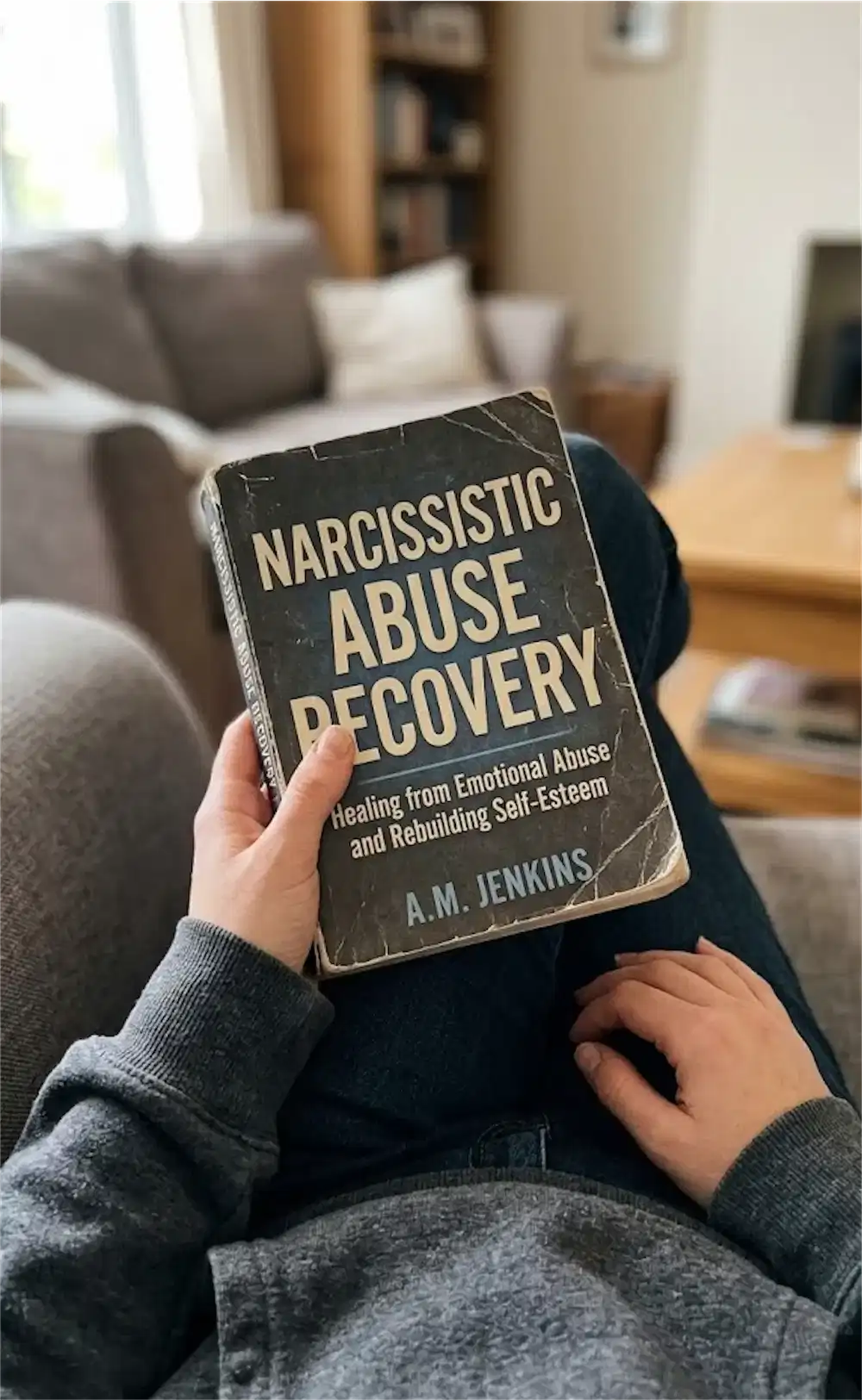
One of the hardest parts of healing is accepting this: you can miss someone who harmed you. That doesn’t make you irrational. It makes you human.
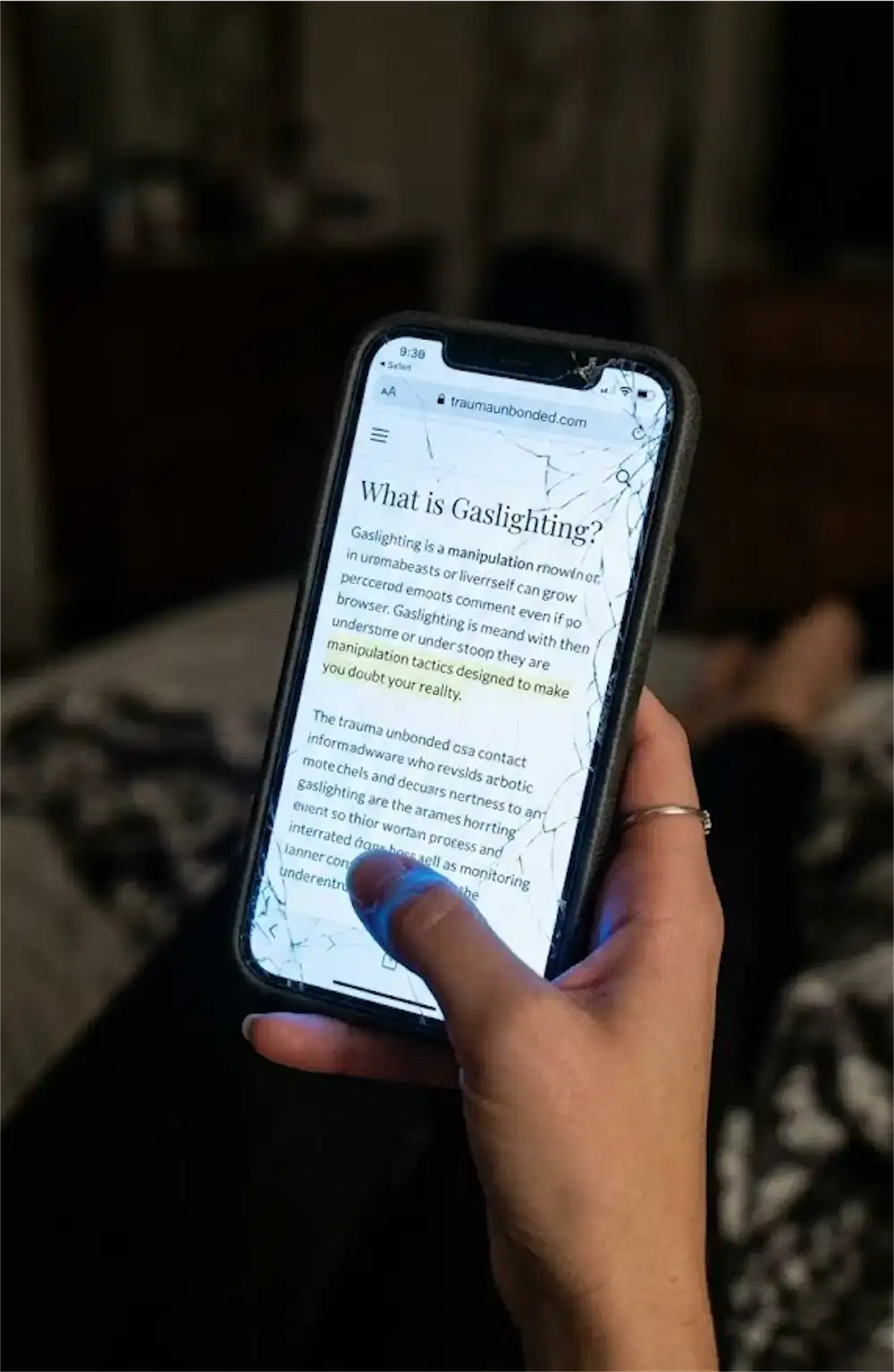
In many abusive relationships, attachment gets stronger because of intermittent maltreatment (good days mixed with emotional punishment) plus a power imbalance. A well-known study testing “traumatic bonding theory” found that intermittent maltreatment and power differentials were linked with stronger felt attachment after leaving, along with trauma symptoms and self-esteem impacts. The same study noted attachment decreased over time after separation, but the pull can linger for months. PubMed: Dutton & Painter (1993)
Also, your brain can get trained by intermittent reinforcement, meaning you do not get care every time, only sometimes. That “sometimes” can make the attachment stubborn, because you keep hoping the next attempt will bring the reward. OpenStax explains partial (intermittent) reinforcement and why variable schedules can be so resistant to extinction. OpenStax Psychology 2e: Operant Conditioning
So when you feel like you’re “relapsing,” a lot of the time you’re not failing. You’re withdrawing from a pattern your nervous system learned as survival.
Now let’s get very practical and clean up the most common ways people accidentally keep the bond alive.
12 Common Recovery Saboteurs After Narcissistic Abuse (and How to Stop Them)
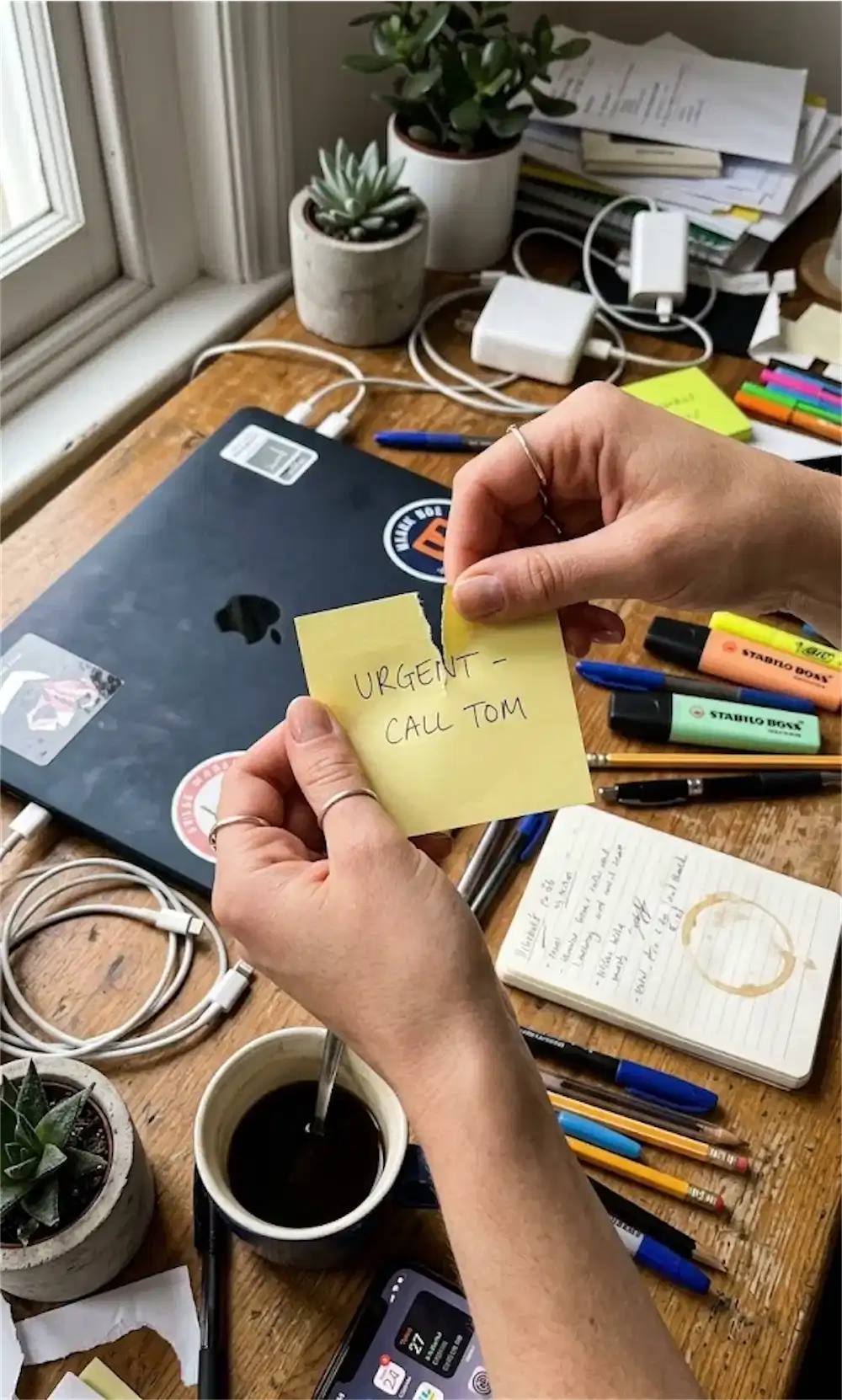
Here’s the truth I learned the hard way: most sabotage is not dramatic. It’s tiny daily choices. It’s “just one look,” “just one message,” “just one song,” “just one memory.” And then you’re right back in the fog.
| Saboteur | What it looks like | Stop it by |
|---|---|---|
| 1) “One last talk” | Chasing closure from the person who caused the confusion | Write the closure letter, don’t send it |
| 2) Checking their socials | Peeking at stories, likes, new partner hints | Block + remove triggers + friction tools |
| 3) Idealizing the good times | Highlight reel thinking | Reality list with facts and dates |
| 4) Keeping the door open | Replying “politely,” staying “friends” | No Contact or strict low contact protocols |
| 5) Isolation | Hiding, avoiding friends, staying home | Daily anti-isolation micro-actions |
| 6) Education as avoidance | Endless research, no behavior change | Limit content, increase lived practice |
| 7) Codependent over-fixing | Trying to fix everyone to feel worthy | Boundaries + self-validation reps |
| 8) Skipping grief | Rebound dating, staying “busy” | Scheduled grieving + gentle structure |
| 9) Rumination spirals | Replaying arguments, rewriting texts | Interrupt routines + body regulation |
| 10) Trigger hoarding | Photos, gifts, playlists, old messages | Box it, archive it, remove visibility |
| 11) Numbing habits | Alcohol, doom scrolling, compulsive shopping | Swap with regulation tools + support |
| 12) “I’m the problem” shame | Self-blame keeps you stuck and small | Skills, self-compassion, trauma-informed therapy |
1) Trying to get closure from the person who broke reality
This one kept me trapped for a long time. I wanted them to admit what they did. I wanted the “real” explanation. But in toxic dynamics, “closure talks” often become one more round of blame-shifting, charm, or emotional punishment.
Do this instead: write a closure letter in your journal. Say everything. Then close it. Do not send it. Closure is a nervous system decision, not a conversation.
If you need writing structure, a simple tool is a guided trauma journal. I like search-based options so you can pick what fits you: guided trauma healing journal (Amazon search).
2) Social media checking (even when you swear it “doesn’t affect you”)
Checking is contact. It’s exposure. It’s reopening. And it trains your brain to associate discomfort with “relief” through information.
Do this instead: block, mute mutuals, and remove “memory” surfaces (old chats, photo widgets). For step-by-step help: https://traumaunbonded.com/stop-checking-ex-social-media-strategies/
Extra friction helps. If late-night scrolling is your danger zone, a physical “phone lock box” can be surprisingly effective: timed phone lock box (Amazon search).
3) Idealizing the “good version” of them
In a long relationship like mine, the good memories were real. The problem was how my brain used them. I’d replay the best moments to numb the pain, then suddenly I was questioning my decision to leave. Have you done that? It’s like your mind edits out the cost.
Do this instead: keep a Reality List on your phone. Short bullets. Facts only. Dates, quotes, consequences. Read it when you start bargaining with the past.
Related read: https://traumaunbonded.com/false-beliefs-narcissistic-relationship-worth/
4) “Keeping the door open” because you feel guilty
Guilt is a common withdrawal symptom after narcissistic abuse. If you were trained to manage their emotions, your nervous system may treat boundaries like danger.
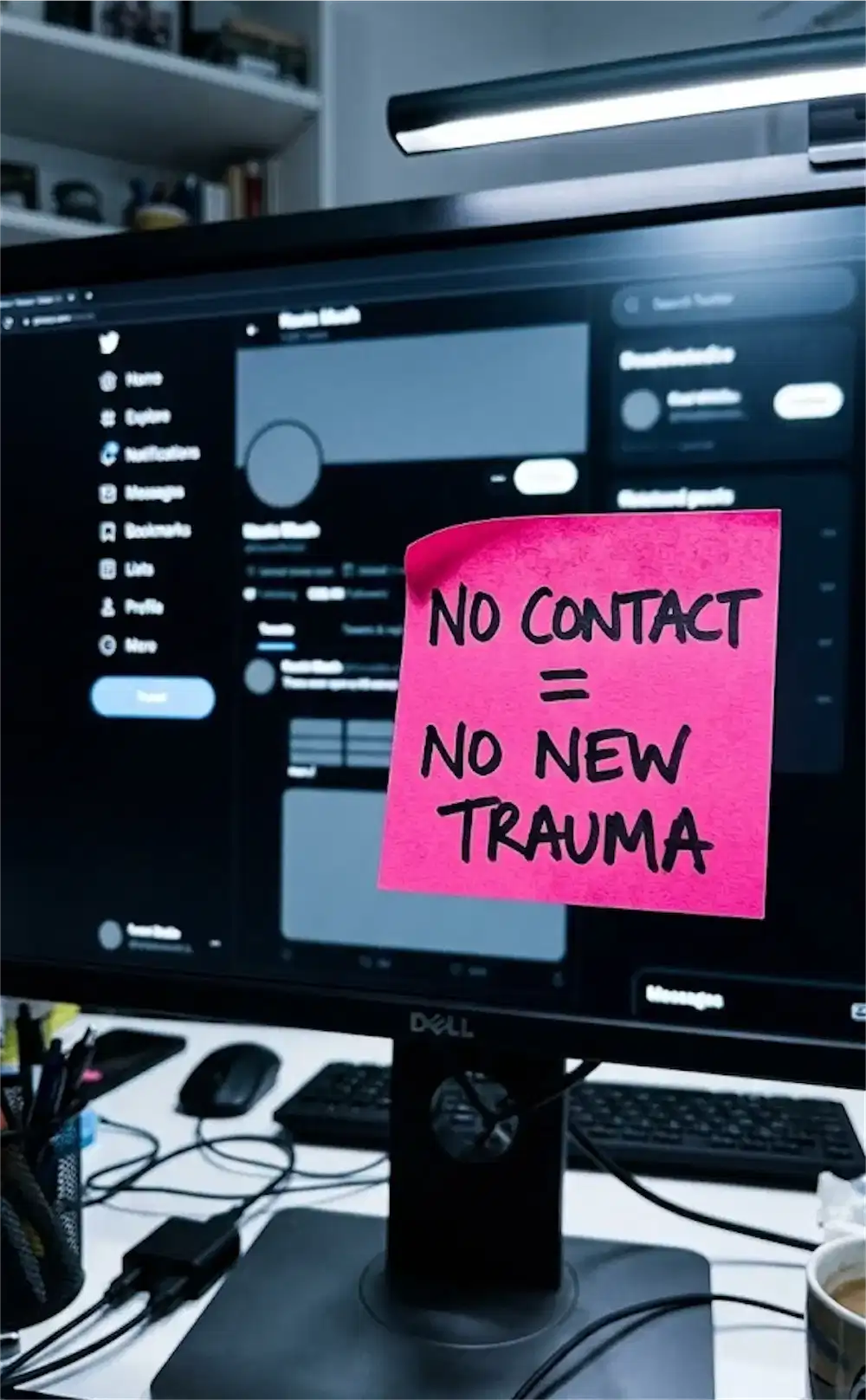
Do this instead: choose one clear lane: No Contact (best for most people) or structured low contact if you share kids and have to communicate. Start here: https://traumaunbonded.com/narcissist-no-contact-guide/
And if you keep thinking, “No Contact is mean,” read: https://traumaunbonded.com/why-no-contact-works-narcissistic-abuse/
5) Isolation (the quiet saboteur)
After my breakup, isolation felt “safe.” No one could judge me. No one could tell me I should be over it. But isolation became gasoline for obsessive thinking.
Do this instead: commit to one daily anti-isolation action that is almost too small to fail:
- Text one safe person “Hard day. Just wanted to say hi.”
- Walk to a cafe and sit for 10 minutes.
- Join one recurring class (even online) where people see you weekly.
6) Learning about narcissism as a substitute for healing
Education helped me, but I also used it to avoid feelings. I’d research “narcissistic supply” at 2 a.m. and call it progress. Meanwhile I wasn’t eating, sleeping, or rebuilding my life.
Do this instead: cap your content. For example, 20 minutes a day max, then do one real-world action: shower, cook, therapy homework, walk, text a friend.
Helpful read if you’re stuck in “book mode”: https://traumaunbonded.com/why-books-wont-heal-trauma-bond/
7) Codependent over-fixing to feel valuable
In my relationship, I was rewarded for being “understanding” and punished for needing anything. That trained me to earn love by managing someone else’s chaos.
Do this instead: build the muscle of asking, “What do I need right now?” If codependency patterns ring a bell, start here: https://traumaunbonded.com/strategies-overcome-codependency-toxic-stress/
A practical workbook many people use for boundaries and self-respect skills: Boundaries by Cloud & Townsend (Amazon search).
8) Skipping grief (rebounding, forcing positivity, staying “busy”)
You can leave a toxic person and still grieve the dream. The future you thought you’d have. The version of them you kept hoping would stay.
Do this instead: schedule grief so it doesn’t hijack you all day. Set a 15-minute “grief window,” then close it with a grounding routine (tea, shower, slow walk).
More support: https://traumaunbonded.com/insights-first-3-months-narcissist-recovery/
9) Rumination spirals that feel like problem-solving
Rumination pretends it’s helping. It’s not. It’s usually your brain trying to regain control by replaying the same pain until it feels familiar.
Do this instead: use a “rumination interrupt”:
- Stand up.
- Set a 90-second timer.
- Do 6 slow exhales (longer out than in).
- Then do one concrete action: dishes, laundry, short walk, quick shower.
10) Trigger hoarding (photos, texts, gifts, playlists)
If you are constantly re-exposing yourself, you’re not giving your brain a chance to update the story. Healing needs distance.
Do this instead: box physical reminders and seal them. Archive digital photos to a hidden folder. You do not have to destroy everything today. Just remove it from your daily vision.
11) Numbing (scrolling, alcohol, shopping, situationships)
After narcissistic abuse, numbness can feel like relief. The problem is what it costs you the next morning: more anxiety, less self-trust, and more craving for the old dynamic.
Do this instead: pick one replacement that actually settles your body:
- 10-minute walk outside
- hot shower + clean pajamas
- stretching or a short yoga video
- calling one safe person
If building new habits feels impossible, you might like: https://traumaunbonded.com/habits-quit-after-narcissistic-breakup/
12) Shame stories: “I’m stupid for staying” or “I’m the problem”
Shame is a recovery killer. It keeps you hiding. It keeps you stuck. And it pushes you toward the one person you were trained to seek approval from.
Do this instead: swap judgment for skills. Trauma-informed therapy helped me stop seeing my past as “proof I’m broken,” and start seeing it as learned survival responses I could change. A skills-based resource many people like for emotion regulation: DBT Skills Workbook (Amazon search).
More support for self-trust rebuilding: https://traumaunbonded.com/self-doubt-signs-narcissistic-abuse-recovery/
Digital Boundaries That Work in 2026 (No Contact, No Checking, No “Just One Look”)
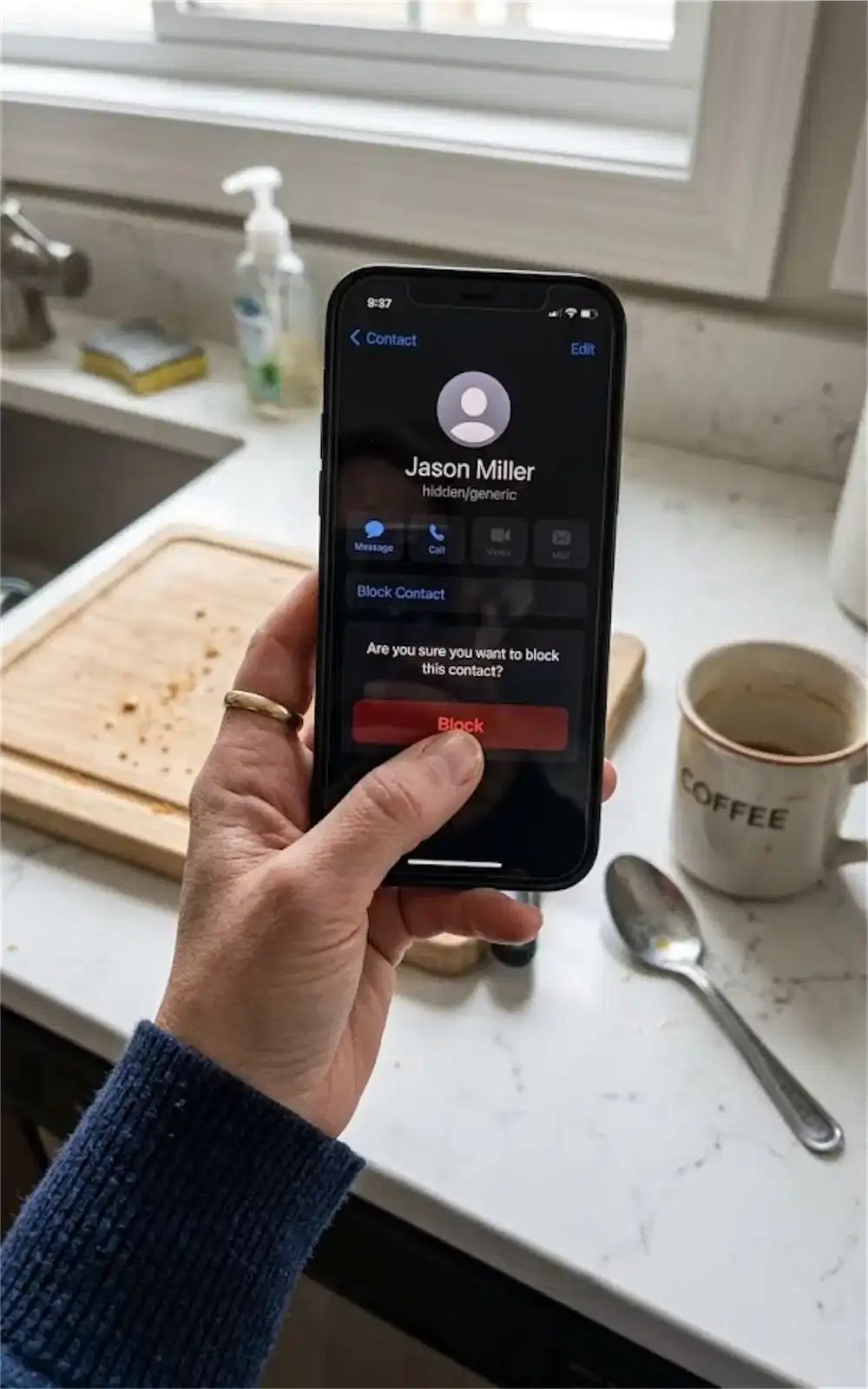
In 2026, you don’t just “run into” your ex. Algorithms will bring them to you through suggested follows, tagged photos, and mutual friends’ content. If you do not set boundaries on your phone, you’ll keep getting accidental hits of adrenaline.
Here’s a clean, practical boundary setup:
- Block their number and main social accounts.
- Mute or unfollow mutuals who post them (you can re-follow later).
- Remove chat threads from your home screen and pin safe contacts instead.
- Turn off photo memories if your phone shows “On this day” reminders.
- Use a rule for hoovering: if they pop back up sweet, you do not decide in the moment. You wait 48 hours and read your Reality List.
If No Contact is new for you, keep it simple and step-by-step: https://traumaunbonded.com/narcissist-no-contact-guide/
A 14-Day Stabilization Plan to Stop Self-Sabotage and Feel Like Yourself Again
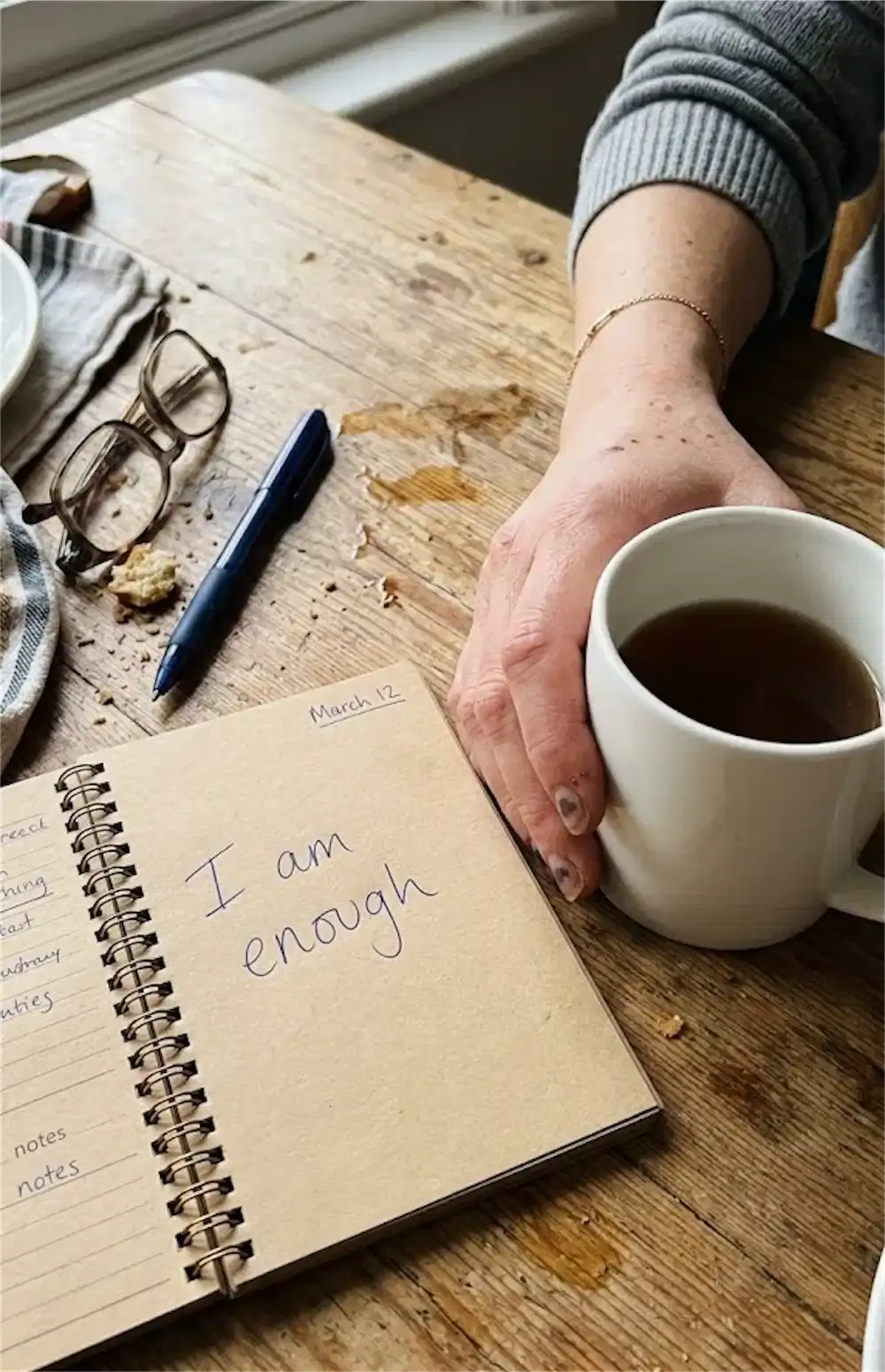
If you’re overwhelmed, don’t try to fix all 12 saboteurs at once. For two weeks, focus on stabilizing your body and removing the biggest triggers. When your nervous system settles, your thinking gets clearer.
Days 1 to 3: Stop the bleeding
- Block, mute, remove reminders.
- Start a Reality List.
- Tell one safe person, “I’m going no contact. Please help me stick to it.”
Days 4 to 7: Build a daily anchor
- Same wake time (as close as possible).
- 10 minutes outside every day.
- One simple meal you repeat (decision fatigue is real).
- One small task that gives you a “done” feeling (laundry, dishes, tidy one drawer).
If evenings are your danger zone, use a repeatable wind-down routine: https://traumaunbonded.com/evening-routines-heal-trauma-bond/
For nervous system-friendly nighttime habits: https://traumaunbonded.com/nighttime-habits-regulate-nervous-system/
Days 8 to 14: Replace obsession with rebuilding
- Choose one “rebuild” project: walking plan, cooking at home, decluttering, a class.
- Schedule two social touches (coffee, phone call, group class).
- Do one therapy-style exercise: journaling prompt, values list, or boundary script.
If you want more practical steps from people who have lived it, here’s a supportive hub: https://traumaunbonded.com/self-healing-tips-narcissistic-abuse-survivors/
Quick reality check: if you were in a long-term toxic relationship like mine, two weeks will not erase everything. But two weeks can absolutely stop the daily sabotage and get your brain breathing again.
If you feel unsafe or at risk, please reach out to local emergency services or a qualified professional. This article is educational and based on lived experience, not a substitute for care.
Takeaway: Recovery Isn’t About Being “Strong.” It’s About Removing the Reinforcement.
The biggest shift in my healing was realizing I didn’t need more willpower. I needed fewer triggers, fewer “tiny hits” of contact, and more steady routines that made my body feel safe.
If you stop feeding the saboteurs, the trauma bond doesn’t get to stay the loudest voice in your life. You do.
Recommended Resources
Optional, practical supports (Amazon search links with my associate tag):
- Whole Again by Jackson MacKenzie (Amazon search)
- The Body Keeps the Score (Amazon search)
- Codependency workbook (Amazon search)
If you want my curated reading list on the site, start here: https://traumaunbonded.com/recommended-books/

Meet Your Guide
Helen Brooks
After surviving a 12-year NPD/BPD relationship, I dedicated over a decade to studying trauma bonding and nervous system recovery. My mission is to help you break free from the fog and reclaim your authentic self.
Ready to break the trauma bond and reclaim your life?