Ambiguous Loss: Mourning Someone Who is Still Physically Alive After a Discard
Experiencing ambiguous loss while mourning someone who is still physically alive after a sudden discard is one of the most painful forms of silent grief. When a toxic relationship ends abruptly, you are forced to process a profound loss without any physical death or formal closure. Having survived a twelve-year toxic relationship with a partner who displayed severe narcissistic and borderline traits, I remember the exact moment my world collapsed overnight.
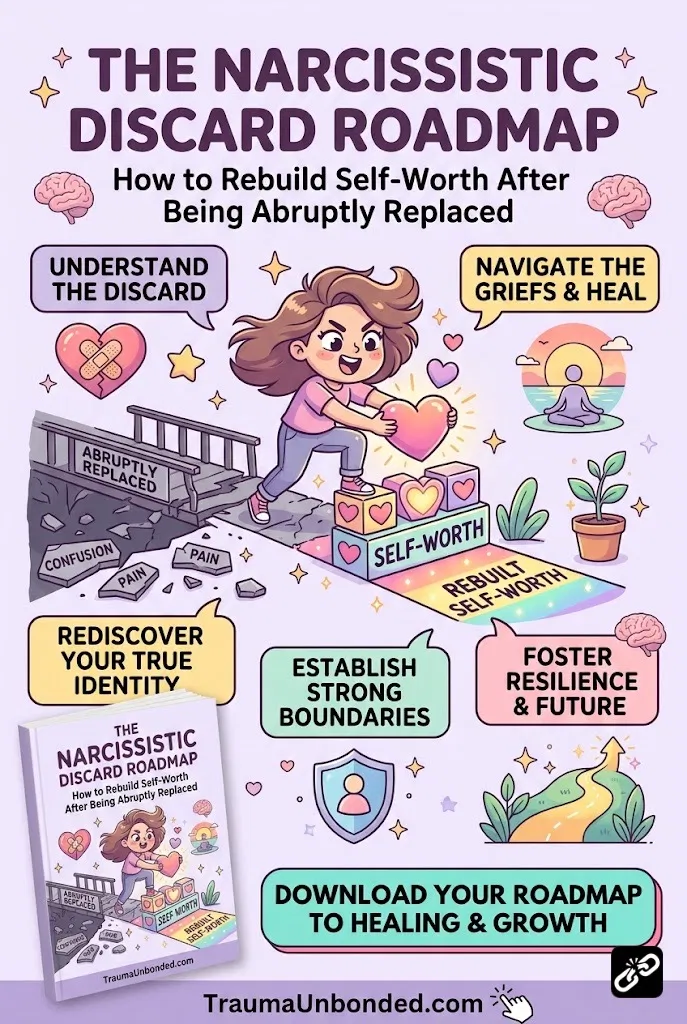
I was left completely devastated, isolated from my closest friends, devoid of any hobbies, and feeling like my entire life was miserable. Grieving a person who is still walking around, breathing, and perhaps even smiling in photos with someone else feels like a cruel trick of the mind. If you are currently struggling to survive this agonizing experience, finding a structured path like The Narcissistic Discard Roadmap can help you make sense of the emotional wreckage.
During my own recovery, professional therapy helped me understand that I was dealing with severe codependency and a shattered identity. I had to learn how to separate my self-worth from a partner who could switch from adoration to total coldness in a matter of seconds. Why does your mind keep cycling through the memories of someone who treated you so poorly?
What is Ambiguous Loss After a Toxic Discard?
Ambiguous loss after a toxic discard refers to the painful state of grieving a partner who is still physically alive but psychologically dead to you, leaving you without closure or a clear end to the relationship. It freezes your grief because there is no physical death to mark the loss, keeping your nervous system in a constant loop of waiting and confusion.

In a standard breakup, there is usually some level of mutual conversation, or at least a recognizable reason for the parting. But when you experience a sudden discard, the emotional rupture is swift and absolute, leaving you with a haunting silence. You are left feeling like someone died but they are still alive, which creates a deep sense of disorientation.
This specific type of suffering is often unrecognized by family and friends, who might tell you to just move on since it was a toxic dynamic anyway. They do not understand that you are not just mourning a person, but also the future you spent years planning together. Realizing the role of grief in narcissistic abuse recovery is a necessary step to stop blaming yourself for the pain you feel.
In my twelve years with my ex, I witnessed several cycles of idealization and devaluation, but nothing prepared me for the final discard. They walked away as if our decade of shared history meant absolutely nothing, leaving me with a crushing sense of emptiness. How could someone who claimed to love you turn into a cold stranger overnight?
The Psychological Struggle: Grieving a Person Who is Still Alive
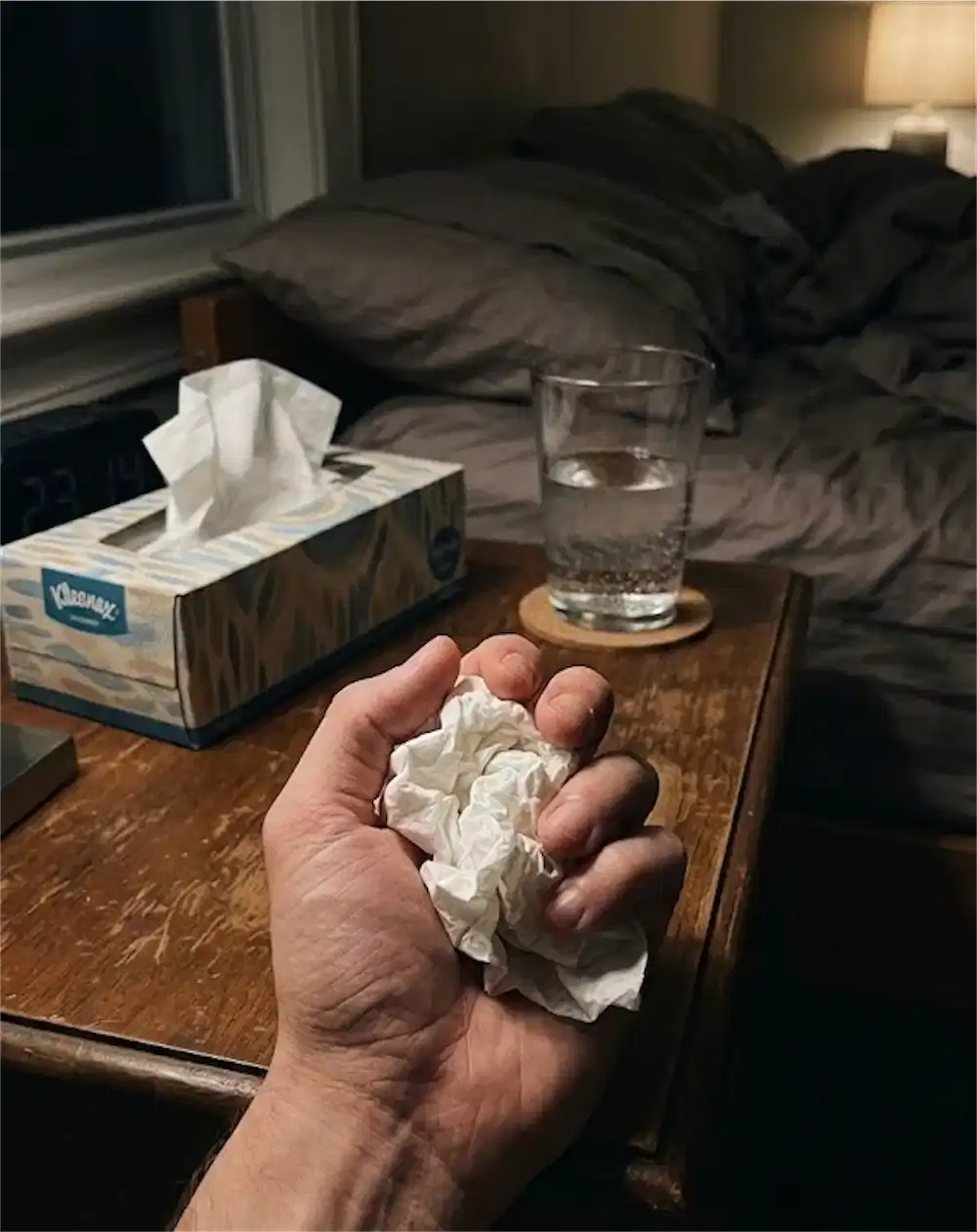
The mental torture of grieving a toxic ex after discard lies in the constant battle between your logical brain and your emotional attachment. Your logical mind knows they were manipulative, but your heart still yearns for the brief moments of warmth they used to provide. This painful push and pull is driven by a deep biochemical hook, often called a trauma bond biochemical addiction, which mimics physical withdrawal.
When you are discarded, the abrupt removal of validation sends your nervous system into high alert. You might find yourself checking their social media, hoping to see a sign of regret or sadness, only to find they have seemingly moved on without a care. This constant searching for answers that do not exist keeps you trapped in a cycle of hope and despair.
To break this exhausting cycle, you need a structured strategy that helps you reclaim your personal power and rebuild your sense of identity from the ground up. The roadmap below is specifically designed to guide you through the raw aftermath of a sudden discard, giving you the practical tools needed to survive the silence and stop the mental loops.
Why does a discard hurt so much compared to a healthy breakup? Because a healthy breakup allows you to voice your feelings, whereas a discard leaves you screaming into a void. You are forced to carry a heavy burden of unexpressed grief, constantly trying to reconcile the caring person they once pretended to be with the monster who threw you away.
This painful state is a form of disenfranchised grief because society rarely provides rituals for mourning someone who is still living. There are no funerals, no sympathy cards, and no bereavement leave for a shattered heart caused by emotional abuse. You are left to carry the weight alone, walking through your daily routine while feeling entirely hollow inside.
How to Grieve Someone Who Is Still Alive After a Discard
Healing from this heavy silence requires you to accept a difficult truth: you will never get the closure or the apology you deserve from them. You must learn how to grieve someone who is still alive by creating your own closure and focusing on your internal recovery. Here are a few practical strategies that helped me rebuild my life after my own twelve-year relationship ended:
- Practice Radical Acceptance: Acknowledge that the person you loved was a temporary mask, and the person who discarded you is their actual daily reality.
- Go Completely No Contact: Block their number and social media profiles to stop the constant trickle of new emotional trauma.
- Focus on Somatic Release: Move the physical tension of grief out of your body through gentle walks, stretching, or deep breathing.
- Reconnect with Small Joyful Habits: Dedicate fifteen minutes a day to a simple hobby you abandoned during the toxic relationship.
If your ex partner displayed strong borderline traits, reading a detailed BPD discard survival guide can help you understand the psychology behind their sudden splitting behavior. Recognizing that their sudden coldness is a reflection of their internal instability rather than a sign of your worthlessness can lift a massive weight from your shoulders.
This process of moving forward is slow, and there will be days when the heavy feelings of loss return with full force. According to a helpful article on Psychology Today, identifying this unique pain as a form of unrecognized grief is a crucial step to unfrozen healing. Once you give your pain a name, you can finally begin to process it instead of staying stuck in a loop of confusion.
Eventually, the fog will clear, and you will find your way back to your original self: cheerful, optimistic, and grounded in your own reality. Grieving someone who is still alive is a heavy journey, but it is also the path toward reclaiming a life that belongs entirely to you. To help guide your healing and rebuild your self-worth after being abruptly cast aside, consider using the practical steps outlined in The Narcissistic Discard Roadmap to reclaim your peace.

Meet Your Guide
Helen Brooks
After surviving a 12-year NPD/BPD relationship, I dedicated over a decade to studying trauma bonding and nervous system recovery. My mission is to help you break free from the fog and reclaim your authentic self.
Ready to break the trauma bond and reclaim your life?