Mutual Friend Stalking: How to Stop Using Friends to Get Updates on Your Toxic Ex
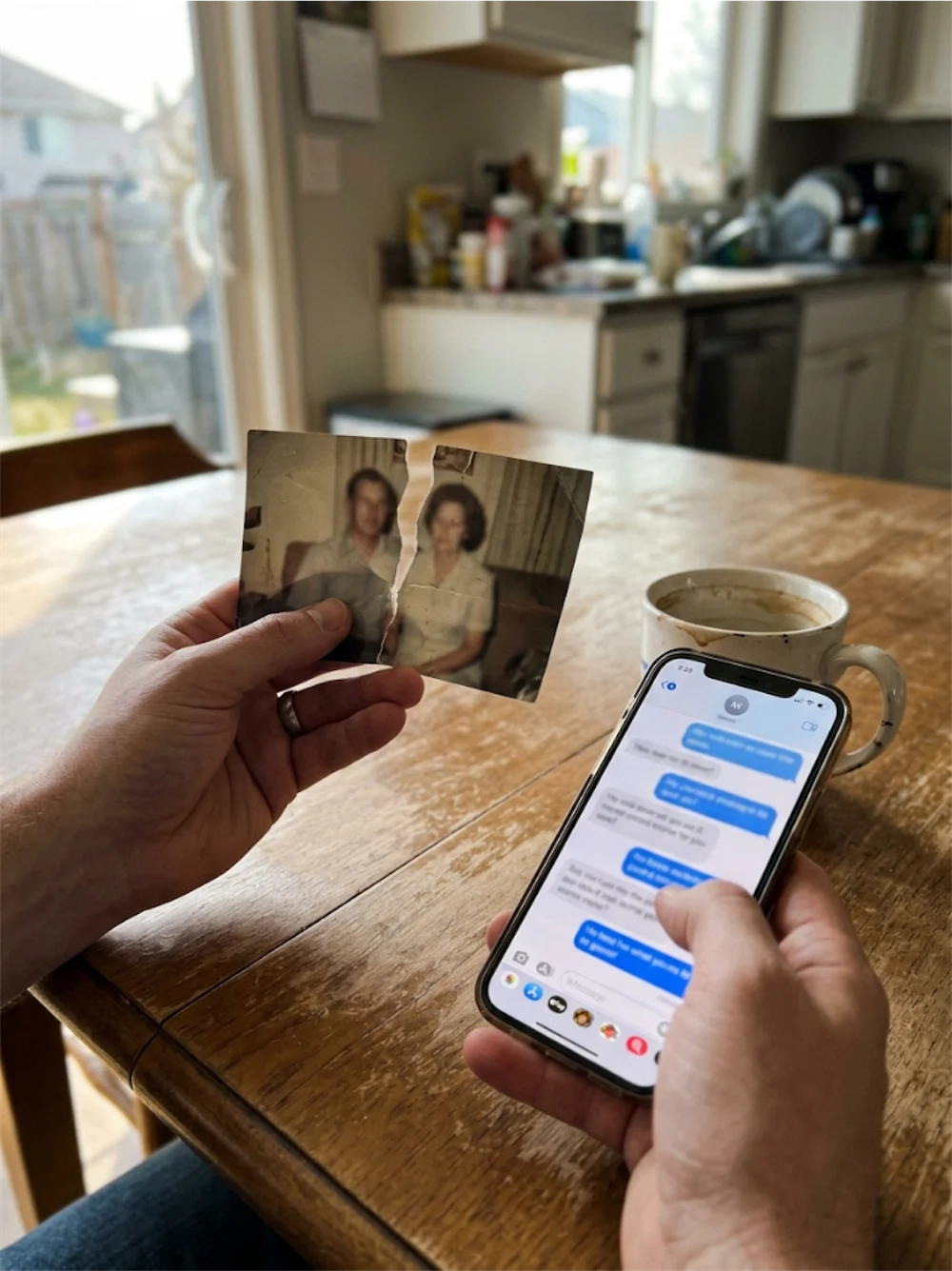
If you are caught in the cycle of mutual friend stalking to keep tabs on your ex, you know how exhausting it is to search for breadcrumbs of their new life. During my own 12-year toxic relationship with a partner who displayed severe NPD and BPD traits, I became a master at extracting info from shared acquaintances. I would casually steer coffee shop chats toward his name, hoping someone would drop a clue about how he was doing, who he was dating, or if he was suffering as much as I was. It was a painful habit that triggered severe trauma bond withdrawal symptoms, keeping me firmly locked in the past instead of moving forward.
Breaking free from this addiction is one of the hardest parts of narcissistic abuse recovery. My breakup left me completely isolated, without hobbies, and feeling like my life was entirely miserable. To rebuild your life and protect your peace, utilizing a step-by-step roadmap like the Going Ghost Guide & Workbook can help you set clear boundaries and quiet the obsession.
How do we stop asking mutual friends about our toxic exes when our nervous system is screaming for information? It starts with understanding why we do it and learning how to break the invisible thread that keeps us tied to their world.
What is Mutual Friend Stalking and Why Do We Do It?
Mutual friend stalking is the act of using shared acquaintances, family members, or mutual social circles as indirect channels to gather information, updates, or reassurance about a toxic ex-partner. This behavior is driven by the trauma bond, which seeks to maintain a psychological connection to the abuser even after physical separation.

When you spend a decade or more walking on eggshells, your brain adapts to a constant state of high alert. In my relationship, knowing my partner’s mood was a survival mechanism. After we separated, that biological habit did not just disappear. My brain craved the chemical high of knowing what he was doing, even if that news made me physically sick. Asking friends “how is he?” became my secret way of getting a quick fix without breaking my physical commitment to no-contact.
We often disguise this behavior as harmless curiosity or polite concern. We tell ourselves we just want to make sure they are okay, or that we are merely managing the social fallout. In reality, it is a way to stay connected to the trauma. If you are struggling with the aftermath of shared connections, learning about handling mutual friends after a breakup can help you identify these subtle traps before they reset your healing timeline.
The Psychological Damage of Indirect Monitoring
Every time you ask a friend for an update, you reopen the wound. You might think that hearing your ex is miserable will bring you closure, or that hearing they have moved on will help you let go. But information in recovery is almost never helpful; instead, it acts as fuel for your obsessive thoughts. According to studies on post-breakup digital surveillance published on Psychology Today, monitoring an ex’s life prolongs distress, increases longing, and directly blocks your emotional recovery.
When you use mutual friends as scouts, you also place them in an incredibly unfair position. They become messengers in a silent war, forced to choose sides or filter what they say to keep the peace. Over time, this dynamic drains your friendships. In my early recovery, I noticed friends pulling away because our conversations always revolved around my ex. I was so consumed by the trauma bond that I forgot how to be a supportive friend, which only increased my isolation.
If you want to stop this self-destructive pattern and reclaim your mental freedom, you need a structured plan. You must learn how to handle shared social groups without letting your ex hijack your thoughts.

How to Quit Asking Mutual Friends About Your Ex
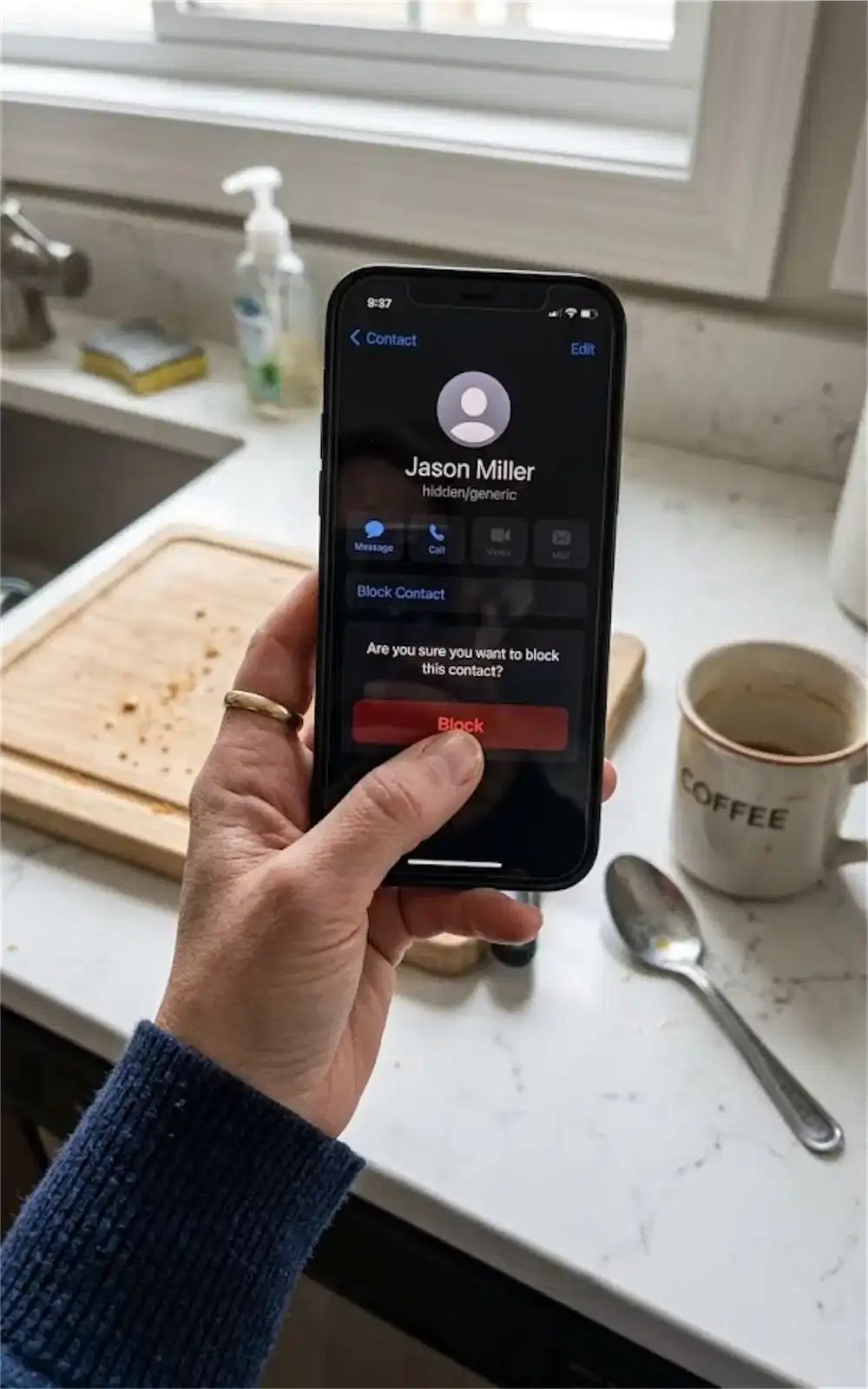
Stopping this habit requires conscious effort and strict boundaries with yourself and others. Here are practical steps to help you close the information loop:
- Set a conversational boundary with friends. Tell them directly: “I am trying to heal, so please do not share any updates about my ex, even if you think I want to know.” This removes the burden from them and protects your ears from accidental triggers.
- Implement a ten-minute pause. When you feel the intense urge to ask a mutual friend “have you seen them lately?”, stop. Wait ten minutes. Ask yourself: “Will knowing this make me feel safe, or will it make my anxiety worse?” Usually, the urge passes once the initial dopamine spike settles.
- Stop digital checking. If you are using your friends’ social media feeds to see if your ex is in the background of their photos, you are still actively feeding the addiction. You can read our advice on how to stop checking your ex’s social media to break this digital tracking habit.
- Diversify your social network. If your entire social life is tied directly to your ex, it is incredibly difficult to heal. Reconnecting with old hobbies, joining new groups, or spending time with family members who are entirely separate from your past relationship will give your mind a safe space to rest.
Learning how to manage these interactions is a core part of navigating friendships with mutual friends of a narcissist. It prevents you from falling back into old, codependent patterns where your entire identity is defined by someone else’s behavior.
Managing the Panic of Not Knowing
When you stop seeking updates, you will feel a sudden, uncomfortable silence. In my 12 years with my ex, my nervous system was constantly wired to anticipate danger. Knowing what they were doing was a defense mechanism. When you cut off that flow of information, your brain might translate the silence as a threat.
It is important to understand that this panic is not a sign that you made a mistake. It is simply your nervous system processing the withdrawal of the trauma bond. Through professional therapy and learning about codependency, I slowly learned to sit with that empty space. Over time, the panic faded, and the silence became my favorite part of the day. I was finally returning to my original self: cheerful, optimistic, and grounded.
What to Do When Friends Keep Bringing Them Up
Sometimes, even after you set boundaries, well-meaning friends will slip. They might say, “Oh, I ran into your ex yesterday, they looked terrible,” or “I heard they are seeing someone new.” When this happens, you do not need to react with anger. Take a slow breath and gently repeat your boundary.
You can say: “Thank you for looking out for me, but as I mentioned before, I am not keeping track of their life anymore. Let’s talk about how you are doing instead.” If a friend consistently ignores this request, you may need to distance yourself from them temporarily. Your recovery must come before their need to share gossip.
Reclaiming your peace of mind is a daily choice. Stepping away from the urge to gather news through friends is a painful but necessary step in your recovery. If you are ready to stop the cycle of social circle anxiety and set boundaries that stick, grab your copy of the Going Ghost Guide & Workbook today. You deserve a life defined by your own growth, not your ex’s updates.

Meet Your Guide
Helen Brooks
After surviving a 12-year NPD/BPD relationship, I dedicated over a decade to studying trauma bonding and nervous system recovery. My mission is to help you break free from the fog and reclaim your authentic self.
Ready to break the trauma bond and reclaim your life?