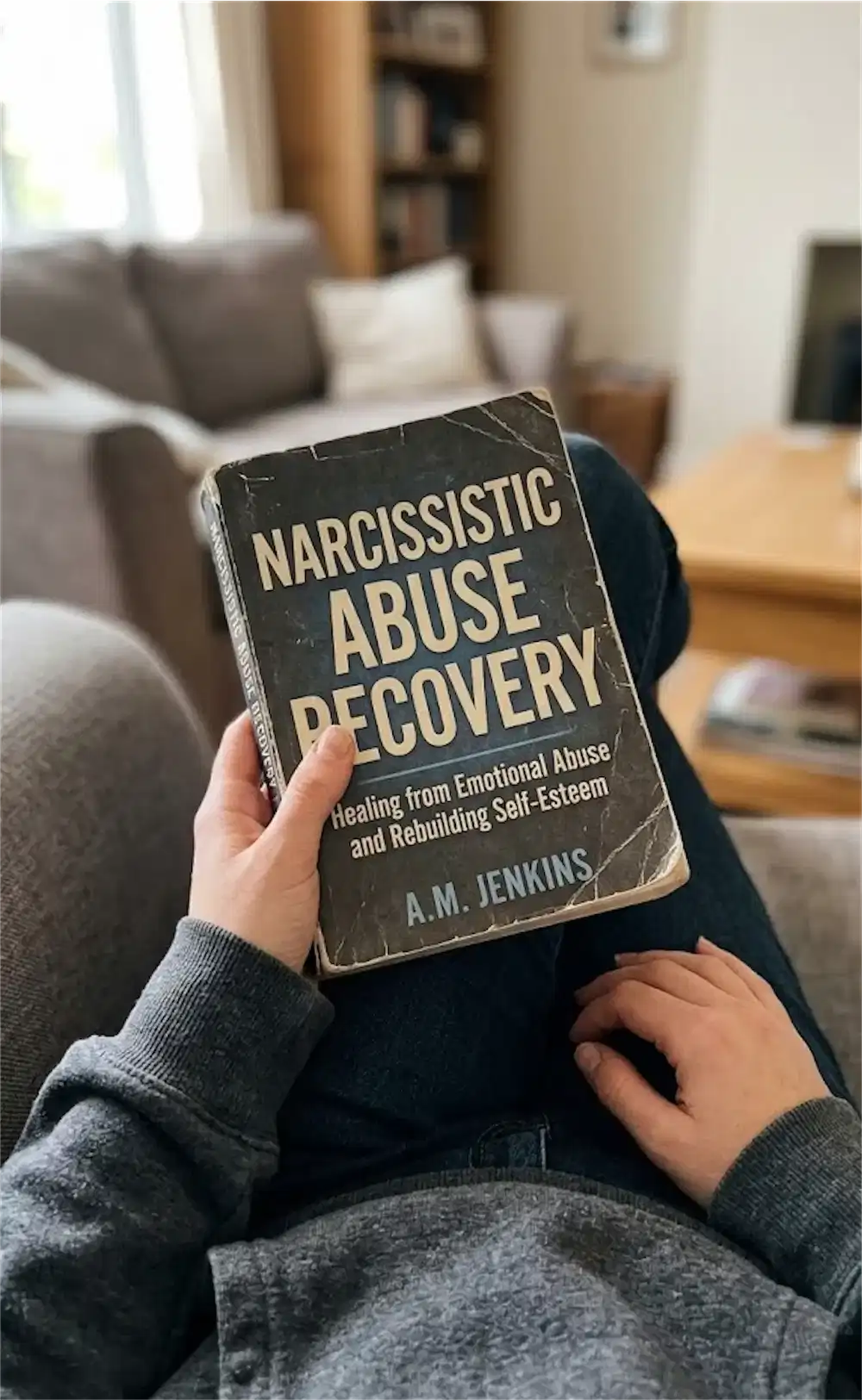
9 Habits I Quit After a Narcissistic Breakup That Transformed My Mental Health
I used to think the breakup would be the hard part.
But after I left a 12-year relationship with someone who showed strong NPD and BPD traits, the real shock was what happened inside me. My body acted like I was still in danger. I was isolated from friends, I had no hobbies left, and I felt like my life had collapsed into one endless loop of “What did I do wrong?” and “How do I fix this?”
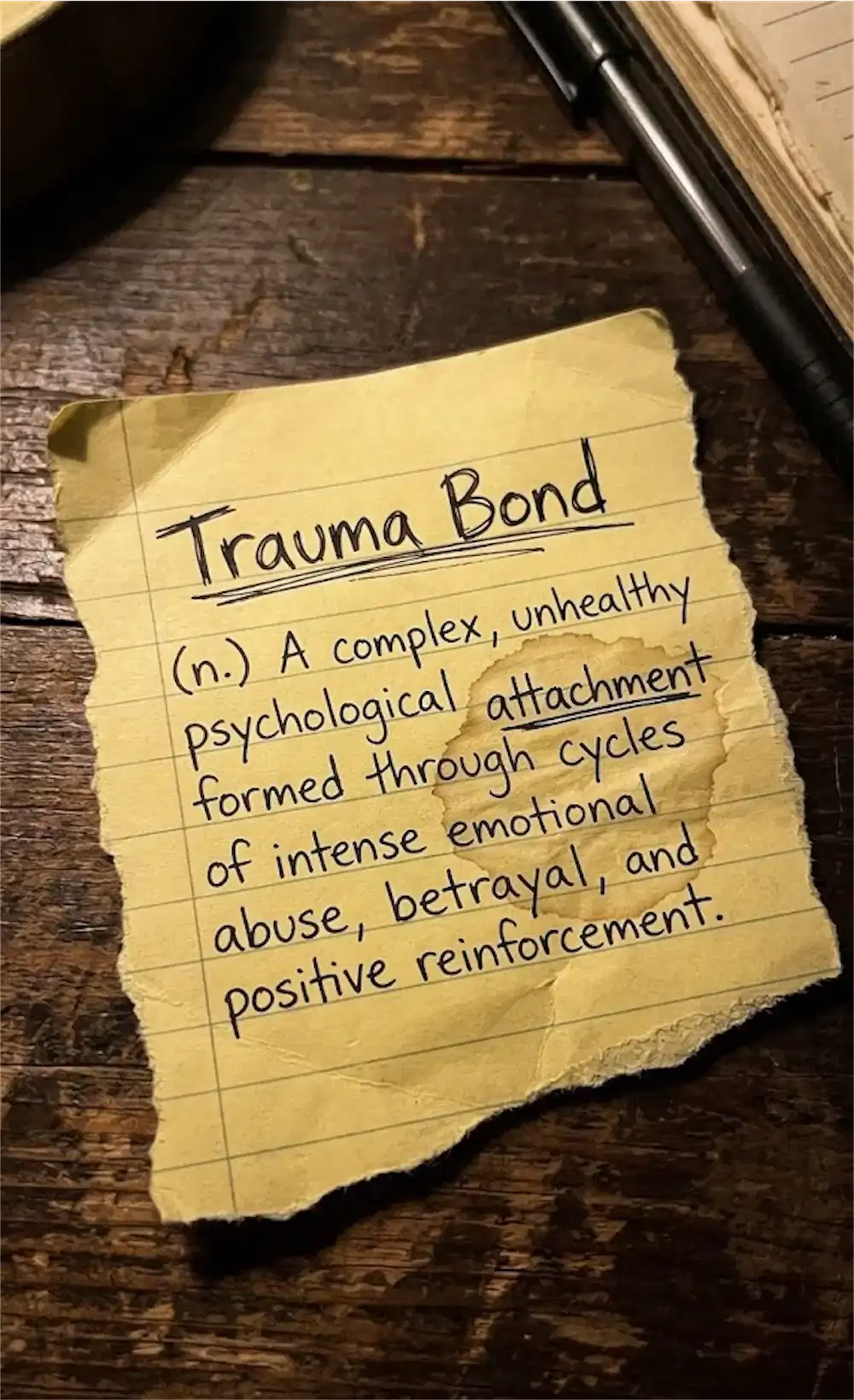
If you’re in that place right now, I want you to hear this clearly: you’re not “weak.” You’re not “addicted to drama.” You’re often dealing with a trauma bond, nervous system dysregulation, and the after-effects of long-term emotional manipulation.
These are the 9 habits I quit that changed everything. Not overnight. Not perfectly. But steadily enough that I got my mind back, then my mornings back, then my actual personality back. The cheerful, optimistic, grounded version of me that I thought was gone for good.
- Habit 1: Breaking no contact “just this once”
- Habit 2: Chasing closure from the person who harmed me
- Habit 3: Checking their social media (and reading between every line)
- Habit 4: Rumination disguised as “processing”
- Habit 5: Treating sleep and evenings like they didn’t matter
- Habit 6: Self-diagnosing them (and self-blaming myself) 24/7
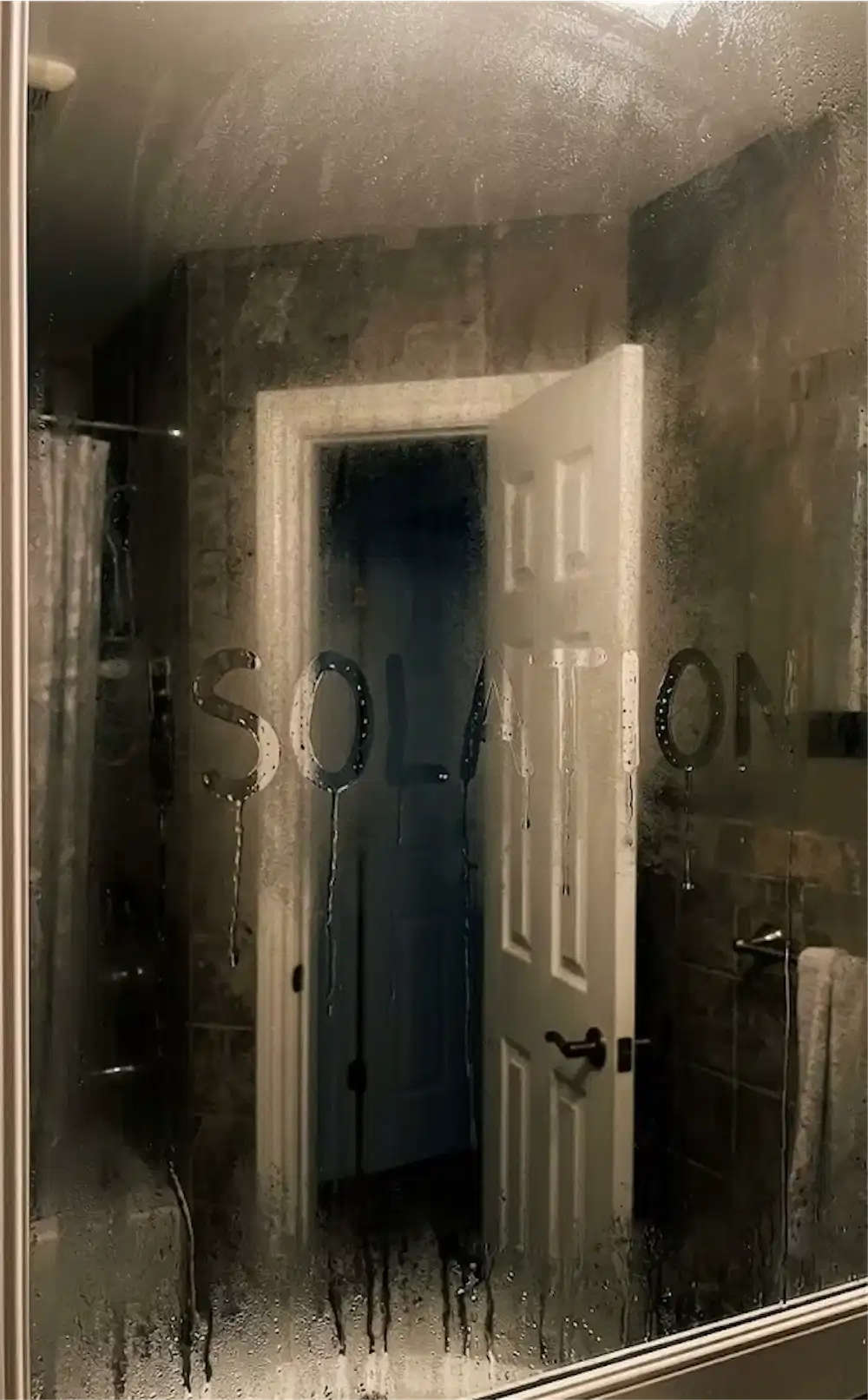
- Habit 7: Isolating because I felt ashamed
- Habit 8: Over-functioning, caretaking, and trying to prove my worth
- Habit 9: Living in adrenaline instead of regulation
Quick note: I’m not diagnosing anyone. Only a licensed professional can diagnose personality disorders. When I say “NPD/BPD traits,” I mean recognizable patterns that matched what I lived through, and what my therapist helped me name.
Why quitting “post-breakup habits” matters more than your willpower
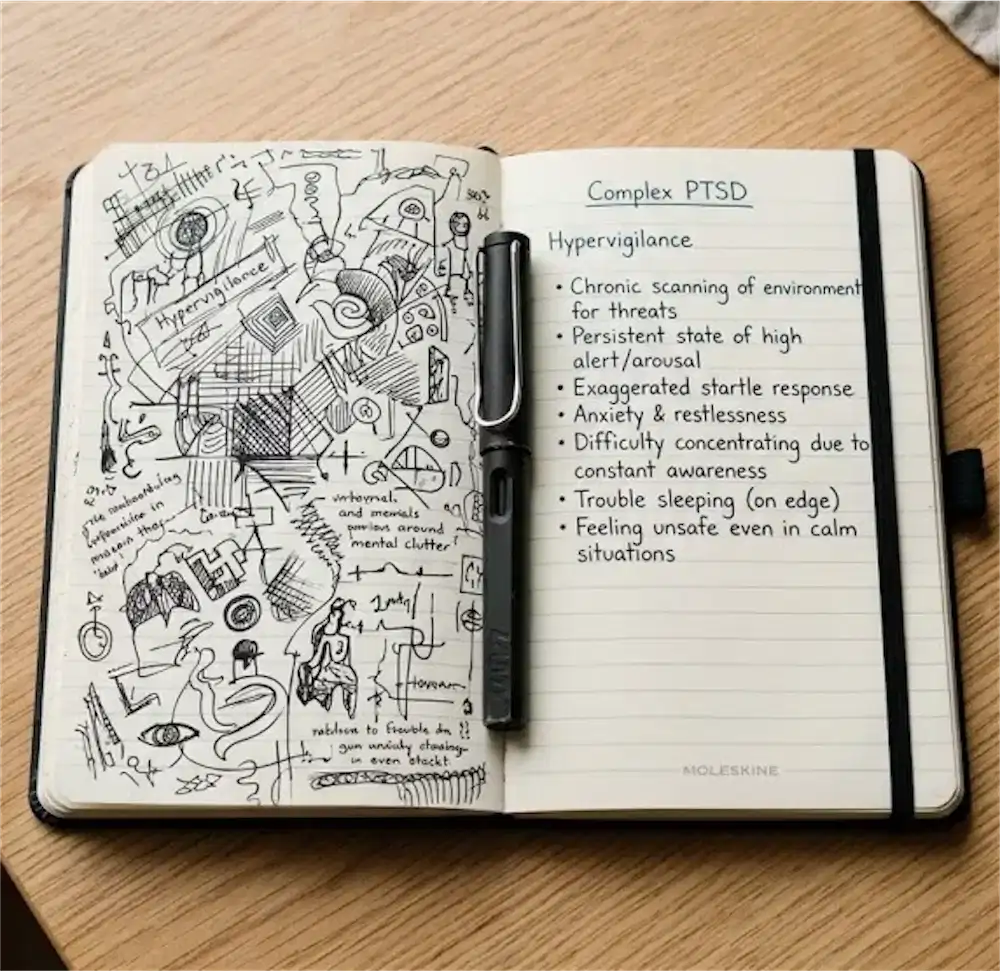
After a narcissistic breakup, your brain can keep acting like the relationship is still happening. You might feel calm one minute, then panicky the next. You might crave contact even when you logically know it’s poison. That’s not a character flaw. That’s your nervous system trying to end a threat pattern it got trained into for years.
Also, if you were with someone who had intense emotional swings, black-and-white thinking, or sudden rage followed by affection, your body learned to stay on alert. The “highs” felt like relief. The “lows” felt like emergency. That up-and-down cycle is a big reason trauma bonds can feel so sticky.
So the goal is not “be strong.” The goal is: remove triggers, reduce reinforcement, and rebuild regulation. That’s what the habits below are really doing.
Habit 1: No contact after a narcissistic breakup (my #1 nervous system boundary)
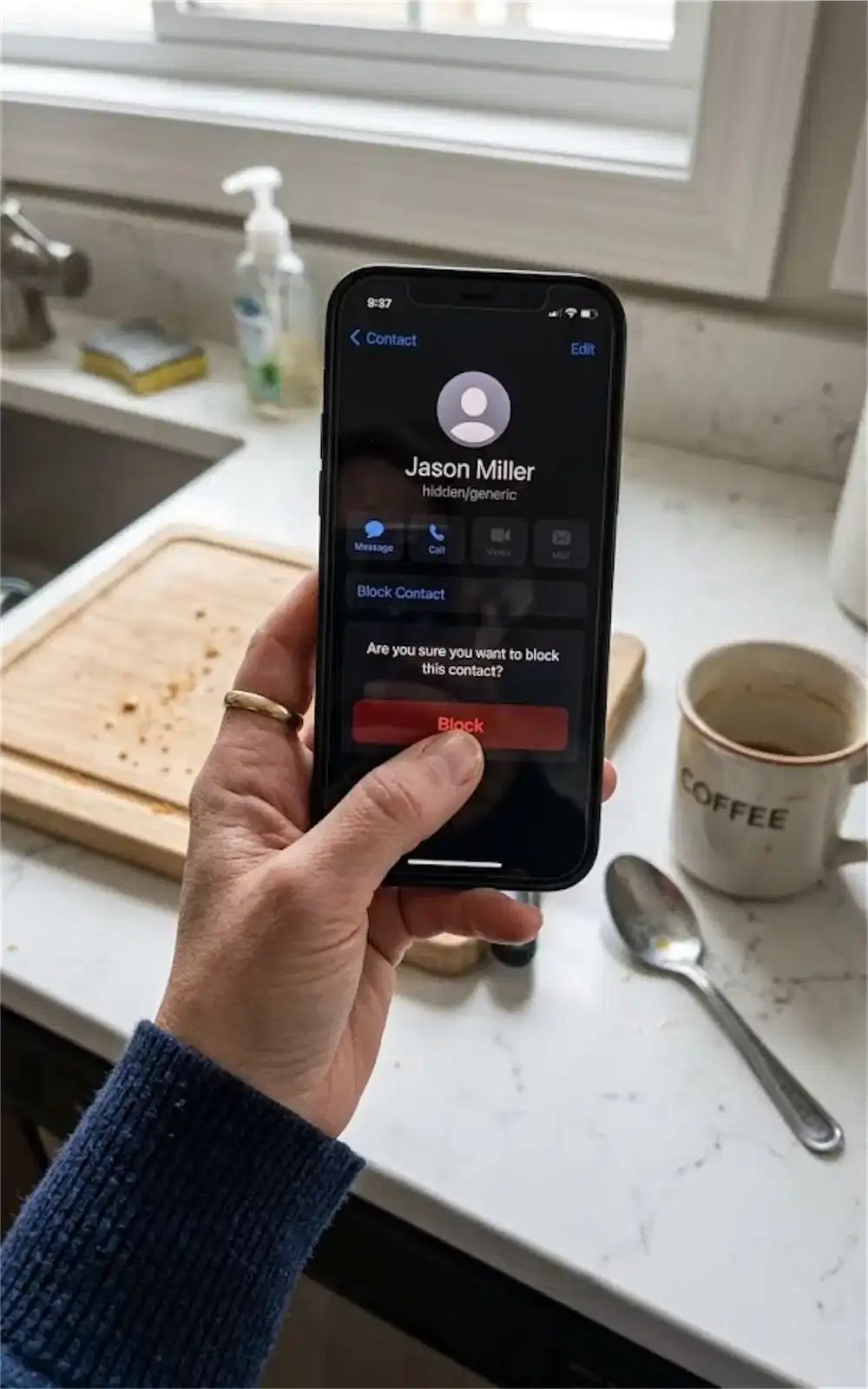
I used to break no contact for the same reason a dehydrated person drinks seawater. It felt urgent. It felt like relief. And it made everything worse.
In a long toxic relationship, contact isn’t neutral. Even a “Hey, just checking in” can flip your body back into the old role: explaining, proving, defending, hoping, bracing. If hoovering was part of your dynamic, one message can restart the whole cycle.
What finally worked for me was treating no contact like a medical-style boundary, not a romantic statement. It was protection. Not punishment.
- Make it physical: block, mute, delete threads, remove old photos from your phone (or move them to a locked folder you can’t casually scroll into).
- Make it social: tell one trusted friend, “If I try to text them, talk me down.”
- Make it visual: a sticky note on your mirror: “Contact = setback.”
- Make it about safety: if you fear escalation, document and consider professional advice.
If you need a deeper breakdown of why this works psychologically, I wrote about it here: Why No Contact Works in Narcissistic Abuse.
Helpful tool: If you struggle with boundaries (I did), the book Set Boundaries, Find Peace gave me scripts that felt firm but not cruel.
Habit 2: I quit chasing closure from the person who hurt me
I used to think closure was one perfect conversation where they finally understood. Where they apologized. Where they told the truth. Where I walked away feeling clean.
But if someone spent years rewriting reality, why would they suddenly become your clearest narrator at the end?
The shift happened when I accepted a brutal truth: closure is often a private decision. Not a mutual agreement.
- Closure can be: “This relationship harmed my mental health, and that is enough.”
- Closure can be: “I don’t need them to validate what I lived.”
- Closure can be: “My feelings are evidence.”
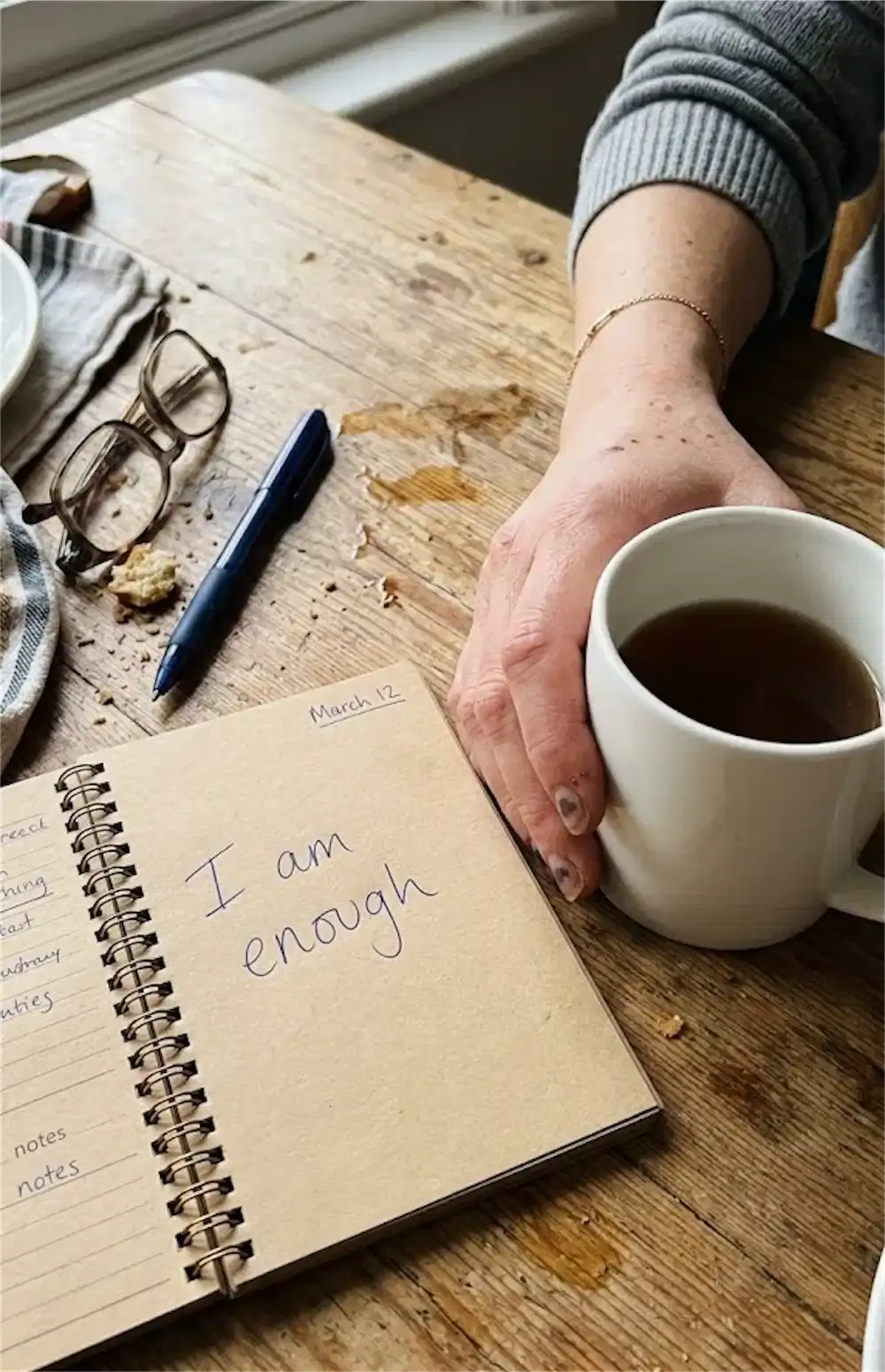
Practical exercise: I wrote a “final letter” I never sent. Then I read it out loud once, cried like it was a funeral, and put it away. If you want structure, a guided journal helps. Try a search like prompted healing journal.
Habit 3: Digital detox after narcissistic abuse (I stopped checking their social media)
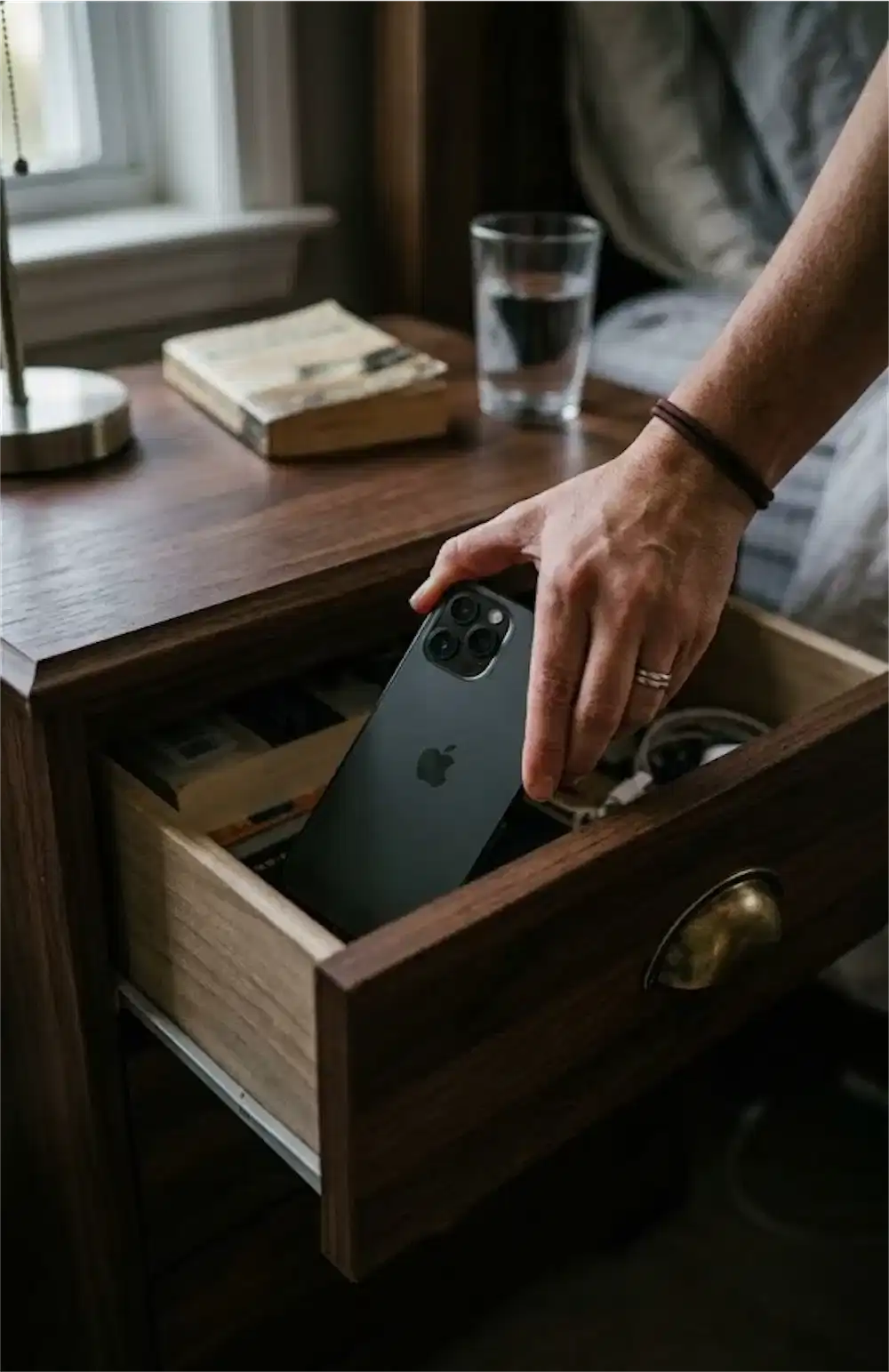
This one was humiliating to admit, even to myself. I would check. Then re-check. Then interpret every like, every follow, every quote. My brain treated their profile like a crime scene.
But social media stalking is basically self-harm with better lighting. It keeps your nervous system in threat mode and keeps the trauma bond fed with tiny hits of hope and pain.
Here’s what helped me stop without relying on willpower:
- Add friction: log out, remove apps, use a long random password stored somewhere inconvenient.
- Replace the ritual: every time I wanted to check, I did a 90-second reset (cold water on wrists, a short walk, or 10 slow breaths).
- Reality check: “If I see something that hurts me, I can’t unsee it.”
If this is your hardest habit too, use my step-by-step guide: Stop Checking Your Ex on Social Media (Practical Strategies).
Helpful tool: If you need extra guardrails, search Amazon for website blocker app options that limit access during your vulnerable hours.
Habit 4: I quit rumination that pretended to be “healing”
There’s a difference between processing and ruminating.
Processing moves you forward, even if it’s slow. Rumination is the same argument on replay, except now you’re arguing with someone who isn’t even in the room. I did it while driving. In the shower. At night. I could win the debate in my head a thousand times and still feel empty.
What helped was giving my mind a container so it stopped hijacking my whole day:
- Set a timer: 15 minutes a day to write out the loop, then stop.
- Name the hook: “This is the part where I try to prove I wasn’t crazy.”
- Ground in the present: “Right now, I’m safe in my house. It’s Tuesday. I’m drinking water.”
Book that helped: The Body Keeps the Score helped me understand why my body kept “remembering” even when my brain wanted to move on.
Habit 5: Self-care evening routine to heal a trauma bond (I stopped abandoning myself at night)
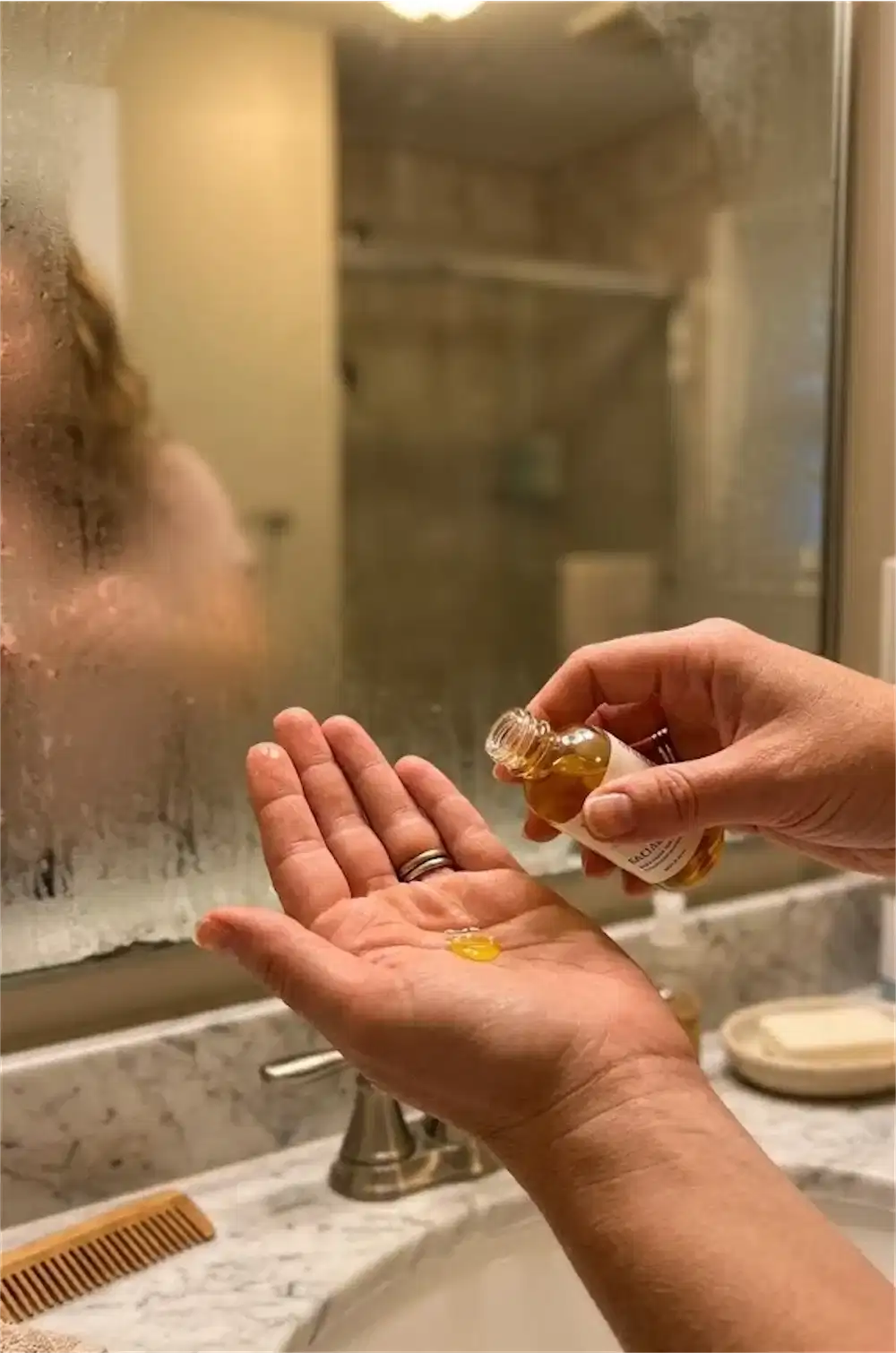
Nighttime was my danger zone. That’s when the grief got louder, the cravings hit, and the urge to text “just one last thing” felt almost logical.
So I stopped treating evenings like empty space I had to survive. I built a tiny routine that told my body, “We’re off-duty now.” Not a perfect spa night. Just basic, repeatable care.
- Same time, same order: shower, skin care, tea, phone in another room.
- One comforting sensory cue (lotion, clean sheets, a candle, or soft music).
- One “I’m proud of me” line written down, even if the day was messy.
If you want ideas, you’ll probably like: Evening Routines That Help Heal a Trauma Bond.
Helpful tools: a simple herbal sleep tea, a weighted blanket, or a guided sleep meditation can help your body downshift. (If you have medical conditions, check with a clinician first.)
Habit 6: I quit turning psychology into a weapon against myself
This is the part nobody talks about. Learning the terms can save you, but it can also trap you.
I spent months collecting labels like evidence. NPD. BPD. gaslighting. hoovering. splitting. I thought if I could just explain them correctly, my pain would finally make sense.
Education helped me, but only when I used it for boundaries and recovery, not for mental “court cases.” Credible mental health sources describe personality disorders as complex conditions, and treatment typically involves psychotherapy. For example, Mayo Clinic notes that treatment for narcissistic personality disorder centers on talk therapy (psychotherapy). And NIMH explains that borderline personality disorder involves difficulty regulating emotions and that psychotherapy is the primary treatment, with DBT developed specifically for BPD.
Here are two trustworthy starting points (not random threads, not viral clips):
- Mayo Clinic: Narcissistic Personality Disorder (overview and treatment)
- NIMH: Borderline Personality Disorder (signs, symptoms, and evidence-based treatments)
Books that helped me stop self-blaming: Stop Caretaking the Borderline or Narcissist and Codependent No More.
Habit 7: Rebuilding a support system after narcissistic abuse (I stopped isolating in shame)

I disappeared from people who loved me. Partly because I was exhausted, partly because I was embarrassed. After 12 years, I didn’t even know how to explain what happened without sounding dramatic.
So I started small. Not “tell everyone everything.” Just one safe person, one honest sentence.
- “I’m going through a breakup and it’s messing with my mental health. Can we get coffee?”
- “I don’t need advice yet. I just need a normal hour with someone kind.”
- “If I start defending them, remind me why I left.”
Support doesn’t erase grief. But it interrupts the trance. It helps your brain remember: “I have a life outside this person.”
Helpful tool: If talking is hard, start with listening. Audiobooks got me through lonely evenings. Try trauma recovery audiobooks and play one while you clean, fold laundry, or walk.
Habit 8: I quit over-functioning (codependency recovery became my turning point)
This one stung. Because it wasn’t only about them. It was also about me.
I was the fixer. The translator. The emotional medic. If they were cruel, I tried to be more understanding. If they pulled away, I tried harder. If they exploded, I walked on eggshells and called it “love.”
My therapist helped me see that caretaking can look like loyalty, but it often functions like self-erasure. Codependency recovery was where I learned to tolerate someone’s disappointment without panicking.
If this hits home, this post is a strong next read: Strategies to Overcome Codependency and Toxic Stress.
Helpful tool: DBT skills are not only for people with BPD. They’re great for anyone recovering from chaos. Search: DBT Skills Workbook.
Habit 9: I quit living in adrenaline (and started regulating on purpose)
For a long time, I thought healing was a mindset. It’s not only that. It’s also a body state.
When you’ve been in survival mode for years, calm can feel unsafe at first. You might even miss the intensity because at least intensity feels familiar.
So I practiced regulation like it was a daily appointment:
- Movement: a 10-minute walk counts. Consistency matters more than intensity.
- Orienting: look around the room and name 5 objects. Tell your body, “This is now.”
- Breathing: longer exhale than inhale. (Simple, but it helps.)
- Food and water: not as “wellness,” but as mood stability.
Helpful tools: a basic breathing necklace or grounding stone gave my hands something to do when my mind wanted to spiral.
A simple 30-day reset plan (if you want structure)
If you’re overwhelmed, use this as a starting point. Keep it boring. Boring is good. Boring is safe.
- Week 1: Lock down no contact. Remove obvious triggers. Tell one safe person.
- Week 2: Start a digital detox. Replace scrolling with walking or audio learning.
- Week 3: Build an evening routine. Same bedtime target most nights.
- Week 4: Add support: therapy, group, or consistent friend time. Begin codependency work.
You don’t need motivation first. You need repetition first. Motivation usually shows up after your system starts feeling safer.
Recommended Resources (books, tools, and gentle supports)
These are search-based Amazon links (so they keep working). Pick one or two that match your current struggle.
- “Psychopath Free” (rebuilding self-trust after manipulation)
- “Whole Again” (practical trauma-bond recovery steps)
- “Set Boundaries, Find Peace” (scripts that reduce guilt)
- DBT skills cards (quick tools for spirals)
- Therapy notebook or recovery journal (to track patterns and progress)
When professional help matters (and it is not a sign you failed)
If you’re having panic attacks, intrusive thoughts, nightmares, or you feel like you can’t function, professional support can speed up recovery and reduce suffering. A trauma-informed therapist helped me untangle the trauma bond, the codependency, and the distorted beliefs I picked up from years of being blamed for everything.
If you ever feel at risk of harming yourself, seek immediate support in your country. In the U.S., you can call or text 988 for the Suicide & Crisis Lifeline.
My takeaway (the part I wish someone told me right after I left)
You don’t heal a narcissistic breakup by “figuring them out.” You heal by rebuilding your nervous system, your boundaries, and your identity.
Quit the habits that keep you emotionally attached to the chaos. Replace them with habits that make you predictable to yourself again. That’s how you get your life back. I did. And if you’re in the raw early stage, I’m telling you from the other side: this can get so much better.

Meet Your Guide
Helen Brooks
After surviving a 12-year NPD/BPD relationship, I dedicated over a decade to studying trauma bonding and nervous system recovery. My mission is to help you break free from the fog and reclaim your authentic self.
Ready to break the trauma bond and reclaim your life?