Is It Healing or Hyper-Independence? When Protecting Yourself Becomes Isolation
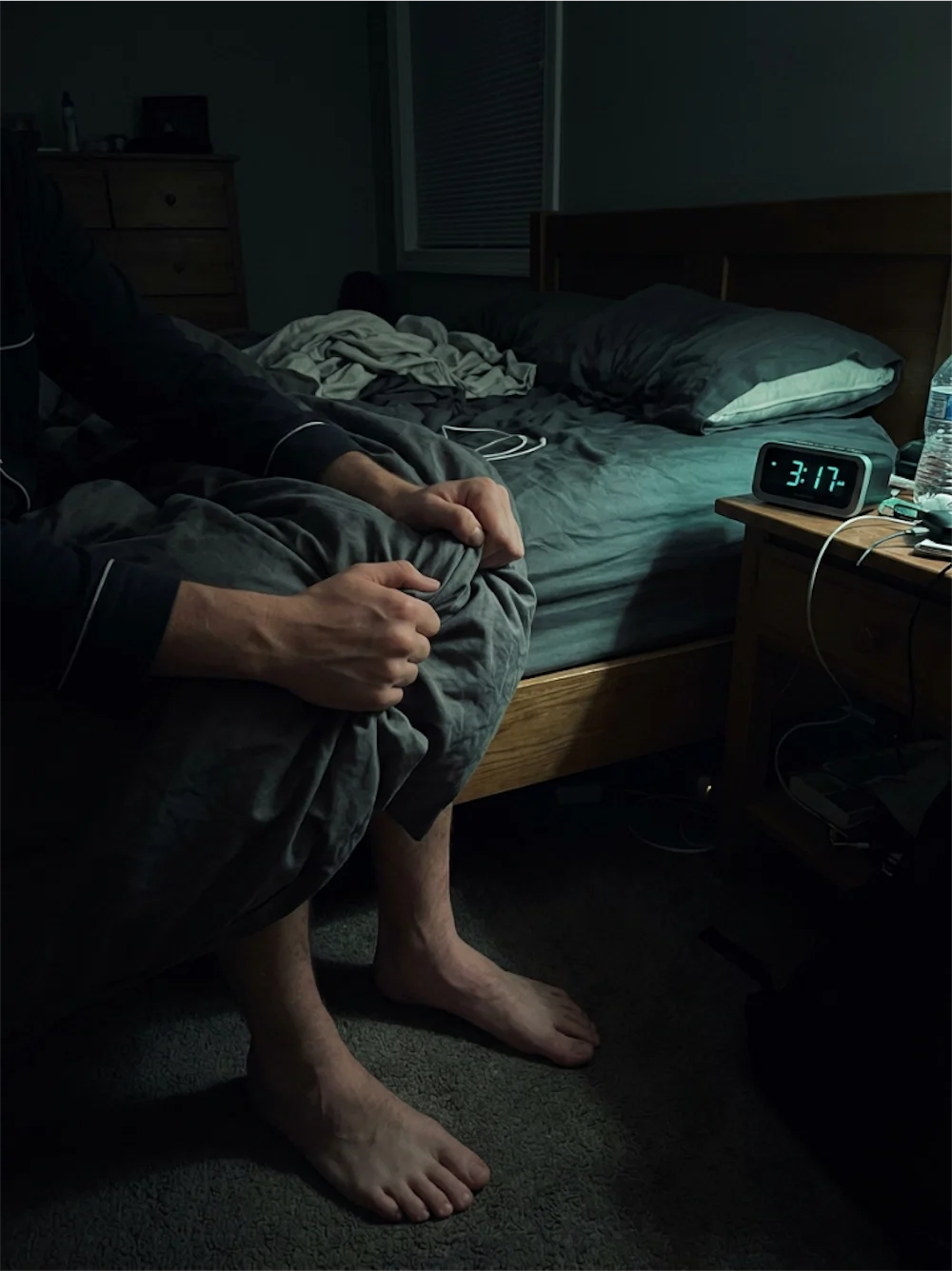
Distinguishing between healing or hyper independence is one of the hardest parts of rebuilding your life after emotional trauma. If you find yourself isolating yourself after toxic relationship patterns, you might believe you are just protecting your peace. While trying to find a solid codependency recovery plan, many survivors swing from over-giving to shutting the door on the world completely. Have you noticed that your desire for peace has turned into an absolute refusal to let anyone close?
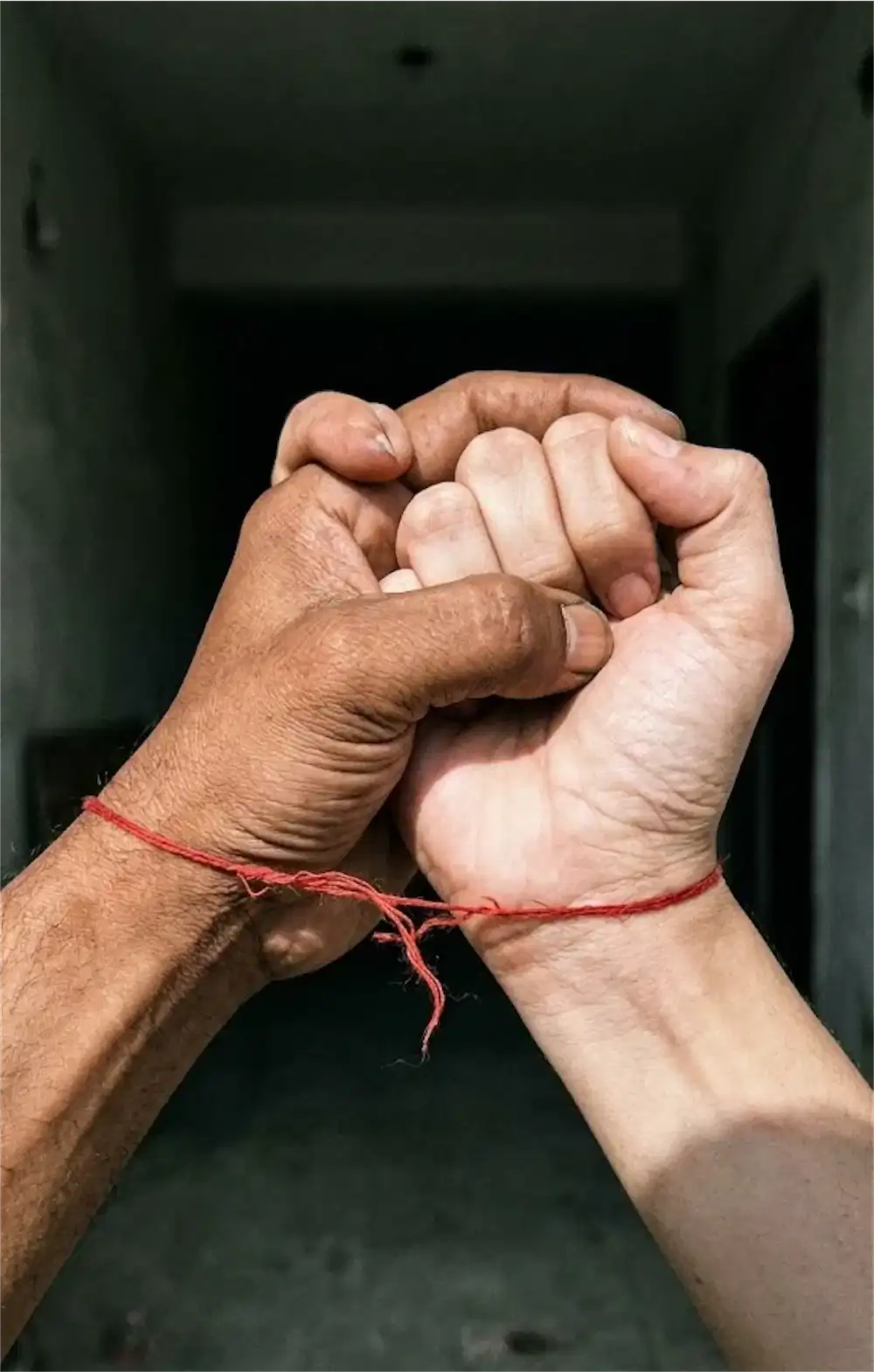
I know this feeling because I spent twelve years surviving a toxic relationship with a partner who displayed severe narcissistic and borderline personality traits. When the relationship finally collapsed, I was completely devastated, cut off from my family, and had zero hobbies or interests left. I was living in a quiet apartment, completely miserable, convinced that the only way to stay safe was to never depend on a human being again. Through therapy and learning about the complex nature of trauma bonds, I slowly realized that my fierce self-sufficiency was not actually healing; it was survival armor.
Today, I have returned to my original self, feeling cheerful, optimistic, and grounded. But getting here required admitting that my protective isolation was holding me hostage. Let us explore how to recognize when self-reliance crosses the line into a trauma response, and how you can gently begin to open your heart again.
Is It Healing or Hyper-Independence? The Line Between Safety and Loneliness
Hyper-independence is a protective survival mechanism where you refuse help and isolate because relying on others feels dangerous, whereas true healing involves setting firm boundaries while remaining open to safe, healthy human connection.
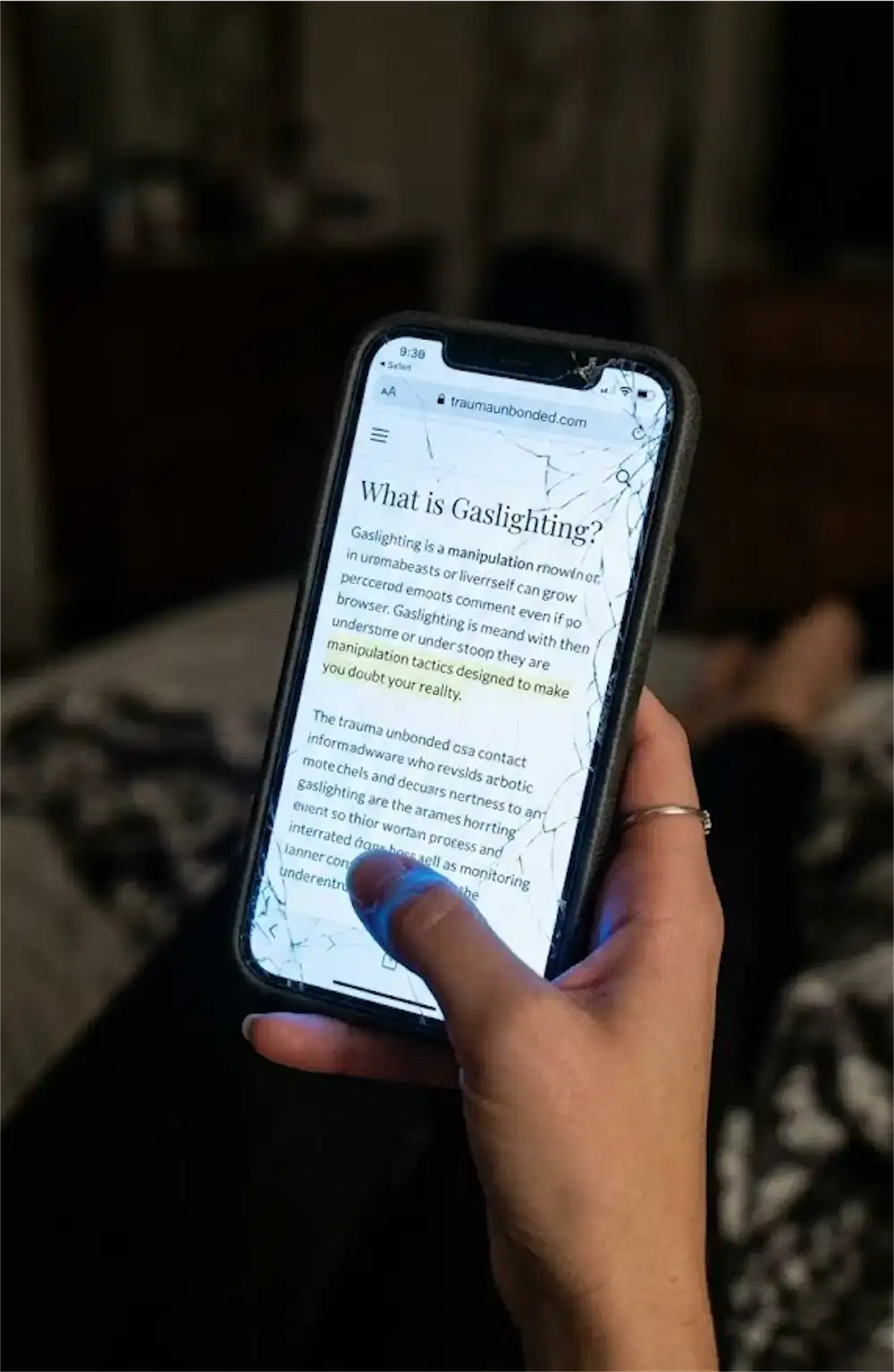
When you escape a highly volatile environment, your nervous system is in a constant state of red alert. You are used to walking on eggshells, anticipating the next blowout or silent treatment. In my decade-long relationship, I endured constant gaslighting, which means my partner repeatedly denied my reality and made me question my own memory of events. After years of hearing that my feelings were wrong, I stopped sharing them with anyone.
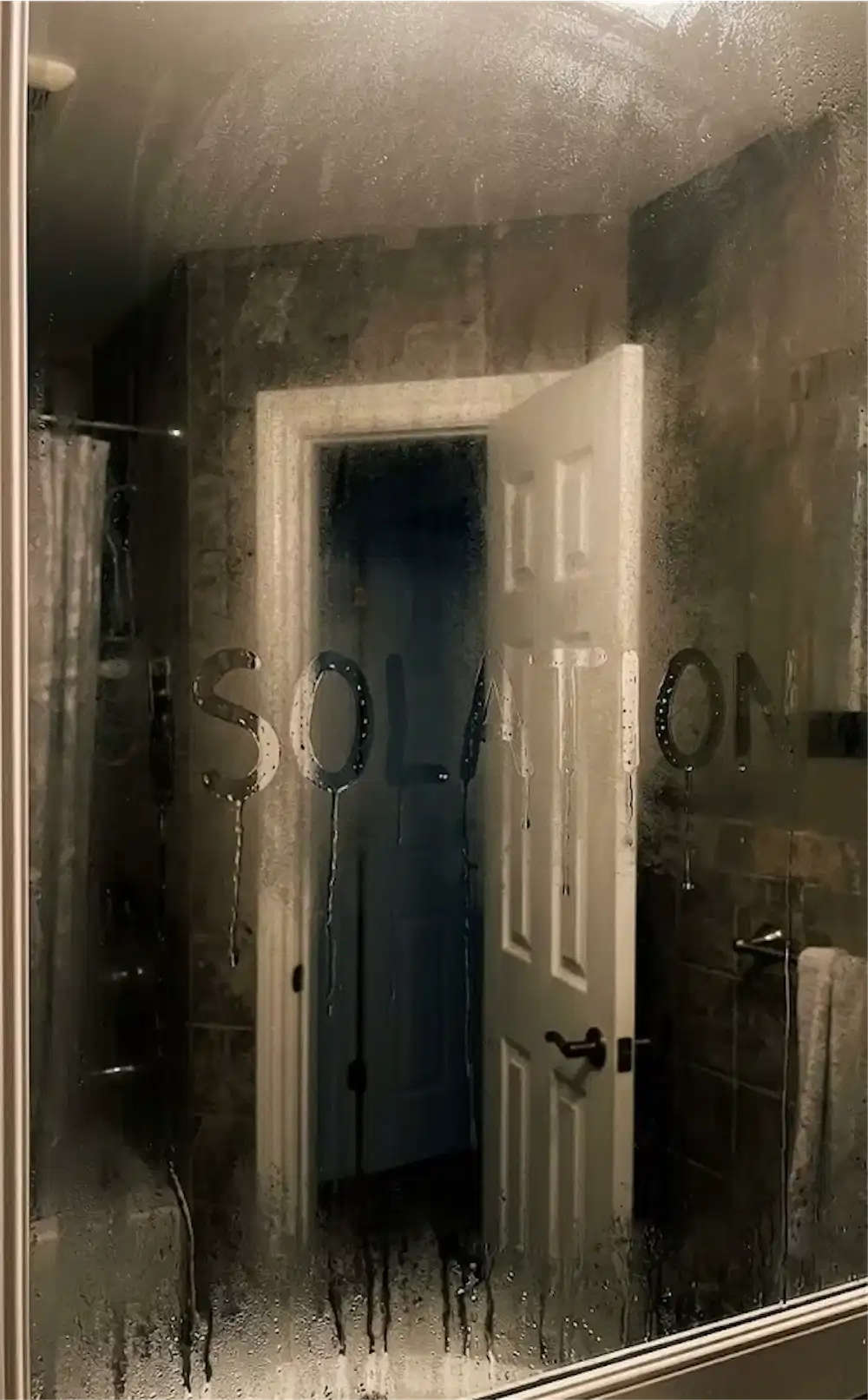
Once you get away, the silence of being alone feels like a massive relief. But over time, that relief can morph into a rigid wall. You tell yourself, “I am doing great because I do not need anyone.” In reality, you are hiding. True healing allows for vulnerability, whereas a hyper independence trauma response is built entirely on fear. It is a way of saying: if I do not let you in, you can never hurt me again.
Signs of Hyper-Independence as a Trauma Response
How do you know if you are practicing healthy self-care or if you are locked inside a trauma response? The warning signs are usually quiet, hiding behind the mask of being strong, capable, and highly organized. In a toxic relationship, you had to manage everything because your partner was unpredictable. If they experienced borderline splitting, meaning they suddenly saw you as entirely evil instead of someone they loved, you had to learn to survive without their support.
Here are the common signs of hyper independence that show up when your protective walls have grown too high:
- Refusing to ask for help: You would rather struggle with a heavy box, a financial crisis, or deep emotional pain than ask anyone for assistance.
- Chronic hypervigilance: You are always scanning people for signs of betrayal, waiting for the other shoe to drop, which makes you pull away before they can reject you.
- Guilt when receiving: If someone does a favor for you, you feel an overwhelming sense of obligation or panic, fearing they will use it to control you later.
- Over-scheduling to avoid connection: You fill your calendar with solitary tasks to avoid having to engage in meaningful social interactions.
In my recovery, I had to understand that this behavior was a direct result of relational trauma, which Psychology Today frames as an adaptive defense mechanism. When my ex used hoovering tactics, trying to drag me back with desperate apologies, my walls went up even higher. I shut down my social life because I could not differentiate between a manipulative ex and a well-meaning friend. I was experiencing severe trauma bond withdrawal symptoms, which made every interaction feel completely overwhelming.
If you recognize these patterns in yourself, you are not broken. You have simply applied a temporary survival tool to your permanent lifestyle. To help you break out of this cycle and safely rebuild your identity, I highly recommend using a structured, step-by-step roadmap. The guide below is designed specifically to help you stop people-pleasing, establish balanced boundaries, and safely reconnect with your true self.
How to Stop Isolating Yourself After a Toxic Relationship
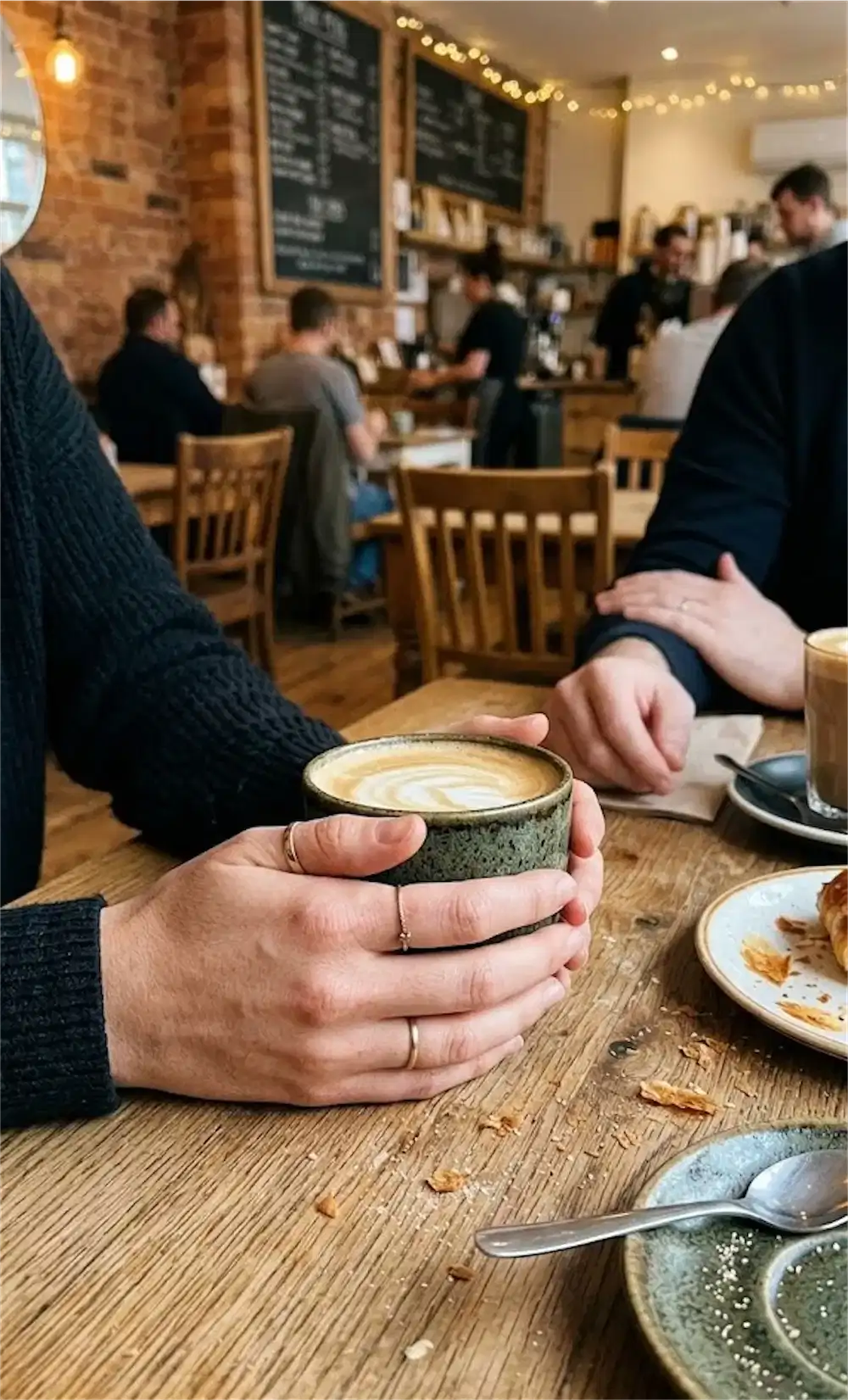
Learning how to stop isolating yourself after toxic relationship trauma is a slow, somatic process. You cannot simply force yourself to attend loud parties or build a massive circle of friends overnight. Your nervous system needs to learn that connection can be safe. When I first implemented a radical no contact guide to keep my ex away, I thought my job was done. But I soon realized that keeping the bad people out was only half the battle; I also had to let the good people in.
Here are several practical steps to help you transition from cold isolation back into healthy connection:
- Start with micro-connections: You do not need to share your deepest secrets immediately. Try making small talk with a barista, exchanging a warm smile with a neighbor, or joining an online hobby group where you can participate without pressure.
- Practice low-stakes asking: Ask a coworker for a recommendation, or ask a friend to help you choose a book. Getting comfortable with tiny requests helps your brain realize that asking for help does not make you weak or helpless.
- Reclaim your old hobbies: In my toxic relationship, I slowly gave up painting, running, and cooking because all my energy went into managing my partner’s emotional crises. Finding a local class or group dedicated to your interests is a safe way to socialize because the focus is on the activity, not on you.
- Set boundaries, not barriers: A boundary says, “You can come in, but you must respect my rules.” A barrier says, “No one is allowed near me.” Focus on defining what safe behavior looks like so you can trust your ability to filter out toxic people.
Working through these steps is essential for implementing self-healing tips for narcissistic abuse survivors. When you first start stepping out of your fortress, it will feel highly uncomfortable. Your brain might scream that you are being foolish or naive. But remember, the goal is not to go back to being a people-pleaser; the goal is to build a life where you are both safe and connected.
Choosing True Connection Over Safe Isolation
If you have been living behind walls of hyper-independence, please be gentle with yourself. You built those walls because you absolutely needed them to survive a highly painful experience. But you do not have to live inside a fortress forever. Reclaiming your life means moving at your own pace, recognizing that you can be independent while still allowing yourself to receive love and support.
You can find your way back to your cheerful, optimistic self without sacrificing your peace. Take a single, small step today by sending a text to a safe friend or trying a new activity. If you are ready to dismantle those walls and rebuild your life on a foundation of genuine self-worth, consider exploring The Codependency Recovery Plan to guide your steps toward a balanced, connected future.

Meet Your Guide
Helen Brooks
After surviving a 12-year NPD/BPD relationship, I dedicated over a decade to studying trauma bonding and nervous system recovery. My mission is to help you break free from the fog and reclaim your authentic self.
Ready to break the trauma bond and reclaim your life?